Part I: The Panasonic Lumix DMC-LX1 that went to South Korea.
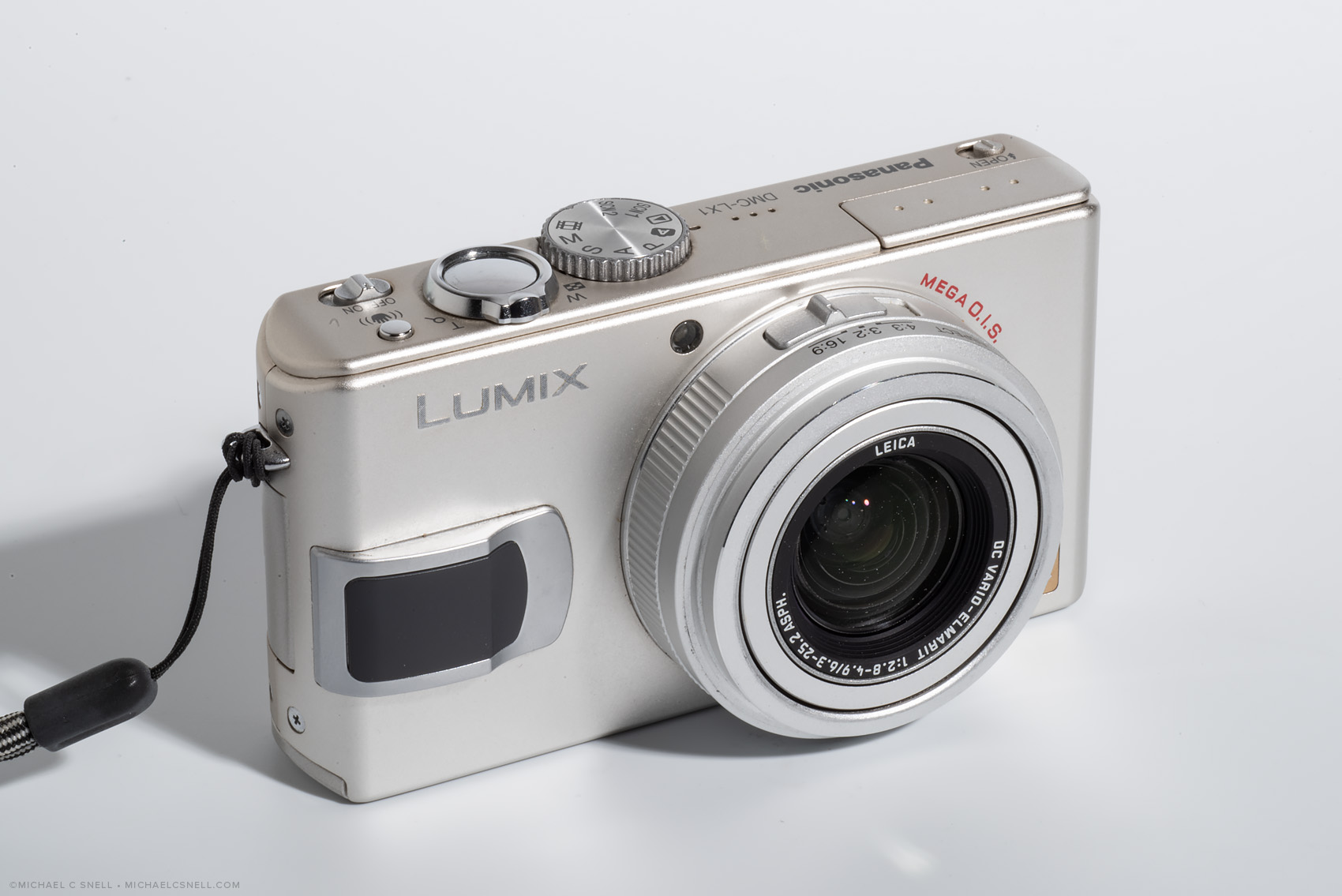
There’s a compact camera that’s been sitting on my shelf for years. It’s the Panasonic Lumix DMC-LX1. I must have bought it in 2006 just prior to a trip I was making to South Korea. I used it a fair amount for a couple of years (also taking it to Chile, which I’ll talk about more in a Part II post), then I seem to have forgotten about it. I’m not sure why. It had a couple of features that were extremely handy at the time, but improved phone cameras may have kicked it out of my camera bag at some point.
Here’s what sold me on that camera in 2006. It was compact, had a 16:9 sensor, shot RAW (which was kind of a big thing in those earlier days of digital photography) and it shot video.
The other camera that I took to South Korea was my Nikon D100 – my first DSLR. It did not shoot video. I wouldn’t have a DSLR that shot video until my D7000 in 2011. I didn’t have a real need for video, but it was nice to have. In the meantime, the little DMC-LX1 made a decent back-up camera should I ever have a problem with the D100. I think this was the last era where I only had one DSLR body. My clients were mostly still wanting film back then, so I shot the D100 alongside my F100 film body. Later, when I added a D200 and was shooting primarily digital, I began keeping my previous bodies as backups. I don’t think I’ve ever owned two of the exact same body.
But I digress.
The video aspect was fun, but my favorite feature of the LX1 was the 16:9 sensor. I’ve since had other cameras that would shoot 16:9 but it was always done by cropping and only using a portion of a standard 3:2 sensor. I’ve always been a sucker for wider formats and I loved the idea of not throwing any data away to get that wider image.
Panasonic’s latest camera in this vein is the Lumix L10. It’s getting a lot of buzz right now for its ability to load custom LUTS. The sensor is now 26.5 megapixels but it seems to be a 4:3 aspect ratio. The Panasonic website states, however, that the L10 uses “a sensor larger than the lens image circle, it maintains the same angle of view across 4:3, 3:2, and 16:9 aspect ratios. 1:1 is also available.” The accompanying illustrations show that the 16:9 ratio still takes maximum advantage of the image circle of the lens. No more 16:9 sensor, but it sounds like you still get all of the same advantages.
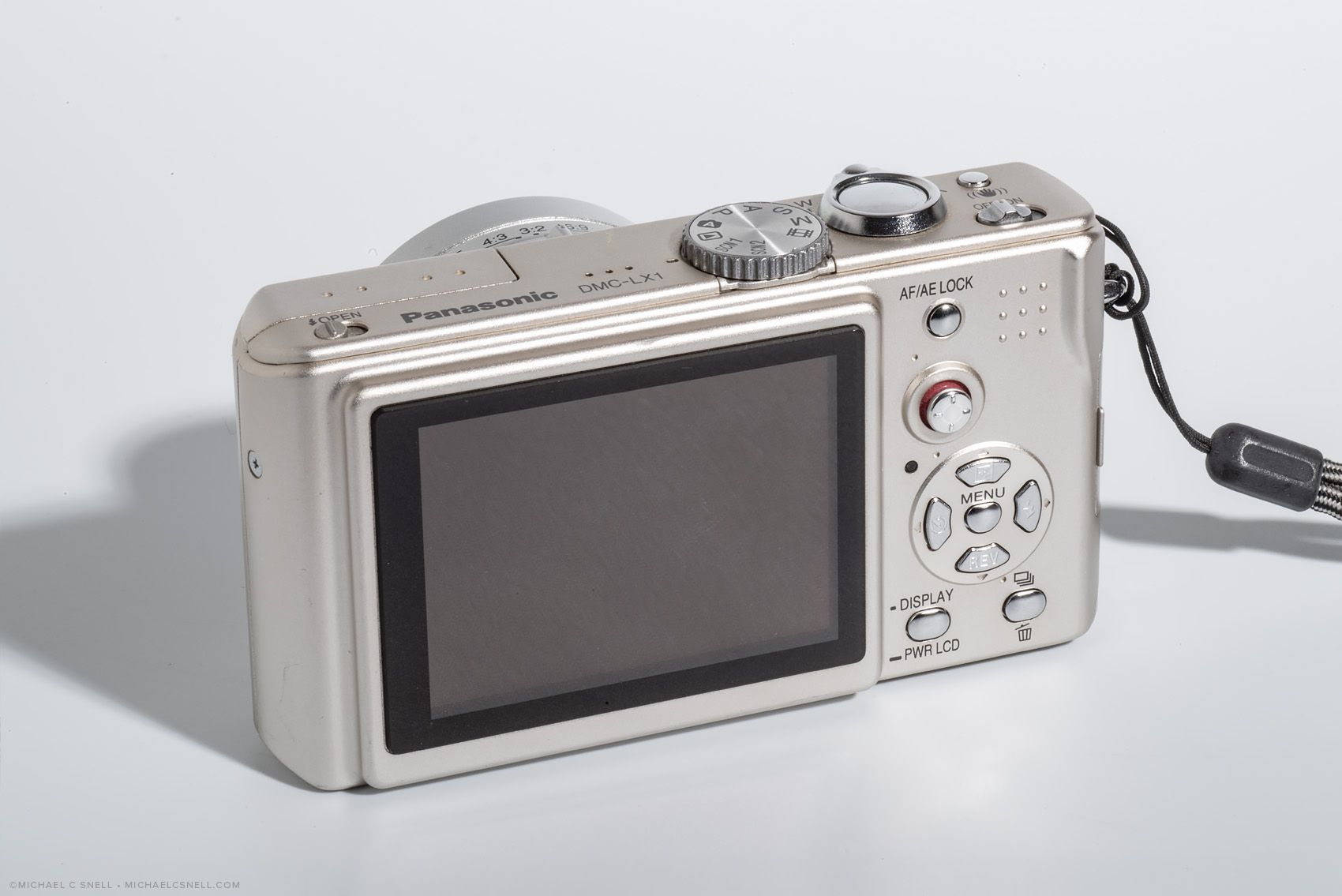
Some specs for the Panasonic Lumix DMC-LX1
- Released in 2005
- 8.4 megapixel Four Thirds CCD (16:9 aspect ratio)
- 28-112mm equivalent f/2.8-4.9 Leica-branded lens
- MEGA optical image stabilization
- RAW capture mode
- 848 x 480 30 fps video
DP review has a review page with far more information here.
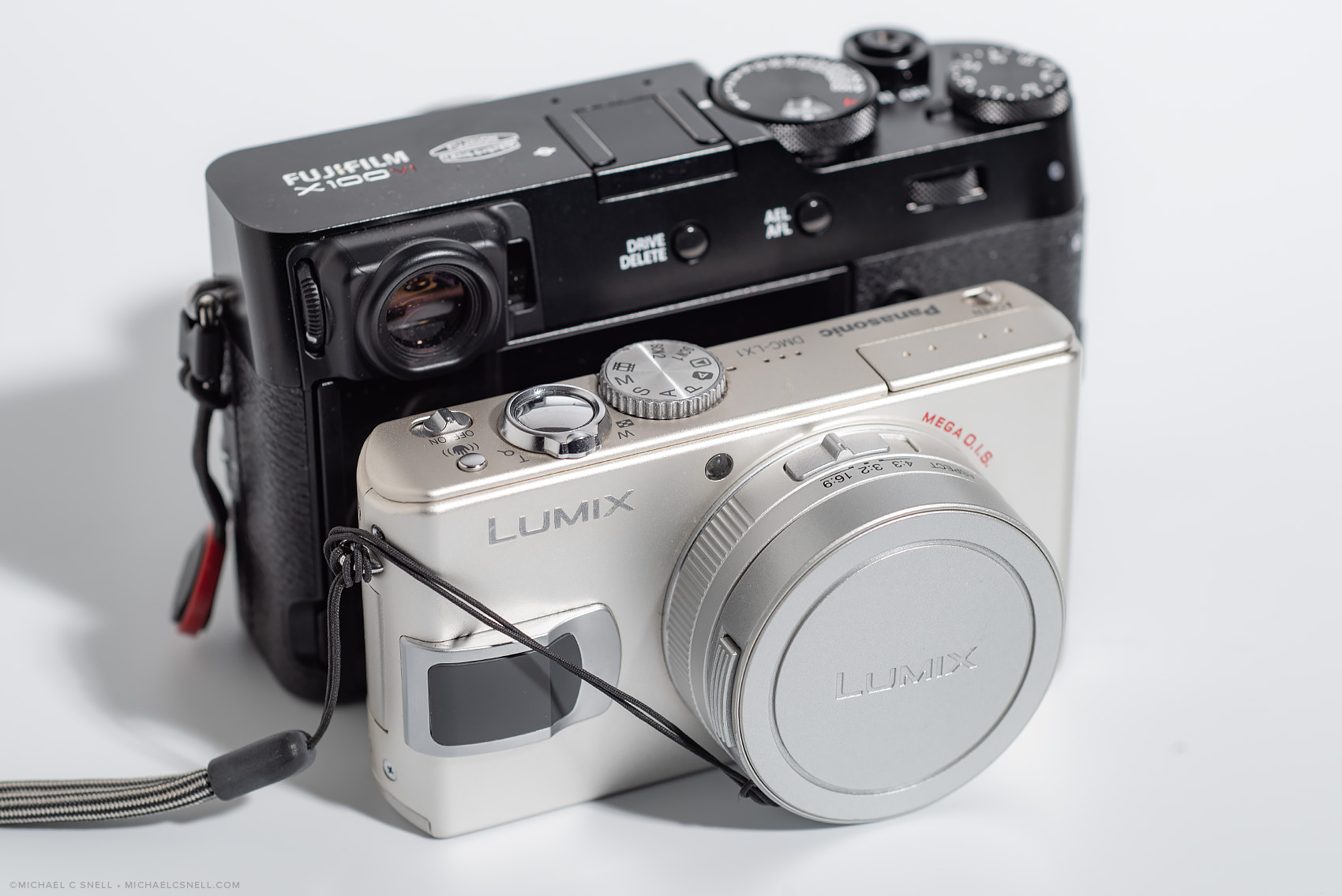
The LX1 is very compact. Here’s a shot of it next to my Fujifilm X100VI, which is not a large camera either, but manages to tower over the Lumix.
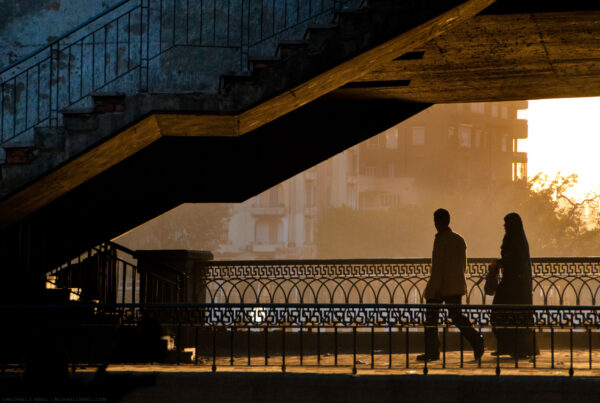
Below are a few more shots from that Korea trip in 2006:

Travel food shots were always perfect for a compact camera (or nowadays, a phone). I seldom ever needed a large file for shots like this. They were never going to be covers or double-page spreads but I have licensed many of these kinds of images (including this one) for publication.

Performances were another place where a compact camera excelled. The Lumix was small and unobtrusive. It was also fun to be able to shoot video of dancers like this.

Grab shots in train stations and airports were something I often missed when I have all my gear packed up for going through security. The pocket cam saves the day!
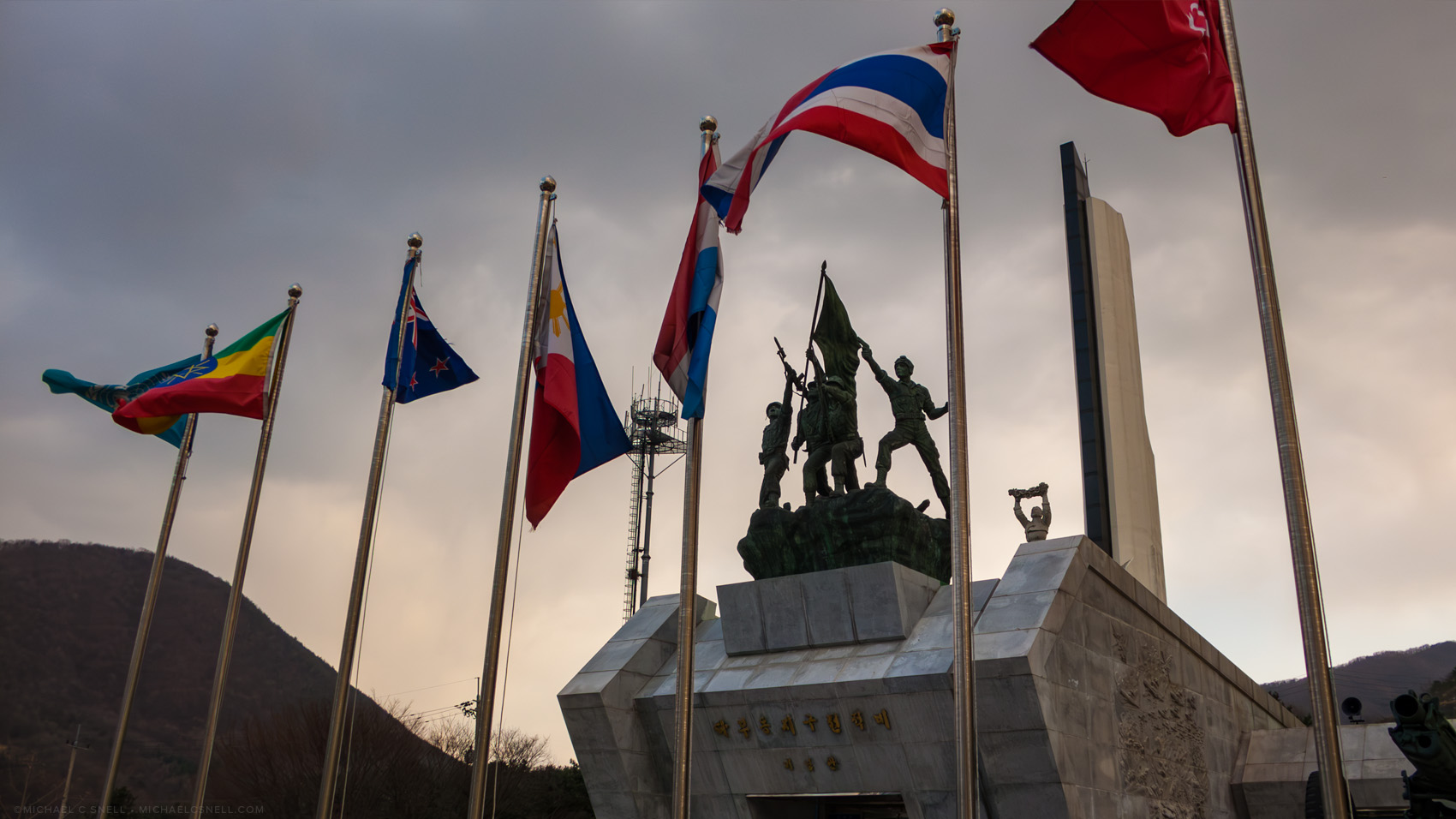




This was shot out a bus window on a travel day when most of my big gear was likely packed up and inaccessible.
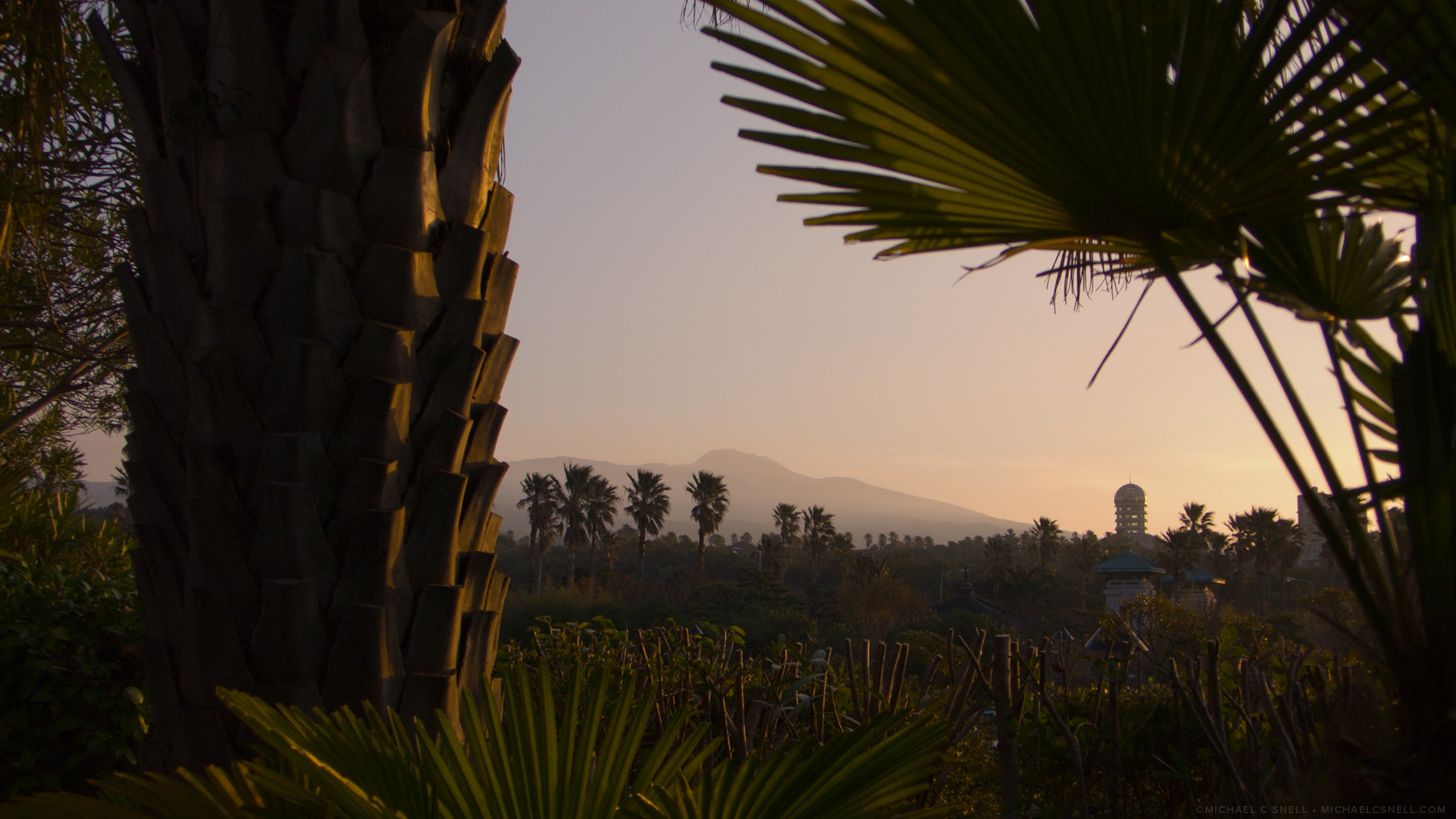
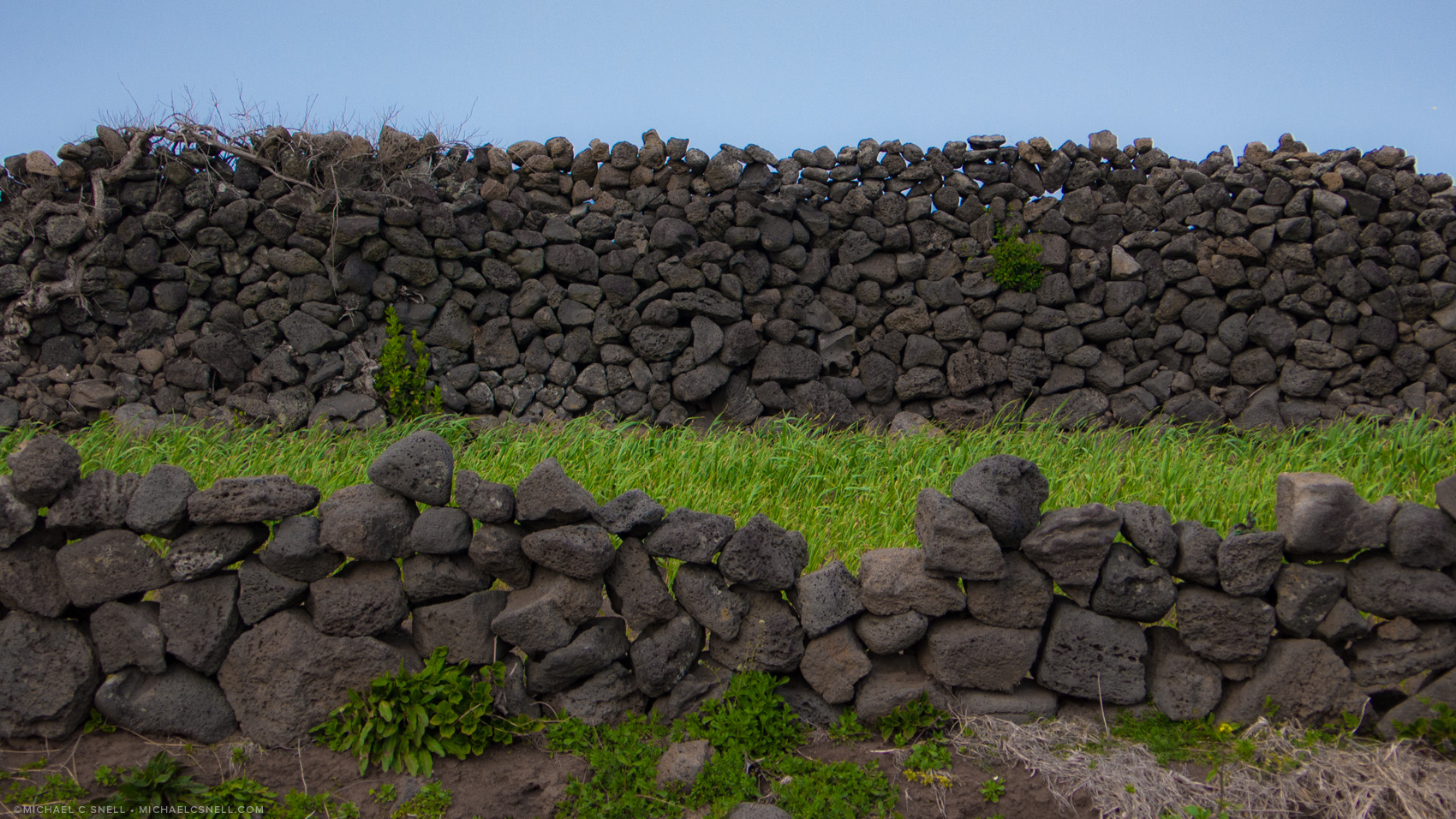


Even verticals are fun in a 9:16 format.
I’m kind of fascinated by why I stopped using this little camera. It actually checks a lot of the boxes of what I was looking for when I moved into the Fujifilm system recently. A compact, pocketable, carry anywhere and everywhere camera that you’re never without. In fact, it’s much more pocketable than my X100VI. The Fuji is really only pocketable if you’re wearing a jacket. Of course, the LX1’s 8.4 megapixel sensor is a far cry from the X100VI’s 40 megapixel sensor. Still, for a lot of things the Lumix was enough. I’ll have to see if I can locate its battery charger and maybe test it out one of these days. Old gear can be just as fun as new gear.
Coming up next we’ll look at the other international trip I made with the LX1 when I went to Chile and Easter Island.