Author Archives: Michael

Pamplona, Spain

140816pamplona06_sotc

In my last post, I wrote about the running of the bulls during the San Fermin Festival in Pamplona, Spain. There is so much more to San Fermin, so much more to Pamplona, that I want to devote a few more posts to the city and the festival — beyond the running of the bulls. Don’t get me wrong — the encierro was a spectacular and exciting event to witness. But there was so much more to love about Pamplona during festival time.

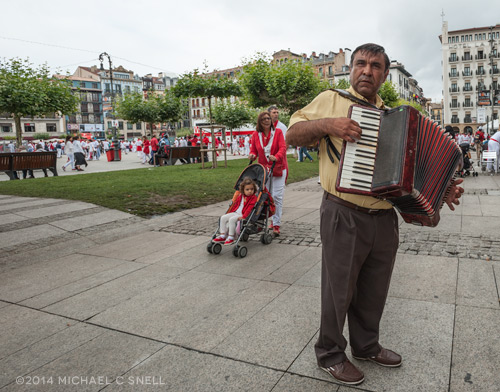
Here, an accordion player serenades diners in the sidewalk cafes lining the Plaza del Castillo:
140816pamplona05_sotc

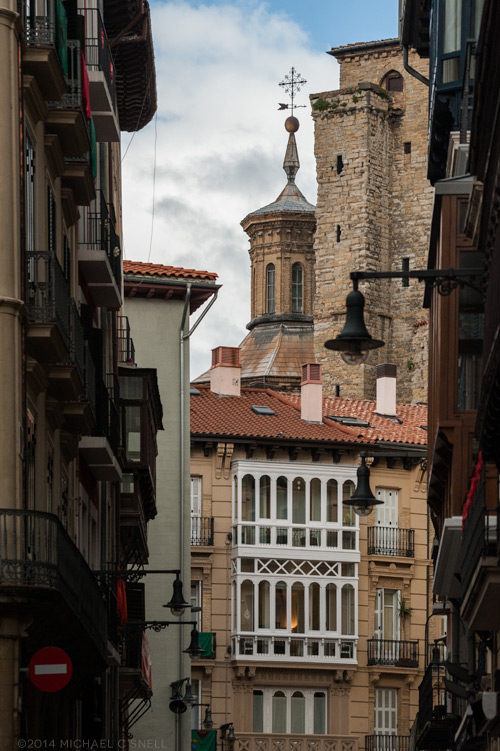
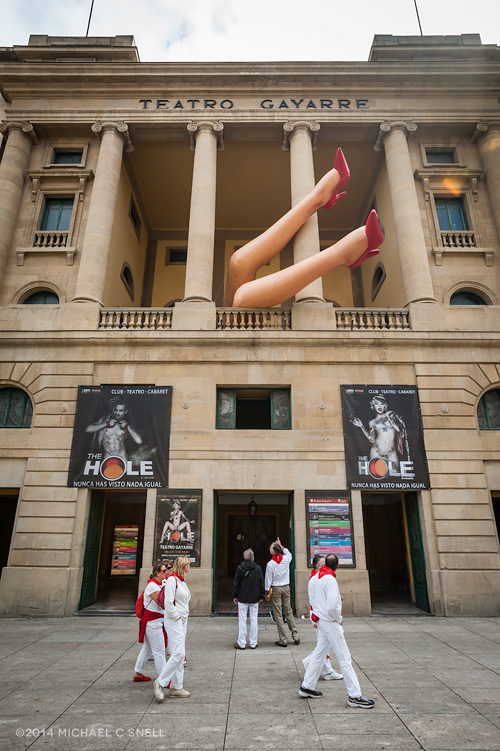
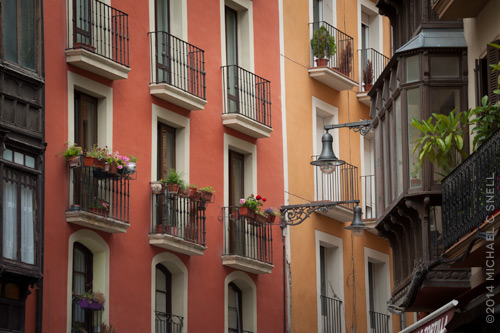
In this post, I’ll introduce the city of Pamplona itself and I’ll get into other aspects of San Fermin in the following posts. Pamplona is a beautiful city with a wonderful old sector that rose tall over the years — often to six or seven stories. The need to grow upward came from this being a walled city that, for a long period, did not expand outside those walls. The narrow streets are shaded even throughout the hottest parts of the day and there is a sort of natural air conditioning that occurs. This, I’ve been told, because the week I spent there was unseasonably cool anyway, with highs only in the lower 80s F.

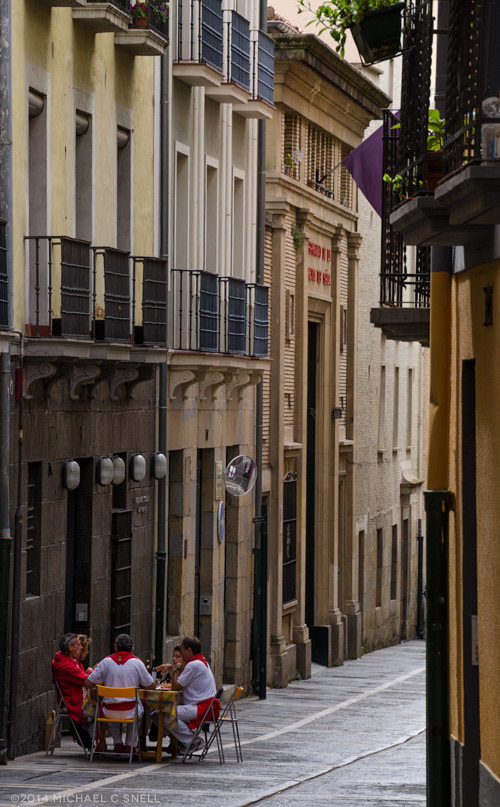
During quieter parts of the Festival, some locals have family meals in the streets, using the narrow spaces as extensions of their own dining rooms:
140816pamplona02_sotc

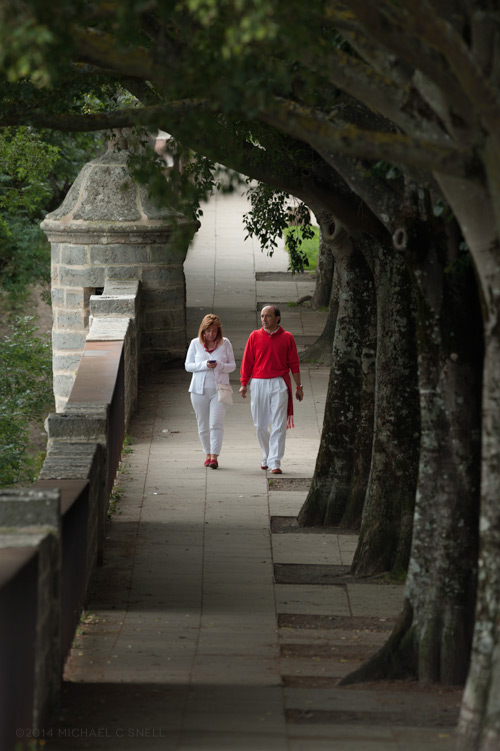
Back to the city walls — they still remain and there are beautiful wall walks in many areas that offer stunning views of the hills beyond the newer parts of the city.
140816pamplona07_sotc

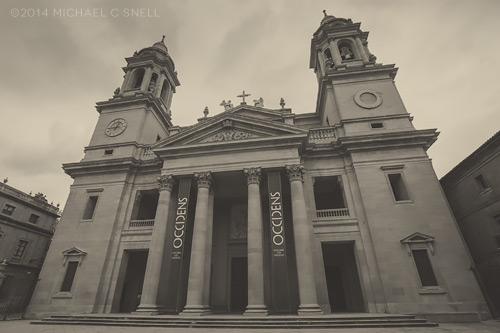
Another great stop is the 15th century Cathedral of Royal Saint Mary:
140816pamplona03_sotc

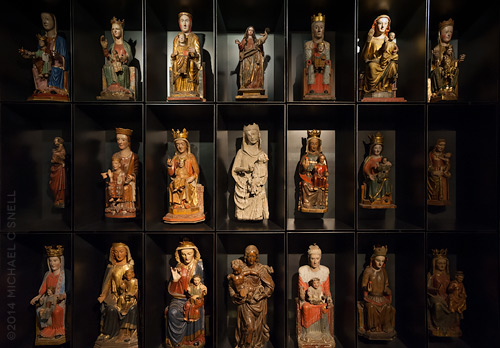
This cathedral is actually available for events with an incredible variety of interior spaces. It also houses the OCCIDENS exposition, an unconventional museum of western civilization. Each gallery is uniquely designed and as engaging as the objects displayed within.
140816pamplona04_sotc

Pamplona would be a wonderful spot to visit even outside of the San Fermin Festival with surprises and wonders around every corner. The narrow, winding, sometimes hilly streets conceal and reveal with each step.
140816pamplona01_sotc

140816pamplona08_sotc

The running of the bulls, Pamplona, Spain

140815bulls07_sotc

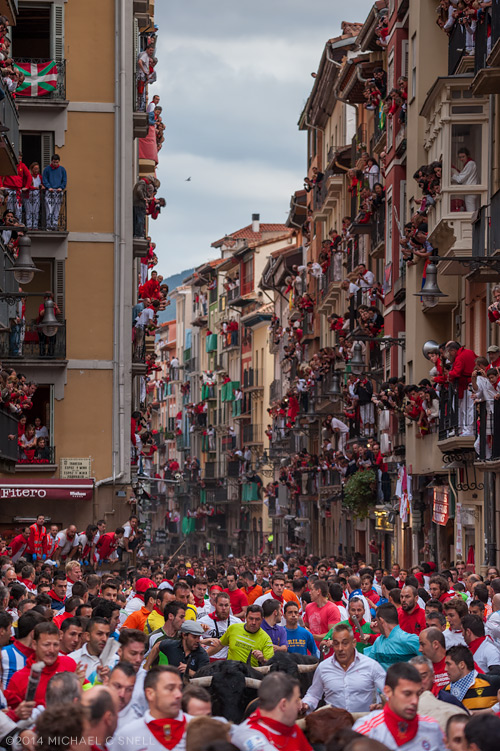
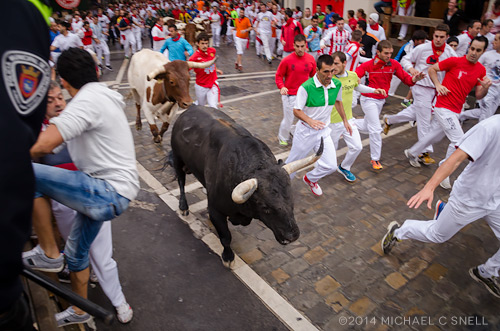
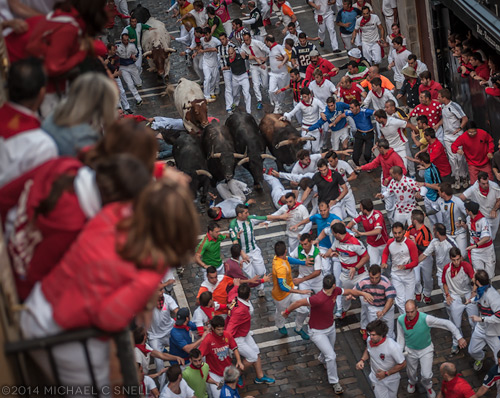
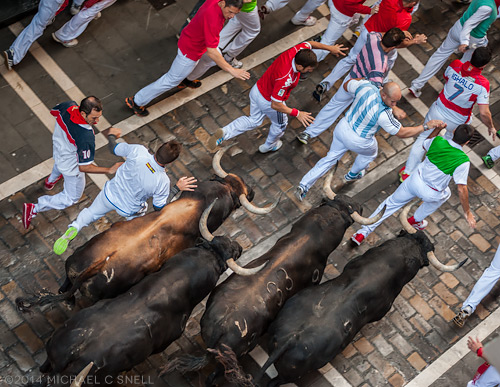
I have photographed bovines in abundance this summer, but the pinnacle may have come in early July when I went to Pamplona, Spain, for the San Fermin Festival and the running of the bulls. The  spectacle of people running through these crowded streets alongside bulls that are being driven toward the bullring was made famous by Earnest Hemingway in his 1925 novel, “The Sun also Rises.” I read the book on the way to Pamplona and I have to say, I thought it was more about drinking and fishing than bulls, but I’m no literary scholar. The fact remains, because of Hemingway, everyone is now familiar with the running of the bulls in Pamplona. Which is a real shame, because I found other aspects of the San Fermin Festival to be at least, if not more, entertaining.
That said, when in Pamplona during San Fermin, you’ve got to see the running of the bulls, known locally as the encierro. And it is worth it. I was able to go three days in a row (the encierro is at 8 a.m. every morning from July 7-14) and would have happily gone again. As a photographer, it’s a difficult event to shoot in one try. The entire run takes just a few minutes and you can’t see the entire course from any one vantage  point so the action literally passes by you in seconds.

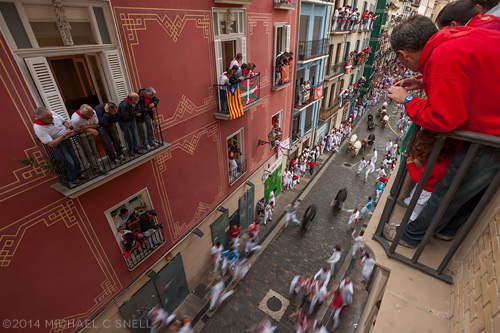
For my first encierro, I had a spot on a balcony of the City Hall. It was near the beginning of the run, as the bulls are coming up a hill and entering a public square to make a sharp left. Here was my view from that vantage point:

140815bulls01_sotc

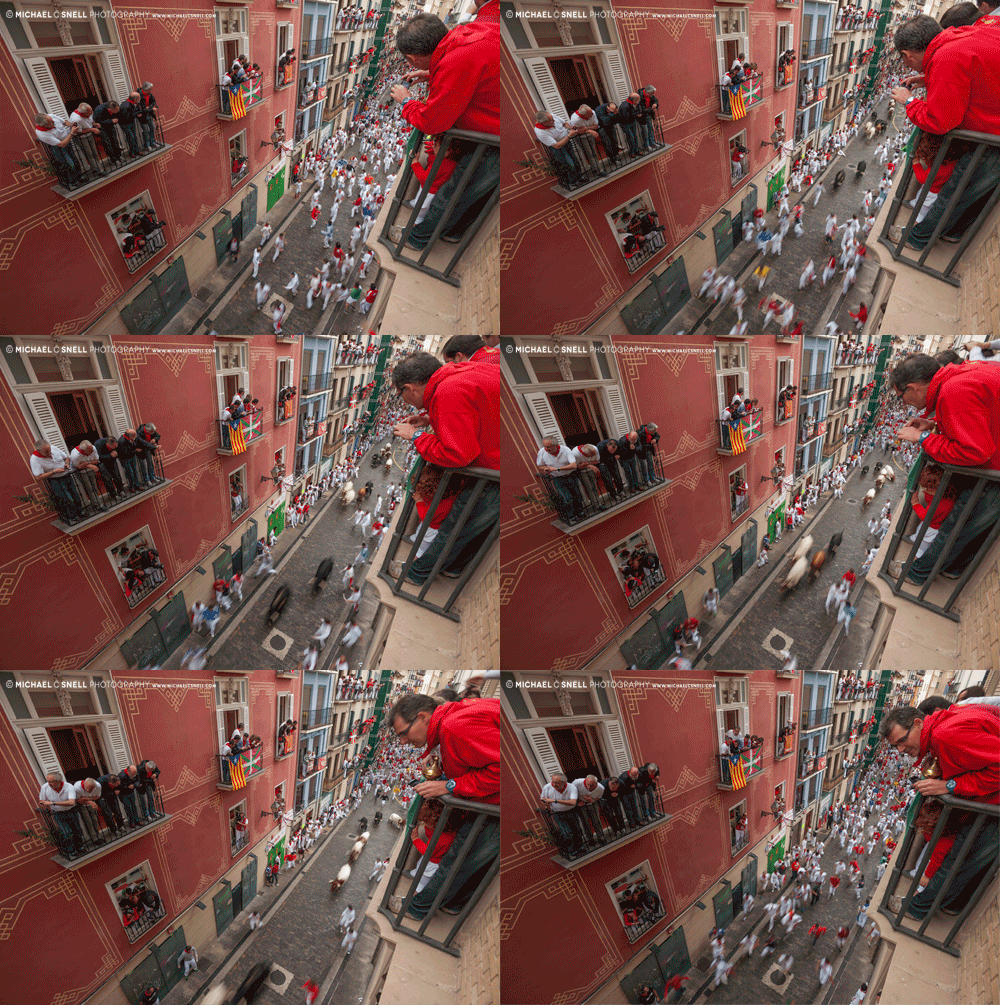
Better yet, here’s a looping animation of several frames I fired off on that first day:

140815bullanim_sotc

That was a great start, but I was really looking forward to my second day, when I had a pass to be in the barricade at street level. This is a narrow space between the temporary fence that holds the general public back and the fence that separates you from the route itself. The only people allowed in this gap are credentialed journalists, police and emergency medical personnel. But, you can’t just stand in there. To photograph the event, you need to be straddling the fence itself so that you leave the space below the bottom rail open. That way if (when) runners fall, they can roll to safety without your feet being in the way.

Here’s a shot from that vantage point as the route was getting one final inspection:

140815bulls04_sotc

A few moments later, the runners — and bulls — arrived:

140815bulls02_sotc

I love the telephoto compression that came from using my Tamron 150-600mm zoom here, but the runner’s bodies nearly obscure the bulls altogether. If was difficult to even tell if the bulls were in the frame through the viewfinder so I just continued to shoot and hoped for the best. Upon later inspection of the images, this one was among my favorite.

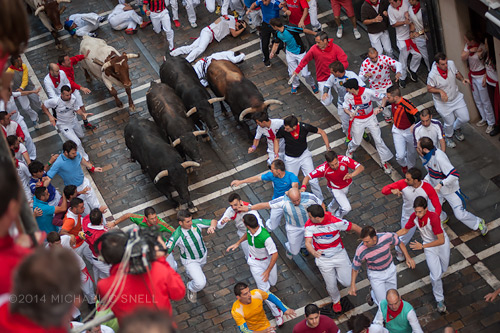
Once the bulls were too close for the telephoto, I had one last — quick — opportunity to grab a few wide-angle shots as they passed:

140815bulls03_sotc

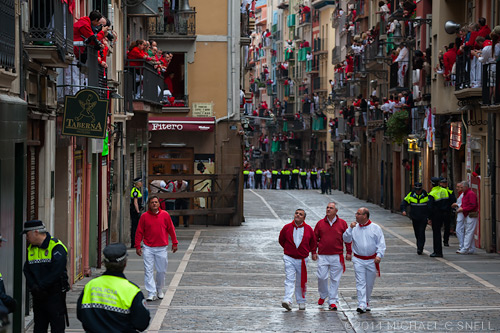
My third day and third encierro found me back on a balcony, this time one floor higher and on the street that makes for the longest straightaway during the run: Calle Estafeta:

140815bulls06_sotc

This view allowed me a little more time as you could track the bulls approaching and passing by. It also appeared to be a fairly chaotic spot on this particular day, with lots of runners falling, but no serious injuries. One last shot from the balcony as the bulls pass by:

140815bulls08_sotc

I have a new found respect for the photographers that get those great shots that you see of this event. It’s certainly a skill that must be honed with experience in order to know where best to be and how best to handle each location. I enjoyed myself thoroughly, though, and would have gladly gone back for a fourth day.

In the following posts, I’ll feature more of the events that make up Pamplona’s San Fermin Festival. As I mentioned before, there was so much more than just the bulls. Stay tuned and I’ll show you what I mean.

Dodge City Days

140806dodge04_sotc

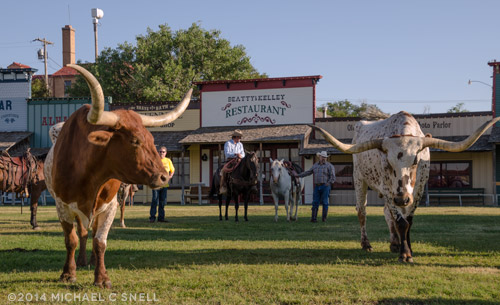
I had a great time covering Dodge City Days last weekend. The town of Dodge City, Kansas has a great history as a prominent old west cowtown and the setting for many an old west tale — some true, some not. I spent a fair amount of time here as a kid so it was great to return. I’ve actually done quite a bit of work in the area over the past few years but this time was more nostalgic as many of the Dodge City Days events were things I did here as a kid. Here are a few, random shots from this year’s Dodge City Days events:

140806dodge01_sotc

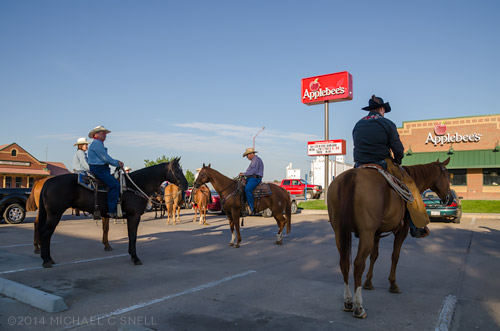
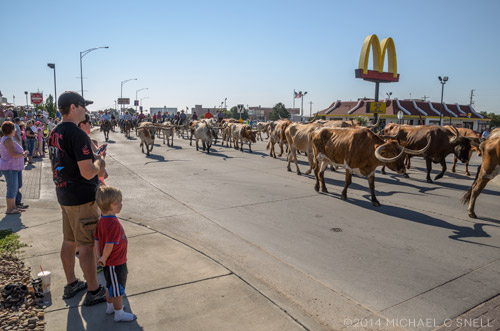
While not part of an actual “event,” this was the scene as riders were waiting to begin the world-record-attempting longhorn cattle drive down Wyatt Earp Boulevard. I loved the way the horses appeared to be “parked” at Applebees. Only in Dodge.

140806dodge06_sotc

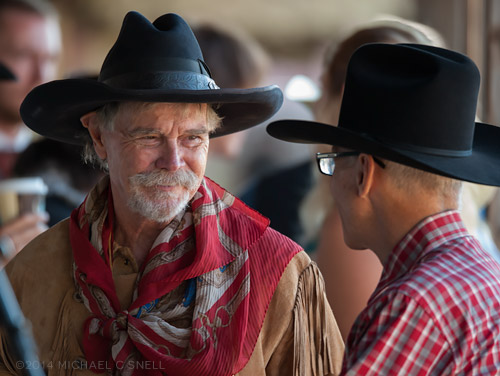
Actors from the old television series “Gunsmoke” and “The Rifleman” were on hand to help celebrate Dodge City Days this year.

140806dodge07_sotc

140806dodge08_sotc

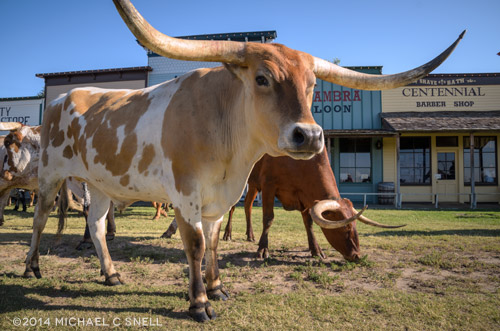
A tough route for the longhorns, as the cattle drive moved them past several fast-food burger places.

140806dodge10_sotc

140806dodge09_sotc

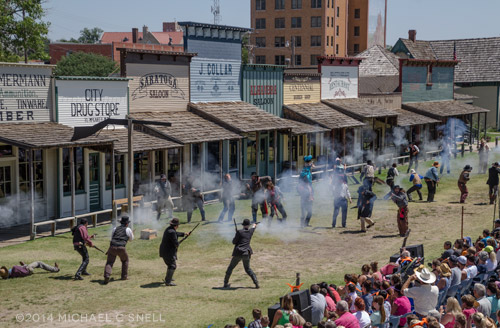
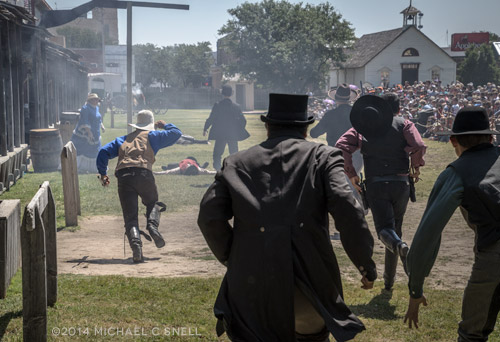
With the cattle moved off of Front Street, it’s just a matter of time before there’s trouble. Daily gunfights are re-enacted here for tourists. These during Dodge City Days were well-attended by both gunfighters and visitors.

140806rodeo04_sotc

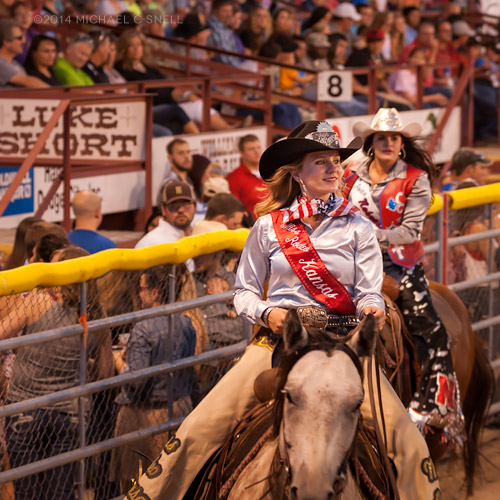
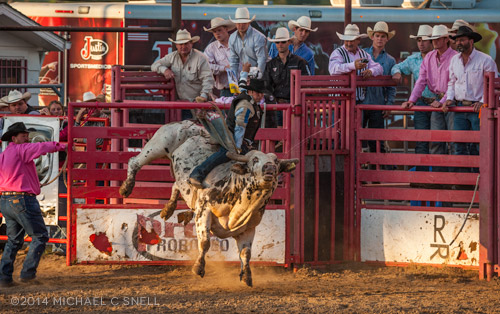
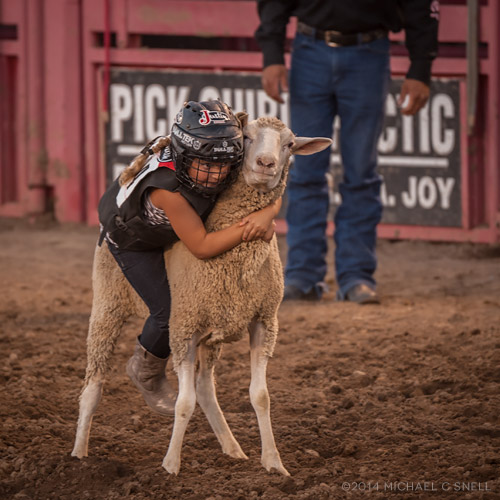
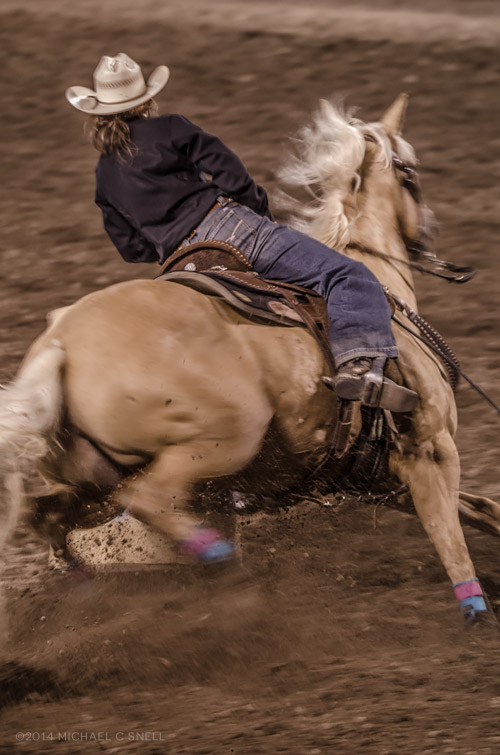
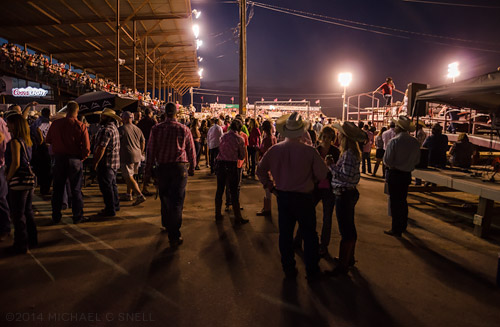
I ended both Friday and Saturday evenings at the Dodge City Round-Up Rodeo. I love shooting these events. The weather was great, and there was tons of action.

140806rodeo03_sotc

140806rodeo02_sotc

140806rodeo05_sotc

140806rodeo01_sotc

Lawnmower Demolition Derby

140727derby05_sotc

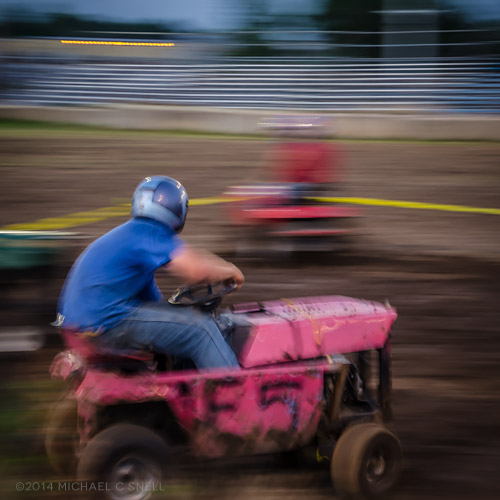
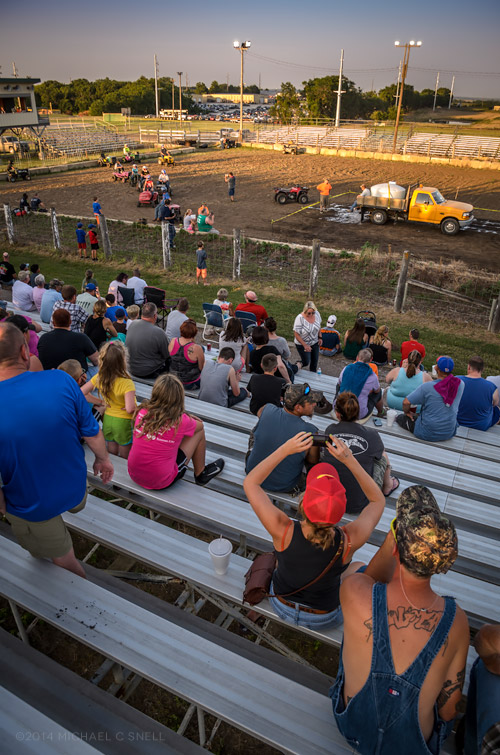
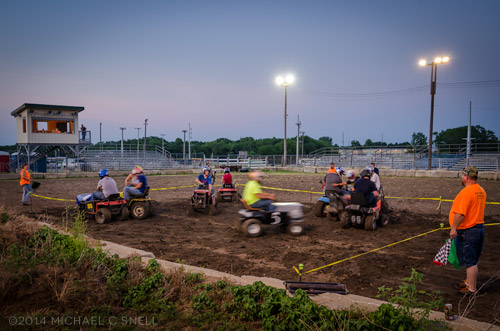
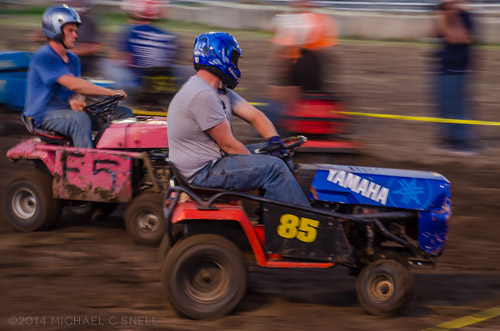
A fun distraction last night — we attended the Mowbashers Mower Derby at the Douglas County Fair. Nothing like a little noise, smoke and chaos to distract one from the heat of summer. The exhaust fumes probably didn’t hurt, either.

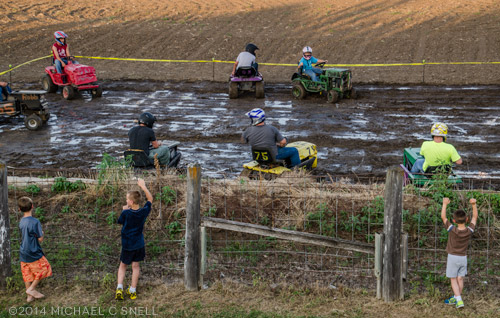
Here are the contenders, lining up to start while the field is wetted down:

140727derby01_sotc

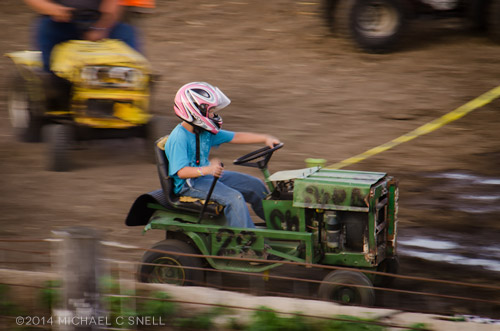
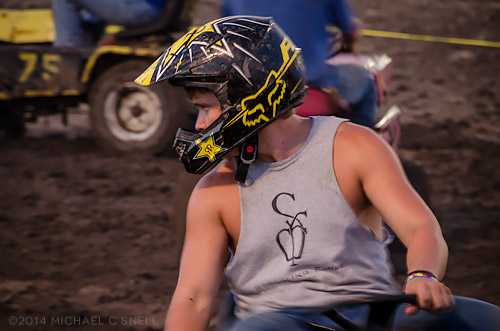
Drivers of all ages, getting into start position:

140727derby04_sotc

140727derby02_sotc

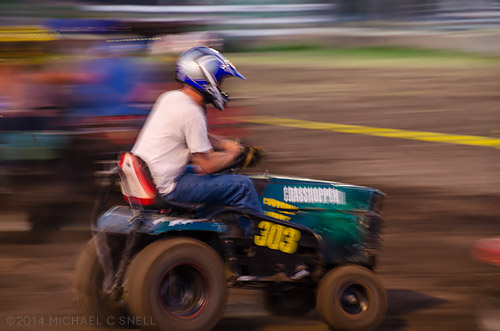
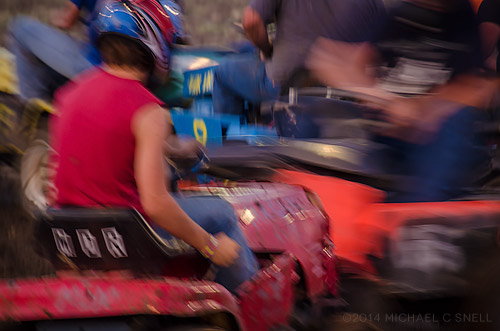
And, they’re off!:

140727derby03_sotc

140727derby08_sotc

140727derby09_sotc

140727derby07_sotc

140727derby06_sotc

Guadix, Spain – Cave Houses and Cathedrals

140706guadix06_sotc

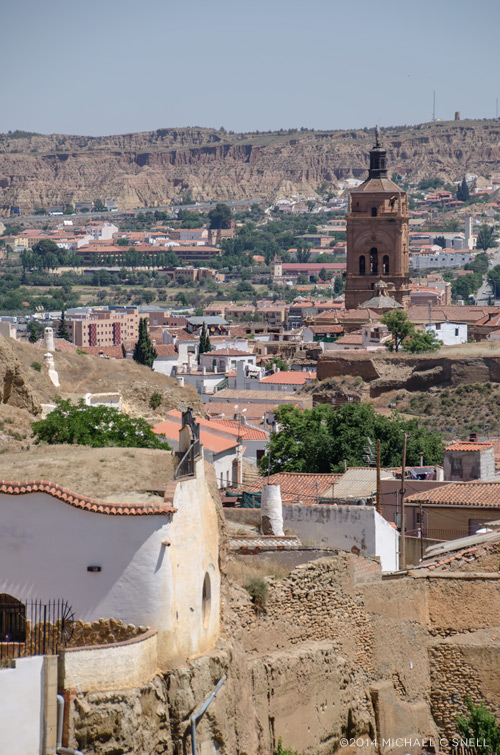
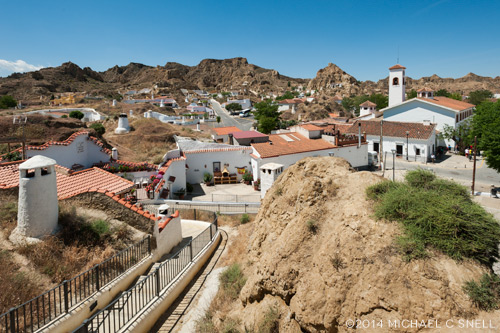
Before heading back to Granada, we had one last stop in Guadix, Spain. There the landscape contrasted dramatically with what I had seen in Almunecar the day before. Around Guadix, it was much more of a desert climate and nearly half of the city’s population lived in cave houses, carved into hillsides.

140706guadix05_sotc

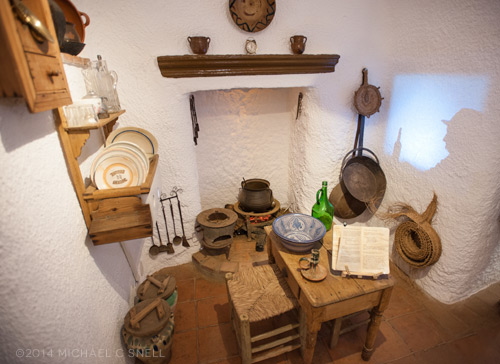
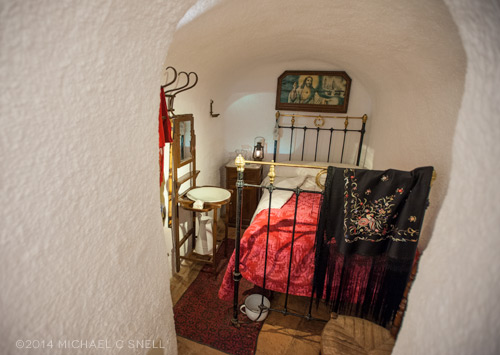
There’s a cave house in Guadix that is open as a museum so that visitors can see what the insides of these dwelling look like. It was a warm day when I visited, but inside the cave house it was very cool and comfortable.

140706guadix02_sotc

140706guadix03_sotc

Projected, moving silhouettes on the walls help to tell the story of the people who live in these houses.

140706guadix11_sotc

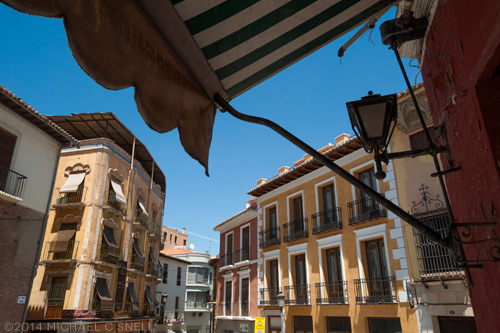
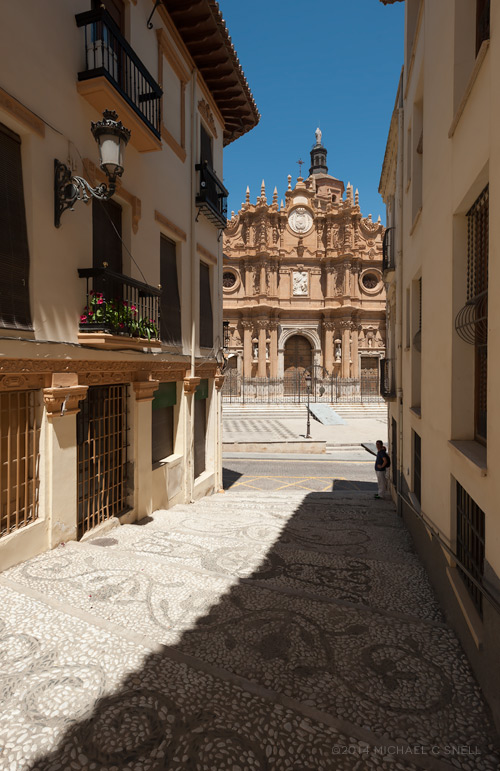
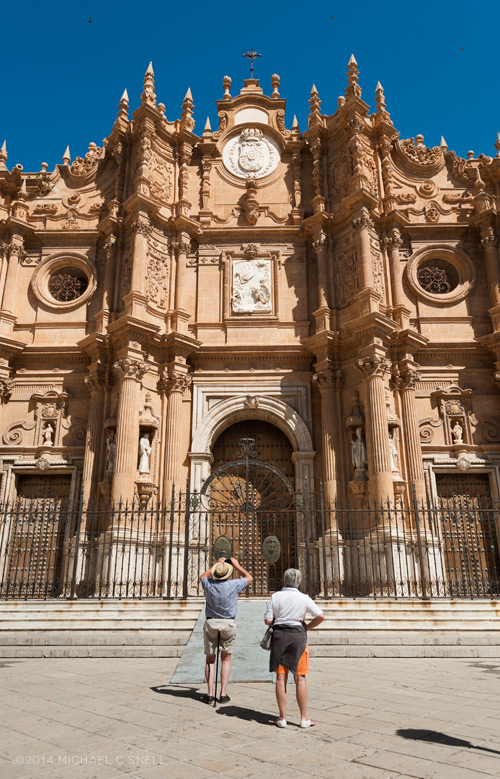
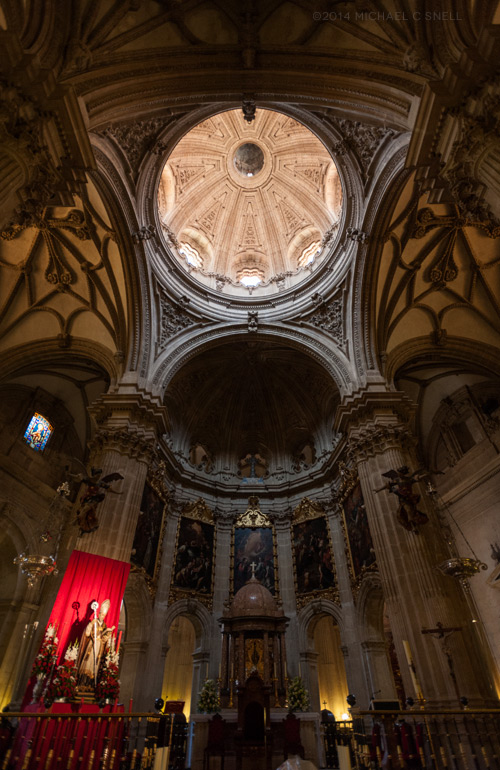
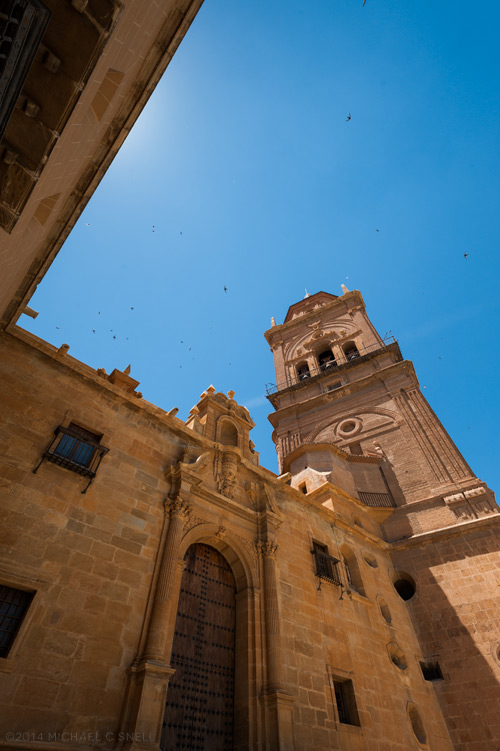
Back in the center of town, the contrasts continue with a beautiful, historic district that sits more typically above ground. Perhaps the highlight of this part of the city is the stunning, baroque-style Cathedral of the Incarnation.

140706guadix07_sotc

140706guadix01_sotc

140706guadix08_sotc

140706guadix09_sotc

140706guadix10_sotc

Almuñécar, Spain, on the Tropical Coast

140630almunecar01_sotc

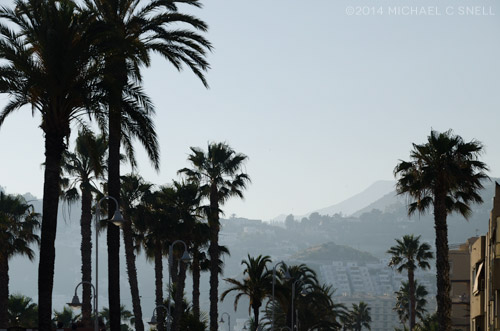
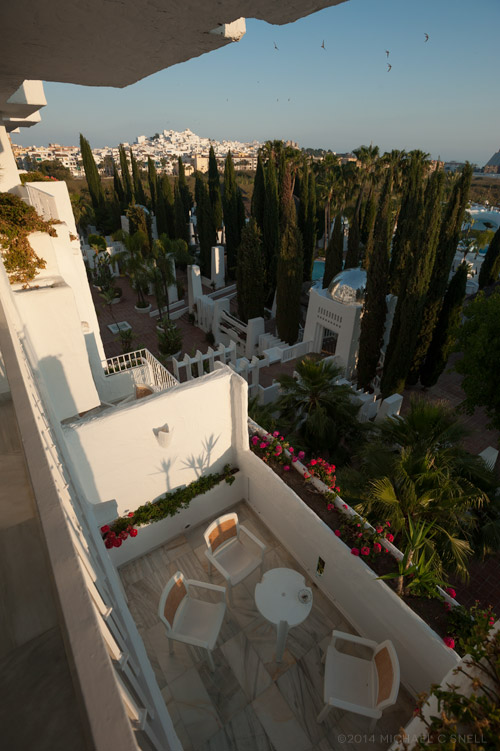
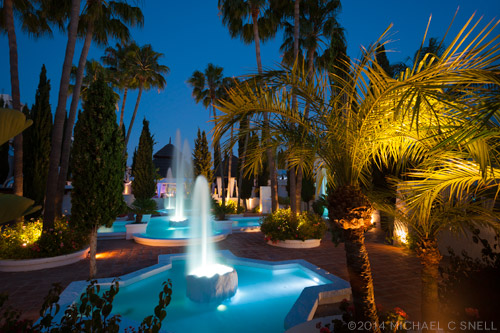
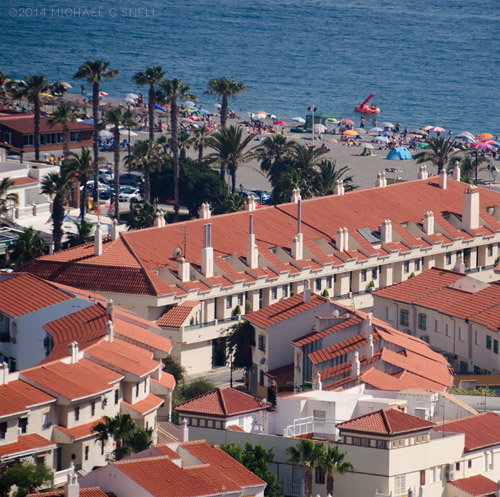
Almunecar, Spain, sits on the Mediteranean Sea, fringed with palm trees. At first glance, it seemed the kind of place I could have spent a lot of time. Happily. We’d had a busy day along the Tropical Coast, however, and we were running a bit late. Sunset was not far off when we arrived in town. I had mapped out a couple of promising looking spots on the beach to photograph the last light and I was rushing to get checked in to the Hotel Suite Albayzin del Mar. The hotel is a spectacularly mirrored palace with sprawling gardens. When I was given my room key, it came with an elevator number, a floor number and the room number. It seems that each elevator only served about four rooms per floor and there weren’t connecting hallways beyond that. When I arrived at my room, I realized the elevator was not the only thing special about this hotel.

140630almunecar02_sotc

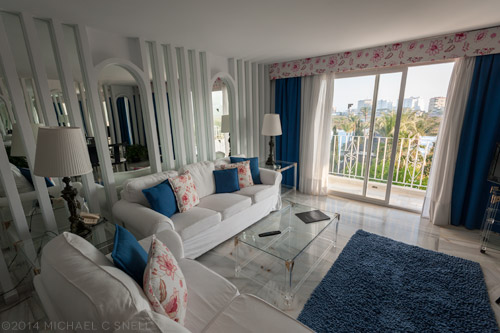
The rooms — no, suites — were enormous. This is just the living room half of my main room with a full dining area to the right, out of frame. I opened one door, expecting to find the bathroom and realized it was a full kitchen, with an extension that served as a laundry room. Another door led to a hallway opening onto a bath and two bedrooms. All along the sea-side of the room was a balcony. I dropped by bags and rushed out to assess the situation regarding the remaining light.

140630almunecar03_sotc

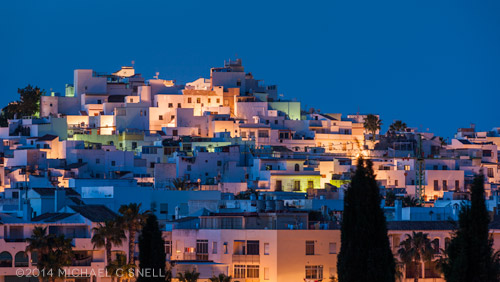
Out on the balcony, the view to the old town was stunning, as were the pools, fountains and gardens of the hotel property.

140630almunecar04_sotc

Looking west, I could see that the sun was already dipping behind a hill, so my time with any remaining sunlight was very limited. I decided to ditch my plans to head for the beach, and I made an executive decision to make what photos I could from the balcony and other parts of the hotel property.

140630almunecar05_sotc

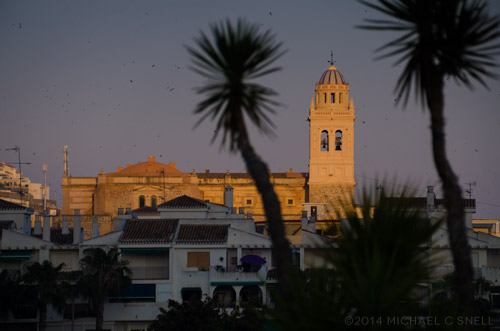
As it turned out, I didn’t feel overly limited in subject matter. I loved this view through the trees of the old church catching the last rays of the sun. That was made from a raised area above and behind the pool seen below.

140630almunecar06_sotc

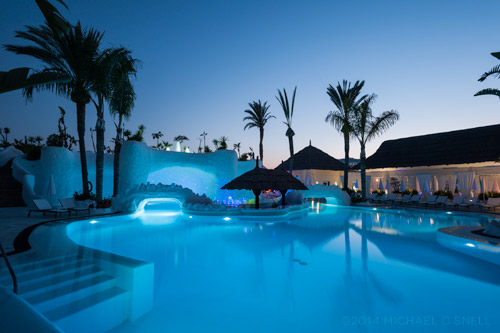
The pools themselves were amazing. This one had a sunken bar in the middle and a grotto filled with twinkling lights.

140630almunecar07_sotc

I dashed around the property taking time-exposures on the tripod until the light failed and my battery was dead. It wasn’t the evening that I had expected, but it was a productive one and I had enjoyed myself immensely.

140630almunecar08_sotc

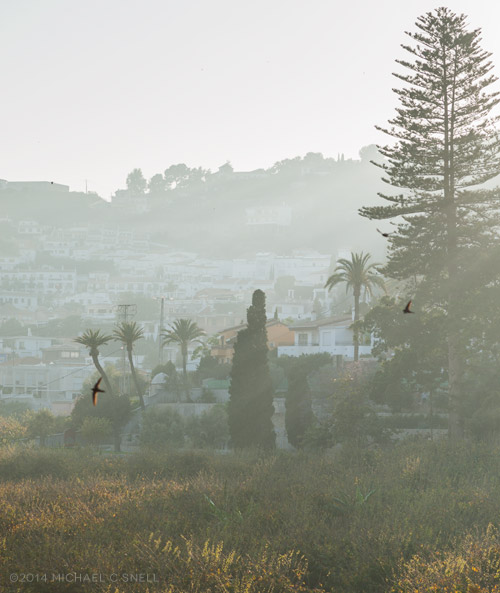
The next morning I was up before sunrise and caught some more beautiful views of the old city to the east of the hotel. Not long after, I was back in the van and headed to the next town.

Spain’s Tropical Coast

140627rum_sotc

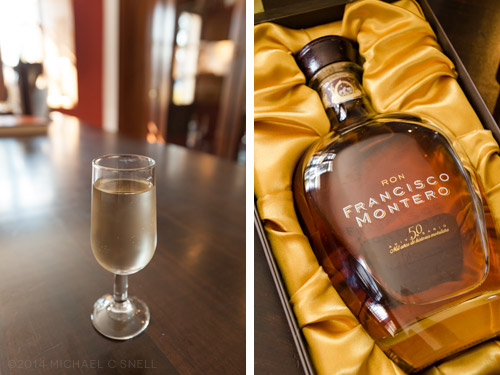
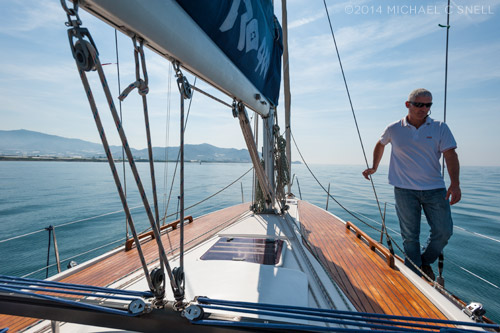
This may be difficult for some of you to read, but I’m not looking for sympathy. The truth is that my career path sometimes requires me to start the day with a rum tasting in the south of Spain and then spend the remainder of the morning on a sailboat in the Mediterranean before having a banquet of fresh seafood on the beach. It’s an uncomfortable truth. I could have been an accountant, but this job needed to be done and I felt I could handle it. I’m not complaining.

140627boat02_sotc

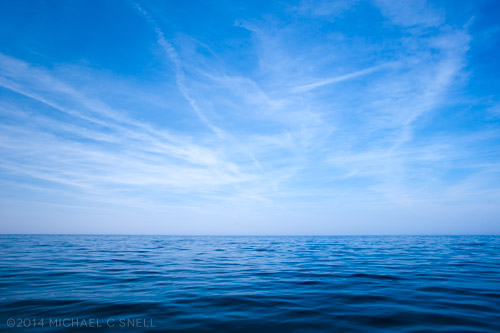
The blue Mediterranean off the coast near Motril, Spain.

140627boat01_sotc

140627boat04_sotc

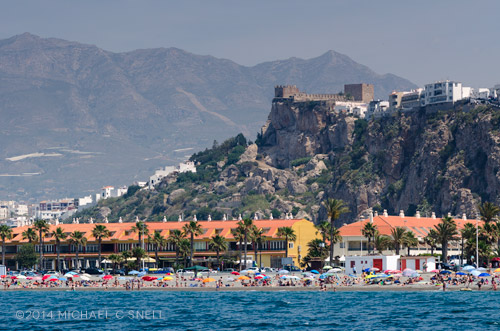
Sailing past Salobreña, with its 10th-century Moorish castle rising up behind a beautiful beach where we were soon to have lunch overlooking the sea.

140627coast01_sotc

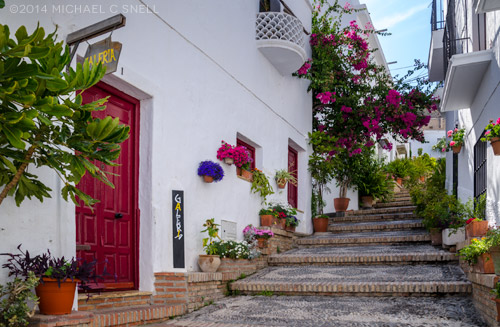
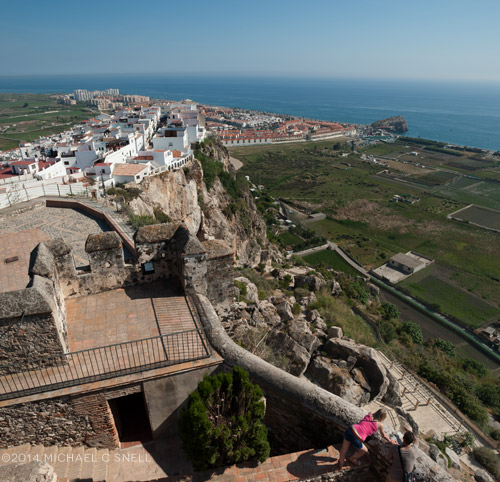
After lunch, it was a trek up the winding streets and steps of Salobreña’s old town to reverse our view and see the Mediterranean from the Moorish castle.

140627coast04_sotc

140627coast05_sotc

140627coast03_sotc

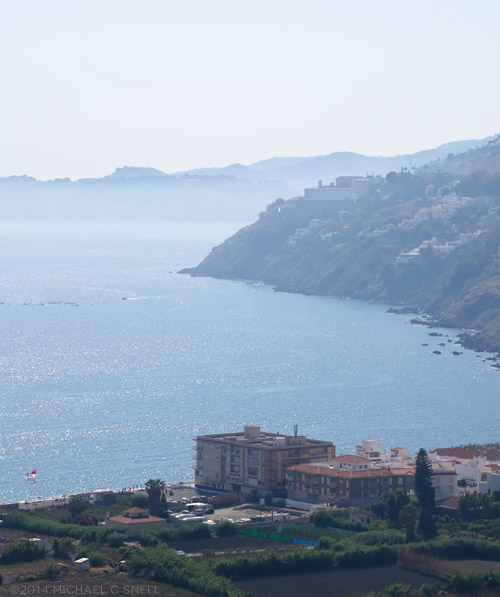
Looking further west down the coast toward Almuñecar, our stop for the night and the subject of my next post.

The Alpujarra, Andalusia, Spain

140623alpujarra01_sotc

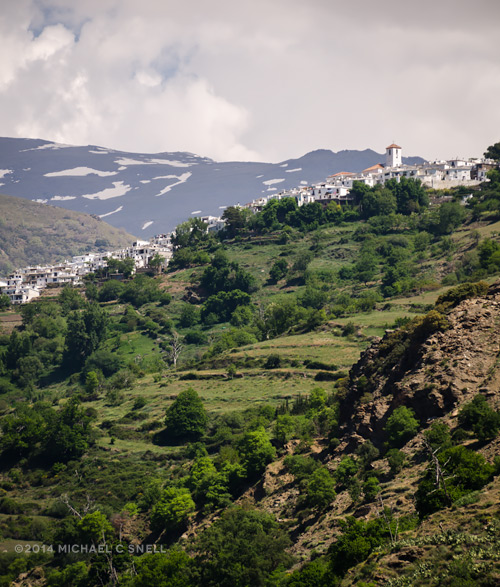
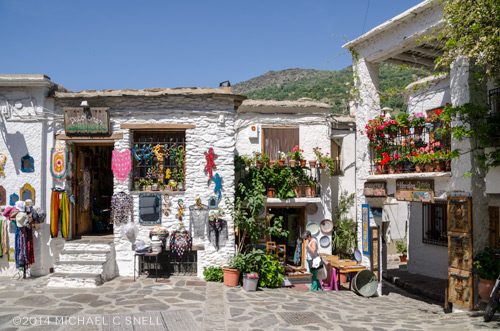
Leaving Granada, Spain, and heading southeast, the roads twist and turn their way through the Sierra Nevada in a region called “the Alpujarra.” If you’ve read the book, “Driving Over Lemons,” by Chris Stewart (former Genesis drummer) it is set in this area. The view above is the town of Capileira, seen from the neighboring town of Pampaneira. Ruggedly beautiful, many of these small towns now embrace tourism through outdoor activities. Plenty of quaint restaurants and shops have sprung up in response.

140623alpujarra02_sotc

140623alpujarra03_sotc

140623alpujarra04_sotc

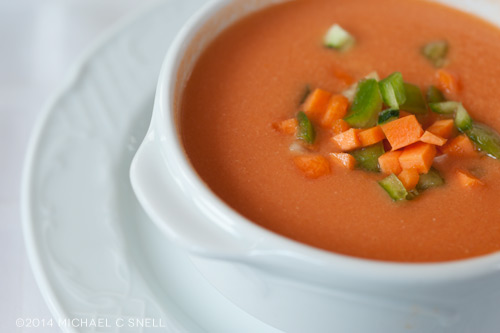
I believe this was my first proper bowl of gazpacho, served to me in a restaurant located in the old blacksmith’s shop in Trevelez.

Backtracking toward the main highway that would lead us south to the Mediterranean, we stopped for the day in the spa town of Lanjaron, where I passed on the opportunity to get a full spa treatment in order to take advantage of a walking tour of the town led by a local guide. No regrets on that decision as the tour was one of those great small town experiences that included an impromptu tour of our guide’s own home and a surprise meeting with the local undertaker (thankfully just a casual meeting!). A few shots from my walk:

140623lanjaron01_sotc

140623lanjaron03_sotc

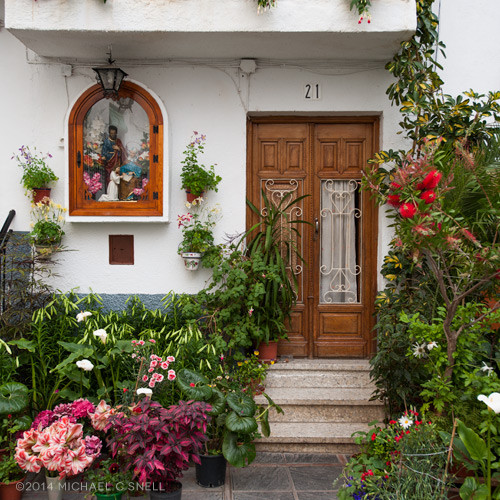
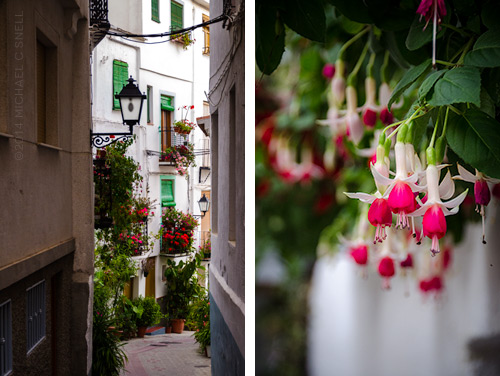
Flowers everywhere.

140623lanjaron02_sotc

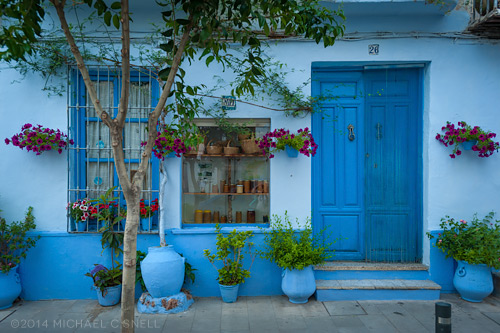
One blue house in Lanjaron. I don’t know why it — and it alone — was so blue, but I loved it.

140623lanjaron05_sotc

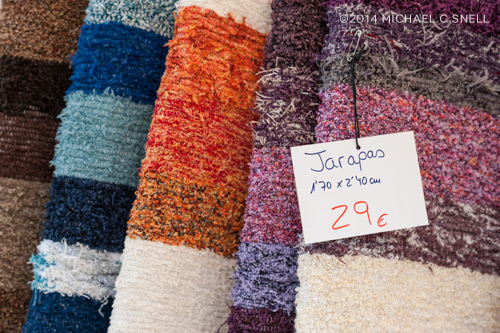
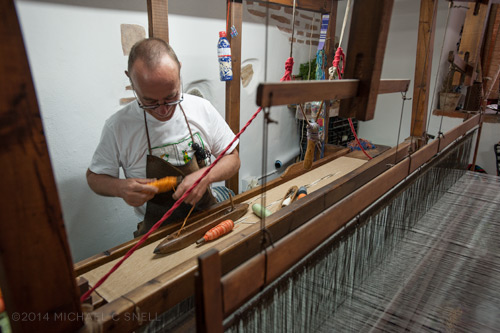
A proud weaver invited us inside his shop to see how his loom worked.

140623lanjaron04_sotc

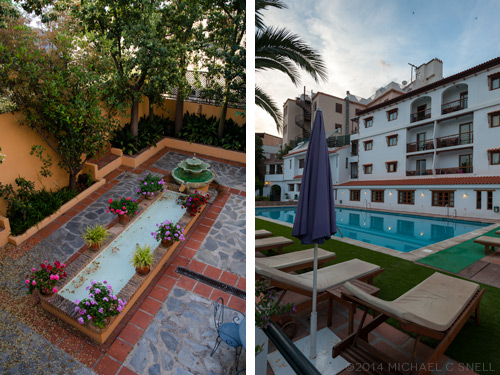
The tour ended at our hotel for the night, the beautiful family-run Alcadima Hotel — which I would recommend to anyone planning to visit this area. I had a very comfortable room with a balcony and the grounds were beautifully landscaped. We were even treated to a private guitar performance after dinner while drinking a local lemonade made by the owner. An unforgettable evening.

140623lanjaron07_sotc

140623lanjaron08_sotc

140623lanjaron06_sotc

Granada, Spain

140618granada02_sotc

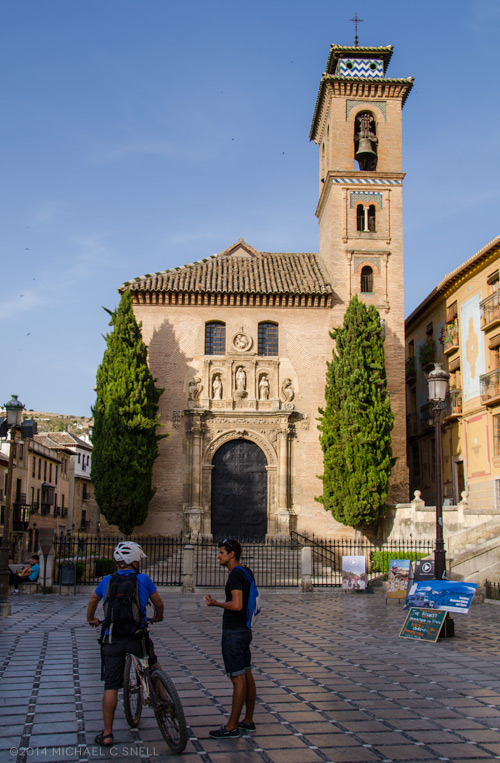
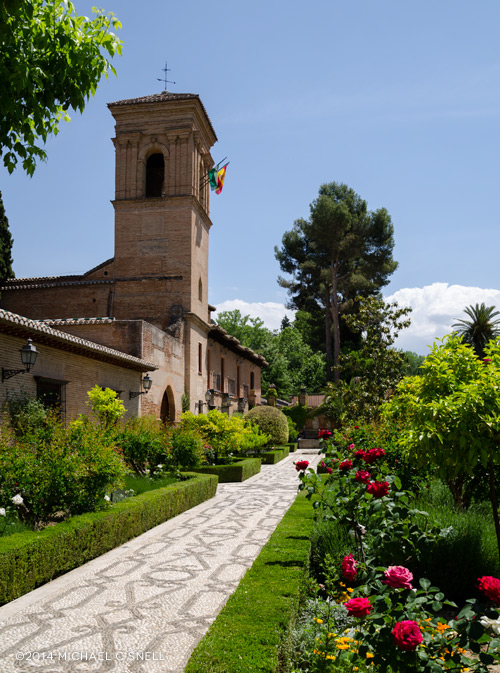
I’ve been going on and on for the last three posts about the Alhambra, but there’s really much more to see in Granada, Spain. In this post, I’ll share a few other random images from various spots around the rest of the old town. Above is the Church of Santa Ana just off of the Plaza Nueva. Next is the Parador de Granada — and amazing place to stay with an unbeatable location right in the midst of the Alhambra:

140618granada08_sotc

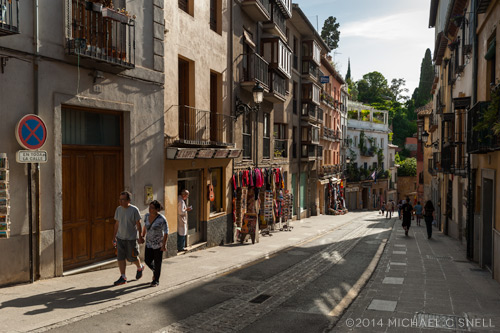
I got to know this next street well. It’s the transition between the pedestrian path down from the Alhambra  and the old town:

140618granada01_sotc

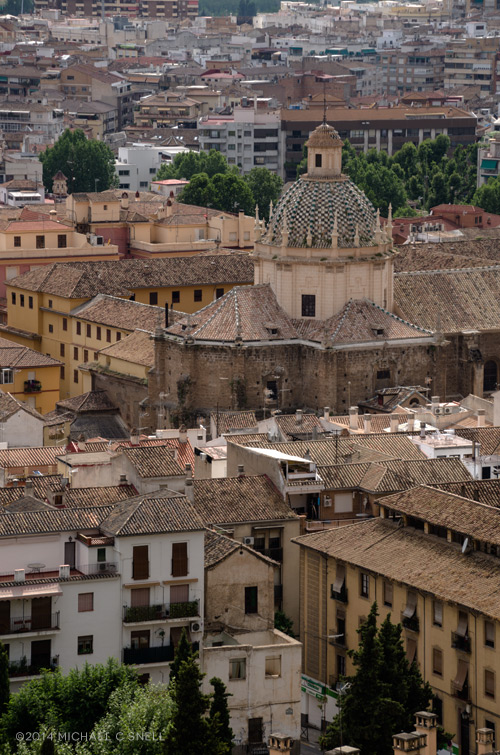
The dome of the Church of Santo Domingo:

140618granada04_sotc

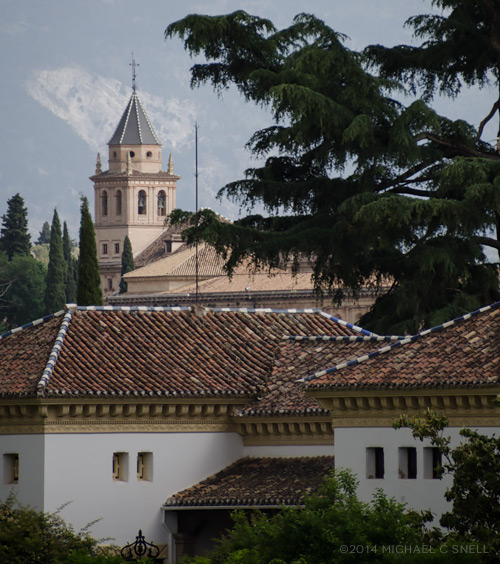
The spire of the Church of Santa Maria de la Encarnacion of the Alhambra:

140618granada05_sotc

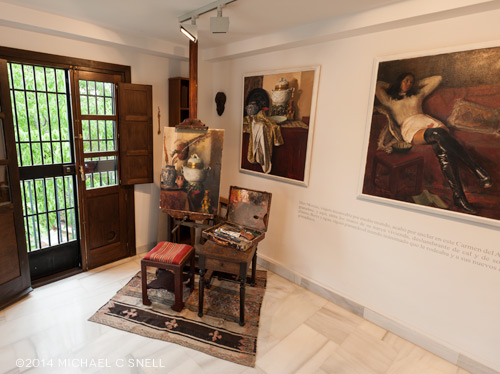
The studio of painter Max Moreau, now a museum:

140618granada06_sotc

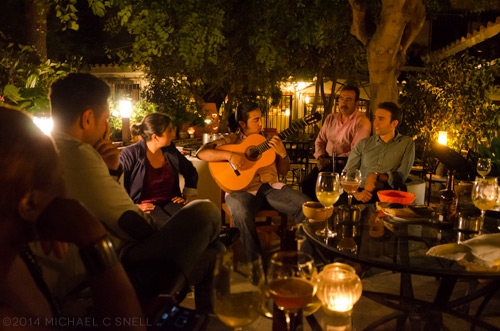
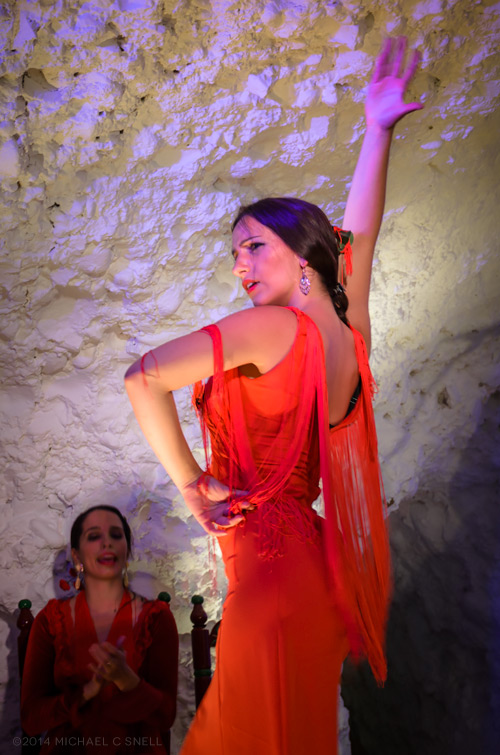
And no trip to Granada would be complete without a night of flamenco. This photo was taken at El Templo del Flamenco:

140618granada07_sotc

Alhambra exteriors

140617alhambra_sotc

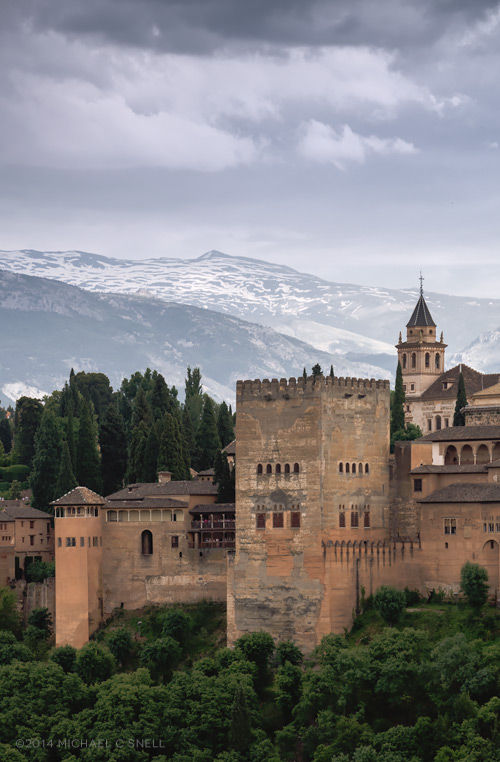
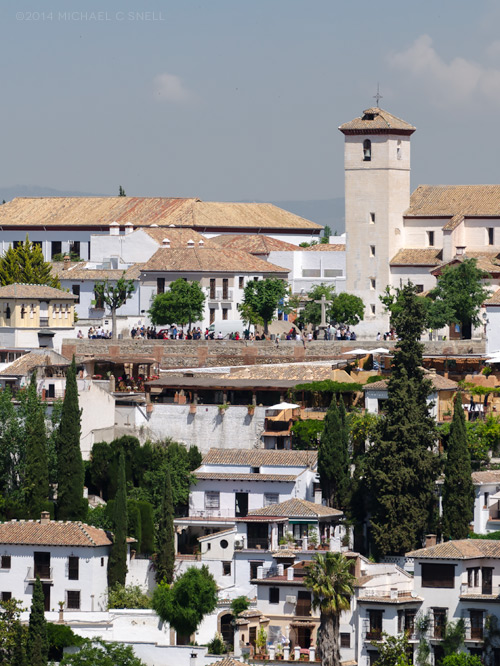
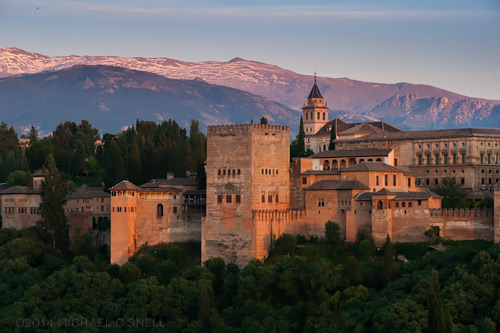
After two visits inside the Alhambra in Granada, Spain, it was time to get some exterior views. The Alhambra has a stunning setting on a hillside above the city with the Sierra Nevada mountains rising behind. Surprisingly, the view is blocked from many of the narrow streets of the Albaicin district, which is situated just across the valley. There are, however, a few spectacular public viewpoints. One of the best — and busiest — is the Plaza of St Nicholas. You can see it in the following photo, taken from a balcony on the Alhambra:

140617granada01_sotc

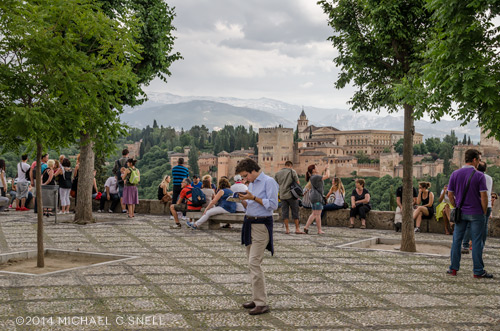
The white tower is the Church of St Nicholas and the plaza can be seen in front of it — where all of the people are gathering. It seems to always be a busy spot, but especially around sunset as I found out on a second visit a few days later. The first time I arrived on the plaza it was nearly noon and it was still fairly bustling.

140617alhambra02_sotc

The sun was high and there were dense clouds on this day, so when we returned to Granada after a few days of exploring the Tropical Coast, I took advantage of a couple of free hours to re-visit the plaza to catch sunset. The crowds were much thicker but I managed to stake out a spot with my tripod, right along the wall and I captured this view of last light:

140617alhambra03_sotc

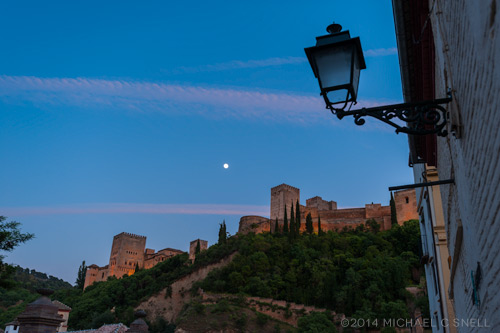
I’ll leave you with one more glimpse — the last that I had of the Alhambra as I made my way back down the narrow streets of the Albaicin on my way back to my hotel. I came to a small plaza with this view of the fortress palace just after the lights had come on and the sun was tinting the contrails pink. Not a bad way to say goodnight to an amazing piece of architecture, and history.

140617alhambra04_sotc