Category Archives: tourism

Camino: to the End of the World

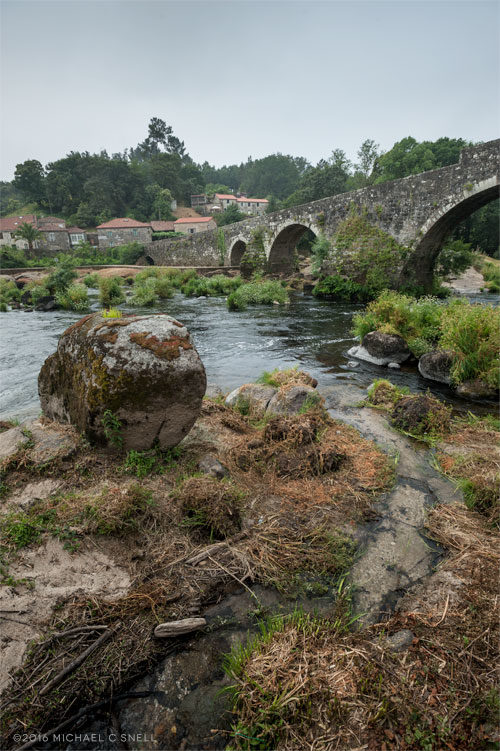
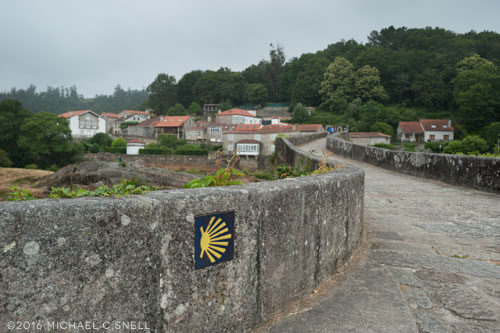
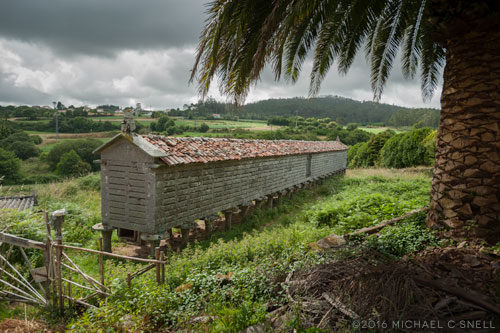
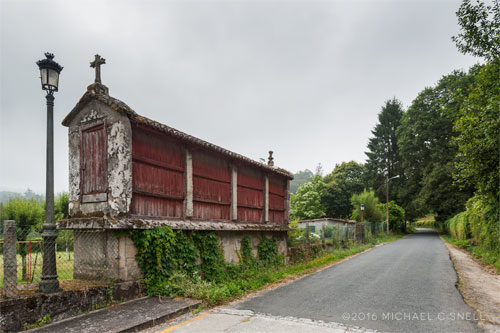
On my last day of exploring the Camino de Santiago as it travels through Galica, Spain, I felt like I really began to see the Galicia that I had imagined: the misty, green country that hugs a rugged Atlantic coastline. And stone hórreos everywhere — those built-for-all-time granaries that I had also longed to see. This one was at one of our first stops of the morning, Ponte Maceira, where there was also an ancient stone arch bridge marked with the scallop shells that show the pilgrims the way.

Another hórreo in the Galician countryside:

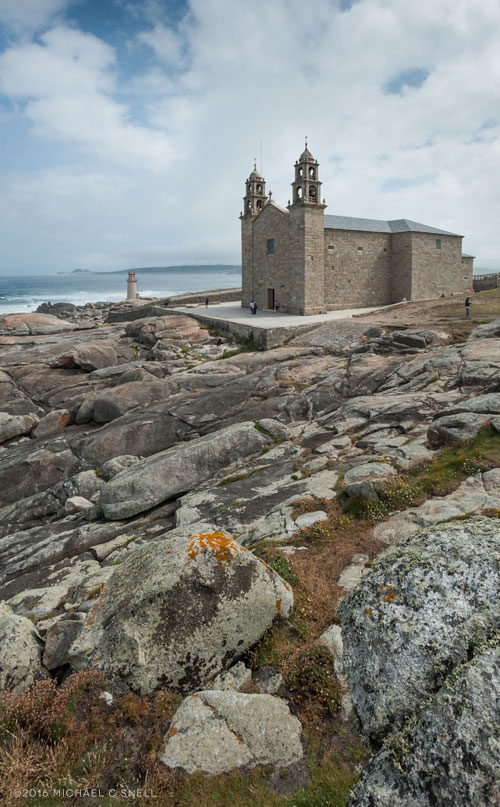
And then we came to the Atlantic. The Nosa Señora da Barca (Our Lady of the Boat) Church in Muxia has to be one of the most spectacularly situated buildings I’ve ever encountered. On days of rough seas I was told that the surf actually crashes through the church’s doors.

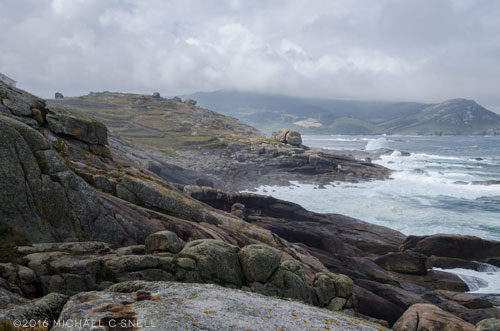
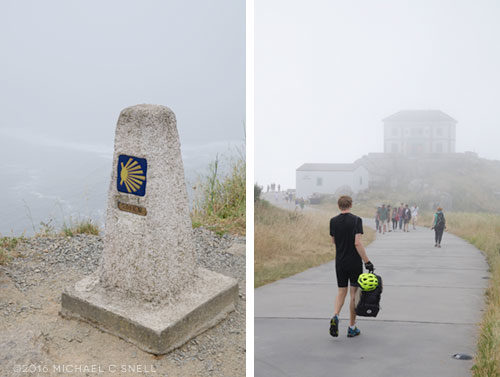
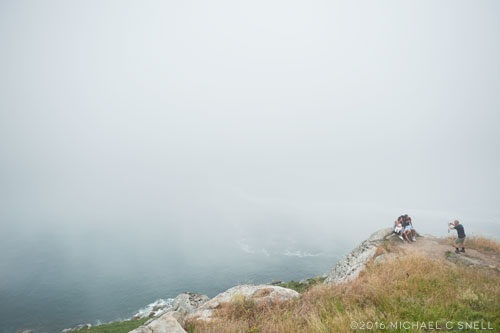
This is my kind of coastline. I know most prefer a sunny beach, but this is the kind of place that I could spend hours. But we had one more stop — Cape Finisterre, “the end of the world,” and the 0-mile mark for those pilgrims that continued on past the cathedral in Santiago de Compostela. You can’t continue further west from here on foot, that’s for certain.

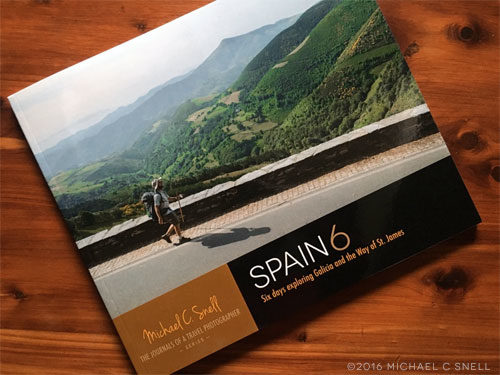
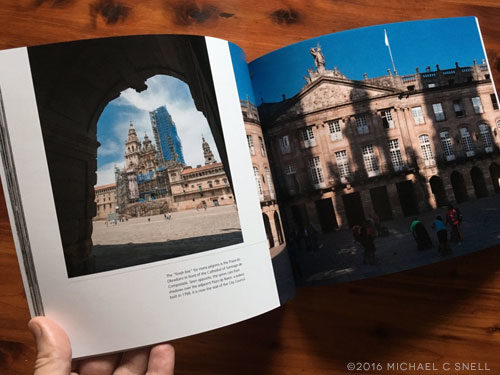
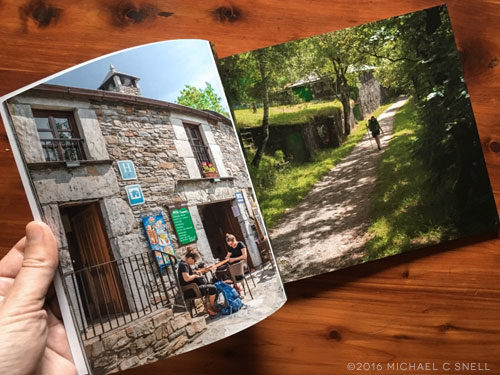
Many of the images that have appeared in my recent posts on the Camino — and many not shown here — appear in my latest addition to the “Journals of a Travel Photographer” book series, “Spain 6: Six days exploring Galica and the Way of St. James.” Here are a few snapshots of the book. You can see a larger preview and order copies over at my Blurb bookstore. I hope you enjoyed the journey!

The Camino, part 2

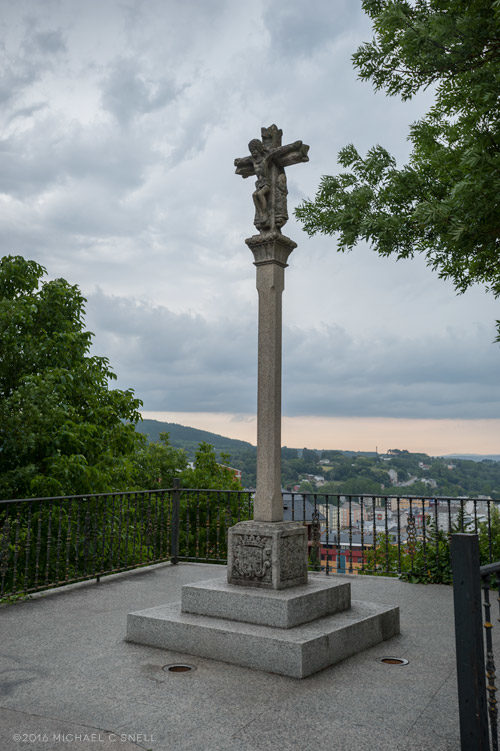
After exploring Samos, it was on to Sarria, Spain, as I followed the route of the Camino de Santiago as it crosses Galicia. Above is the cruceiro, or stone cross, in Sarria — one of many that mark the route to Santiago de Compostela.

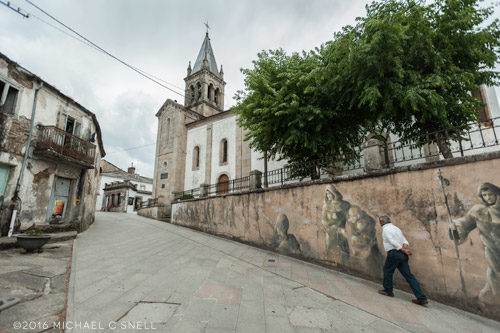
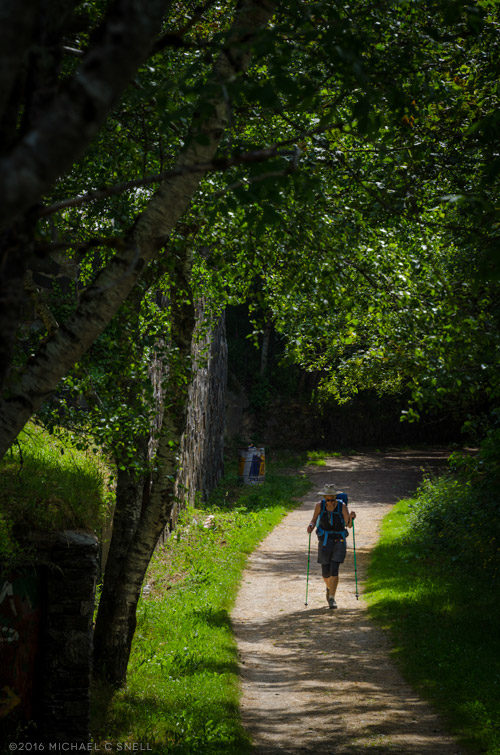
It was lightly raining when I arrived in Sarria, but I still took advantage of the opportunity to walk the Camino for a short distance to get a better feel for the route at a human scale.

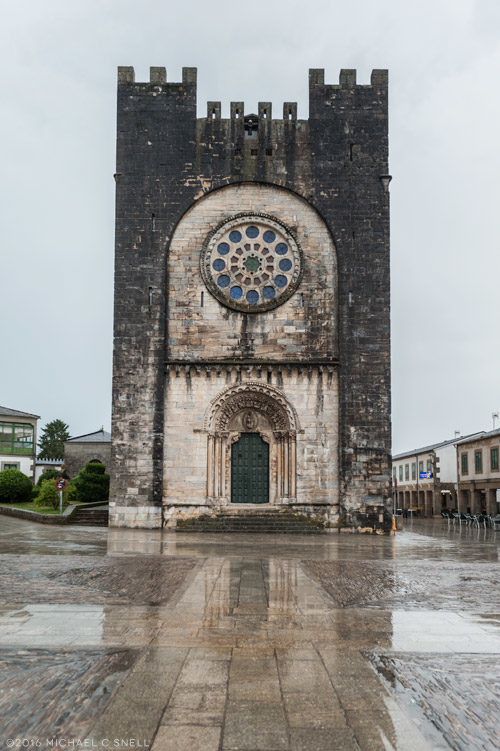
The rain was coming down a bit harder as we arrived at the next stop, the Church of San Xoán (or Saint John) in Portomarín. This fortress-like church was moved piece by piece to higher ground when the Belesar reservoir was built in the 1960s so that it wouldn’t be lost when the waters rose.

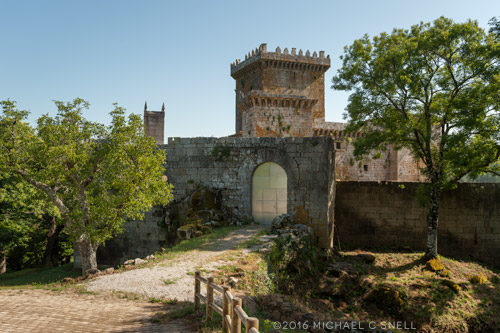
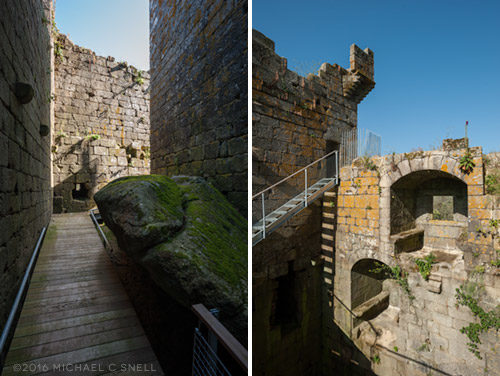
The following morning we continued along the route, making our first stop at the 14th century Pambre Castle, one of the best preserved medieval fortresses in Galicia. It is currently being restored.

In the next post, we’ll explore the last stretch of the French Way and visit the Cathedral of Santiago de Compostela.

The Camino – the French Way

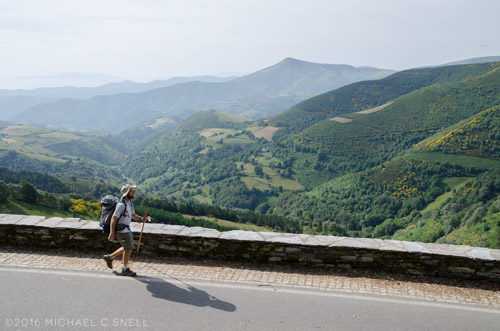
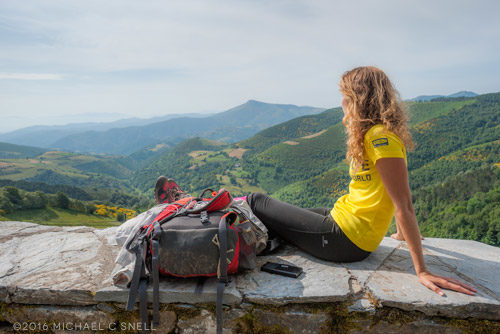
My first full day in Spain’s Galicia region began where pilgrims first enter Galicia when taking the French Way route of the Camino de Santiago. If they started on the French side of the Pyrenees mountains, they have already walked (or biked, or ridden horseback) hundreds of miles. The view from the entry point at O Cebreiro is quite a reward:

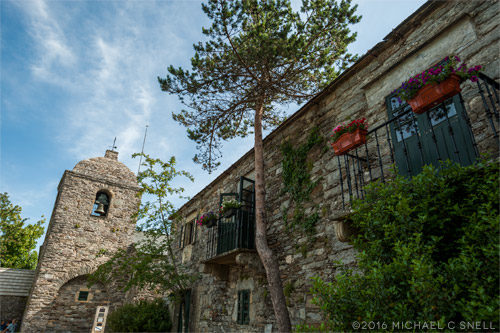
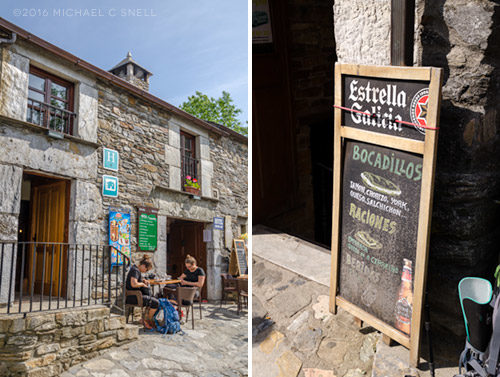
The small village is home to the Church of Santa María la Real (above) and provides services for pilgrims to rest, grab a sandwich, spend the night, and just enjoy the welcoming view of this green corner of Spain.

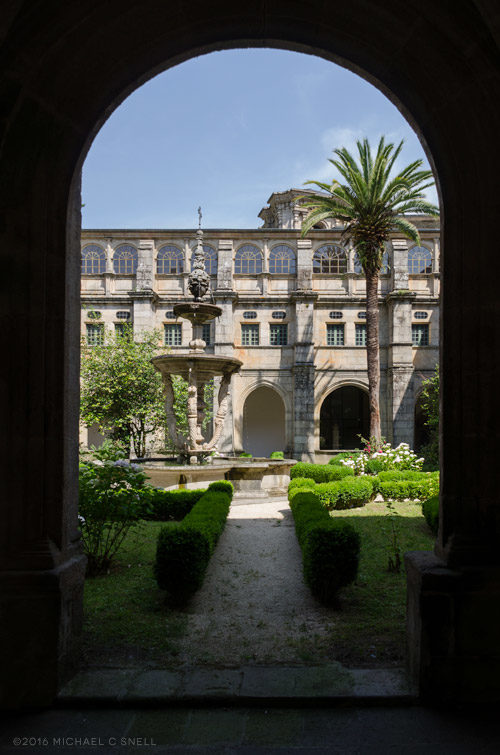
Next stop for me was the Monastery of St Julian of Samos. The building burned in 1558 and again in 1951 but was rebuilt both times and remains an active Benedictine monastery.

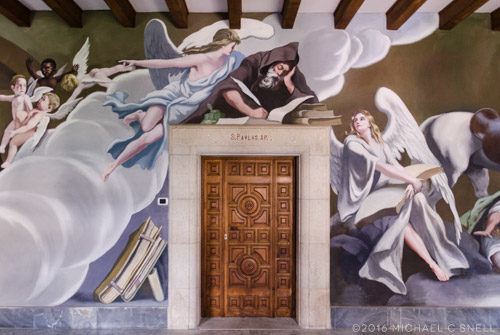
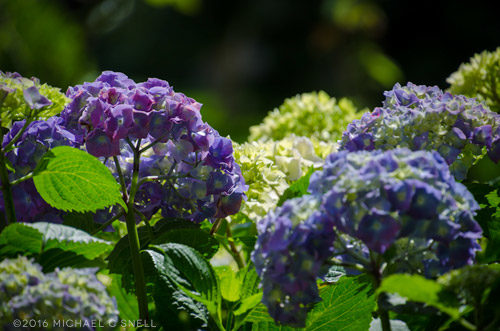
The hallways are covered in murals painted in a variety of styles and the gardens, at the time of my visit in July, were filled with blooming hydrangeas.

In the next posts, we’ll visit the town of Sarria and several other important sites the road toward Santiago de Compostela.

Galicia, Spain and the Way of St. James

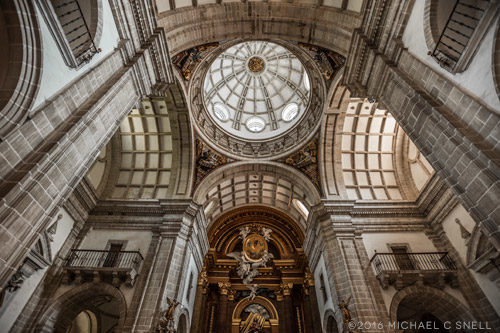
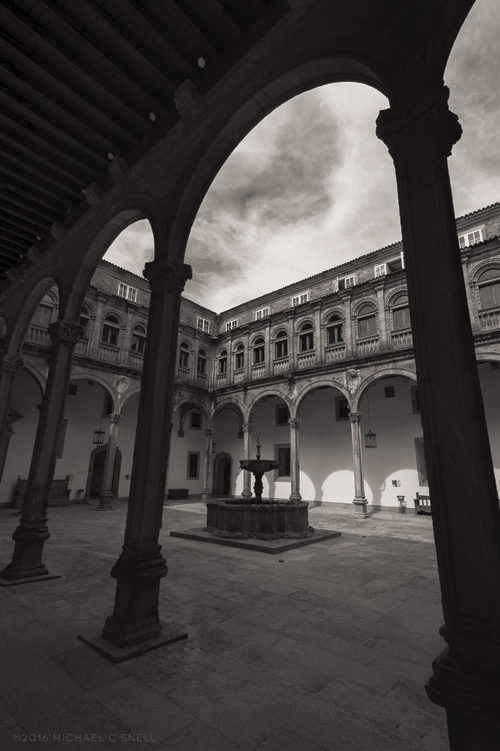
I had a fairly busy year of travel photography in 2016 and I’m still trying to get caught up with processing everything and keeping my stock agencies fed. I’ve also been working on another of my “Journals of a Travel Photographer” books — this one on my trip to Galicia, Spain, in July of last year. It’s nearly finished up, but I thought I’d share a few images while I’m going through proofing, etc. Not all of these images will be in the book. Some are ones I ran across while doing the initial edits and I just didn’t have room for them. Case and point, the image above of my hotel for the first few nights, the Parador de Santiago de Compostela.

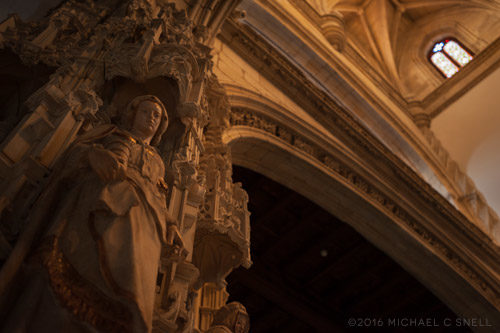
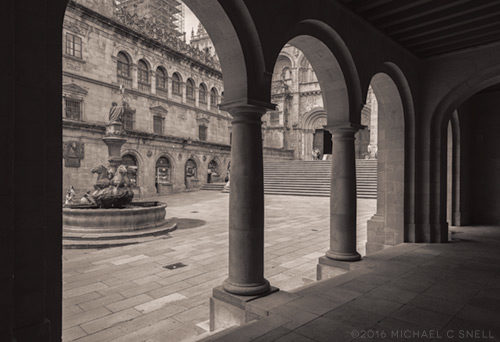
The shot above is from the chapel located within the Parador and the one following is a scene from one of the squares that surrounds the Cathedral, located adjacent to the hotel.

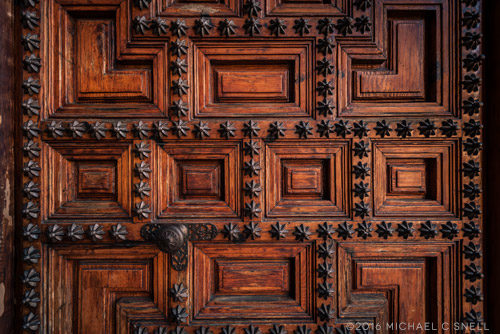
And that’s one of the massive front doors to the Parador. These are a few images I made just after arriving in Santiago de Compostela. In the following days I would explore the Galician sections of several pilgrimage routes known as the Camino de Santiago, or the Way of St. James. It was an amazing trip to a part of Spain I’d been wanting to visit for quite a while. I’ll share more in the next few posts, starting with the French Way as it crosses the border of Galicia and makes its way toward Santiago de Compostela.

Birding in Extremadura, Spain

Spain is a great place for anyone with an interest in birds and Extremadura’s birdwatching fair, FIO, will be held from February 24 through 26 this year. I was fortunate enough to get to attend the 2016 event last March and I had a great time. While I’m no bird expert, I do enjoy photographing a wide range of subjects — birds included — and it’s always great to hang around with a bunch of people who are passionate about something. Plus, spending a great deal of time in the Extremaduran countryside ain’t bad either. For those unfamiliar, Extremadura is a beautifully wild region of Spain lying west of Madrid and east of Portugal.

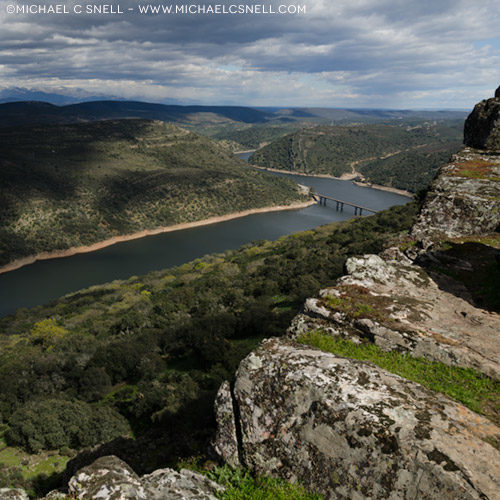
We started our bird-watching experience at the Castillo de Monfrague in Monfrague National Park, which offers panoramic views and a great platform for watching the large raptors that inhabit the area.
170103birding01_sotc

Much of the surrounding landscape is what is called “dehesa,” a kind of pastureland with widely dispersed trees — typically oak. The overhead view provided by the Castillo’s high perch helps illustrate what it looks like:
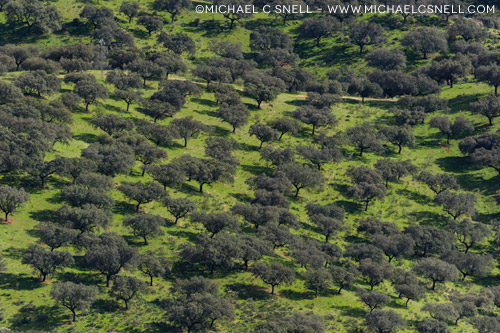
170103birding02_sotc

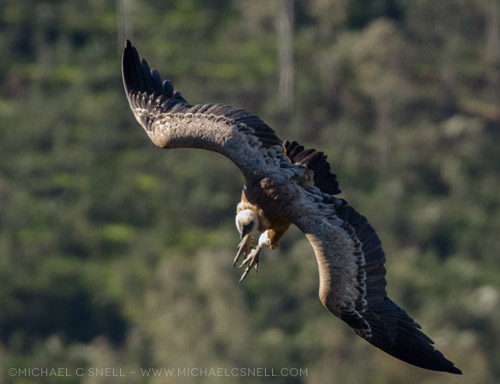
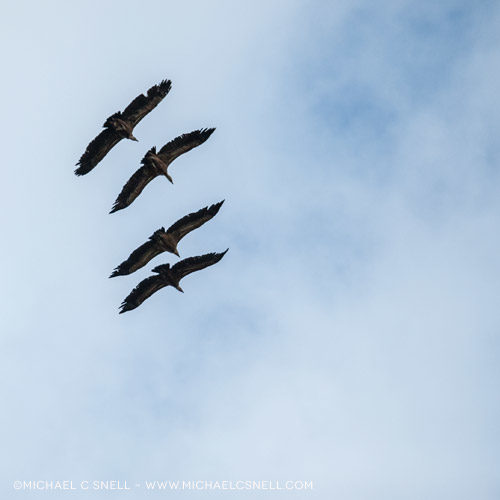
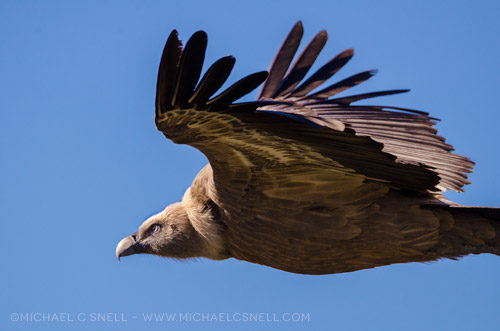
As the air begins to warm in the morning, various large raptors — including Griffon Vultures — begin riding the thermals. Again, the castle provides a perfect viewing platform as they spiral upward and overhead. I had the opportunity to photograph them from below, from eye-level, and from above as they would swoop back down to their nests in the cliffs below.
170103birding03_sotc

170103birding04_sotc

170103birding05_sotc

As large and close as these birds were, I was still happy to be testing out the then-new Tamron 150-600mm lens. A second generation has since been released, but I found little to fault with my original version and I especially appreciated the Vibration Control that allowed me to hand-hold all of these shots.

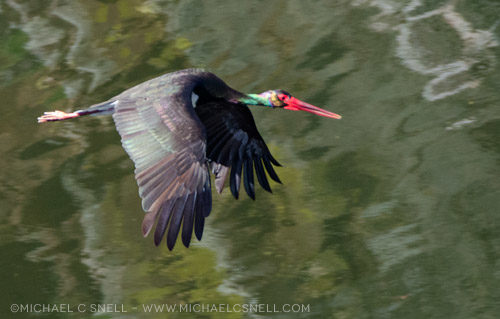
Down in the valley, we also spotted Black Storks. I can’t think of many creatures I’ve seen that look more prehistoric than these colorful birds.
170103birding06_sotc

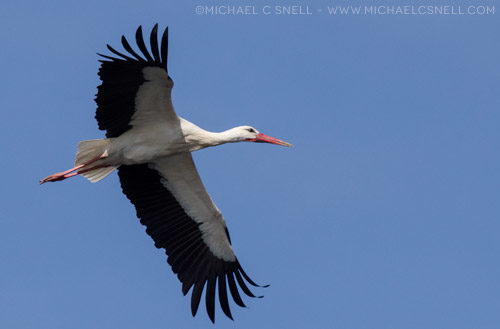
And, of course, we would see plenty of White Storks as well. These inhabit nests found on many of the rooftops and chimneys in Extremadura and are hard to miss due to the clattering sound they make with their bills.
170103birding12_sotc

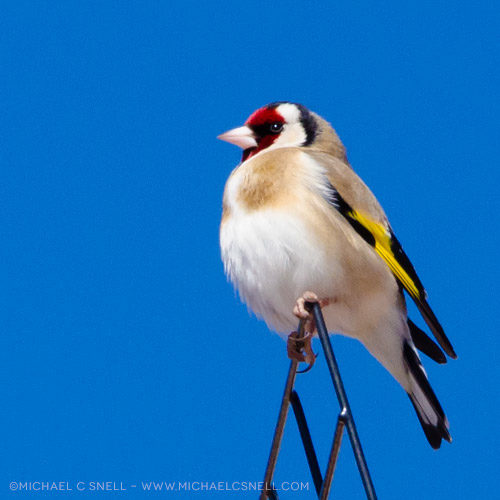
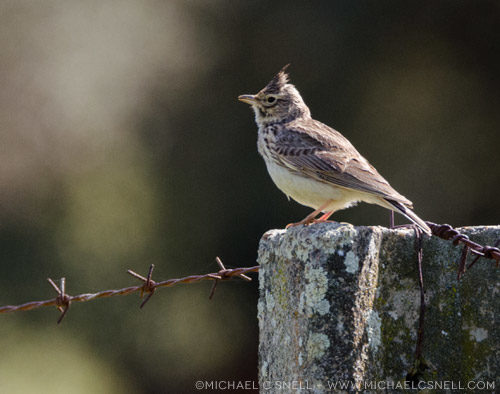
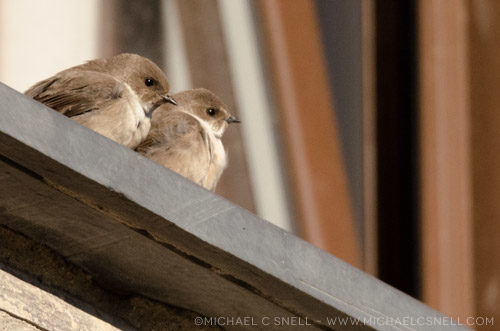
Not all of the birds were large. There were also plenty of smaller varieties, too. Below are a Thekla Lark, a pair of Crag Martins, and a European Goldfinch. I hope I have these names right — if not, it’s no reflection on my very knowledgable guides but my own inability to retain information!:
170103birding10_sotc

170103birding07_sotc

170103birding08_sotc

To be honest, the smaller birds were much harder to capture at the pace at which we were traveling. Their movements were much swifter and it is really best to wait out in a spot and let them come perch near you. Still, we managed to log quite a few different species as we roamed the countryside.
170103birding13_sotc

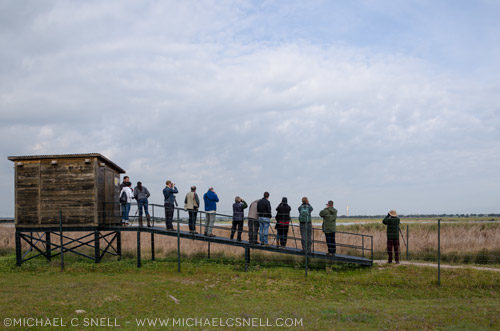
That’s a few of our gang of birders, photographers, and birding tour operators on the lookout for the next bird-of-interest. I truly enjoyed hanging out with these folks and learning more about the birding opportunities in Extremadura. The fair (FIO) comprises a sort of “tent village” with stands that feature information about birding in the area, gear for birders and even birding-related arts and crafts. There was a very impressive show of bird photography as well. It’s a great event for those with such an interest.

I’ll never see the landscape of Extremadura in the same way again, now that I know that it is home to so many diverse species of birds. I now notice that the sky is seldom empty in this part of Spain and my eyes will continue to glance upward to see who is overhead. I’ll leave you with one more landscape shot of the region we were exploring, and I’ll follow with a post about some of the villages we encountered along the way.
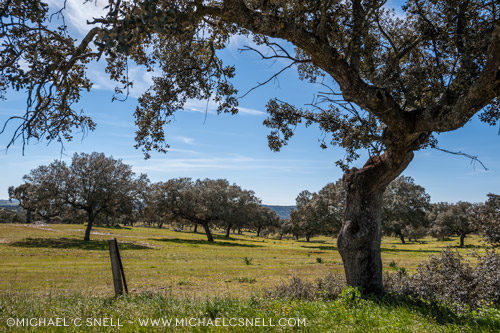
170103birding11_sotc

Giant Pandas, a giant lunch, and a giant Buddha

150929panda02_sotc

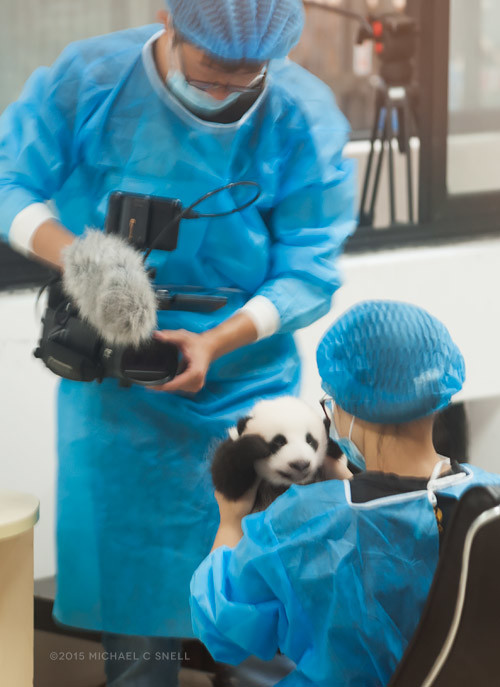
My next-to-last day in the Sichuan province of China was a big one. Giant, even. It started with a trip to Chengdu’s Research Base of Giant Panda Breeding where I got to see everyone’s favorite living plush dolls. The babies were especially cuddly, but were unfortunately kept behind glass and visitors were ushered past fairly quickly as they were being fed their breakfasts:

150929panda01_sotc

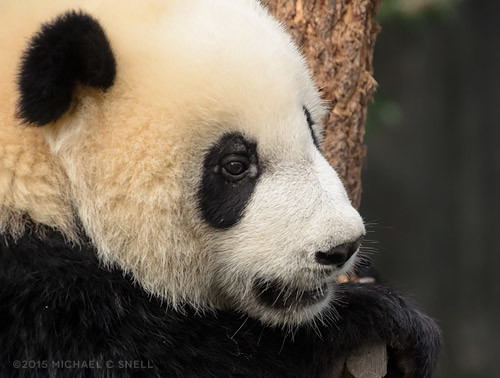
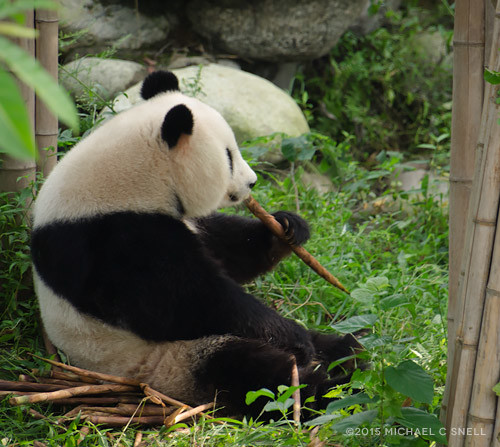
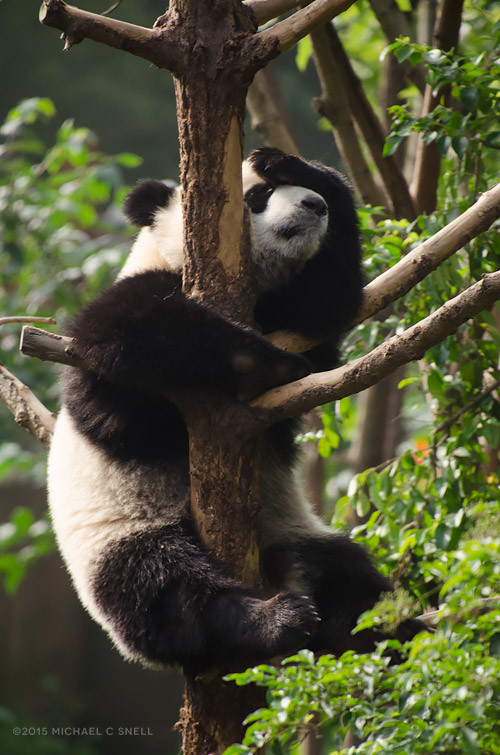
The bigger fellas were all busy eating or hanging out and napping in trees:

150929panda04_sotc

150929panda03_sotc

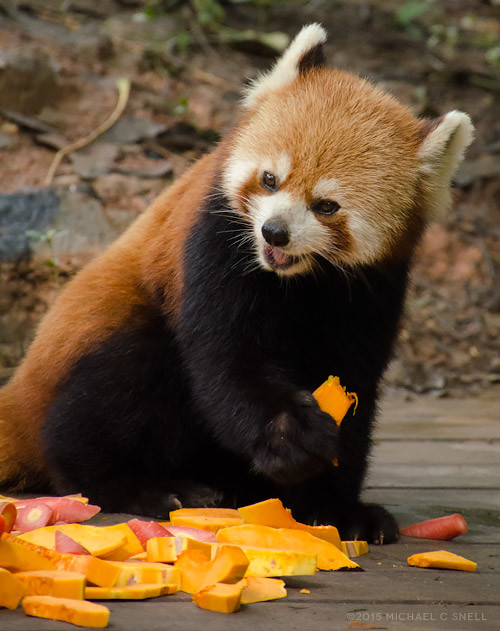
There were also Red Pandas in attendance:

150929panda05_sotc

Hard to watch all those critters eat without getting a little famished yourself so, after a decent drive to Leshan, lunch was our first stop. We’d had a lot of buffet meals on this trip so it was nice to have a more traditional meal (although we still didn’t order for ourselves — come to think of it — I don’t think we ever did). Several items were brought out, including:

151022rolls_sotc

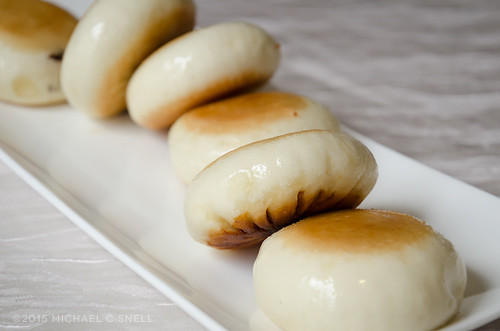
some kind of a hot bun filled with a melty, brown-sugary filling that was simply amazing,

151022barbecue_sotc

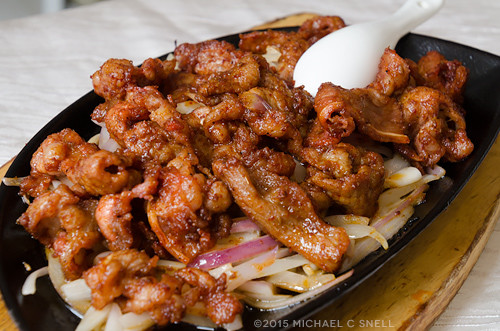
barbecued beef,

151022kungpao_sotc

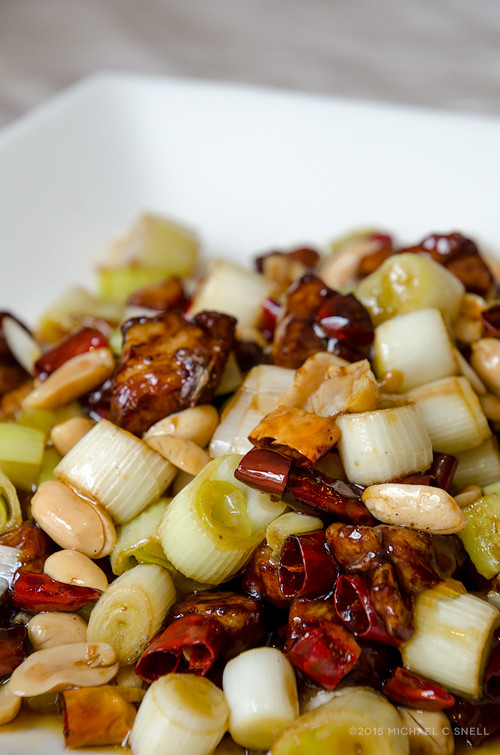
Kung Pao chicken (I was surprised to find out this was an actual thing in China and not an American invention akin to the fortune cookie),

151022sweetsour_sotc

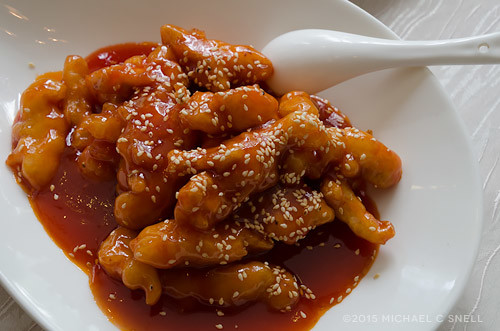
and a sweet and sour chicken that was much more complex than anything I’ve ever encountered in a Chinese restaurant in the States. I think this may have been my favorite meal of the trip and I stuffed myself accordingly.

151022leshan01_sotc

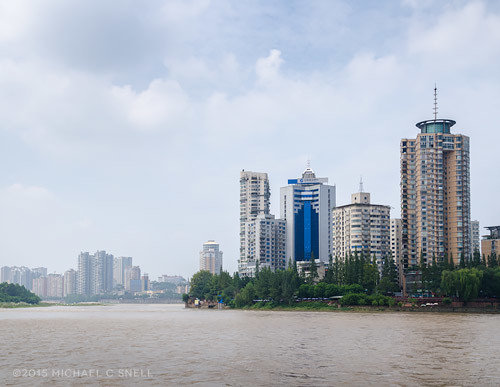
That’s Leshan, above. The restaurant where we ate was just about on the right edge of the frame in this photo, overlooking the river.

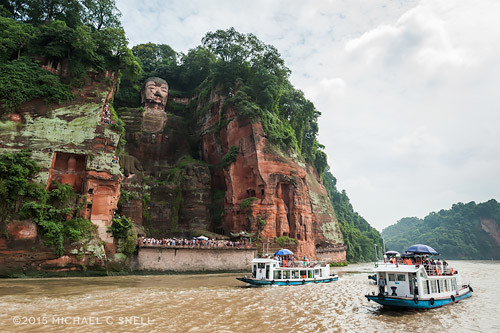
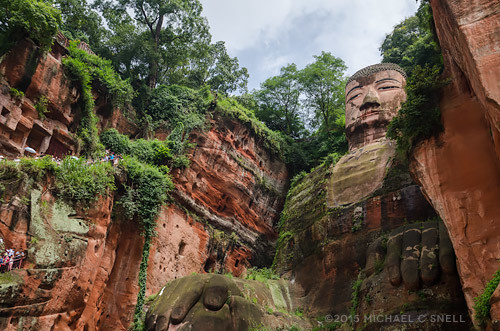
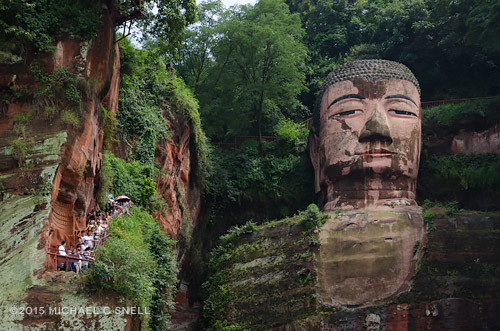
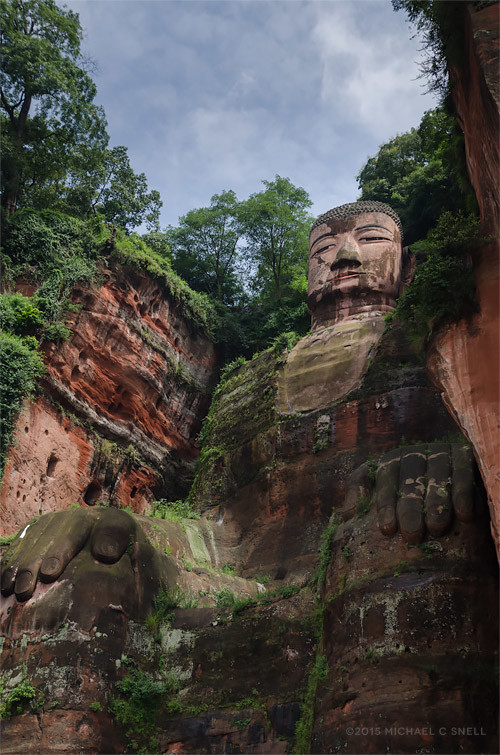
We were in Leshan to see the 233-foot-tall Giant Buddha which, according to Wikipedia, “is the largest stone Buddha in the world and it is by far the tallest pre-modern statue in the world.” The Buddha is carved from a cliff overlooking the river on the far side from the city of Leshan. To view it, we would take a tourist boat out. The boats make a quick pass down-river, then come back up where they take a position just across from the Buddha so that tourists can have their photos taken with the Buddha in the background.

151022buddha04_sotc

151022buddha01_sotc

151022buddha03_sotc

If I ever get back to Leshan, I want to take the time to visit the Giant Buddha from land and explore the trails and stairs that encircle him. This time the river view would have to do, though, and I think it was a good way to take in the scale for a first visit.

151022buddha02_sotc

Boating back to Leshan:

151022leshan02_sotc

From here we would be heading for Mount Emei, the highest of the Four Sacred Buddhist Mountains of China. We’d be staying in a hotel at the base, but spending the better part of our last day in China making our way to the top. Before leaving Leshan, we visited the markets to lay in a supply of snacks for our hike:

151022leshan04_sotc

151022leshan05_sotc

I love markets like this and especially enjoyed seeing this man with his bicycle modified to haul an oven for roasting sweet potatoes on the back:

151022leshan03_sotc

One more day in China, and it would be another big one.

Back to Chengdu, China

150925chengdu01_sotc

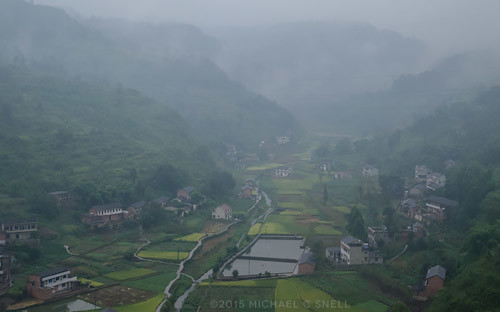
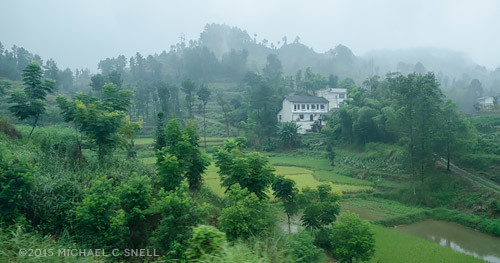
It rained during most of the bus ride from Yibin back to Chengdu, China. The low-hanging clouds made for a beautiful effect as we crossed valley after valley.

150925chengdu02_sotc

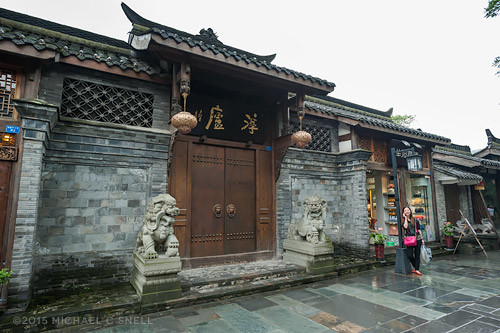
Once back in Chengdu, three of us said goodbye to our bus and the large tourism festival group and joined our local guide for a walk through an area known as the Wide and Narrow Lanes.

150927chengdu01_sotc

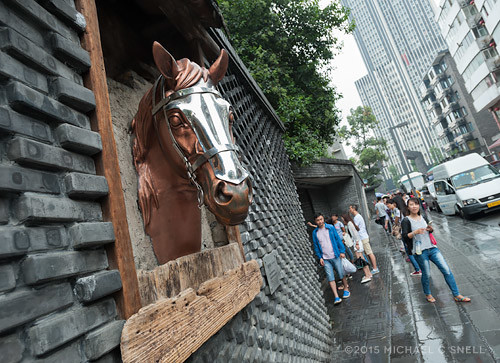
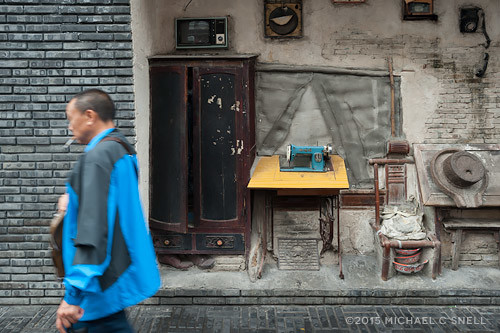
Throughout this area, sculptural vignettes told the story of what had been here in the past.

150927chengdu02_sotc

150927chengdu03_sotc

The area reminded me of Jinli Ancient Street, which we had seen on our first day in Chengdu, but it was a little more open, less crowded, and a bit less touristy (although it obviously still catered to tourists).

150927chengdu04_sotc

150927chengdu05_sotc

150927chengdu06_sotc

150927chengdu07_sotc

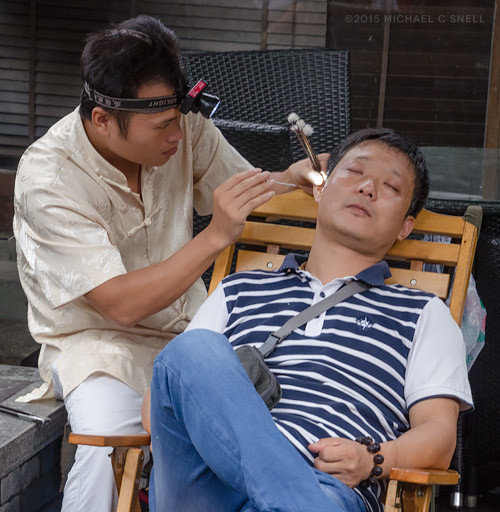
I had heard about these ear-cleaning — or ear massage — stations but this was the first one I’d actually run across. A little disconcerting to have wires and brushes twirled around in your ear perhaps, but the customers looked happy enough.

150927chengdu09_sotc

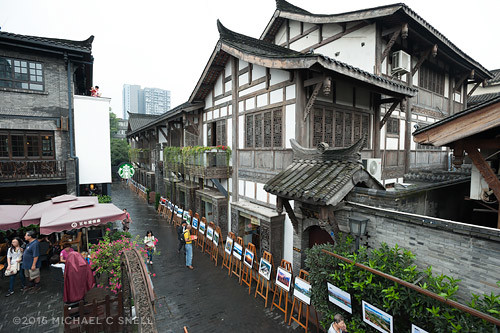
Time for a short refreshment break at Ding’s Coffee, overlooking a street with a photography exhibit on display.
150927chengdu08_sotc

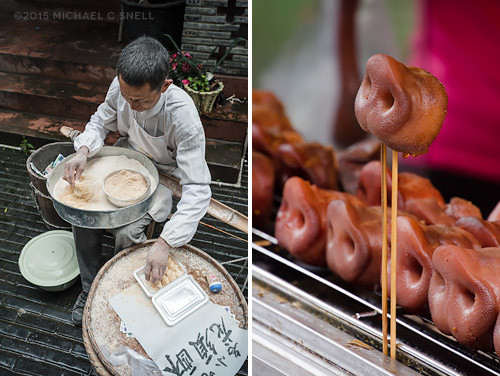
And everywhere you turned, more snacks. Of all varieties.

150927chengdu10_sotc

Miao Village in China’s Sichuan Province

150919miao03_sotc

My third day in China started with another lengthy bus ride. I’d become fairly accustomed to the fact that I would never know too much about my destination. Board the bus, enjoy the ride, and be pleasantly surprised by whatever was waiting at the end. That pretty much sums up my approach to each day.
On this day, the first stop was listed on the itinerary as “Xingwen Miao Impression Town.” When we arrived, our destination revealed itself as a large (and growing) new tourist development built in an historic architectural style to promote the Miao people (a name given to a variety of ethnic groups living in the mountainous regions of southern China).
150919miao02_sotc

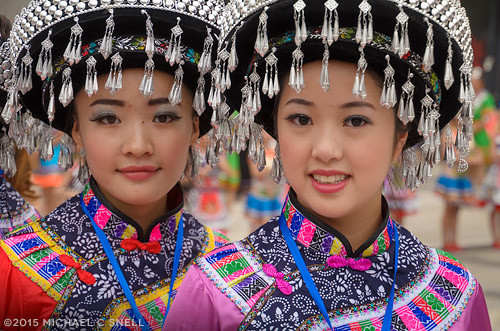
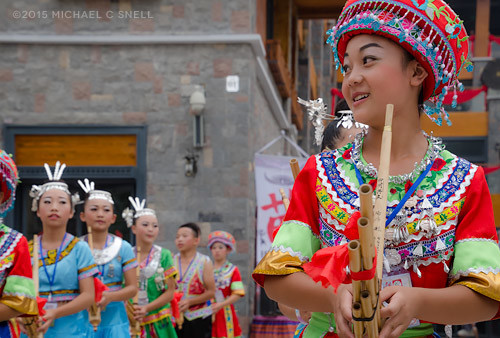
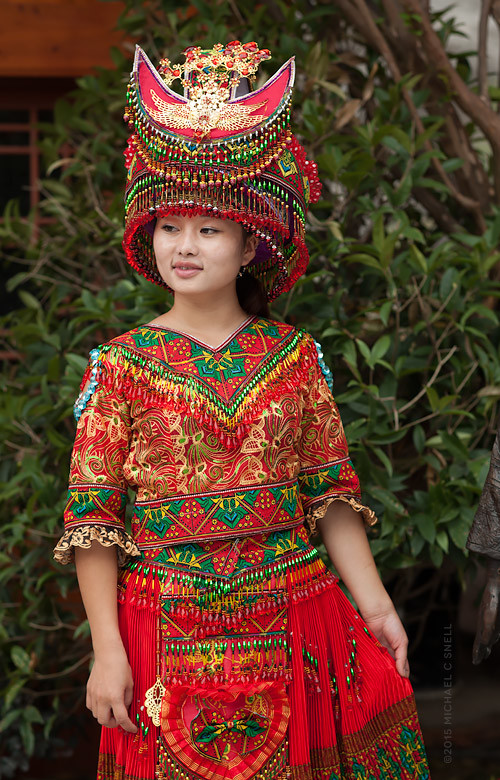
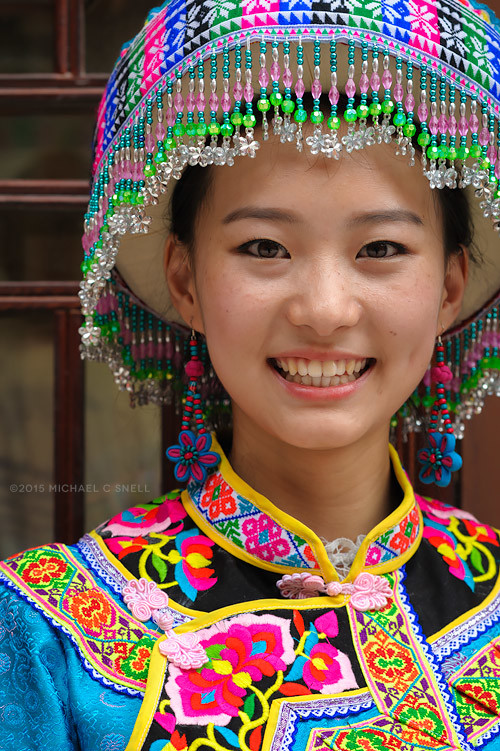
I knew we were getting close to our stop when the crowds along the road became much more populous. We came to a stop at a plaza with a large gathering of drummers, dancers, and other costumed performers. Our several busloads of tour agents and journalists joined the chaotic scene as I did my best to get a few photos of the colorfully-dressed performers. As the group was ushered through to a secondary area with food and arts displays, I switched into “portrait mode” to limit my scope a bit and to avoid having as many — or more — “tourists” in my shots as Miao people. Here are just a couple, before I move on to my next post about our lunch at a mysterious destination…

150919miao04_sotc

150919miao01_sotc

China’s Sichuan Province

150913wuhou_sotc

Last month I was invited to attend the 2015 Sichuan International Cultural Tourism Festival held in Yibin, China. It was my second time in China, but my first in the province of Sichuan. With just enough time to send my passport off for a new 10-year visa, the next thing I knew I was packing up and heading off to explore a region I knew mostly the by the Americanized version of its cuisine.

I arrived on August 22nd after what I believe must have been very nearly 24 hours in the air, separated into three flights: KC to LA, LA to Beijing, and Beijing to Chengdu. It was about noon when I arrived at my hotel and, after a quick 20 minutes to shower and break out a little camera gear, I was back on the streets of Chengdu to do a little exploring.

150913wuhou03_sotc

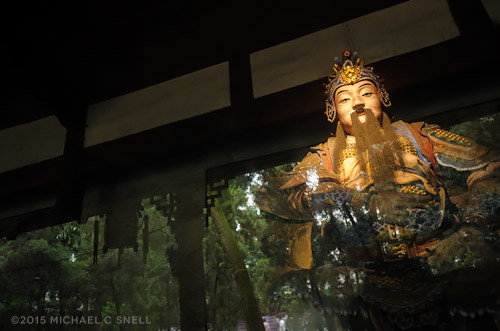
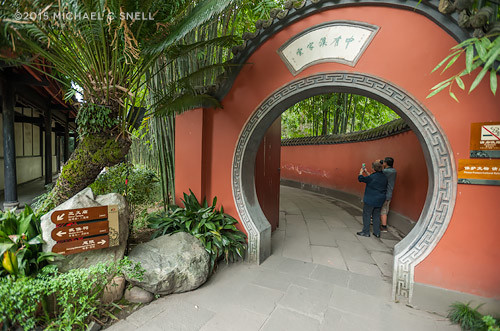
The first stop was Wuhou Temple, the Memorial Temple of Marquis Wu (220 – 280).

150913wuhou02_sotc

150913wuhou04_sotc

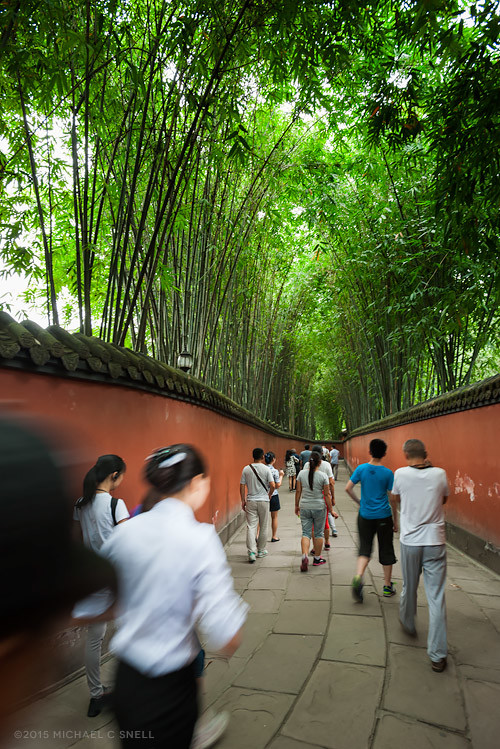
In addition to cultural relics and historical artifacts, the temple complex includes beautiful gardens and a winding avenue through tall stands of bamboo.

150913wuhou05_sotc

150913wuhou06_sotc

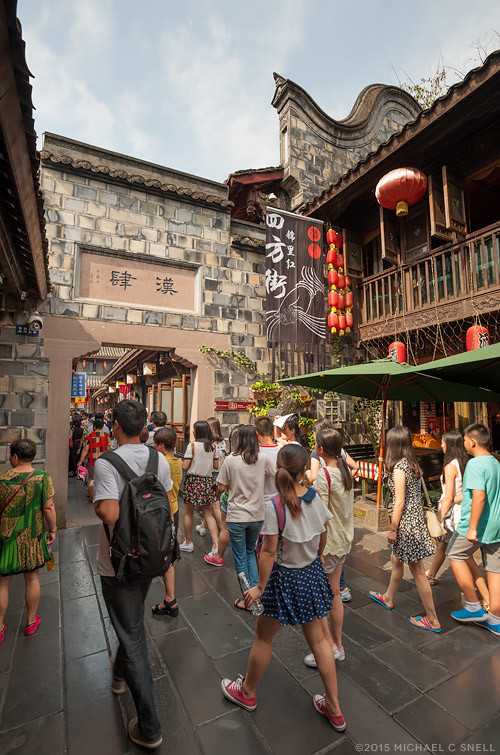
Adjacent to the temple is Jinli Ancient Street, lined with shops, tea houses, restaurants and street food vendors:

150913wuhou09_sotc

150913wuhou08_sotc

150913wuhou07_sotc

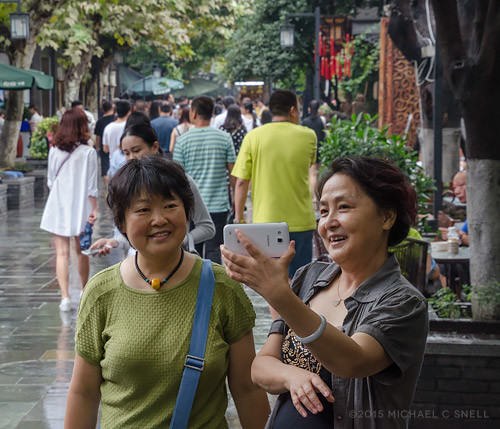
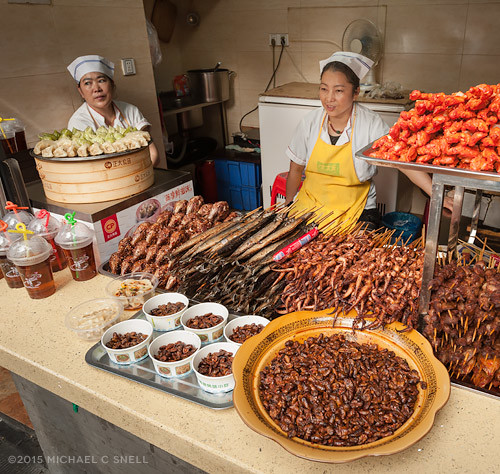
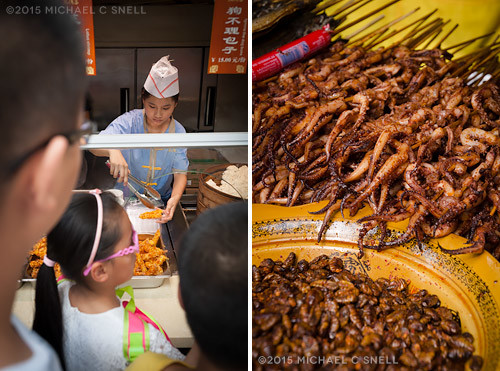
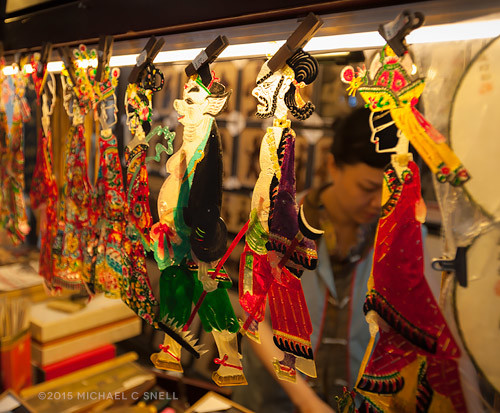
Like a Chinese version of a State Fair, every food imaginable that could be put on a stick was being sold to lines of smiling visitors. Shops sold all kinds of local crafts and souvenirs including one stand specializing in shadow puppets:

150913wuhou10_sotc

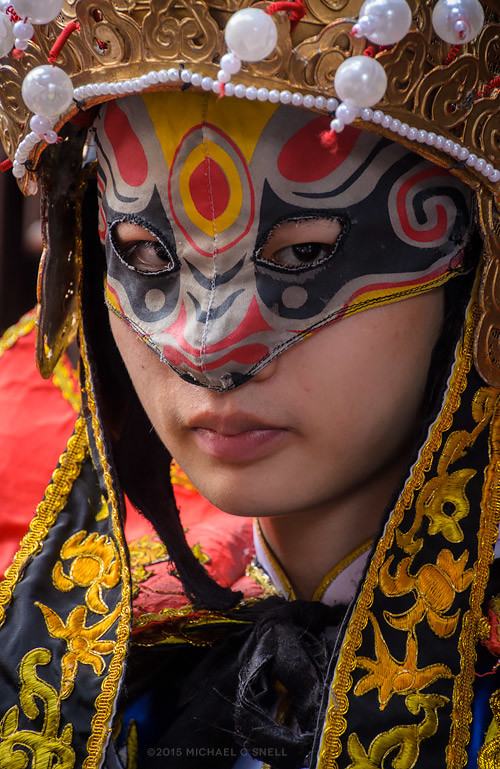
This boy was demonstrating plastic toys that mimicked the famous mask-changing characters of Sichuan opera:

150913wuhou11_sotc

An eye-opening introduction to Chengdu and Sichuan Province, my first afternoon was just getting started. Next I’d check out some of the more modern architecture and high-end shopping options. Then an afternoon “snack” that turned out to be enough to count as dinner at a local tea house. All that, and more, in the posts to follow…

All in a day’s work

150625heron_sotc

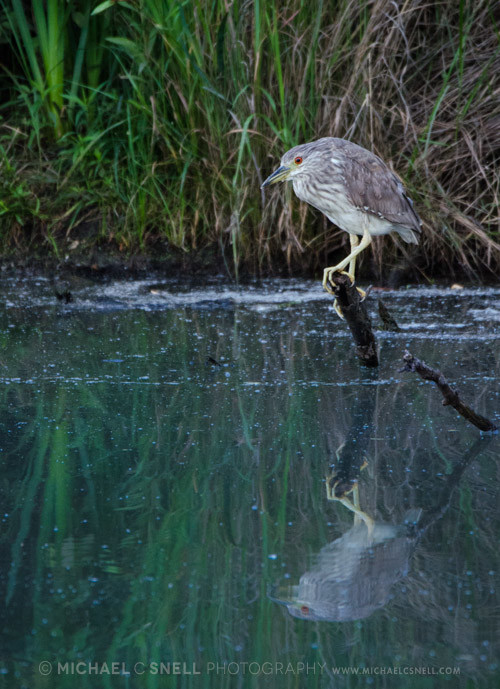
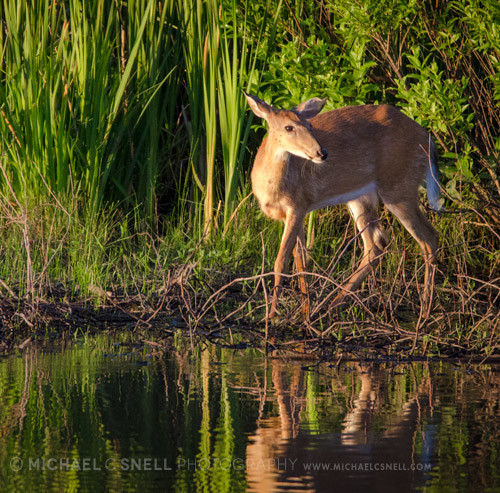
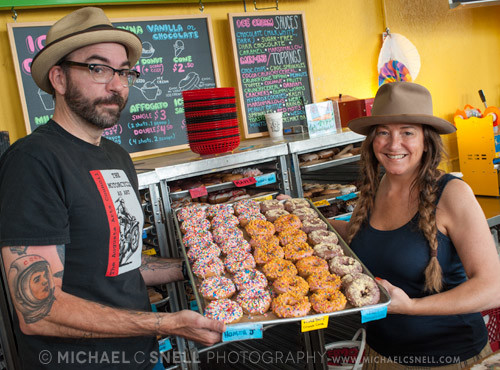
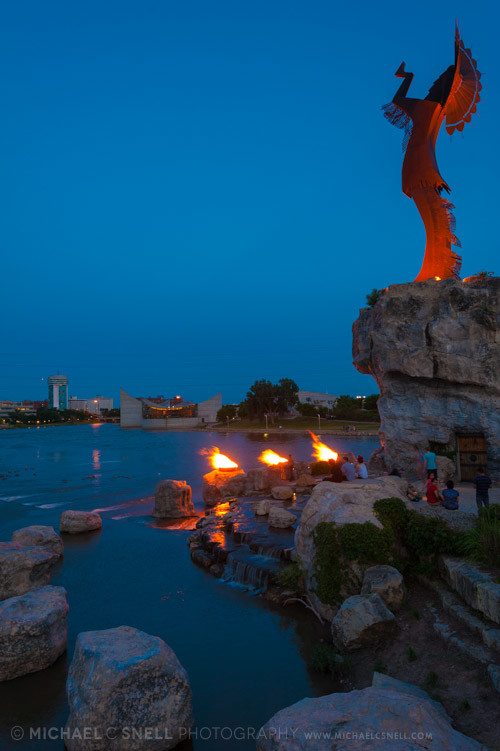
There’s not too much to tie these images together other than that they were all shot on the same day in Wichita, Kansas. Started off the morning with a little wildlife outing, managed to find myself in the awesome Donut Whole and finished things off seeing the flames lit at the Keeper of the Plains. There was much more in between, but it was really kind of a typical day in the life of a travel photographer. Never time to get bored.

150625deer_sotc

150625donut_sotc

150725keeper_sotc