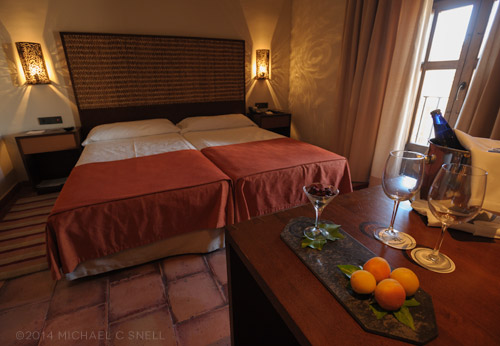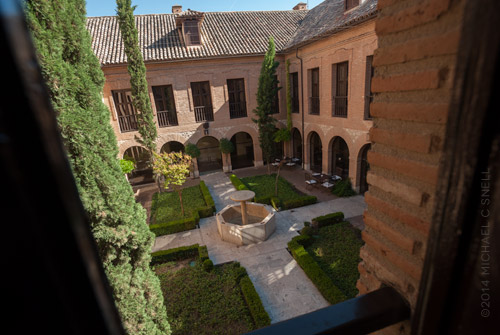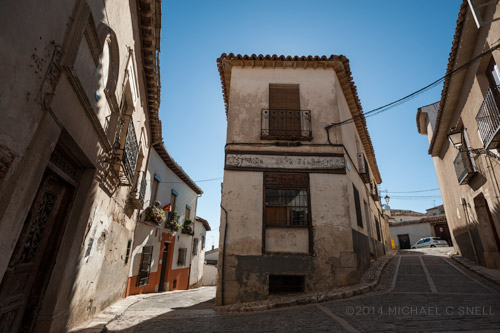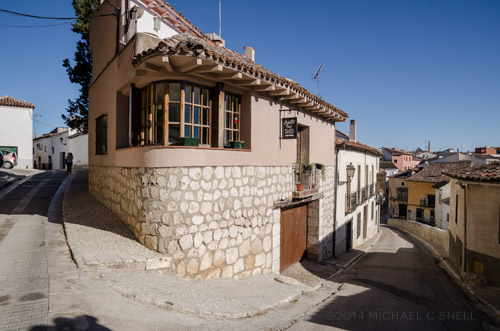
Category Archives: hotels

Galicia, Spain and the Way of St. James

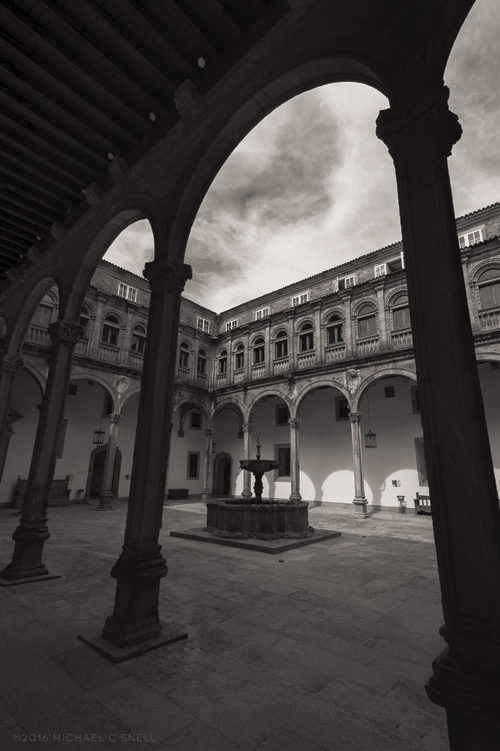
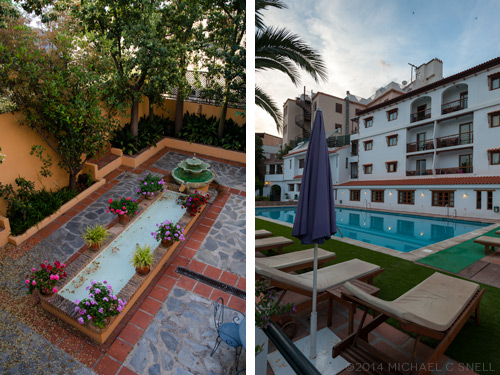
I had a fairly busy year of travel photography in 2016 and I’m still trying to get caught up with processing everything and keeping my stock agencies fed. I’ve also been working on another of my “Journals of a Travel Photographer” books — this one on my trip to Galicia, Spain, in July of last year. It’s nearly finished up, but I thought I’d share a few images while I’m going through proofing, etc. Not all of these images will be in the book. Some are ones I ran across while doing the initial edits and I just didn’t have room for them. Case and point, the image above of my hotel for the first few nights, the Parador de Santiago de Compostela.

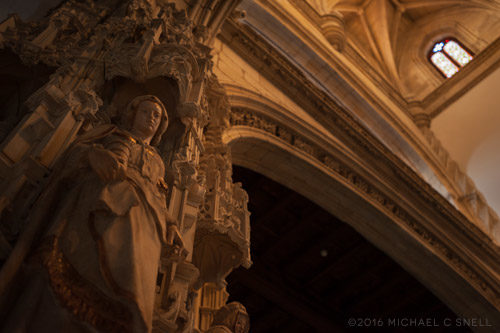
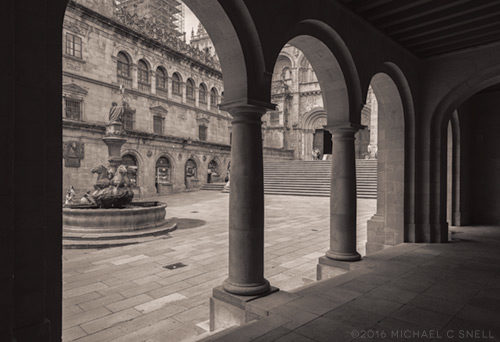
The shot above is from the chapel located within the Parador and the one following is a scene from one of the squares that surrounds the Cathedral, located adjacent to the hotel.

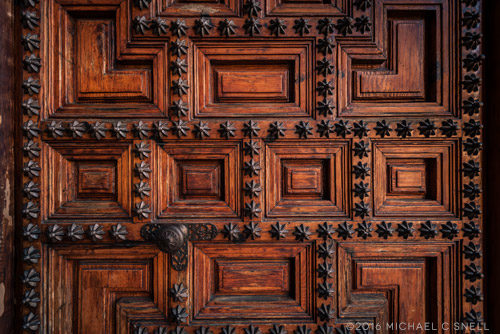
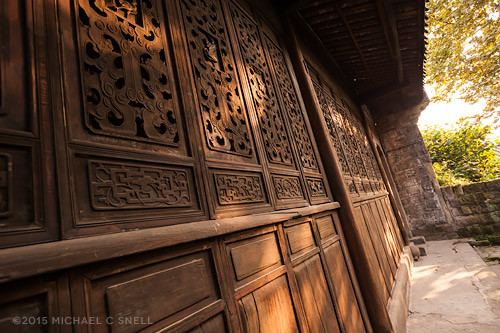
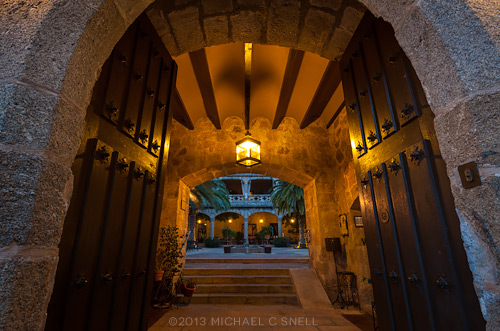
And that’s one of the massive front doors to the Parador. These are a few images I made just after arriving in Santiago de Compostela. In the following days I would explore the Galician sections of several pilgrimage routes known as the Camino de Santiago, or the Way of St. James. It was an amazing trip to a part of Spain I’d been wanting to visit for quite a while. I’ll share more in the next few posts, starting with the French Way as it crosses the border of Galicia and makes its way toward Santiago de Compostela.

Lizhuang, China

150917lizhuang01_sotc

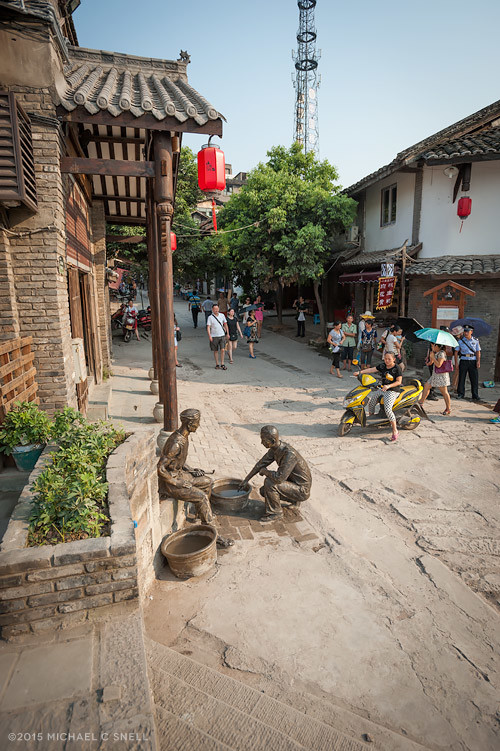
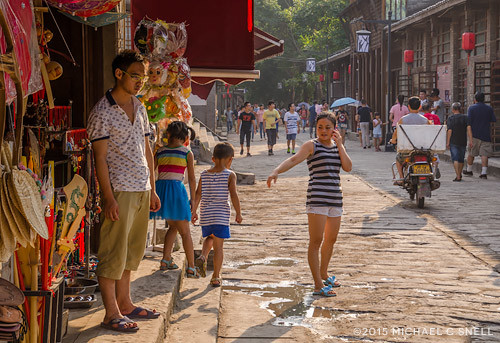
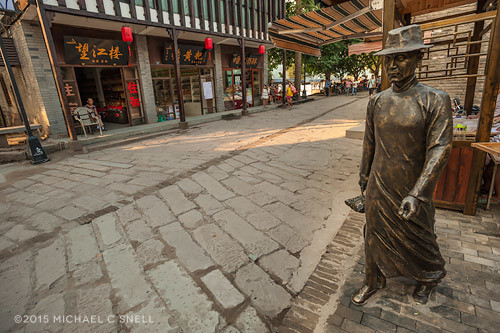
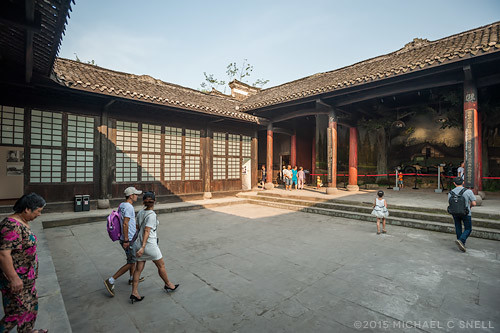
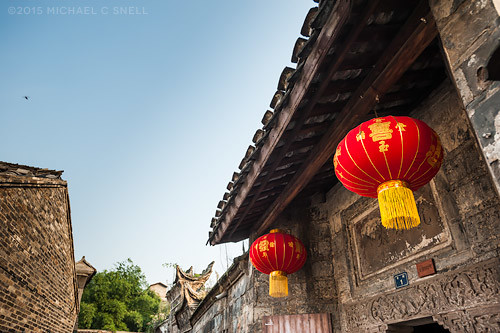
After the crazy distillery tour I wrote about in my last post, we seemingly went back in time by visiting the historic village of Lizhuang, China. The riverfront has apparently had quite a bit of recent investment put into it and the buildings have either been restored or rebuilt in an old style to house a variety of shops and restaurants. Here and there along the streets are bronze, life-sized statues depicting daily life.

150917lizhuang02_sotc

150917lizhuang03_sotc

150917lizhuang04_sotc

There was an interesting WWII museum in Lizhuang as well. In 1937, when the Japanese invaded China, many academic institutions relocated to towns like Lizhuang to be a safe distance away from the frontline. The museum tells that story through dioramas, artifacts and artwork:

150917lizhuang05_sotc

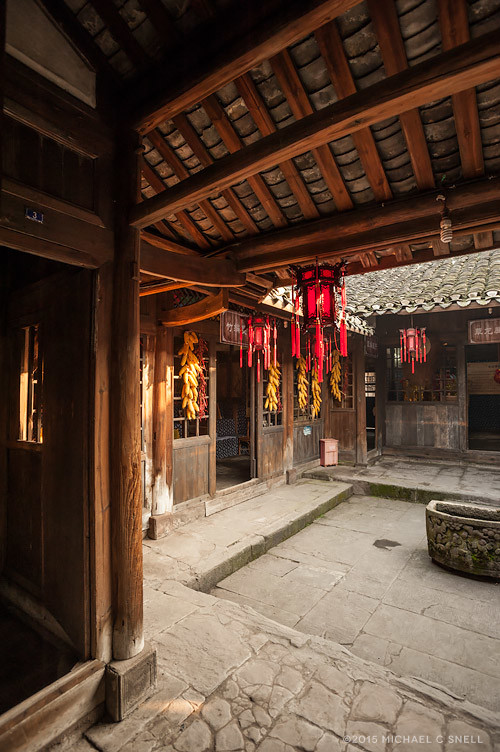
After the museum, we made our way back to the buses through the less-restored sections of the old town which were, in my opinion, more interesting than the more touristic sites along the river:

150917lizhuang06_sotc

150917lizhuang07_sotc

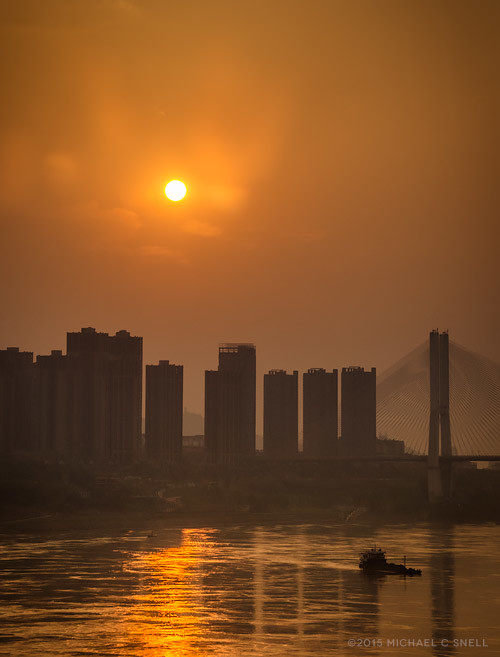
The sun just barely broke through the clouds as we neared Yibin, where two rivers join to create the Yangtze River:

150917yibin01_sotc

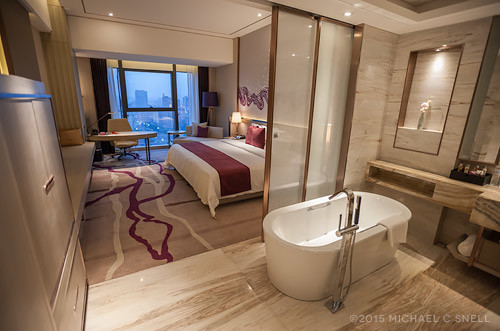
Time to check in to the hotel for the night. As it turned out, a group of us would be among the first guests to ever stay in the Crowne Plaza Yibin, which was having a soft opening (possibly just for this tourism event). I would be quite comfortable, if not spoiled, during my stay:

150917yibin02_sotc

Mondrian Bike

150328bike_sotc

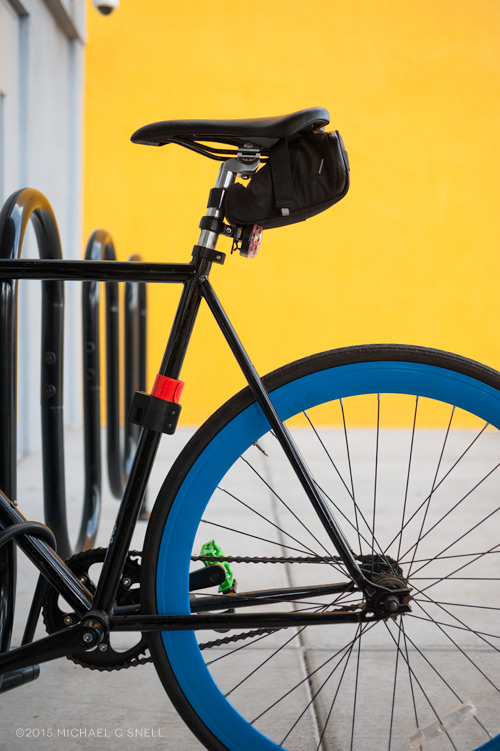
I’ve been woefully neglect in my posting here on the ol’ blog, but it’s not for lack of shooting. I’ve accumulated plenty of images over the last few weeks that will provide all kinds of fodder for the blog, I just need to kick myself back into the habit of posting. Sorry! There really is more on the way — and soon. Until then, here’s a colorful bike I saw at the uber-cool Graduate Hotel in Tempe, AZ a couple of weeks ago. Am I the only one it reminds of Mondrian?

Chinchon, Spain, and another wonderful parador

141224chinchon04_sotc

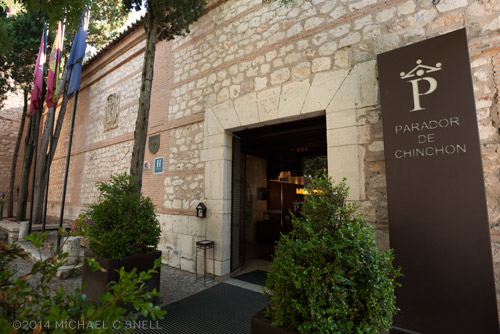
Another town nearby to Madrid, Spain, and Barajas airport is Chinchon, and — yes — it, too, has a wonderful parador (the Parador de Chinchon, of course). Although maybe not quite as close to the airport as the parador in Alcala de Henares that I wrote about in my last post, it’s still close enough to make a great first night’s stop or last night before flying out of Barajas.

The parador in Chinchon is located in an Augustinian monastery that dates back to the 17th century:

141224chinchon03_sotc

141224chinchon01_sotc

141224chinchon02_sotc

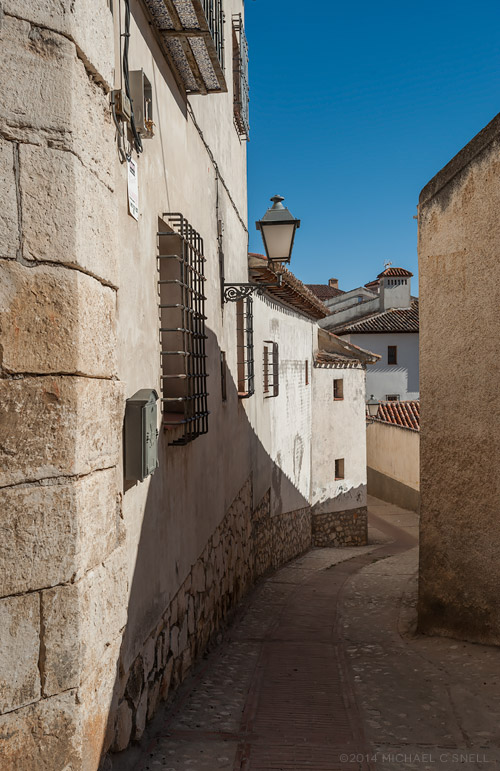
The streets of Chinchon are a bit steeper and winding than those in Alcala de Henares and the town feels a bit more remote and rustic. The parador is also less modern in styling, but it is extremely comfortable and charming. There are gardens, an outdoor pool and the terrace where I had dinner was the perfect spot to spend a quiet evening. The two Madrid paradors offer very different experiences but I’m quite fond of each for just that reason. It really comes down to what experience you want out of your stay. Alcala de Henares is a perfect fit for those that prefer something very modern but with cultural attractions just steps away, and Chinchon gives more of the feel of having left the city and experiencing an historic Spanish village.

Unlike Alcala, I have only stayed in Chinchon once but would happily return to explore these winding streets further.

141224chinchon05_sotc

141224chinchon09_sotc

141224chinchon06_sotc

141224chinchon08_sotc

141224chinchon07_sotc

Alcala de Henares, Spain

141220alcala01_sotc

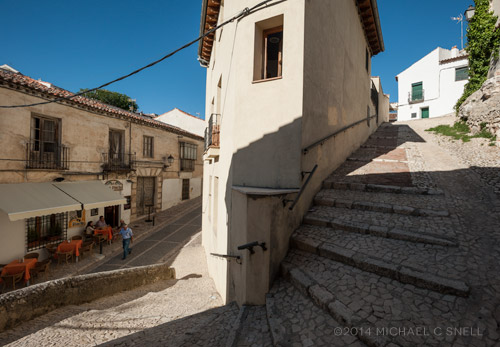
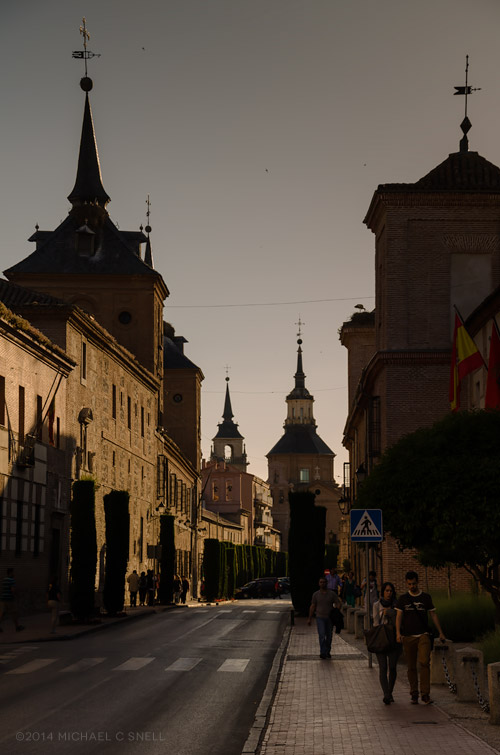
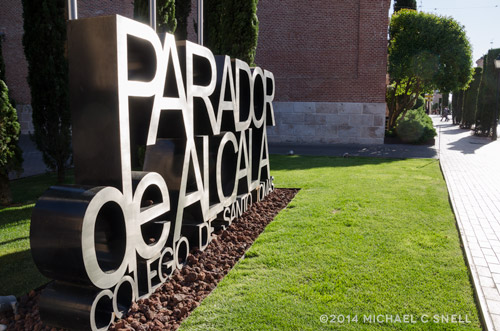
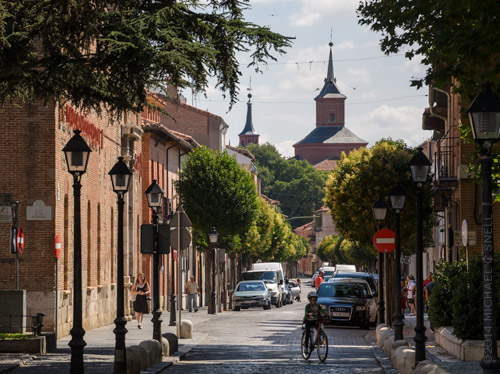
As the holiday season gets into full swing and the year winds down, I want to share just a couple more Spanish cities that I visited in 2014 but that I haven’t mentioned yet because they weren’t the focus of the trip. On all of my 2013-2014 trips to Spain, I’ve flown Iberia and landed in Madrid-Barajas Airport. A great airport and a fantastic airline. While Madrid has never been my final destination, I have needed to stay a night after flying in, or before flying out, before catching my next flight. Twice I’ve stayed at the wonderful Parador de Alcala de Henares just outside of Madrid and not far from Barajas.

141220alcala12_sotc

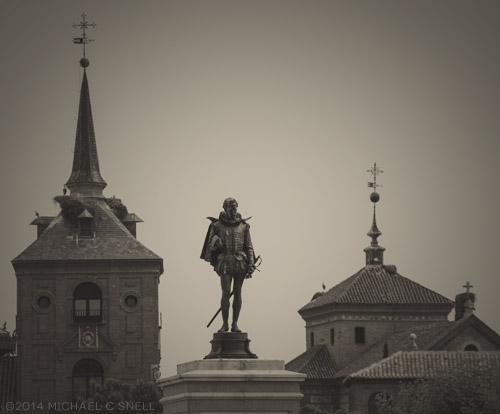
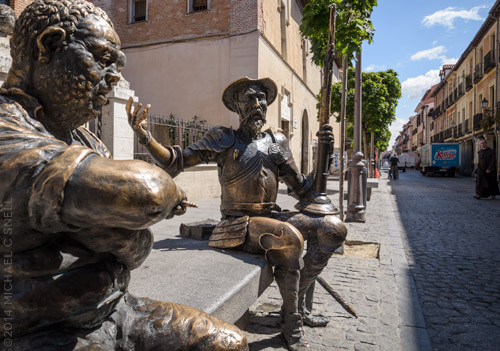
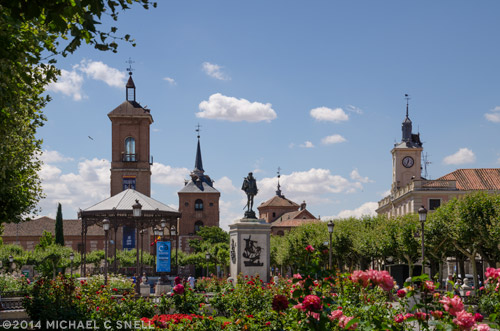
Alcala de Henares is the birthplace of author Miguel de Cervantes who wrote the classic Don Quixote. Both Cervantes and his characters are commemorated with bronze sculptures in the heart of this historic city (the core is a UNESCO World Heritage Site).

141220alcala10_sotc

141220alcala07_sotc

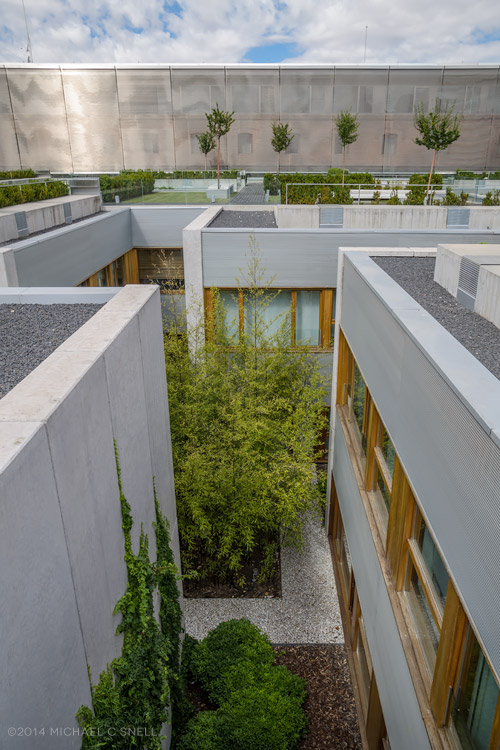
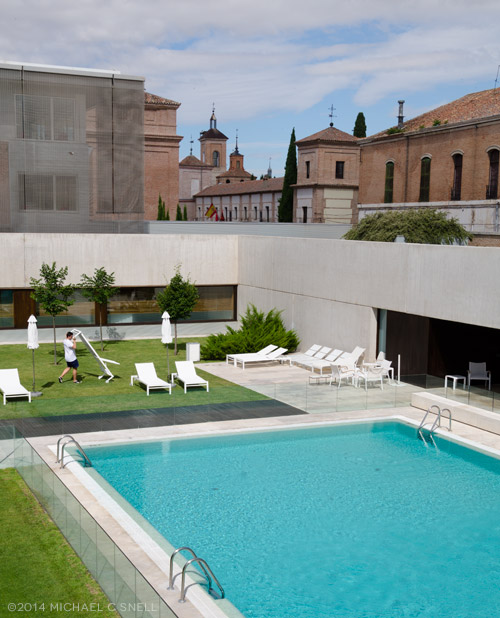
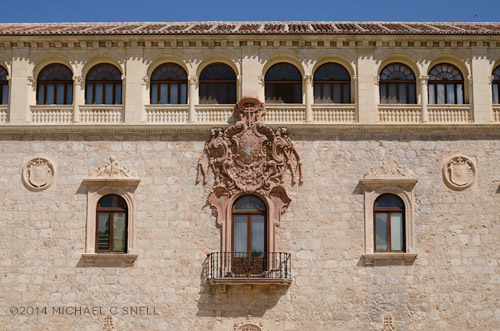
The parador itself is well located near the main plaza and, like many paradors, is based in an historic structure — in this case a 17th-century monastery and school. But this parador embraces the modern as well, and many of the rooms are situated in newly-built structures that are almost subterranean, with a garden deck located on the rooftop. It’s hard to describe but, trust me, the rooms are wonderful and well lit while feeling very private and secluded.

141220alcala02_sotc

141220alcala03_sotc

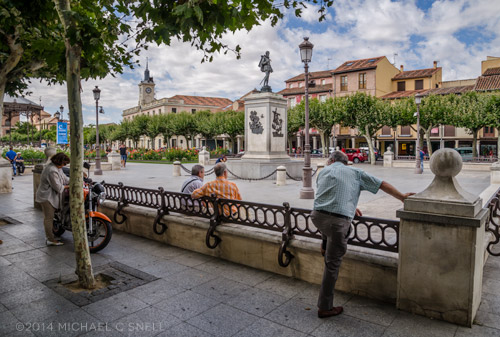
Within easy walking distance, you have all manner of historic architecture, restaurants, bars, shops, etc. I often had a couple of hours to kill after arriving or before my airport shuttle arrived to explore and aimlessly walking the streets never disappointed.

141220alcala04_sotc

141220alcala05_sotc

141220alcala06_sotc

141220alcala08_sotc

141220alcala09_sotc

Keep the Parador de Alcala de Henares in mind if you ever find yourself needing a stopover on your way through Madrid. It’s a great spot to park your bags for a night and to enjoy your first taste of Spain, or to drink in a bit more Spanish hospitality before you depart.

141220alcala11_sotc

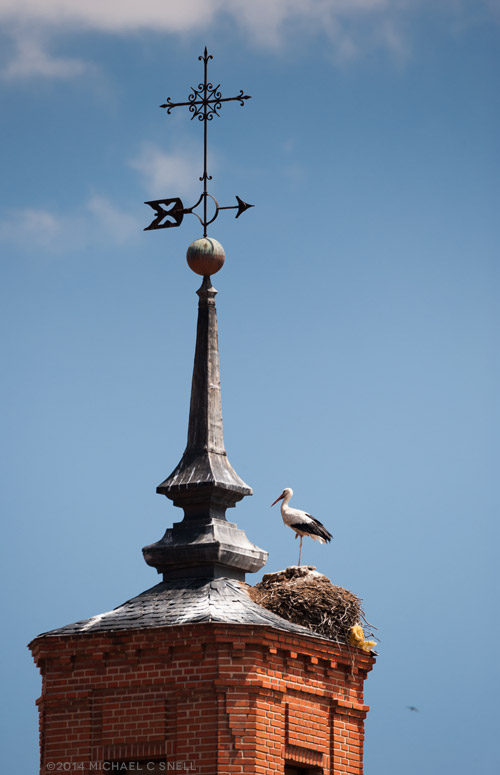
Oh, yes. The storks that I first encountered in Extremadura are here as well. I’ve come to love the rhythmic clatter of their bills and their ever-present — and enormous — nests (although I’m happy to not have one on my own chimney!). Next post — another of my “layover stops” when coming and going from Madrid…

Mar Menor, the “minor sea” of southeastern Spain

141111marmenor01_sotc

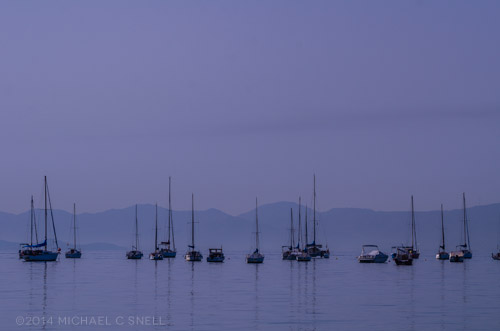
It is said that Esther Williams called Spain’s Mar Menor “the largest swimming pool in the world.” In fact, it’s a large body of shallow, warm water separated from the Mediterranean by a narrow strip of sand called La Manga. La Manga is just wide enough in places to allow for a road and beachfront properties on either side. If you’re the kind of person that likes the idea of seeing the sun rise over water out one window, and later watching it set — over water — out another, then this is the place for you.

141111marmenor02_sotc

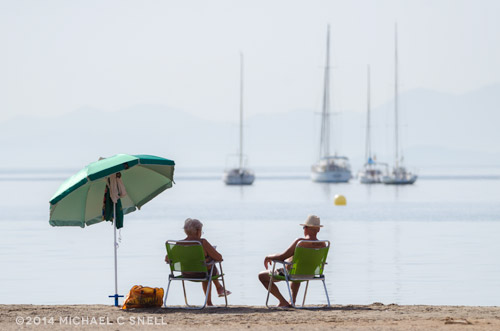
Visiting in October, La Mota beach at San Pedro del Pinatar was not overly crowded although I’m guessing that may not be the case at other times of the year. With a marina and mountains in the distance, Mar Menor provides a calm setting for a day in the sun. There are also docks at the adjacent salt marshes (just down the promenade, past the windmill and opposite the beach) where you can cover yourself in the “medicinal muds”, which are said to assist in everything from skin problems to arthritis.

141111marmenor04_sotc

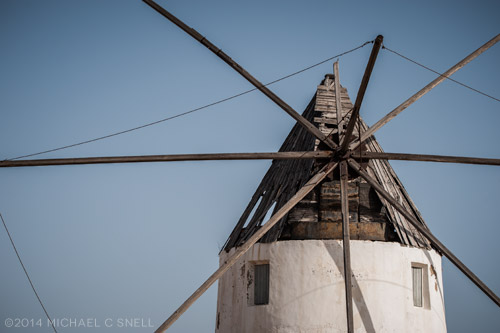
Ezequiela’s windmill lends a decidedly Spanish accent to the La Mota beach area of San Pedro del Pinatar.

141111marmenor03_sotc

Taking the ferry across Mar Menor to La Manga gives you an idea of the scale of this body of water, and offers a seaside view of many of the resort towers that line the shores.

141111marmenor05_sotc

141111marmenor06_sotc

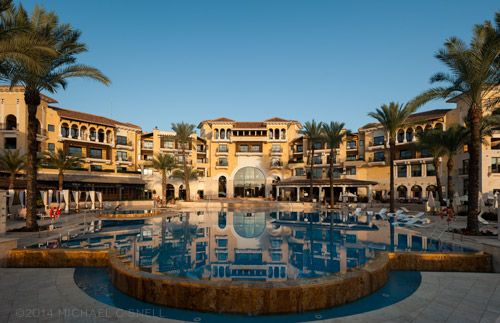
My home for the night would be the nearby Intercontinental Mar Menor Golf Resort & Spa, which could be a destination in and of itself.

141111marmenor08_sotc

141111marmenor07_sotc

141111marmenor09_sotc

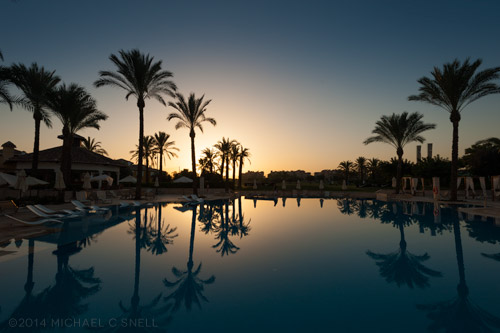
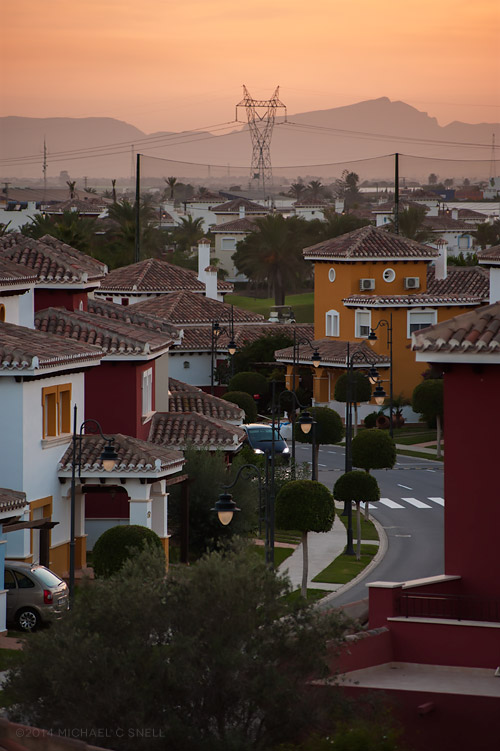
My room overlooked the pool to the right, and the beautifully designed housing development that surrounds the resort, to the left (below). I photographed the sunset, had yet another phenomenal Spanish meal, and went to bed looking forward to another day of exploring the region of Murcia in the morning.

141111marmenor10_sotc

Back to Spain – the Region of Murcia

141103contrail_sotc

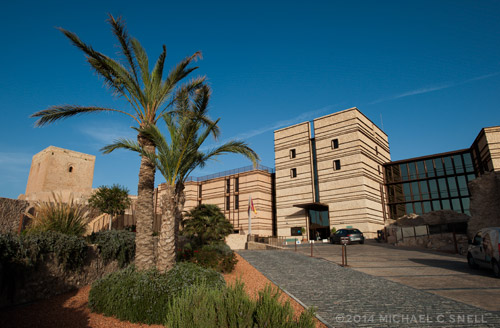
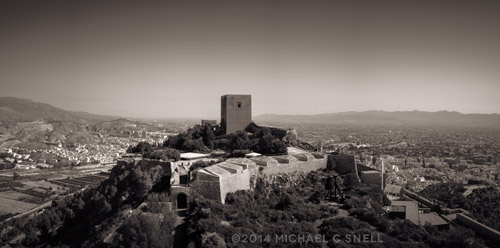
Just over two weeks ago, I was jetting my way back to Spain — this time to photograph the region of Murcia in the southeastern part of the country. The first night was spent in the Parador de Lorca. Paradores have become a favorite of mine — always unique and often historic in one way or another. This one was a new build, but in a historic setting sharing a mountaintop with a 13th century Moorish castle.

141103parador02_sotc

The parador was nearly complete when an earthquake struck in 2011, damaging both the new building and the old castle. Repairs were made and the structural banding added to the parador became a design element that distinguishes the new construction from the old. As stunning as the structure is, however, it’s the setting high above the city of Lorca that draws your eye.

141103parador03_sotc

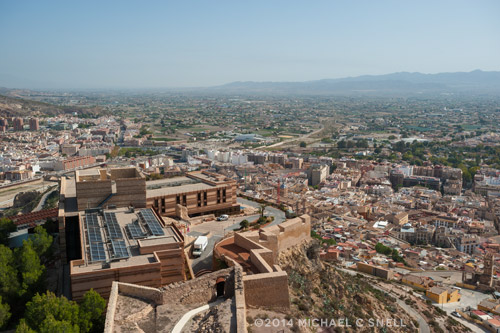
Above, the parador (in the lower left of the image) as seen from the top of one of the castle towers.

141103lorca01_sotc

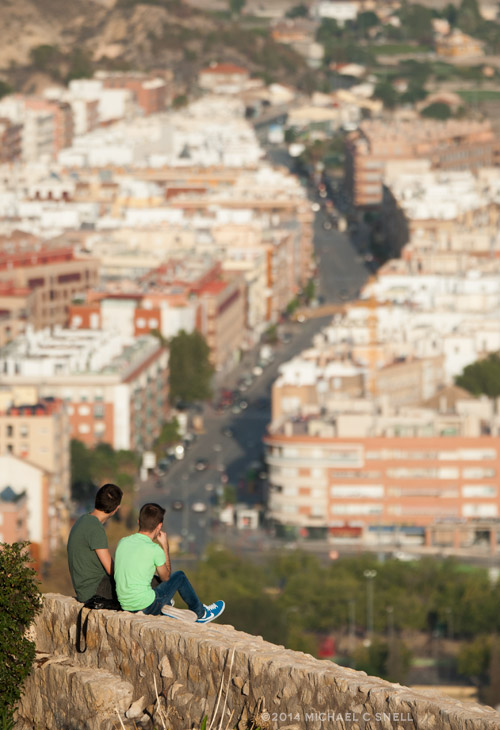
Above: Looking down on the city of Lorca from the parador grounds.

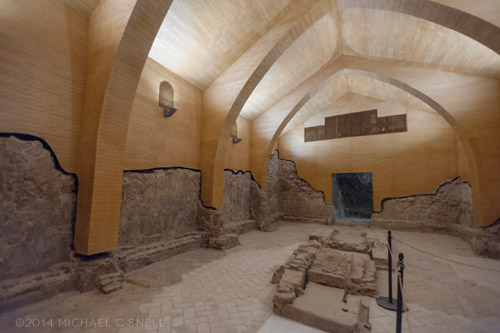
Construction of the Parador de Lorca was also delayed and re-imagined whenever ruins were found during excavations. One discovery was this 15th century synagogue — now preserved, adjacent to the hotel:

141103parador_sotc

141103lorca02_sotc

For a small admission fee, the castle itself can easily be explored on foot from the parador and provides spectacular views.

141103landscape_sotc

141103lorca03_sotc

141103parador04_sotc

In my next post I’ll venture down, off the mountain, and into the town of Lorca.

Almuñécar, Spain, on the Tropical Coast

140630almunecar01_sotc

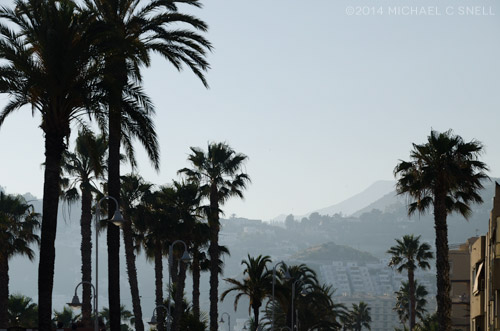
Almunecar, Spain, sits on the Mediteranean Sea, fringed with palm trees. At first glance, it seemed the kind of place I could have spent a lot of time. Happily. We’d had a busy day along the Tropical Coast, however, and we were running a bit late. Sunset was not far off when we arrived in town. I had mapped out a couple of promising looking spots on the beach to photograph the last light and I was rushing to get checked in to the Hotel Suite Albayzin del Mar. The hotel is a spectacularly mirrored palace with sprawling gardens. When I was given my room key, it came with an elevator number, a floor number and the room number. It seems that each elevator only served about four rooms per floor and there weren’t connecting hallways beyond that. When I arrived at my room, I realized the elevator was not the only thing special about this hotel.

140630almunecar02_sotc

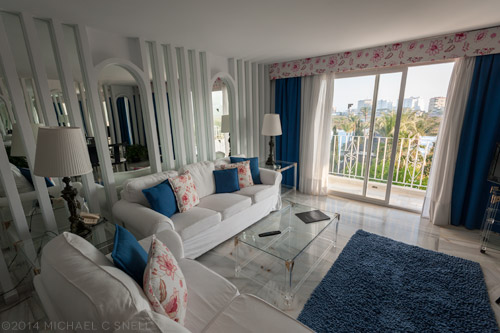
The rooms — no, suites — were enormous. This is just the living room half of my main room with a full dining area to the right, out of frame. I opened one door, expecting to find the bathroom and realized it was a full kitchen, with an extension that served as a laundry room. Another door led to a hallway opening onto a bath and two bedrooms. All along the sea-side of the room was a balcony. I dropped by bags and rushed out to assess the situation regarding the remaining light.

140630almunecar03_sotc

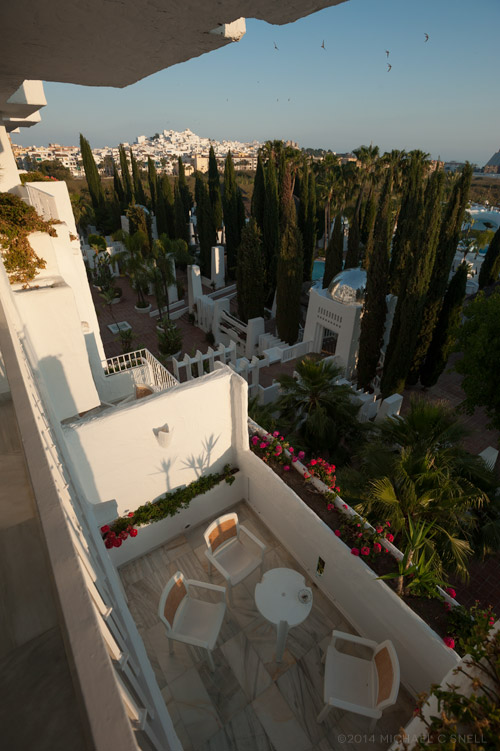
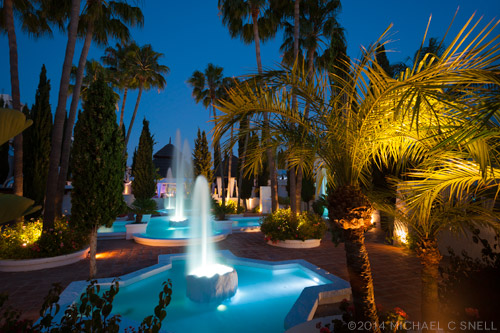
Out on the balcony, the view to the old town was stunning, as were the pools, fountains and gardens of the hotel property.

140630almunecar04_sotc

Looking west, I could see that the sun was already dipping behind a hill, so my time with any remaining sunlight was very limited. I decided to ditch my plans to head for the beach, and I made an executive decision to make what photos I could from the balcony and other parts of the hotel property.

140630almunecar05_sotc

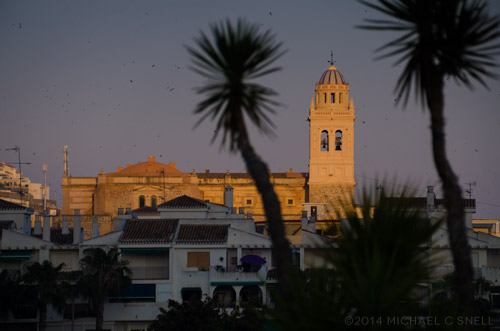
As it turned out, I didn’t feel overly limited in subject matter. I loved this view through the trees of the old church catching the last rays of the sun. That was made from a raised area above and behind the pool seen below.

140630almunecar06_sotc

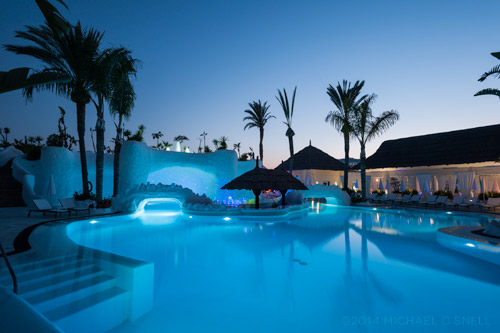
The pools themselves were amazing. This one had a sunken bar in the middle and a grotto filled with twinkling lights.

140630almunecar07_sotc

I dashed around the property taking time-exposures on the tripod until the light failed and my battery was dead. It wasn’t the evening that I had expected, but it was a productive one and I had enjoyed myself immensely.

140630almunecar08_sotc

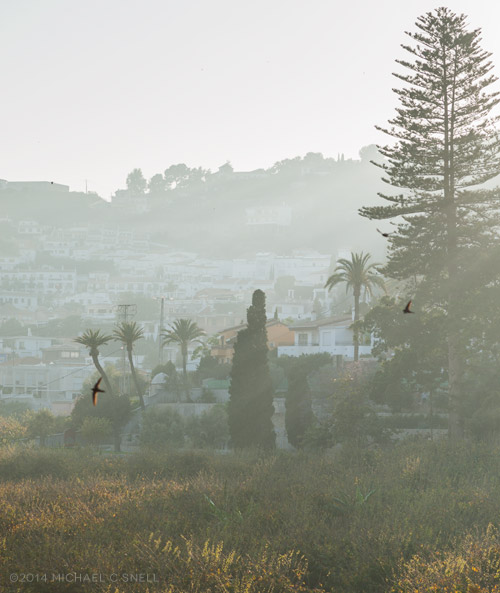
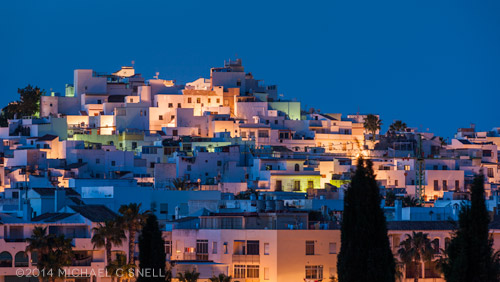
The next morning I was up before sunrise and caught some more beautiful views of the old city to the east of the hotel. Not long after, I was back in the van and headed to the next town.

The Alpujarra, Andalusia, Spain

140623alpujarra01_sotc

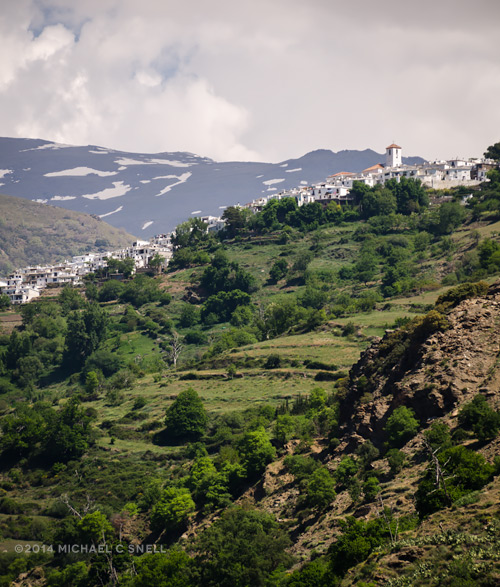
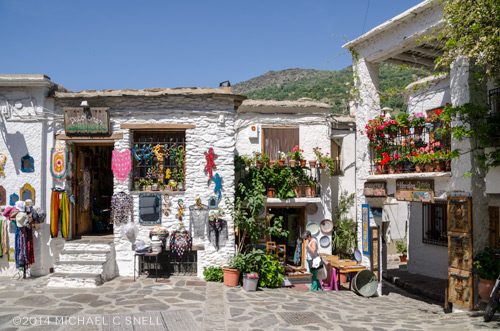
Leaving Granada, Spain, and heading southeast, the roads twist and turn their way through the Sierra Nevada in a region called “the Alpujarra.” If you’ve read the book, “Driving Over Lemons,” by Chris Stewart (former Genesis drummer) it is set in this area. The view above is the town of Capileira, seen from the neighboring town of Pampaneira. Ruggedly beautiful, many of these small towns now embrace tourism through outdoor activities. Plenty of quaint restaurants and shops have sprung up in response.

140623alpujarra02_sotc

140623alpujarra03_sotc

140623alpujarra04_sotc

I believe this was my first proper bowl of gazpacho, served to me in a restaurant located in the old blacksmith’s shop in Trevelez.

Backtracking toward the main highway that would lead us south to the Mediterranean, we stopped for the day in the spa town of Lanjaron, where I passed on the opportunity to get a full spa treatment in order to take advantage of a walking tour of the town led by a local guide. No regrets on that decision as the tour was one of those great small town experiences that included an impromptu tour of our guide’s own home and a surprise meeting with the local undertaker (thankfully just a casual meeting!). A few shots from my walk:

140623lanjaron01_sotc

140623lanjaron03_sotc

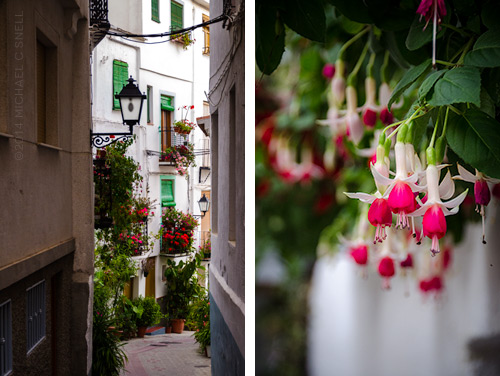
Flowers everywhere.

140623lanjaron02_sotc

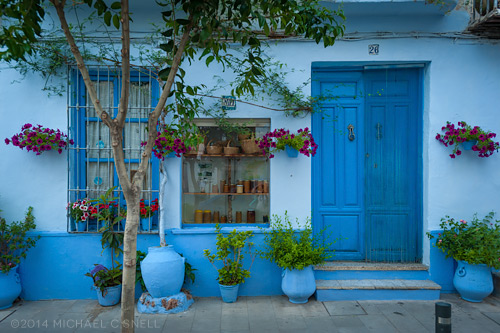
One blue house in Lanjaron. I don’t know why it — and it alone — was so blue, but I loved it.

140623lanjaron05_sotc

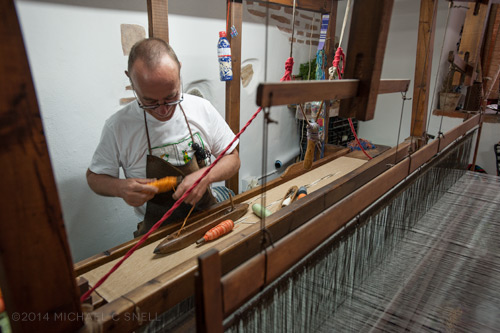
A proud weaver invited us inside his shop to see how his loom worked.

140623lanjaron04_sotc

The tour ended at our hotel for the night, the beautiful family-run Alcadima Hotel — which I would recommend to anyone planning to visit this area. I had a very comfortable room with a balcony and the grounds were beautifully landscaped. We were even treated to a private guitar performance after dinner while drinking a local lemonade made by the owner. An unforgettable evening.

140623lanjaron07_sotc

140623lanjaron08_sotc

140623lanjaron06_sotc

The good life, in Spain

131121jarandilla7_sotc

I often ask myself, “what did I do to deserve this?” Not because I think I’m being punished for something undeservedly. Quite the opposite. More like – what have I done to deserve these amazing opportunities that come my way? I think this most often when traveling. Say what you will about the discomfort of today’s air travel – it’s still amazing that you can be anywhere in the world in just a few hours. We’re spoiled by an abundance of opportunity and I’m especially spoiled.

This hit me hard earlier this month as I joined a small group of journalists invited to explore the Extremadura region of Spain. I lived darned well there for eight days. Among the highlights were our nightly lodgings in six of Spain’s paradores. Started in 1928, paradors are a chain of state-run hotels that are located in historic buildings: castles, palaces, convents, etc. I found them amazing. I want to visit all 94 of them. Check them out for yourself here: http://www.parador.es

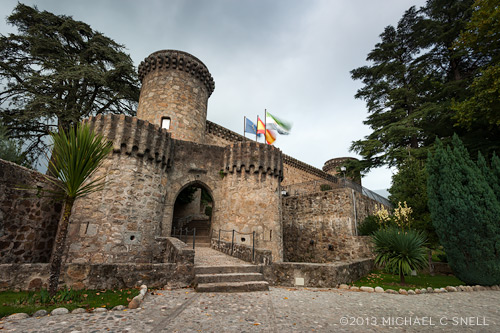
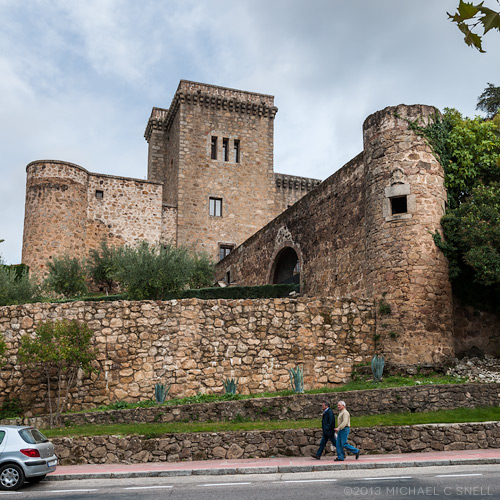
That photo above is the view that greeted me after landing in Madrid and making the 3-hour drive to Jarandilla de la Vera. First days on international trips are tough. I fight the temptation to take an afternoon nap as I find that the sooner I get back on a “daylight clock” (stay awake when it’s light, sleep only when it’s dark), the better off I am and the more quickly I adjust to the time difference.  On this day, we arrived a little after 1:00 pm and I immediately set out to explore and shoot photos. I’ll share more of those images in a later post but, for now, I’ll focus on the parador itself.
131121jarandilla1_sotc

131121jarandilla2_sotc

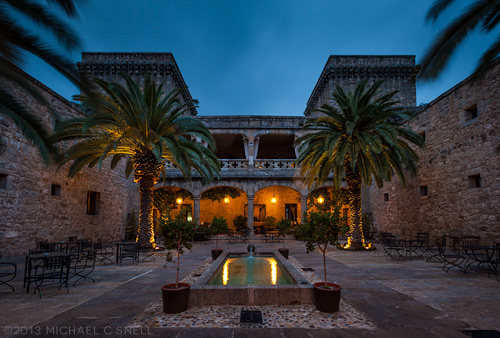
Set in a 15th century palace-castle, the Parador de Jarandilla de la Vera is an imposing structure. The courtyard was what especially caught my eye, though, and I decided to make it my primary subject during those magical moments that occur right around sunset. The day was a bit blustery and it was threatening rain by the time the sun was setting. This is the courtyard as I saw it upon arrival just before 2:00 pm:
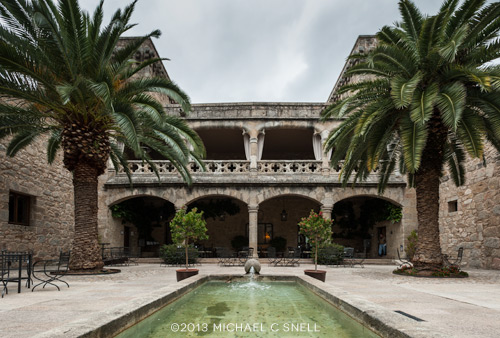
131121jarandilla3_sotc

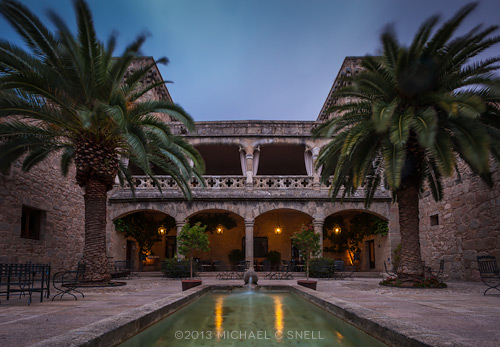
I wanted to take advantage of that brief time in the evening when the sky goes cobalt blue and contrasts so well with incandescent lighting. There were lights tucked all around the courtyard so I was hopeful that the lighting would enhance the scene come twilight.
131121jarandilla5_sotc

Just after 6:00 pm, things started to happen. Even a cloudy sky will give you a blue effect just after sunset and that’s what I was counting on here. I also made a point of using my tripod and a neutral density filter to extend the exposures and give some softness to the moving clouds and central fountain. By 6:30, things were just as I’d hoped:
131121jarandilla4_sotc

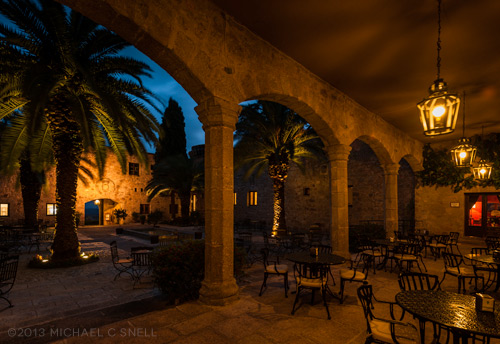
As it began to mist more heavily, I moved around to points of shelter to keep the rain off my lens and kept shooting:
131121jarandilla6_sotc

For a first day of a trip, after an overnight flight, I’d had a pretty good day. I often feel like day one is a practice day – good only for getting ones bearings and getting in the groove of shooting in a new place. This trip seemed to come together more quickly for me and I’m happy with what I managed to make of my half-day in Jarandilla de la Vera. Which is good, because we’d be off after breakfast the next morning for more adventures in other parts of Extremadura.