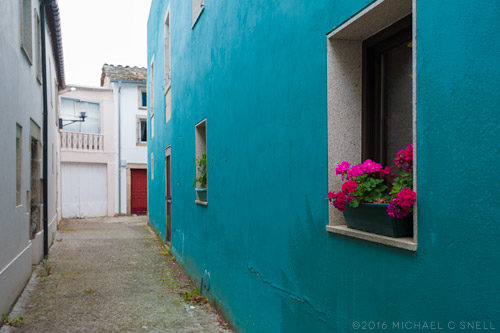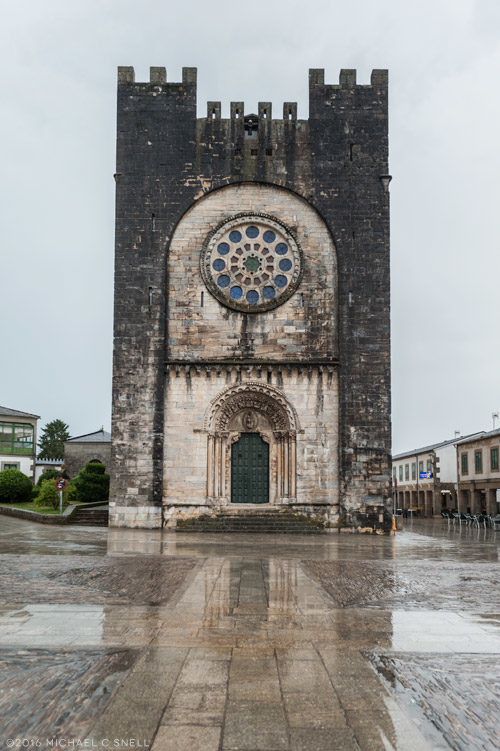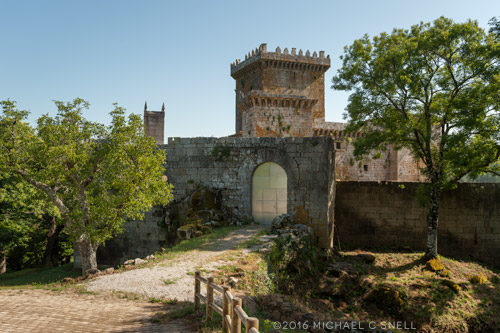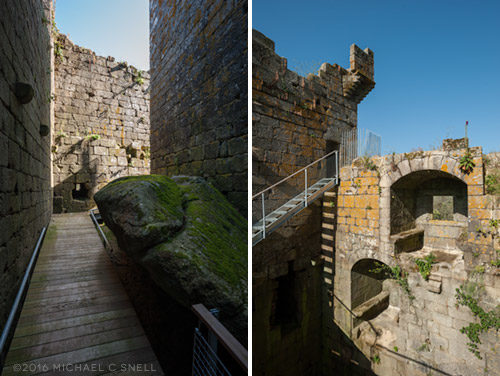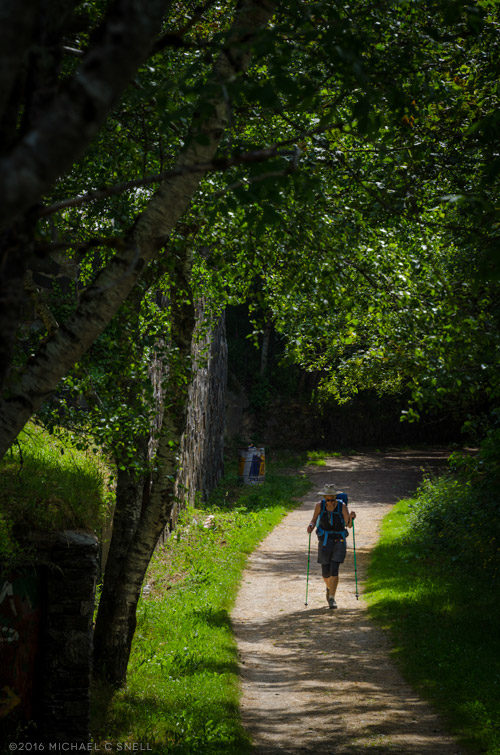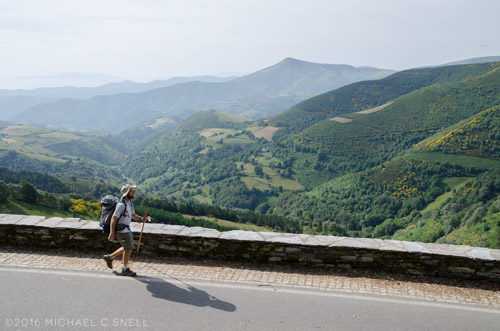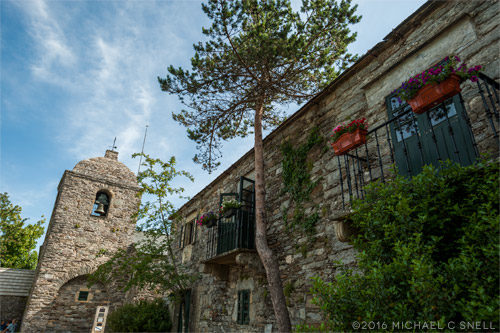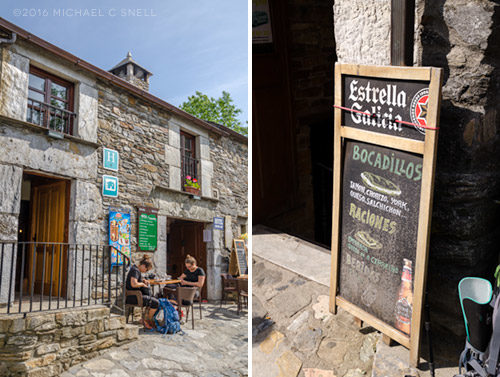
Category Archives: photography

Camino: to the End of the World

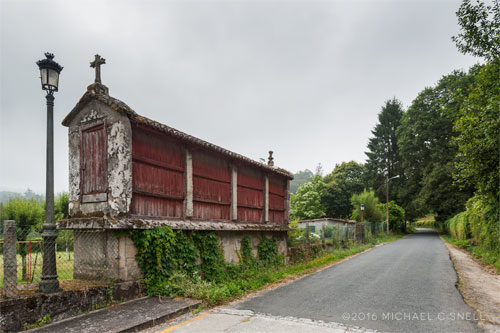
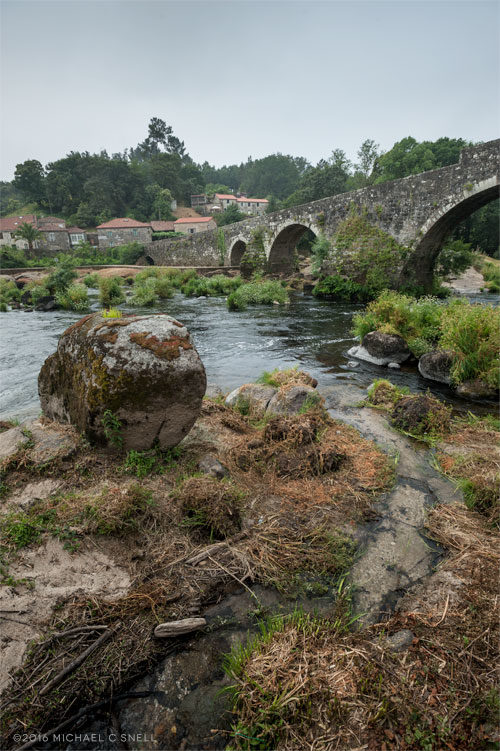
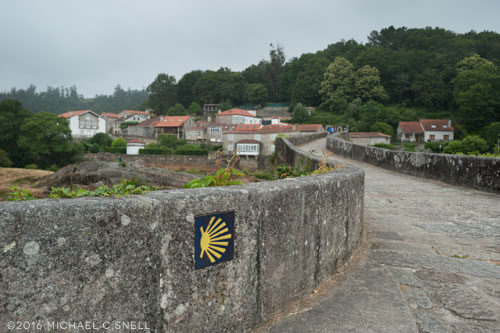
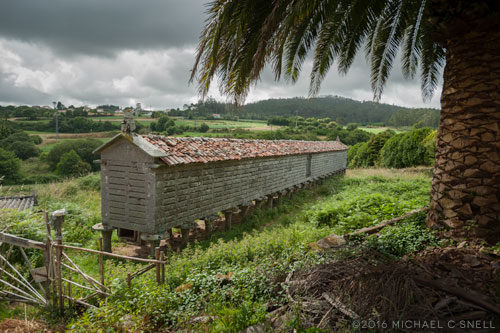
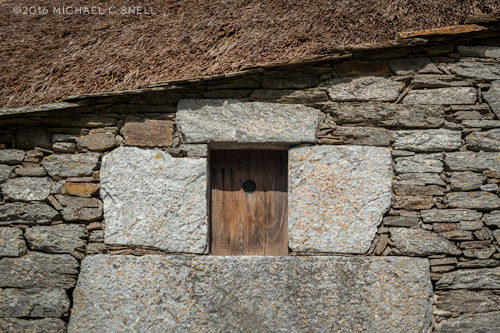
On my last day of exploring the Camino de Santiago as it travels through Galica, Spain, I felt like I really began to see the Galicia that I had imagined: the misty, green country that hugs a rugged Atlantic coastline. And stone hórreos everywhere — those built-for-all-time granaries that I had also longed to see. This one was at one of our first stops of the morning, Ponte Maceira, where there was also an ancient stone arch bridge marked with the scallop shells that show the pilgrims the way.

Another hórreo in the Galician countryside:

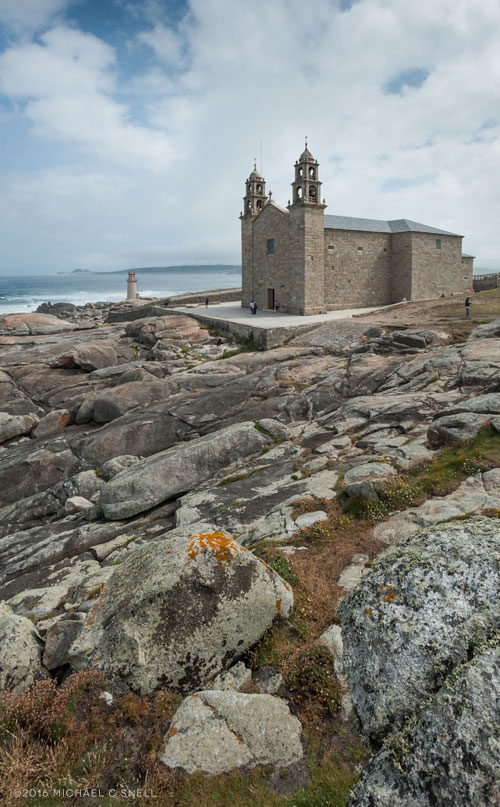
And then we came to the Atlantic. The Nosa Señora da Barca (Our Lady of the Boat) Church in Muxia has to be one of the most spectacularly situated buildings I’ve ever encountered. On days of rough seas I was told that the surf actually crashes through the church’s doors.

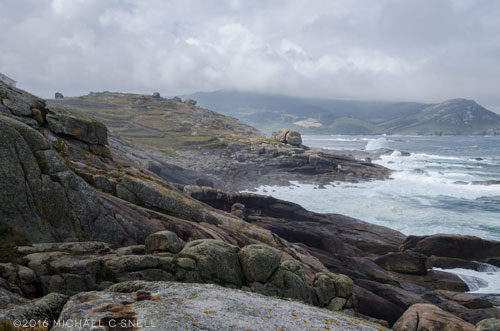
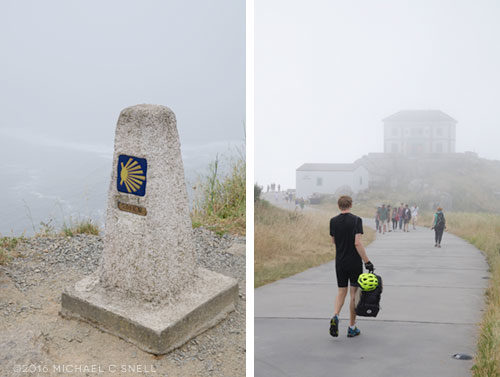
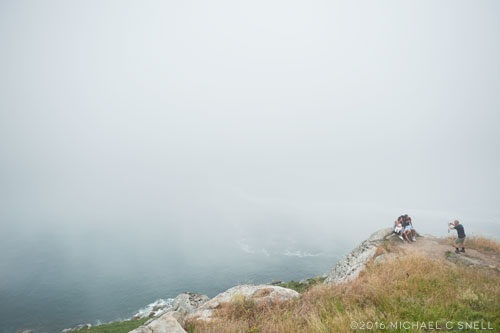
This is my kind of coastline. I know most prefer a sunny beach, but this is the kind of place that I could spend hours. But we had one more stop — Cape Finisterre, “the end of the world,” and the 0-mile mark for those pilgrims that continued on past the cathedral in Santiago de Compostela. You can’t continue further west from here on foot, that’s for certain.

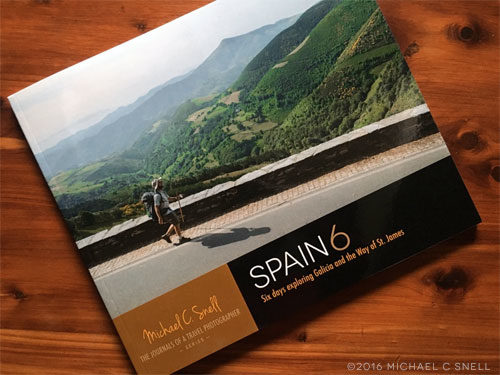
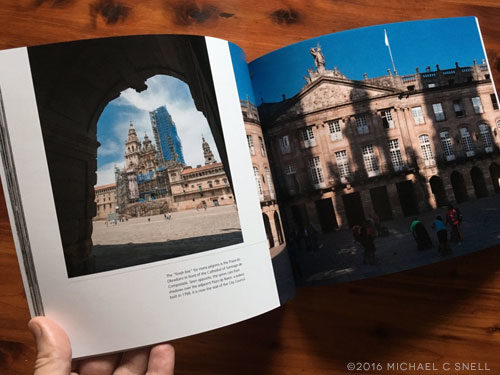
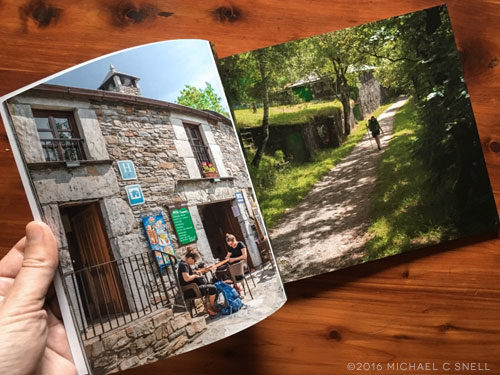
Many of the images that have appeared in my recent posts on the Camino — and many not shown here — appear in my latest addition to the “Journals of a Travel Photographer” book series, “Spain 6: Six days exploring Galica and the Way of St. James.” Here are a few snapshots of the book. You can see a larger preview and order copies over at my Blurb bookstore. I hope you enjoyed the journey!

Camino de Santiago: the Portuguese Route

Not all pilgrims walking the Camino de Santiago (or St. James’ Way) are coming from France, there are several routes including one that works its way north from Portugal. Situated on the Minho River, Tui is the first town encountered upon entering Spain and the fortress-like Cathedral of St. Mary makes quite the first impression.

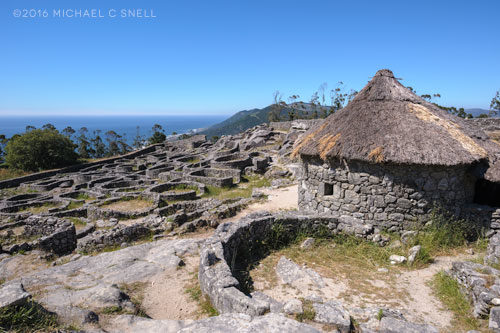
Where the Minho meets the Atlantic, there are ruins of an ancient Celtic Castro — a fortified settlement dating back to the 6th century BC.

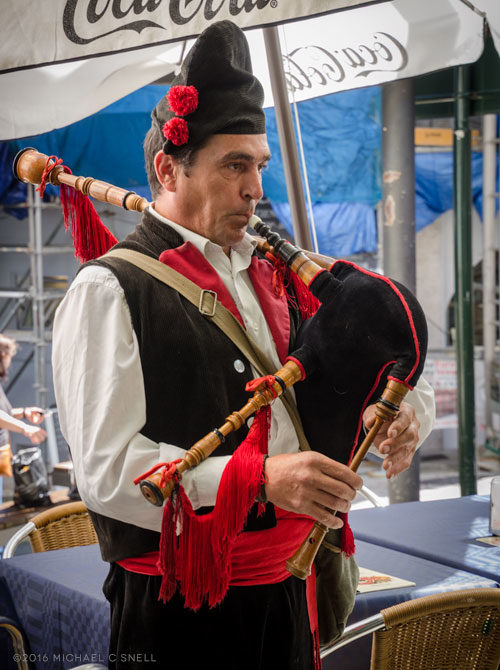
Evidence of the Celtic influence is still seen. Here a man plays Gaita galega, or Galician bagpipes in Vigo:

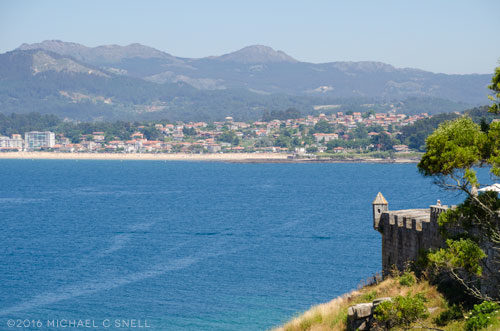
Further up the Atlantic coast at Baiona, there is a Parador with some stunning views:

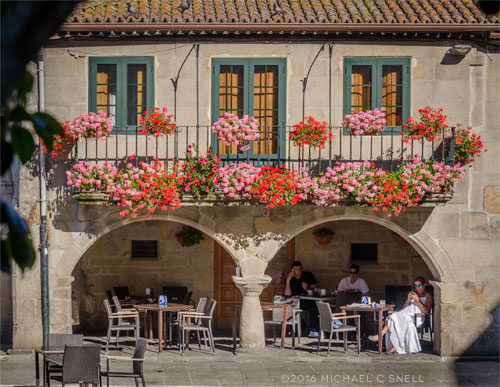
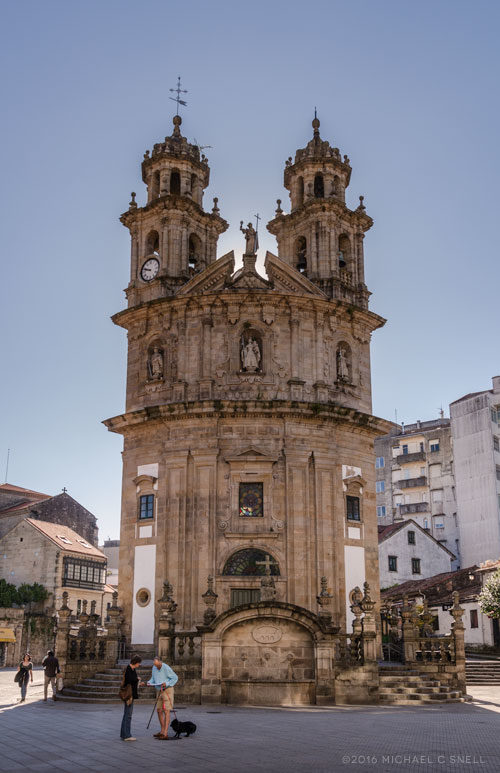
But coming back to the Camino, one of the highlights for me was the flower-filled town of Pontevedra and the Chapel of the Pilgrims, built in 1778.

More on the route from Santiago de Compostela to Cape Finisterre in the next post.

The Camino de Santiago: the Finish Line

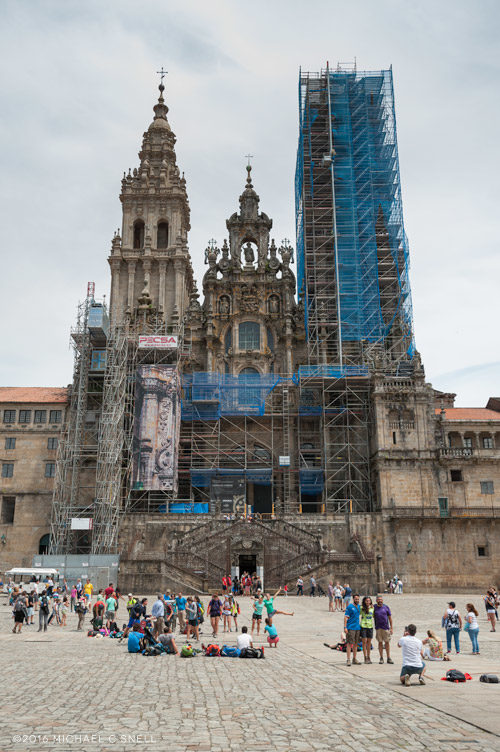
In my last few posts, I’ve been exploring the French Way – one of the pilgrimage routes of the Camino de Santiago – through Galicia. Now it’s time to take a look at where all those pilgrims have been headed: the Cathedral of Santiago de Compostela.

While some pilgrims continue on to Finisterre, the “end of the world,” this plaza is essentially mile 0 for the trek to see to the shrine of the apostle St. James. Many pause for photos in front of the Cathedral spires, others lie on their backs on the cobblestones and reflect on their journey.

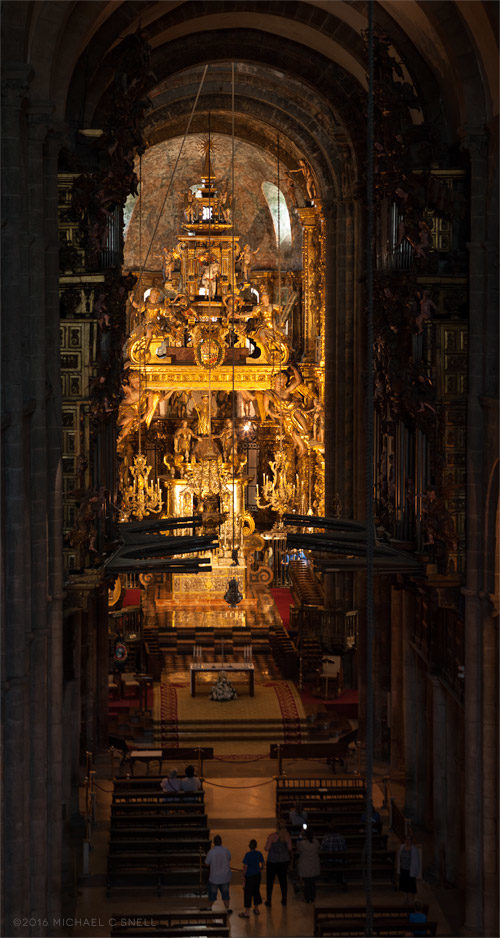
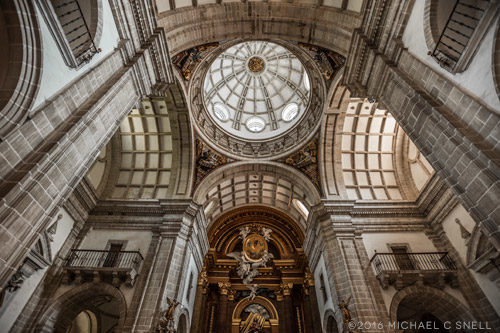
It’s a stunning cathedral on the inside and it is said to be the largest Romanesque church in Spain and one of the largest in Europe.

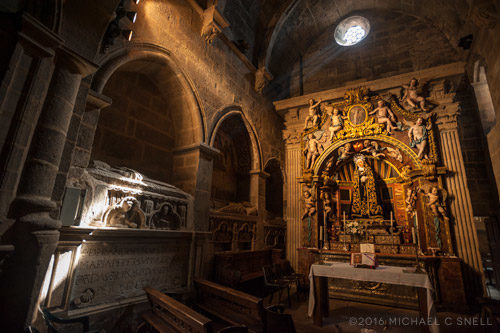
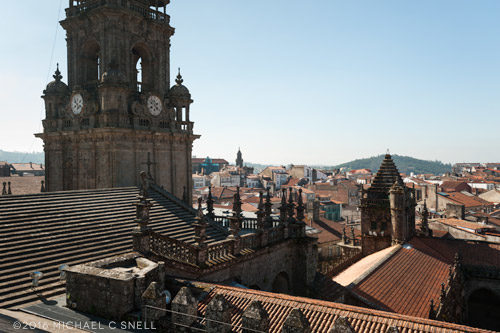
There are plenty of side chapels to explore and tours are even given to the roof, where you can take in some amazing views of the surrounding town.

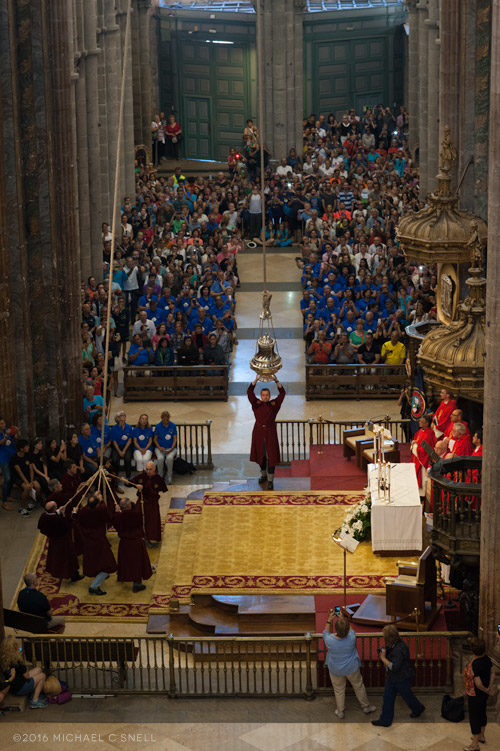
My tour of the cathedral ended with an opportunity to see the swinging of the Botafumeiro – a large incense burner made in 1851. A description of this on Wikipedia states, “eight red-robed tiraboleiros pull the ropes and bring it into a swinging motion almost to the roof of the transept, reaching speeds of 80 km/h.” It’s an incredible sight to see, for certain.

In the next posts, I’ll share some photos from another Camino route in Galicia – the one beginning in Portugal – and the route on west to Cape Finisterre.

The Camino, last stops on the French Way

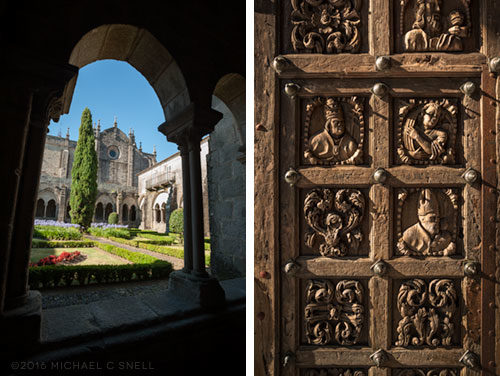
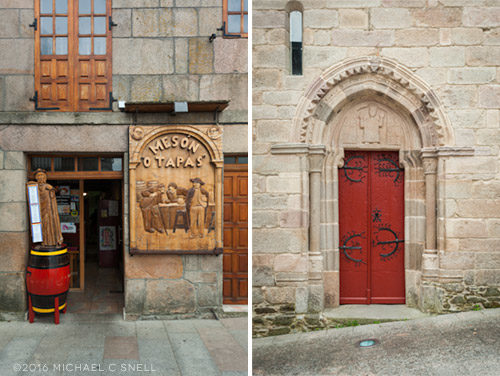
This rustic door welcomed us to another important and impressive site along the French Way in Galicia, Spain: the Church of Vilar de Donas, built in the 12th century.

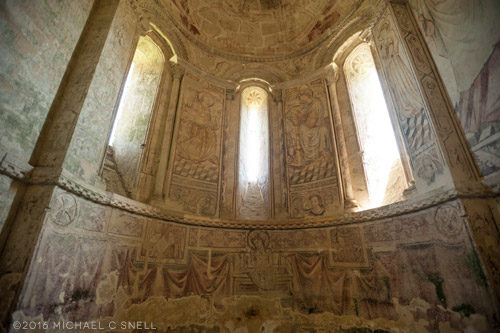
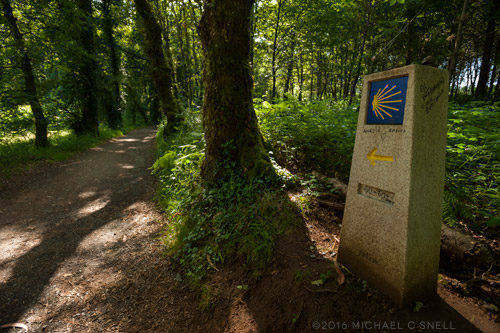
Inside, gothic frescos showed the passage of time. It was a cool respite from a day that was rapidly growing warmer, but we were soon out on the Camino again, following yellow arrows and shell markers on our way toward Santiago de Compostela.

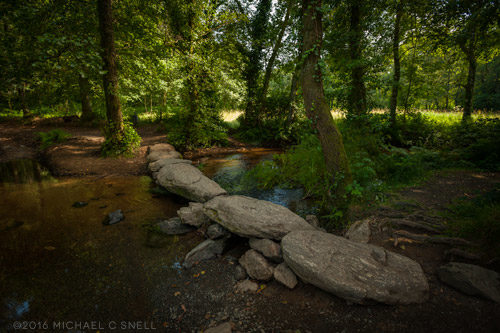
This simple stone bridge was a great surprise. I had walked such a short section of the Camino that I can only imagine what other similar surprises it holds.

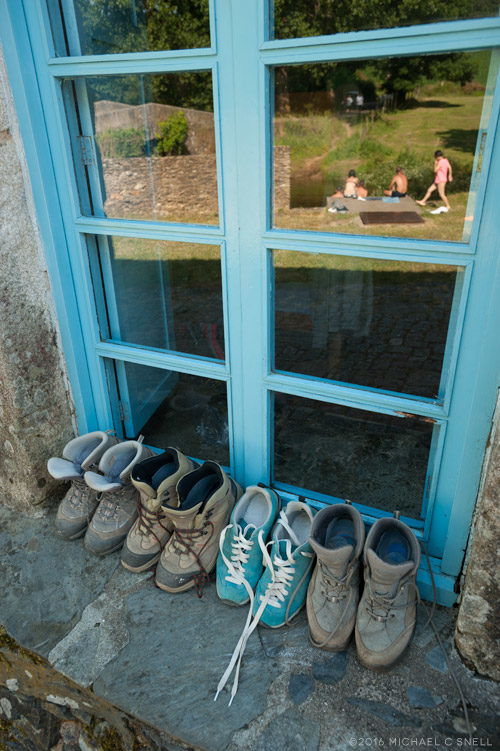
Arriving at the Albergue de Ribadiso da Baixo, we had a chance to see how the pilgrims cooled off on such a warm day. This swimming hole was adjacent to affordable lodging and restaurants for the weary travelers who were nearing their final destination.

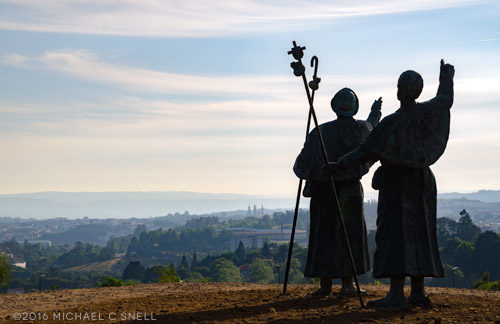
Monte do Gozo, the Hill of Joy, is the spot where pilgrims on the French Way get their first view of the Cathedral of Santiago de Compostela. This statue commemorates that moment and you can see the three spires of the Cathedral just to the left of the figures. In the next post, we’ll explore the Cathedral itself and see what awaits the pilgrims at the end of this epic journey.

The Camino, part 2

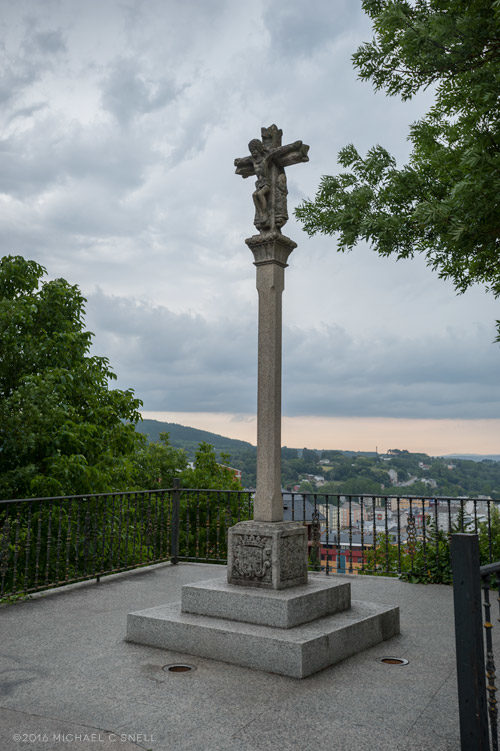
After exploring Samos, it was on to Sarria, Spain, as I followed the route of the Camino de Santiago as it crosses Galicia. Above is the cruceiro, or stone cross, in Sarria — one of many that mark the route to Santiago de Compostela.

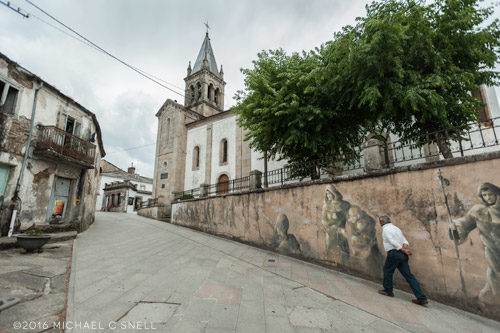
It was lightly raining when I arrived in Sarria, but I still took advantage of the opportunity to walk the Camino for a short distance to get a better feel for the route at a human scale.

The rain was coming down a bit harder as we arrived at the next stop, the Church of San Xoán (or Saint John) in Portomarín. This fortress-like church was moved piece by piece to higher ground when the Belesar reservoir was built in the 1960s so that it wouldn’t be lost when the waters rose.

The following morning we continued along the route, making our first stop at the 14th century Pambre Castle, one of the best preserved medieval fortresses in Galicia. It is currently being restored.

In the next post, we’ll explore the last stretch of the French Way and visit the Cathedral of Santiago de Compostela.

The Camino – the French Way

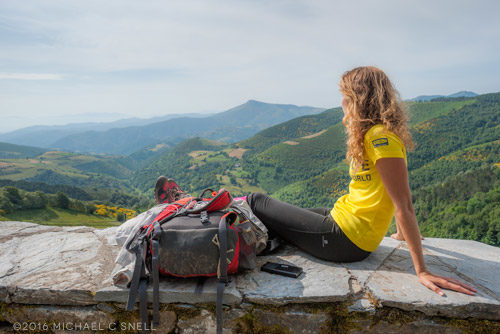
My first full day in Spain’s Galicia region began where pilgrims first enter Galicia when taking the French Way route of the Camino de Santiago. If they started on the French side of the Pyrenees mountains, they have already walked (or biked, or ridden horseback) hundreds of miles. The view from the entry point at O Cebreiro is quite a reward:

The small village is home to the Church of Santa María la Real (above) and provides services for pilgrims to rest, grab a sandwich, spend the night, and just enjoy the welcoming view of this green corner of Spain.

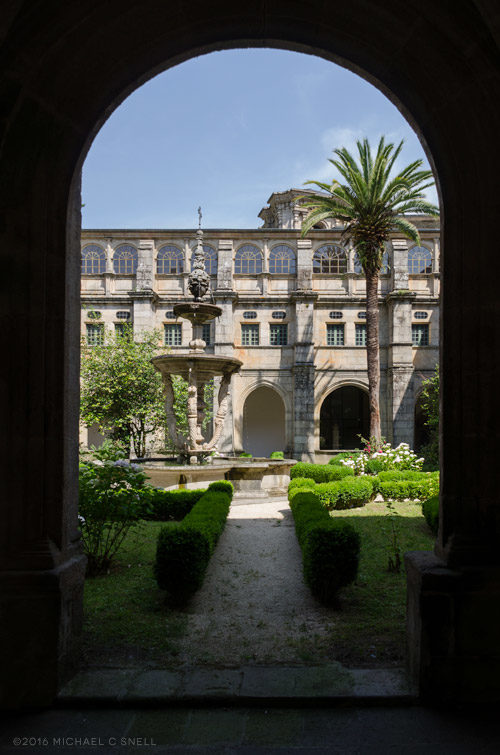
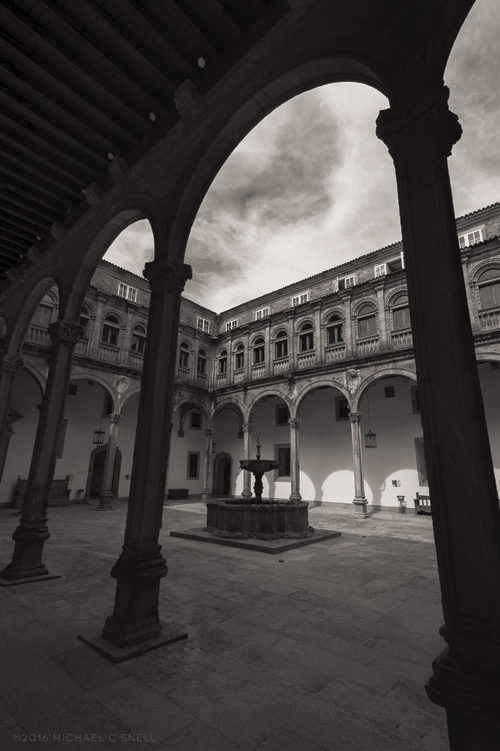
Next stop for me was the Monastery of St Julian of Samos. The building burned in 1558 and again in 1951 but was rebuilt both times and remains an active Benedictine monastery.

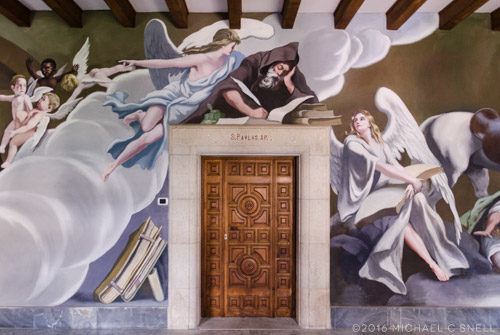
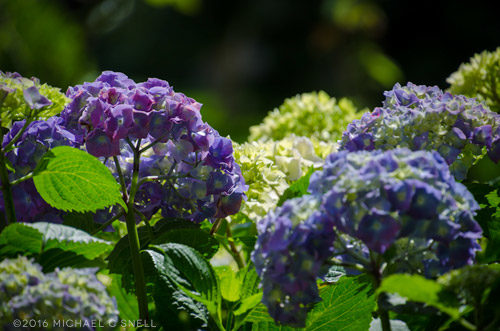
The hallways are covered in murals painted in a variety of styles and the gardens, at the time of my visit in July, were filled with blooming hydrangeas.

In the next posts, we’ll visit the town of Sarria and several other important sites the road toward Santiago de Compostela.

Galicia, Spain and the Way of St. James

I had a fairly busy year of travel photography in 2016 and I’m still trying to get caught up with processing everything and keeping my stock agencies fed. I’ve also been working on another of my “Journals of a Travel Photographer” books — this one on my trip to Galicia, Spain, in July of last year. It’s nearly finished up, but I thought I’d share a few images while I’m going through proofing, etc. Not all of these images will be in the book. Some are ones I ran across while doing the initial edits and I just didn’t have room for them. Case and point, the image above of my hotel for the first few nights, the Parador de Santiago de Compostela.

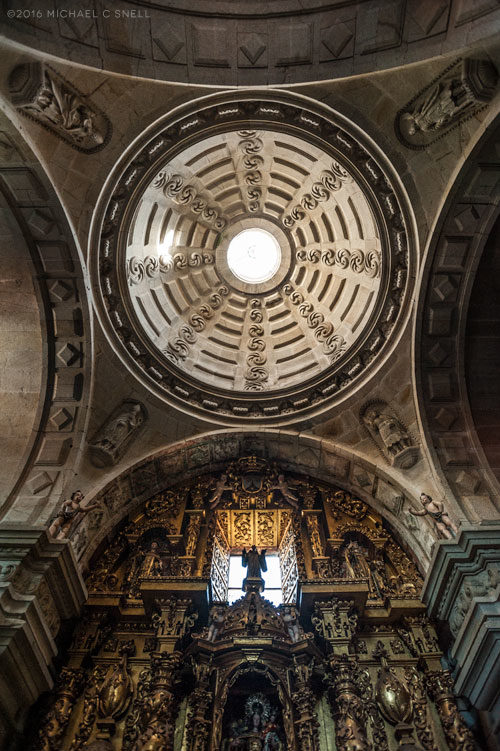
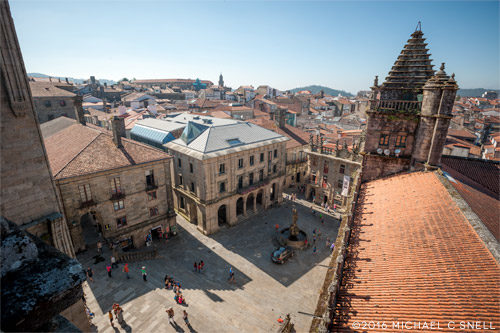
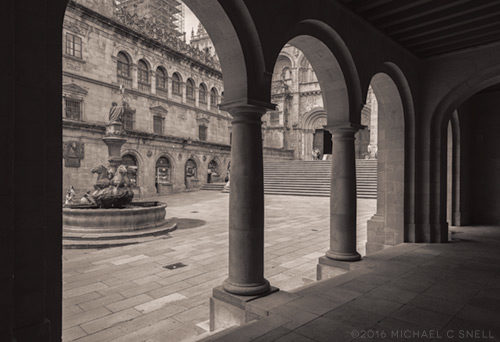
The shot above is from the chapel located within the Parador and the one following is a scene from one of the squares that surrounds the Cathedral, located adjacent to the hotel.

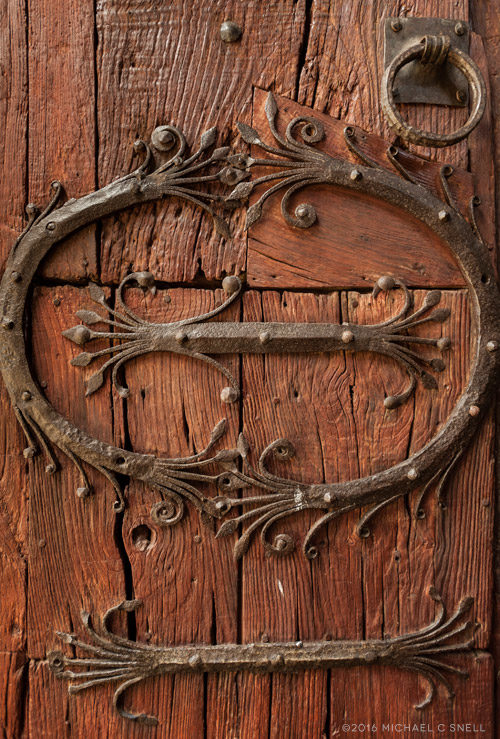
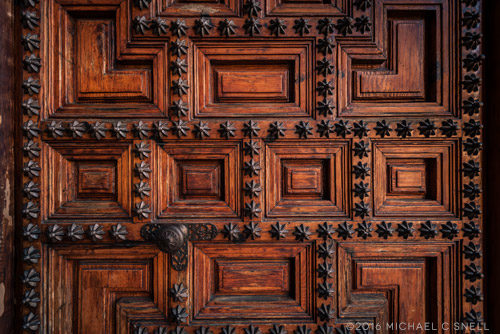
And that’s one of the massive front doors to the Parador. These are a few images I made just after arriving in Santiago de Compostela. In the following days I would explore the Galician sections of several pilgrimage routes known as the Camino de Santiago, or the Way of St. James. It was an amazing trip to a part of Spain I’d been wanting to visit for quite a while. I’ll share more in the next few posts, starting with the French Way as it crosses the border of Galicia and makes its way toward Santiago de Compostela.

Birding in Extremadura, Spain

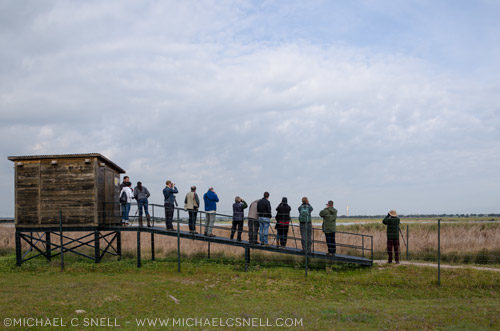
Spain is a great place for anyone with an interest in birds and Extremadura’s birdwatching fair, FIO, will be held from February 24 through 26 this year. I was fortunate enough to get to attend the 2016 event last March and I had a great time. While I’m no bird expert, I do enjoy photographing a wide range of subjects — birds included — and it’s always great to hang around with a bunch of people who are passionate about something. Plus, spending a great deal of time in the Extremaduran countryside ain’t bad either. For those unfamiliar, Extremadura is a beautifully wild region of Spain lying west of Madrid and east of Portugal.

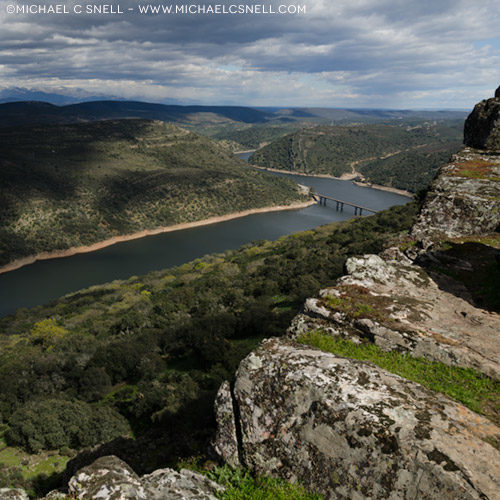
We started our bird-watching experience at the Castillo de Monfrague in Monfrague National Park, which offers panoramic views and a great platform for watching the large raptors that inhabit the area.

170103birding01_sotc

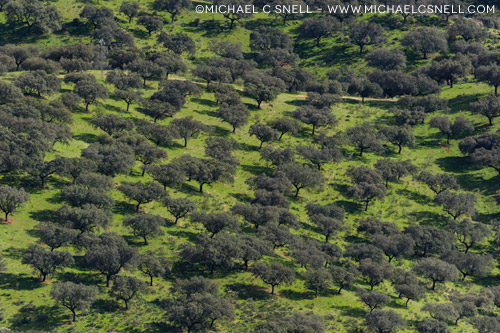
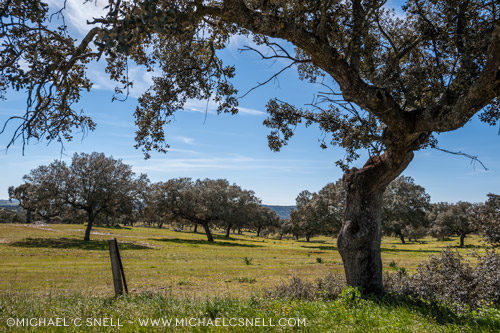
Much of the surrounding landscape is what is called “dehesa,” a kind of pastureland with widely dispersed trees — typically oak. The overhead view provided by the Castillo’s high perch helps illustrate what it looks like:

170103birding02_sotc

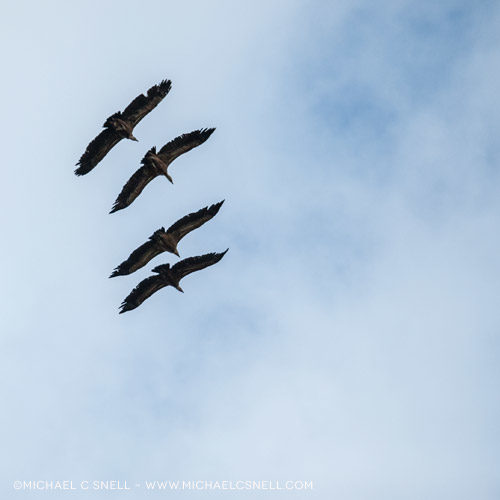
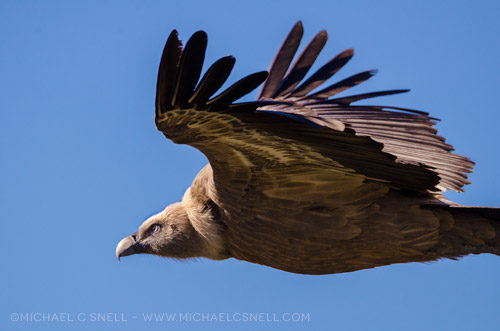
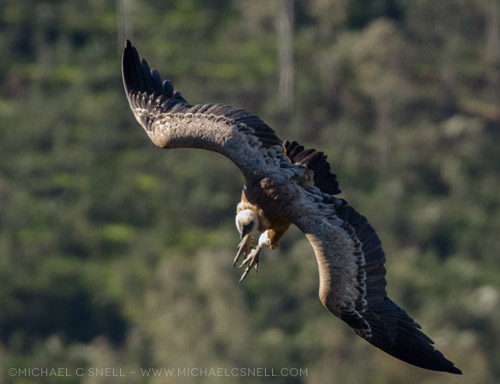
As the air begins to warm in the morning, various large raptors — including Griffon Vultures — begin riding the thermals. Again, the castle provides a perfect viewing platform as they spiral upward and overhead. I had the opportunity to photograph them from below, from eye-level, and from above as they would swoop back down to their nests in the cliffs below.

170103birding03_sotc

170103birding04_sotc

170103birding05_sotc

As large and close as these birds were, I was still happy to be testing out the then-new Tamron 150-600mm lens. A second generation has since been released, but I found little to fault with my original version and I especially appreciated the Vibration Control that allowed me to hand-hold all of these shots.

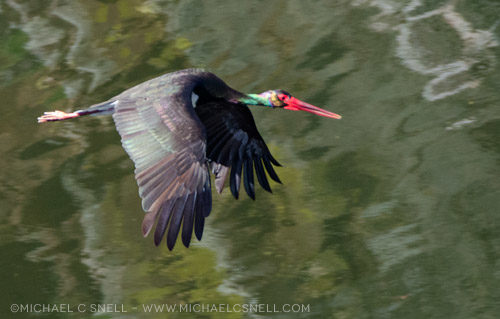
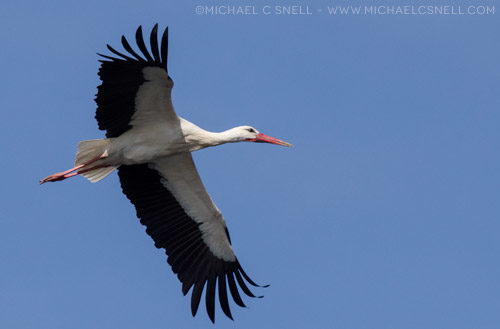
Down in the valley, we also spotted Black Storks. I can’t think of many creatures I’ve seen that look more prehistoric than these colorful birds.

170103birding06_sotc

And, of course, we would see plenty of White Storks as well. These inhabit nests found on many of the rooftops and chimneys in Extremadura and are hard to miss due to the clattering sound they make with their bills.

170103birding12_sotc

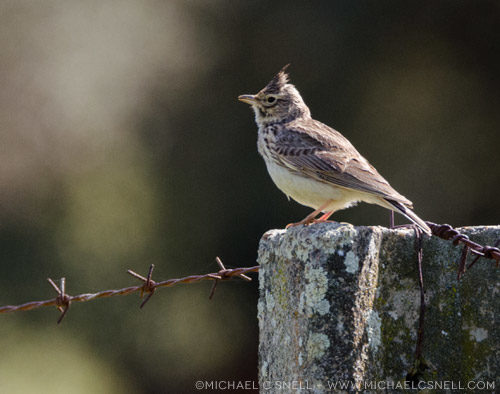
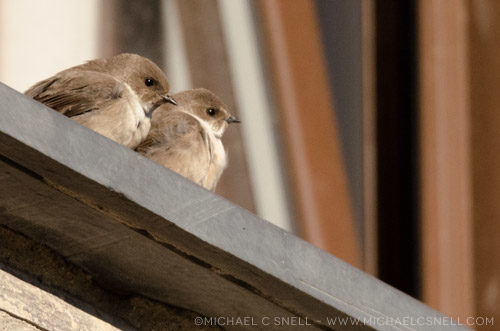
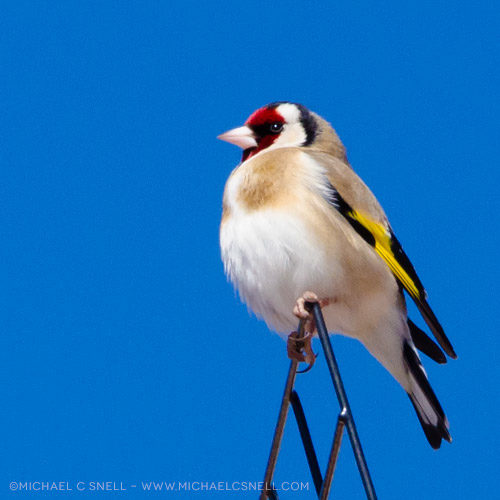
Not all of the birds were large. There were also plenty of smaller varieties, too. Below are a Thekla Lark, a pair of Crag Martins, and a European Goldfinch. I hope I have these names right — if not, it’s no reflection on my very knowledgable guides but my own inability to retain information!:

170103birding10_sotc

170103birding07_sotc

170103birding08_sotc

To be honest, the smaller birds were much harder to capture at the pace at which we were traveling. Their movements were much swifter and it is really best to wait out in a spot and let them come perch near you. Still, we managed to log quite a few different species as we roamed the countryside.

170103birding13_sotc

That’s a few of our gang of birders, photographers, and birding tour operators on the lookout for the next bird-of-interest. I truly enjoyed hanging out with these folks and learning more about the birding opportunities in Extremadura. The fair (FIO) comprises a sort of “tent village” with stands that feature information about birding in the area, gear for birders and even birding-related arts and crafts. There was a very impressive show of bird photography as well. It’s a great event for those with such an interest.

I’ll never see the landscape of Extremadura in the same way again, now that I know that it is home to so many diverse species of birds. I now notice that the sky is seldom empty in this part of Spain and my eyes will continue to glance upward to see who is overhead. I’ll leave you with one more landscape shot of the region we were exploring, and I’ll follow with a post about some of the villages we encountered along the way.

170103birding11_sotc

2015 Sichuan International Cultural Tourism Festival

150923yibin01_sotc

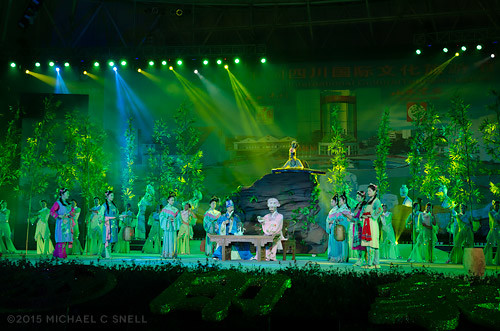
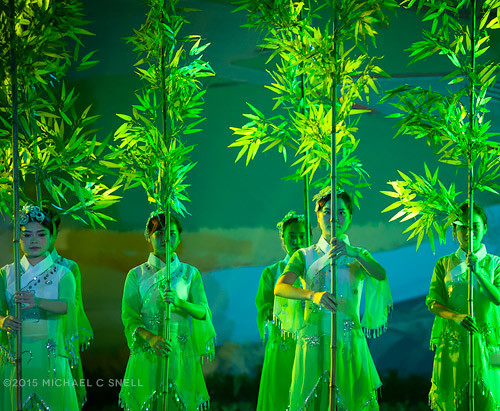
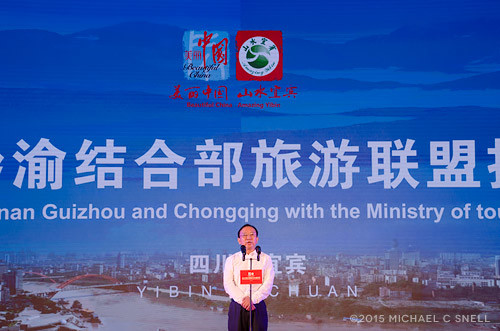
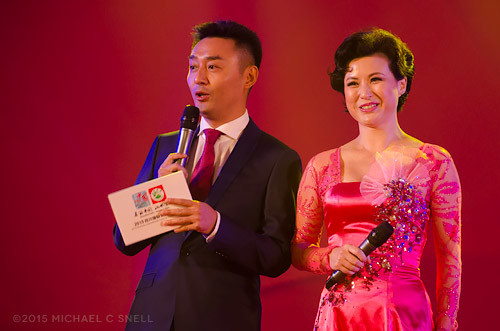
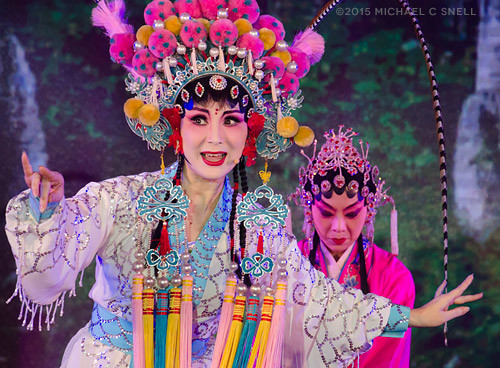
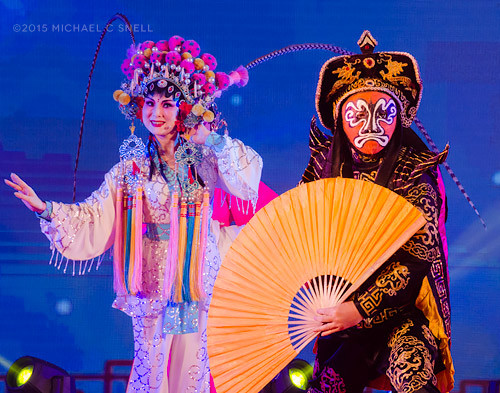
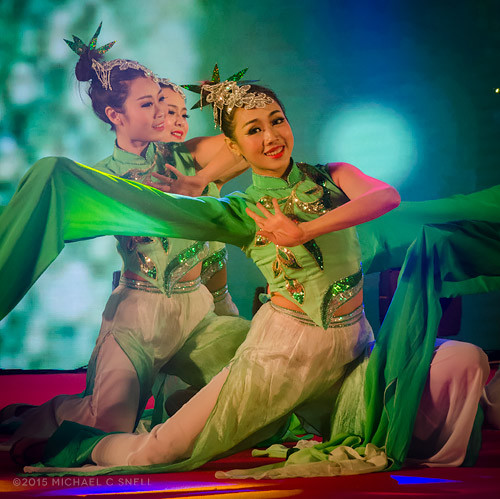
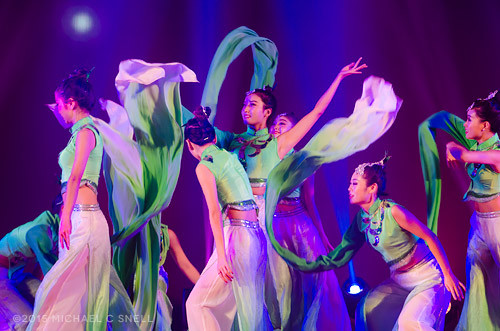
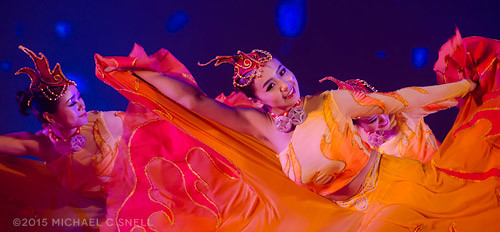
The day following our bamboo forest adventure was the actual opening ceremony of the 2015 Sichuan International Cultural Tourism Festival in Yibin, China. That meant less touring and more — what else? — live performances. Here are a few photos from the event.

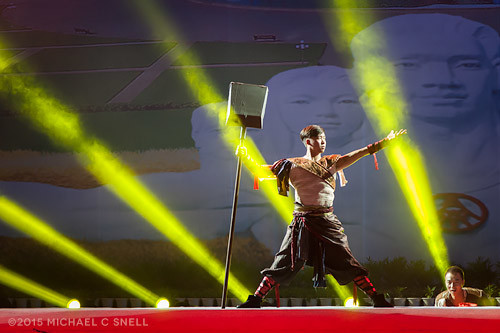
Photographing it was a bit of a challenge since the backdrop was one of the largest flat panel video displays that I have ever seen. At times the pixel grid would line up with my sensor grid and I’d get some crazy moire patterns. Even more issues would appear when I’d preview images on my camera’s screen, because I then added another pixel grid into the equation. In the end, I experimented with shutter speeds and shallow depth of field to try and de-emphasize the backdrop as much as possible.

This would actually be my last day as a part of the official tourism festival but I would stay on a couple more days to see some other parts of Sichuan Province. I’ll cover those explorations in the coming posts.

150923yibin02_sotc

150923yibin03_sotc

150923yibin04_sotc

150923yibin05_sotc

150923yibin06_sotc

150923yibin07_sotc

150923yibin09_sotc

Best. Factory tour. Ever.

150915yibin02_sotc

Sorry! Long post ahead. Day Two of my adventure in China’s Sichuan province started with checking out of my Chengdu hotel and finding my bus assignment for the core of the 2015 Sichuan International Cultural Tourism Festival. Bus 23 would be my home for the next few days.

Literally hundreds of tour operators and travel journalists had been invited to the festival and would all descend on the city of Yibin to learn what the region has to offer to travelers. The scope of the event became apparent as my bus joined a motorcade of buses that never stopped as they made their way toward Yibin. (I eventually saw vehicles numbered as high as 99 but I’m guessing that the total number of vehicles in our motorcade was well over 100 at times. In some places, people were lining the streets to watch it roll by.) Whenever we went through a town, every intersection was controlled by traffic control police so that we could make our way unimpeded. It was surreal to see the manpower that had been brought out and to see the efficiency of the workforce. Quite amazing.
150915yibin01_sotc

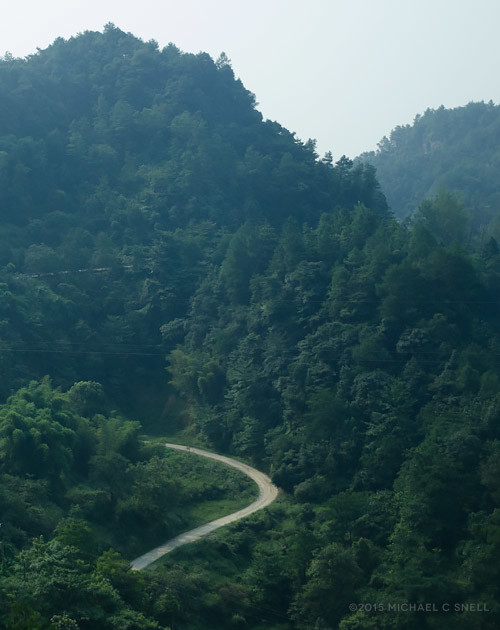
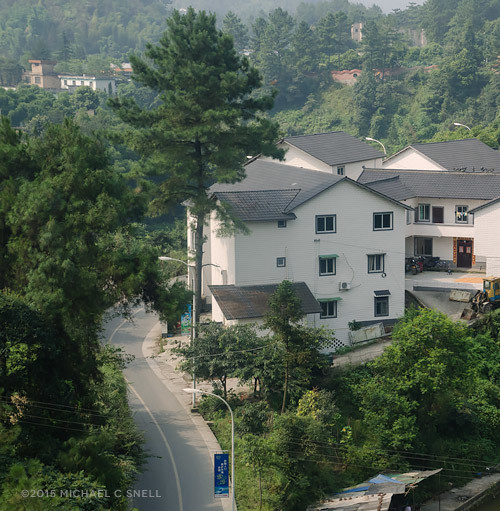
So these first two shots were literally taken through the bus window as we hurtled through the countryside. The landscape was amazing and I saw many areas that I would have loved to have lingered but we were obviously on our way somewhere, and the schedule was out of my hands. The itinerary had been changing frequently and every morning we were verbally given the most recent updates. Today, apparently, we would be stopping for lunch at a distillery.

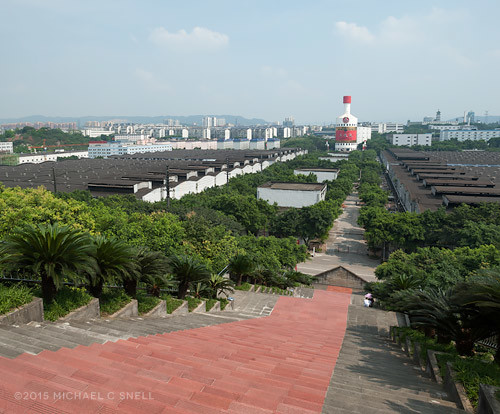
You’d think I’d have learned by now, but — when in China — always expect something bigger than you would first imagine. Though I hadn’t seen it with my own eyes yet, this is the distillery that we would be visiting: the Wuliangye alcoholic beverage company.
150915yibin15_sotc

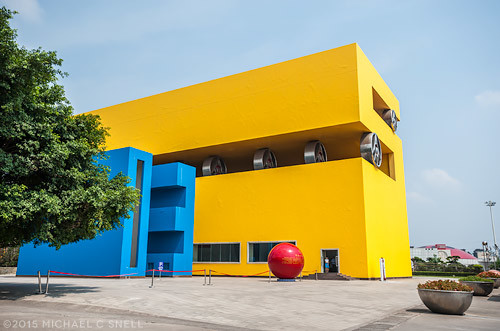
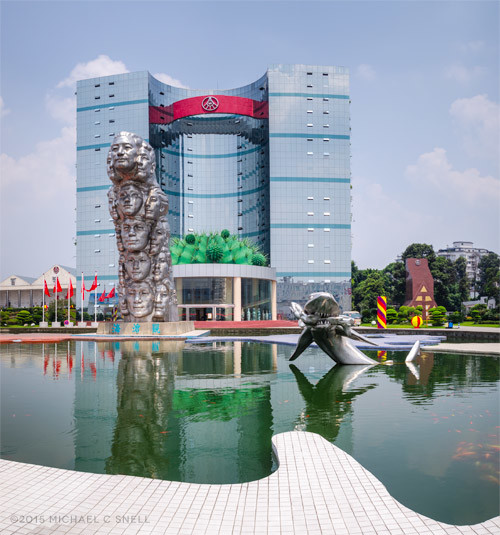
The complex is enormous and — yes — one of the buildings is shaped like a large bottle of alcohol. My head was swimming a bit but I believe I recall them saying that there were over 65,000 employees.

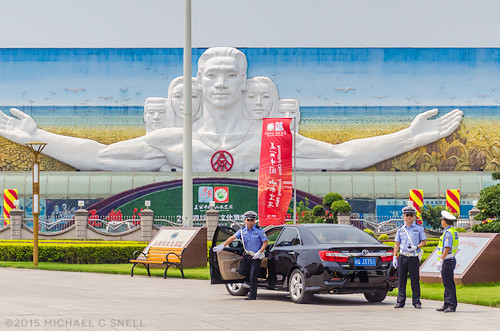
My first sight of the “campus” was actually in what I would assume is the visitor center area as well as the corporate offices. Our parade of buses rolled to a stop and we got out here:
150913yibin03_sotc

I love the architecture.

150915yibin14_sotc

150915yibin04_sotc

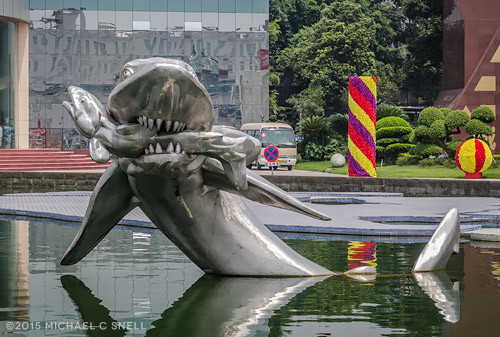
The buildings, the landscaping, the sculptures…
150915yibin05_sotc

I’ve been to a lot of distilleries in my life (don’t judge) but I honestly wasn’t prepared for anything like this. I loved the grandeur and the spectacle of the place.

We had a quick buffet lunch and were then given a tour of several galleries showcasing the products and accomplishments of Wuliangye. There was a “3D” film in an IMAX-style theater that assaulted you with flyovers of the Chinese countryside. There was a presentation on the history of Wuliangye, how it was developed and how it became the incredibly popular and successful product that it is today.

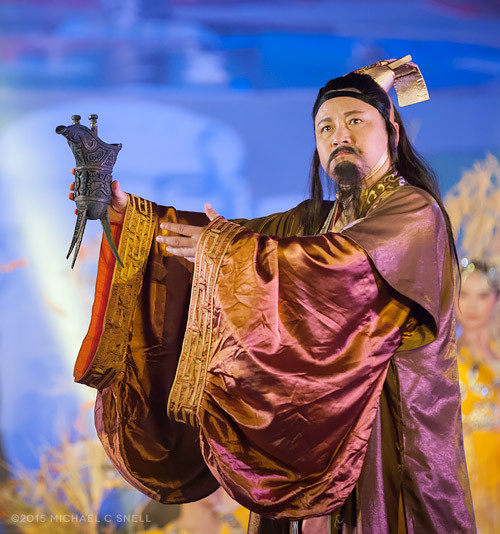
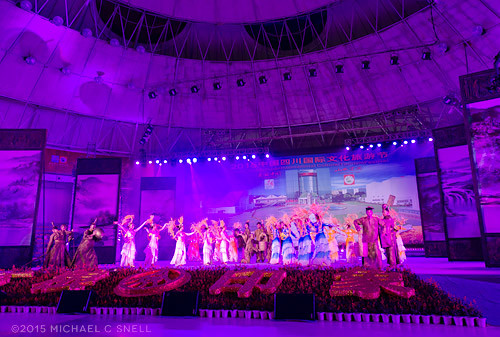
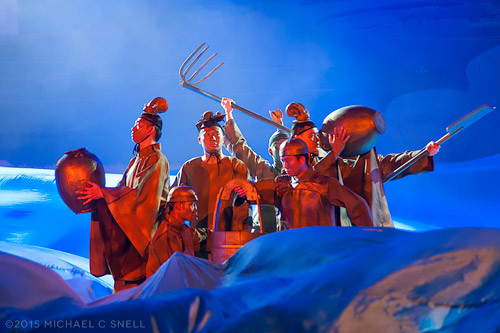
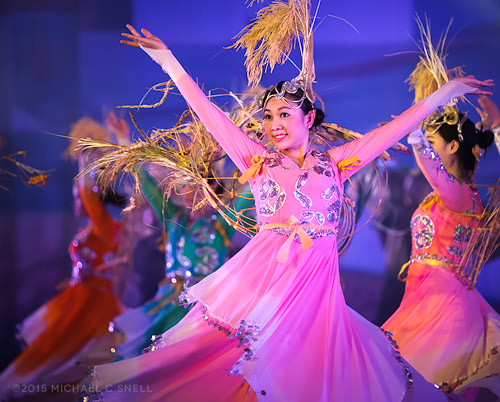
That’s right. A history presentation. Anywhere else in the world, this probably would have been done via a quirky, stiff industrial video. But not here. Not in China. We experienced a live-action history presentation in a giant, domed structure with a cast of colorfully costumed performers.
150915yibin06_sotc

I’m tempted to stop here and let you all catch your breath. Maybe save the rest for a “part 2” post but, no, I’ll just keep going so that you can enjoy the full ride just like I did. Enjoy the show:
150915yibin07_sotc

150915yibin08_sotc

150915yibin09_sotc

150915yibin10_sotc

150915yibin11_sotc

150915yibin12_sotc

150915yibin13_sotc

After the show, we boarded our buses again, but we weren’t finished at Wuliangye. We made two or three more stops — one with a marching band at a pagoda, one with the big overlook of the entire factory complex I showed before, one with a showroom of many specialty bottles of Wuliangye sporting price tags that were difficult to comprehend.

Back on bus #23, we were told our next stop would be at a historical village. It was clear that we would be continuing our tour of the incredible land of contrasts that is China. More on that, next time…