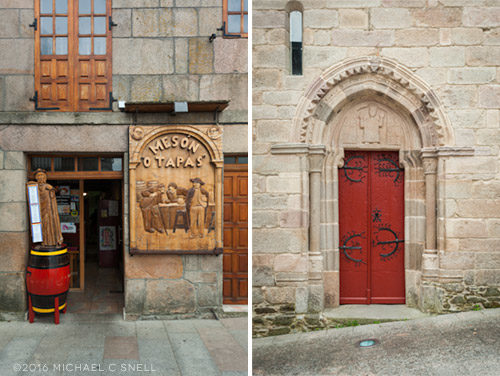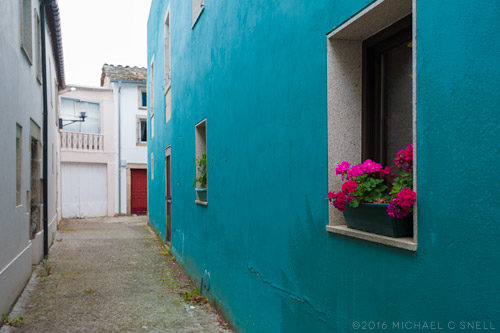
Category Archives: architecture

Camino: to the End of the World

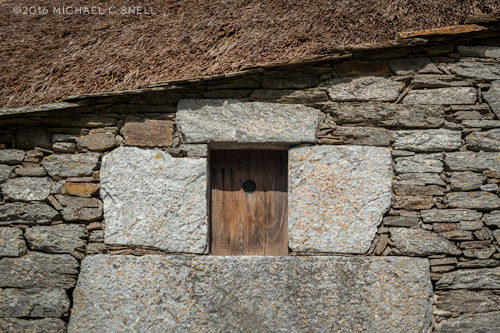
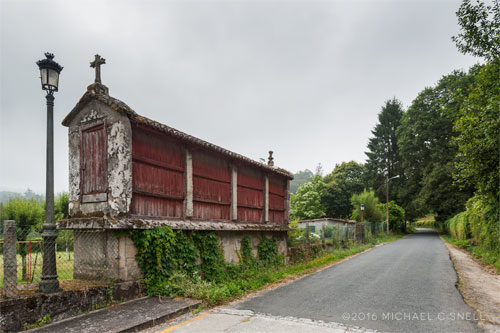
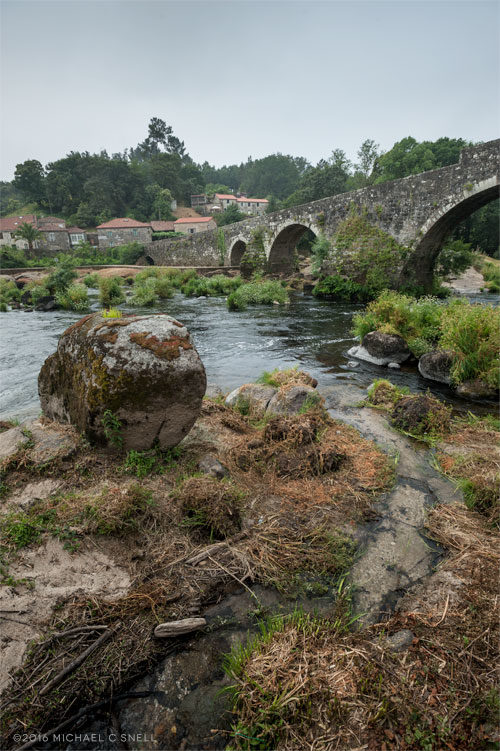
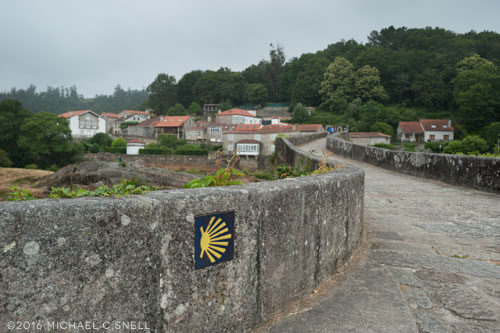
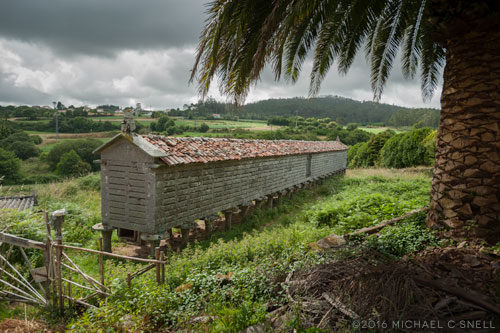
On my last day of exploring the Camino de Santiago as it travels through Galica, Spain, I felt like I really began to see the Galicia that I had imagined: the misty, green country that hugs a rugged Atlantic coastline. And stone hórreos everywhere — those built-for-all-time granaries that I had also longed to see. This one was at one of our first stops of the morning, Ponte Maceira, where there was also an ancient stone arch bridge marked with the scallop shells that show the pilgrims the way.
Another hórreo in the Galician countryside:
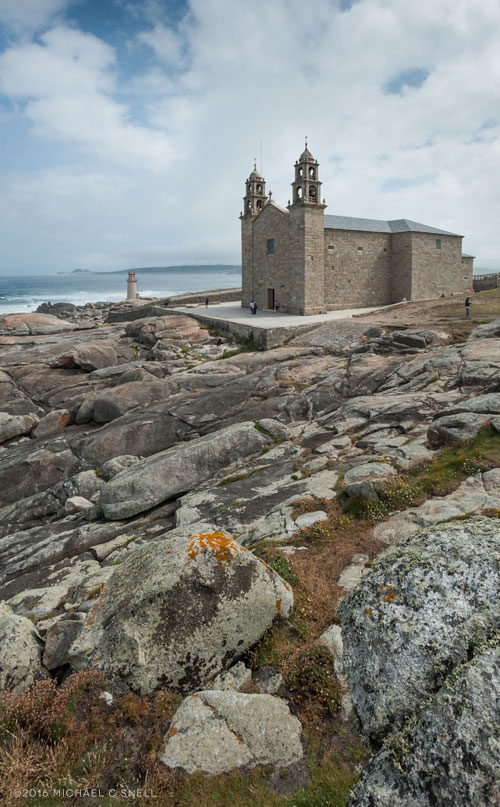
And then we came to the Atlantic. The Nosa Señora da Barca (Our Lady of the Boat) Church in Muxia has to be one of the most spectacularly situated buildings I’ve ever encountered. On days of rough seas I was told that the surf actually crashes through the church’s doors.
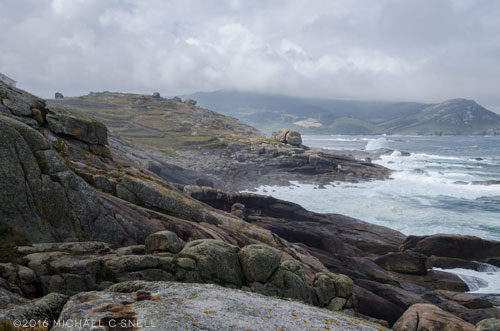
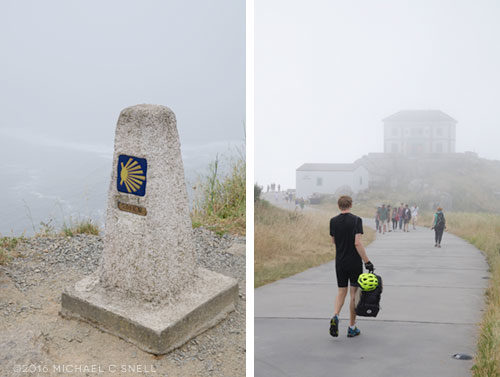
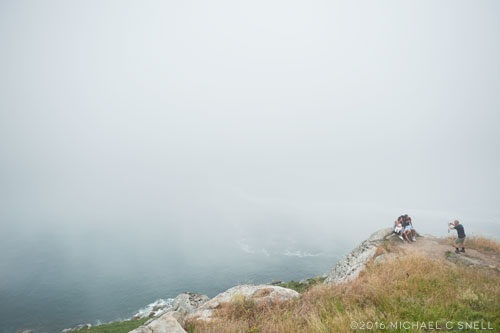
This is my kind of coastline. I know most prefer a sunny beach, but this is the kind of place that I could spend hours. But we had one more stop — Cape Finisterre, “the end of the world,” and the 0-mile mark for those pilgrims that continued on past the cathedral in Santiago de Compostela. You can’t continue further west from here on foot, that’s for certain.
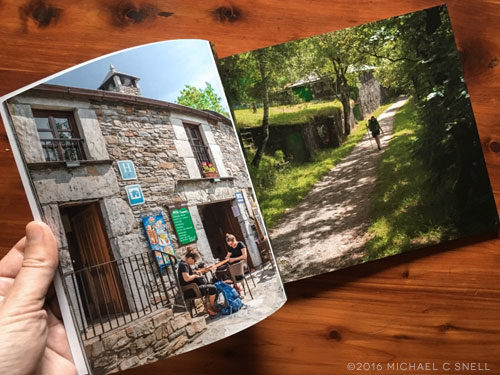
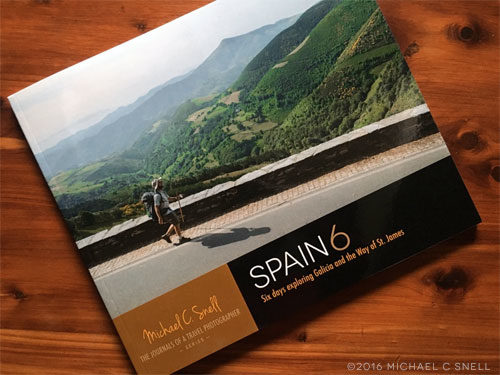
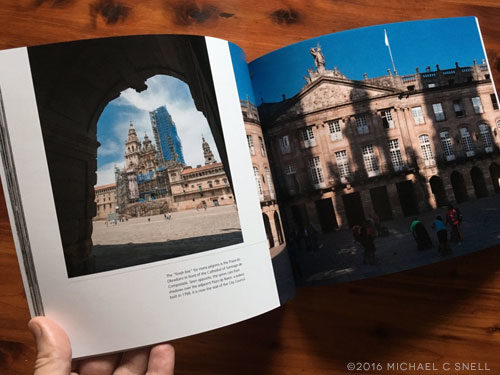
Many of the images that have appeared in my recent posts on the Camino — and many not shown here — appear in my latest addition to the “Journals of a Travel Photographer” book series, “Spain 6: Six days exploring Galica and the Way of St. James.” Here are a few snapshots of the book. You can see a larger preview and order copies over at my Blurb bookstore. I hope you enjoyed the journey!
Camino de Santiago: the Portuguese Route

Not all pilgrims walking the Camino de Santiago (or St. James’ Way) are coming from France, there are several routes including one that works its way north from Portugal. Situated on the Minho River, Tui is the first town encountered upon entering Spain and the fortress-like Cathedral of St. Mary makes quite the first impression.

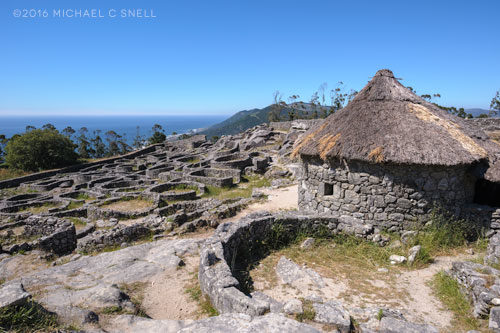
Where the Minho meets the Atlantic, there are ruins of an ancient Celtic Castro — a fortified settlement dating back to the 6th century BC.

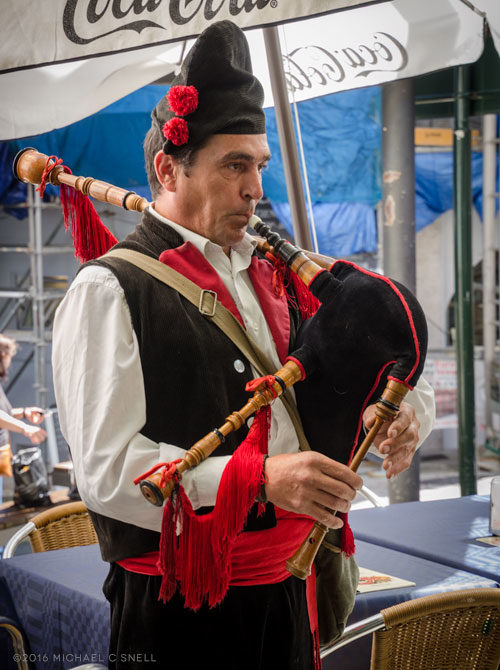
Evidence of the Celtic influence is still seen. Here a man plays Gaita galega, or Galician bagpipes in Vigo:

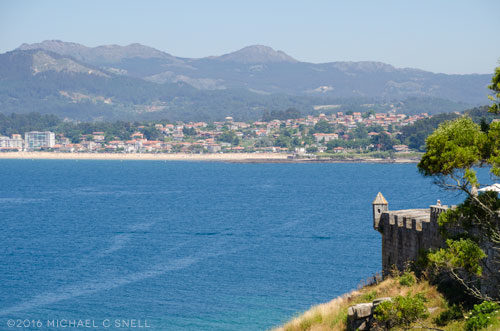
Further up the Atlantic coast at Baiona, there is a Parador with some stunning views:

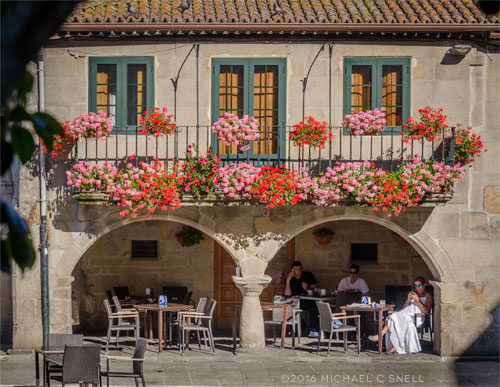
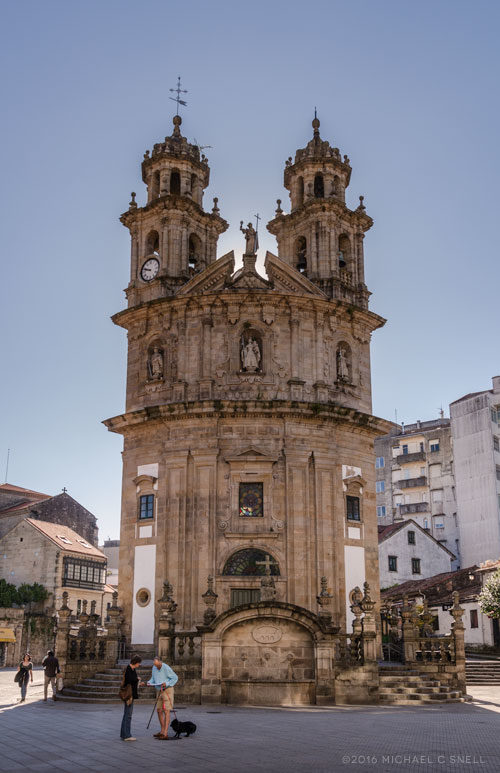
But coming back to the Camino, one of the highlights for me was the flower-filled town of Pontevedra and the Chapel of the Pilgrims, built in 1778.

More on the route from Santiago de Compostela to Cape Finisterre in the next post.

The Camino de Santiago: the Finish Line

In my last few posts, I’ve been exploring the French Way – one of the pilgrimage routes of the Camino de Santiago – through Galicia. Now it’s time to take a look at where all those pilgrims have been headed: the Cathedral of Santiago de Compostela.

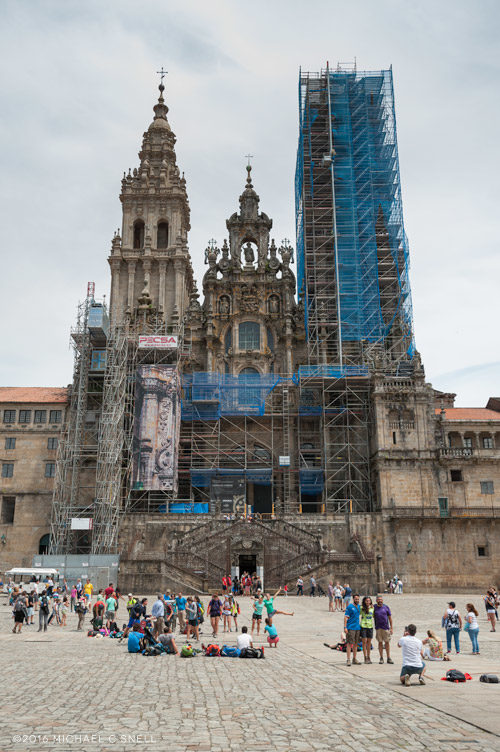
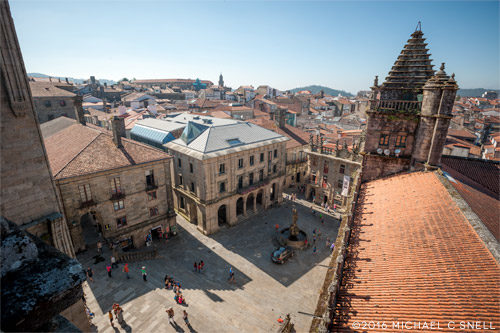
While some pilgrims continue on to Finisterre, the “end of the world,” this plaza is essentially mile 0 for the trek to see to the shrine of the apostle St. James. Many pause for photos in front of the Cathedral spires, others lie on their backs on the cobblestones and reflect on their journey.

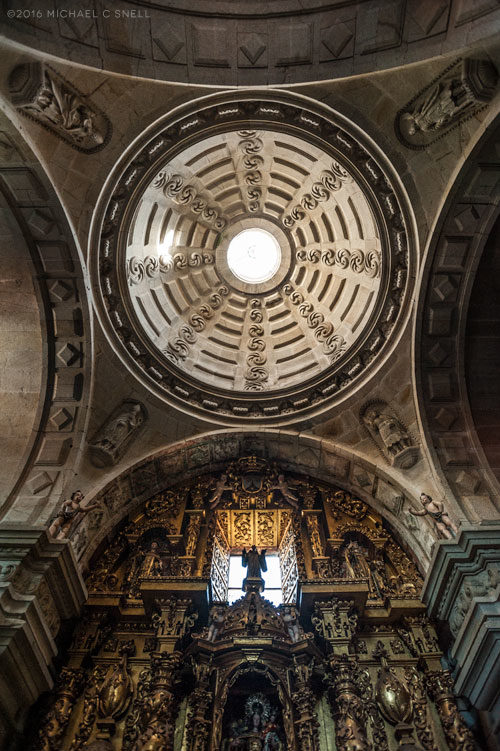
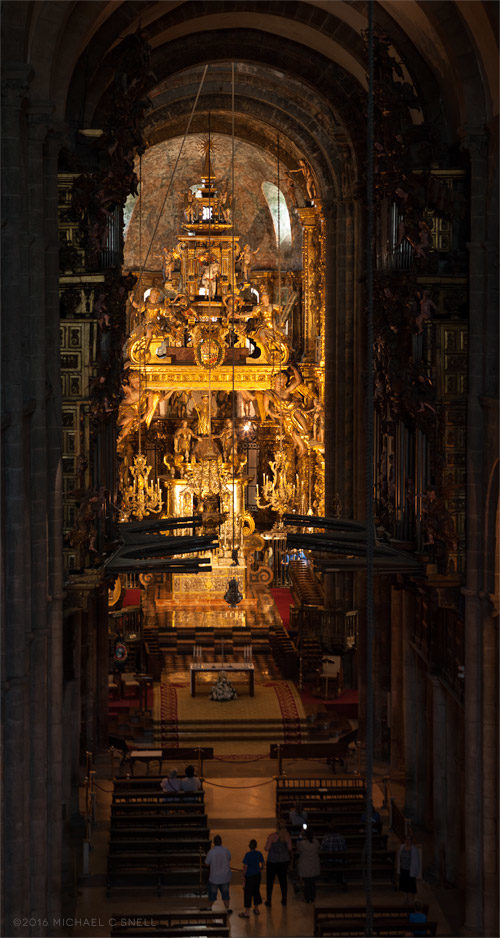
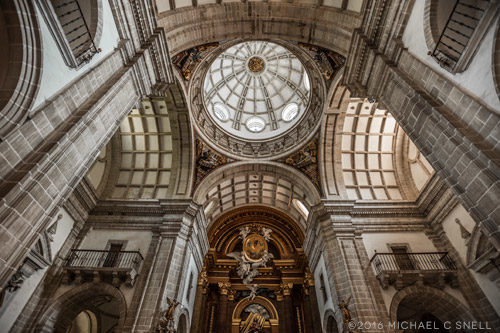
It’s a stunning cathedral on the inside and it is said to be the largest Romanesque church in Spain and one of the largest in Europe.

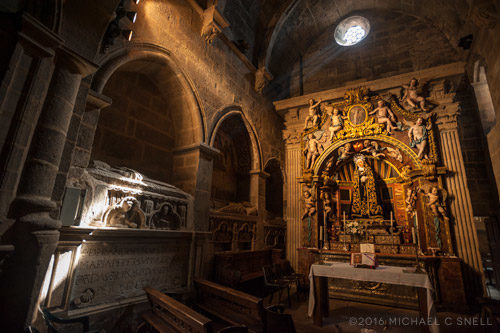
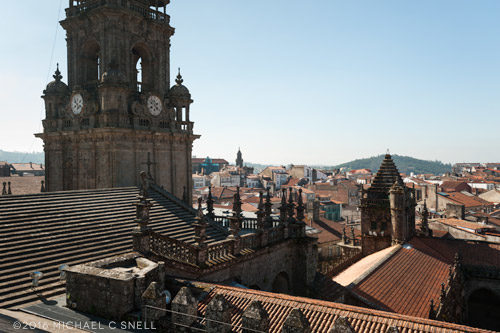
There are plenty of side chapels to explore and tours are even given to the roof, where you can take in some amazing views of the surrounding town.

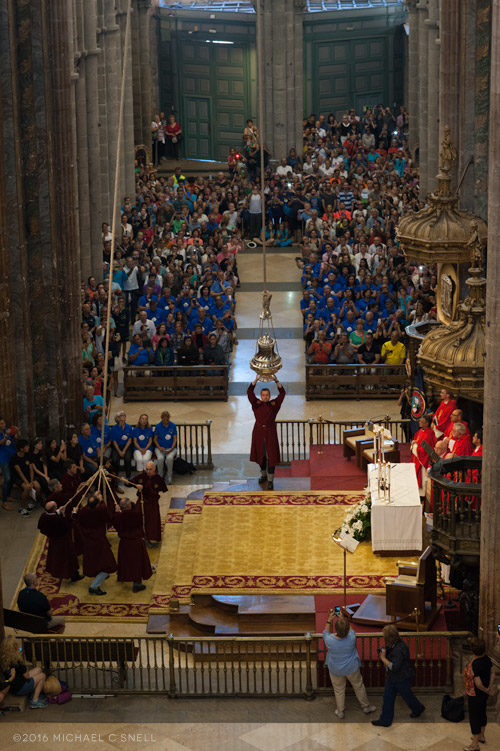
My tour of the cathedral ended with an opportunity to see the swinging of the Botafumeiro – a large incense burner made in 1851. A description of this on Wikipedia states, “eight red-robed tiraboleiros pull the ropes and bring it into a swinging motion almost to the roof of the transept, reaching speeds of 80 km/h.” It’s an incredible sight to see, for certain.

In the next posts, I’ll share some photos from another Camino route in Galicia – the one beginning in Portugal – and the route on west to Cape Finisterre.

The Camino, part 2

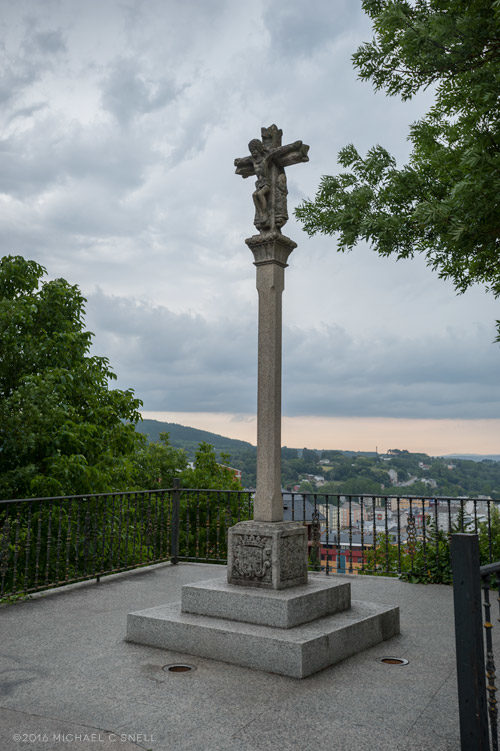
After exploring Samos, it was on to Sarria, Spain, as I followed the route of the Camino de Santiago as it crosses Galicia. Above is the cruceiro, or stone cross, in Sarria — one of many that mark the route to Santiago de Compostela.

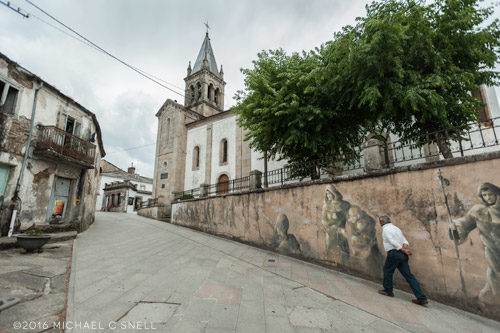
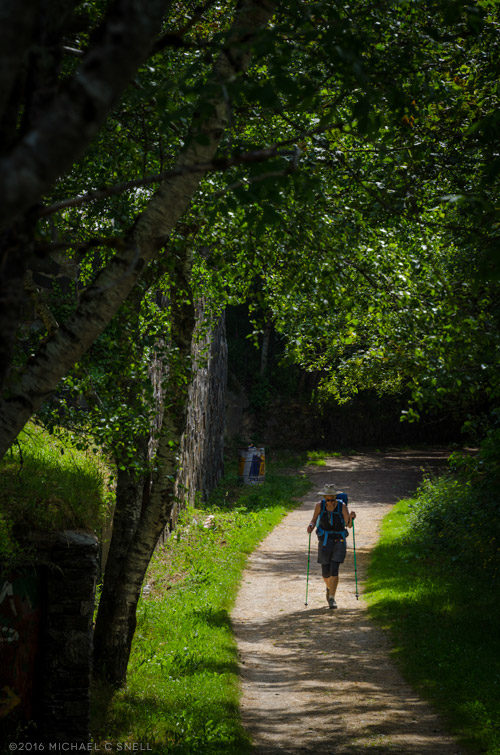
It was lightly raining when I arrived in Sarria, but I still took advantage of the opportunity to walk the Camino for a short distance to get a better feel for the route at a human scale.

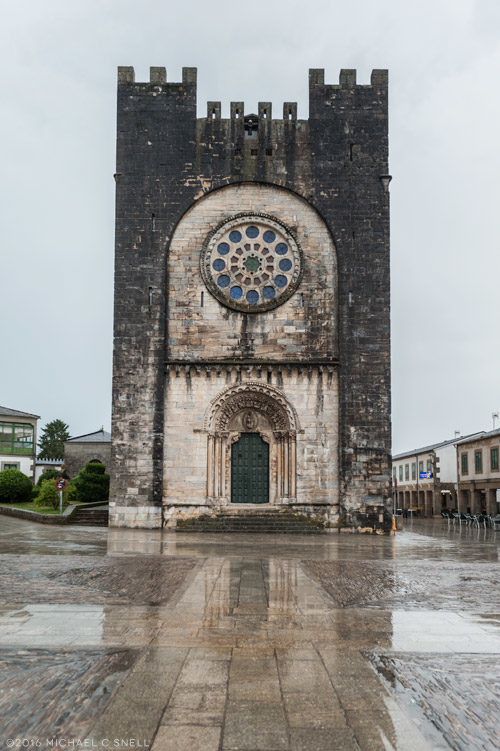
The rain was coming down a bit harder as we arrived at the next stop, the Church of San Xoán (or Saint John) in Portomarín. This fortress-like church was moved piece by piece to higher ground when the Belesar reservoir was built in the 1960s so that it wouldn’t be lost when the waters rose.

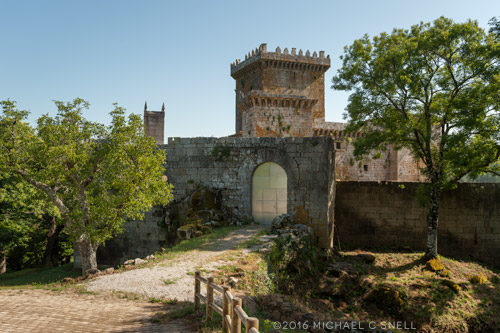
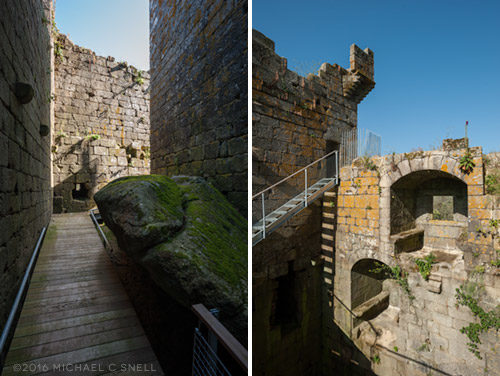
The following morning we continued along the route, making our first stop at the 14th century Pambre Castle, one of the best preserved medieval fortresses in Galicia. It is currently being restored.

In the next post, we’ll explore the last stretch of the French Way and visit the Cathedral of Santiago de Compostela.

The Camino – the French Way

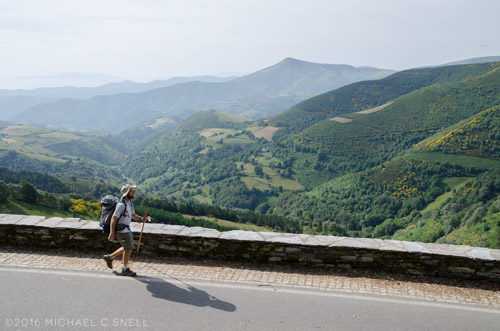
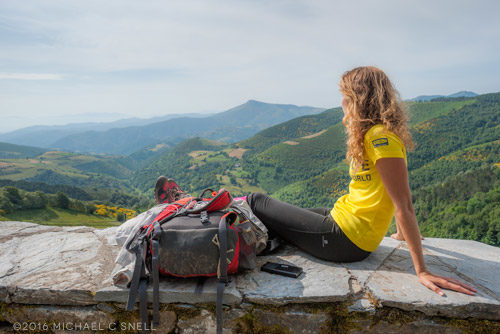
My first full day in Spain’s Galicia region began where pilgrims first enter Galicia when taking the French Way route of the Camino de Santiago. If they started on the French side of the Pyrenees mountains, they have already walked (or biked, or ridden horseback) hundreds of miles. The view from the entry point at O Cebreiro is quite a reward:

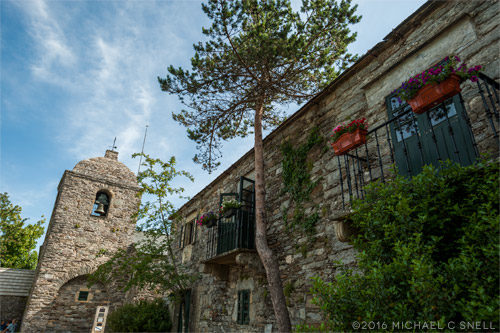
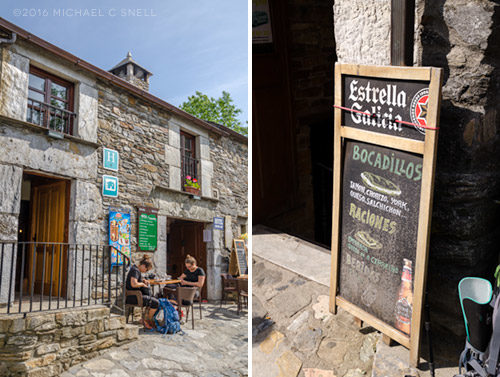
The small village is home to the Church of Santa María la Real (above) and provides services for pilgrims to rest, grab a sandwich, spend the night, and just enjoy the welcoming view of this green corner of Spain.

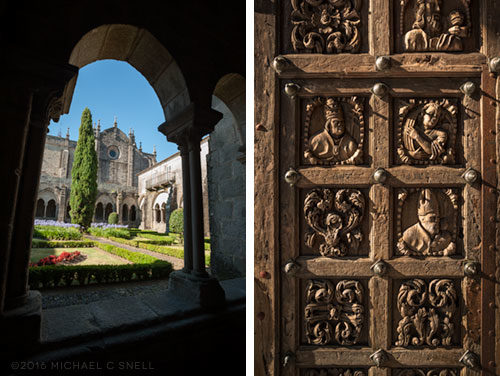
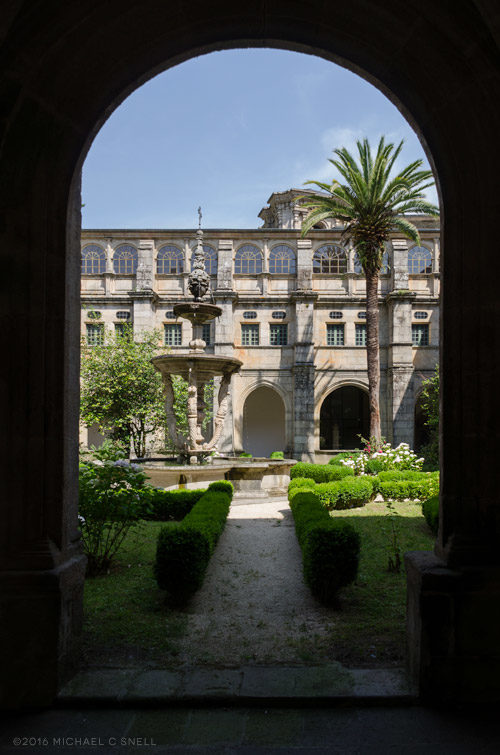
Next stop for me was the Monastery of St Julian of Samos. The building burned in 1558 and again in 1951 but was rebuilt both times and remains an active Benedictine monastery.

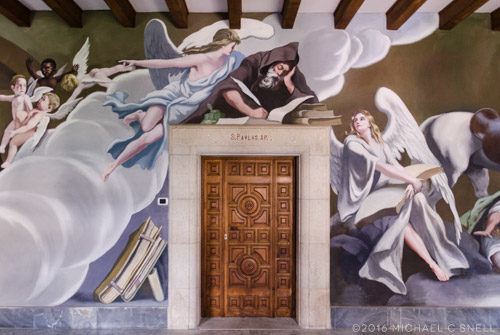
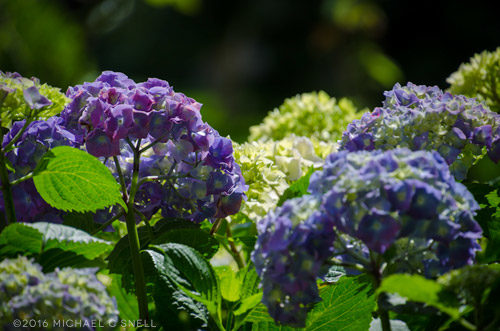
The hallways are covered in murals painted in a variety of styles and the gardens, at the time of my visit in July, were filled with blooming hydrangeas.

In the next posts, we’ll visit the town of Sarria and several other important sites the road toward Santiago de Compostela.

Galicia, Spain and the Way of St. James

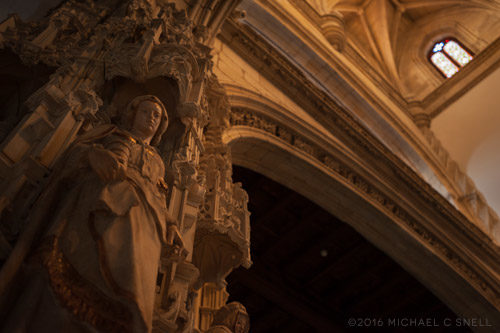
I had a fairly busy year of travel photography in 2016 and I’m still trying to get caught up with processing everything and keeping my stock agencies fed. I’ve also been working on another of my “Journals of a Travel Photographer” books — this one on my trip to Galicia, Spain, in July of last year. It’s nearly finished up, but I thought I’d share a few images while I’m going through proofing, etc. Not all of these images will be in the book. Some are ones I ran across while doing the initial edits and I just didn’t have room for them. Case and point, the image above of my hotel for the first few nights, the Parador de Santiago de Compostela.

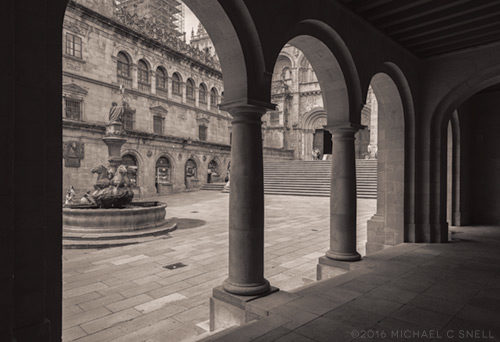
The shot above is from the chapel located within the Parador and the one following is a scene from one of the squares that surrounds the Cathedral, located adjacent to the hotel.

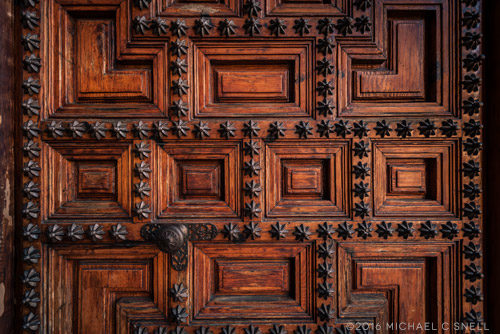
And that’s one of the massive front doors to the Parador. These are a few images I made just after arriving in Santiago de Compostela. In the following days I would explore the Galician sections of several pilgrimage routes known as the Camino de Santiago, or the Way of St. James. It was an amazing trip to a part of Spain I’d been wanting to visit for quite a while. I’ll share more in the next few posts, starting with the French Way as it crosses the border of Galicia and makes its way toward Santiago de Compostela.

Learning to make paella and more.

160426val03_sotc

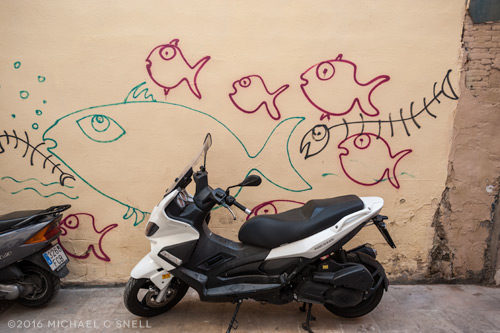
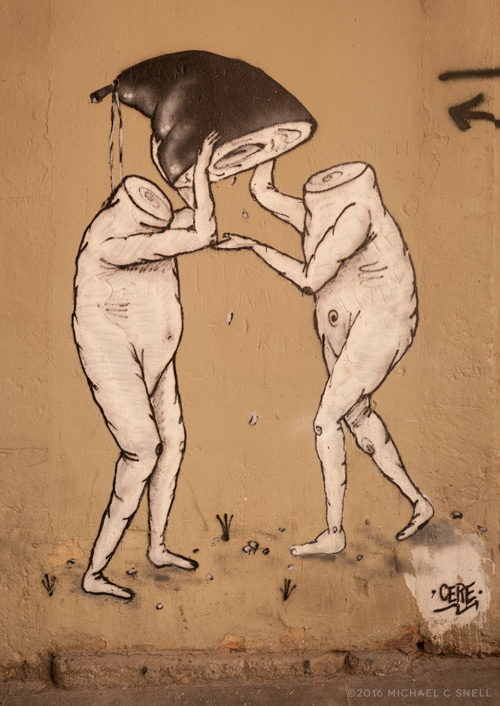
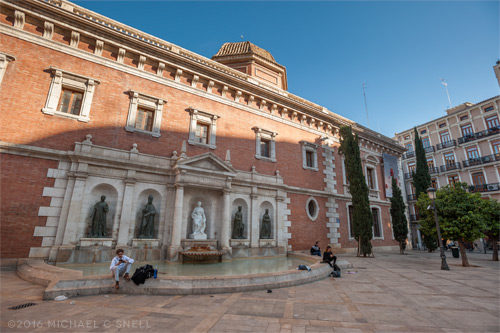
After my visit to Valencia’s Central Market, it was time to hit the streets again on our way to Paella School where we would make our own lunch. As usual, there were plenty of visual distractions along the way, sometimes just in the form of creative graffiti adorning the walls along the narrow streets.

160426val02_sotc

160426val06_sotc

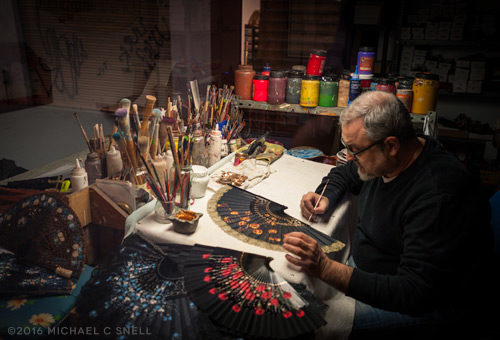
Other times the distractions came in the form of window-peeping on shops and artisans at work:

160426val01_sotc

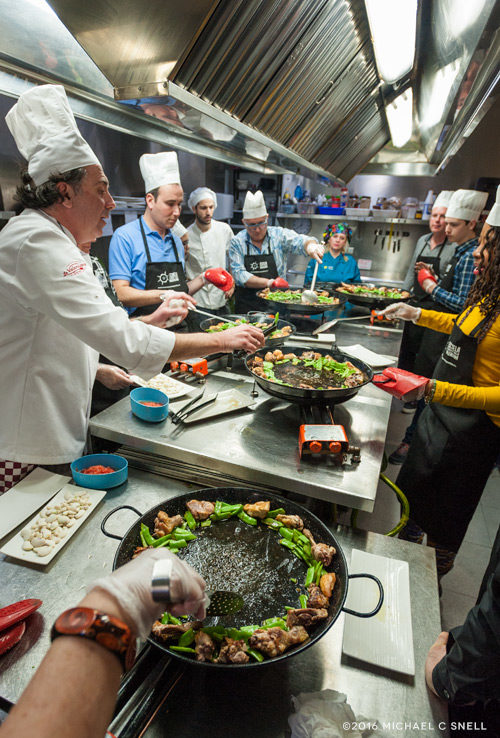
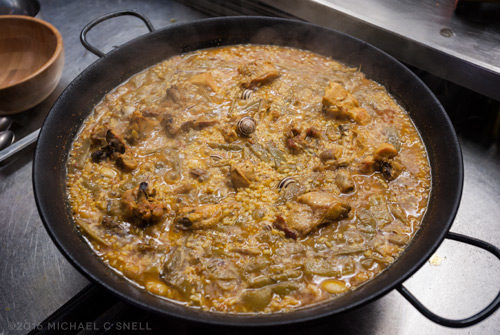
Finally, it was paella-making time, but I was once again distracted by making photos. Luckily, I still got to sample the finished product. If you’re into food and love getting hands-on with its preparation, this is an amazing program to take part in.

160426val04_sotc

160426val05_sotc

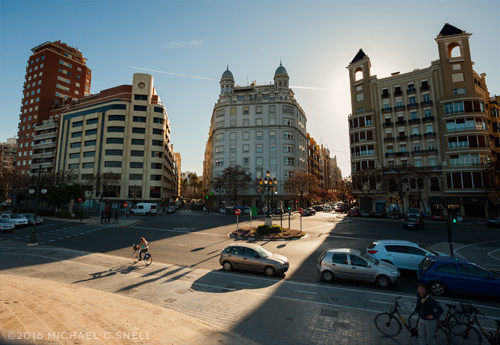
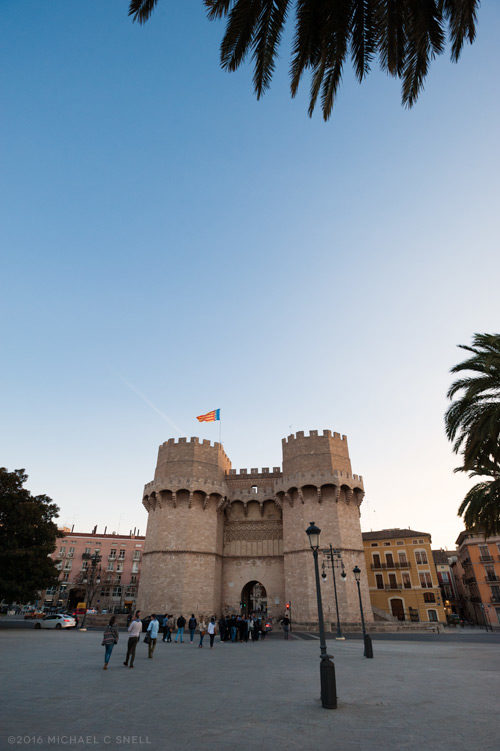
With a full belly, it was time to work off that paella with a bike tour through the old city and down the former river corridor that has been transformed into gardens dotted with impressive examples of modern architecture. More on that in a later post (the modern architecture) but here are a few shots taken along the system of avenues and bike paths that got me there. The last shot in the post is of one of Valencia’s old city gates.

160426val07_sotc

160426val08_sotc

160426val09_sotc

Valencia’s Central Market

160424val01_sotc

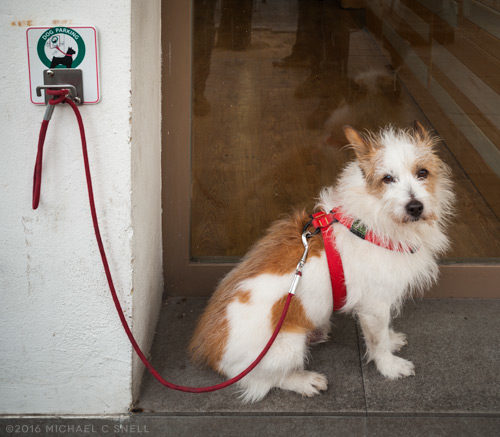
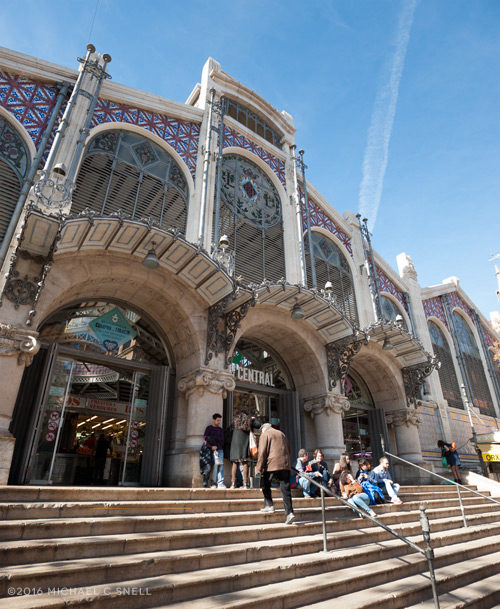
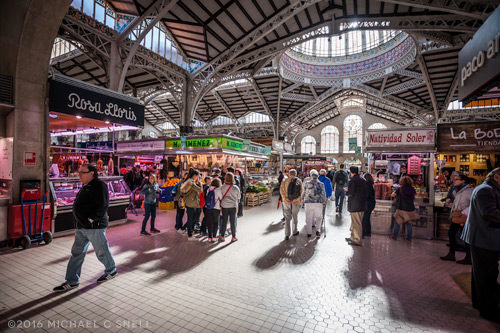
The morning of my first full day in Valencia began with breakfast on the upper floor of the Astoria Palace Hotel, which had a great view overlooking the historic center of the city. Next, we walked a few short blocks to the Mercado Central, Valencia’s central market. Along the way, marveling once again at the architecture, and the inclusion of “dog parking” outside some of the shops.

160424val02_sotc

160424val03_sotc

On to the market itself:

160424val04_sotc

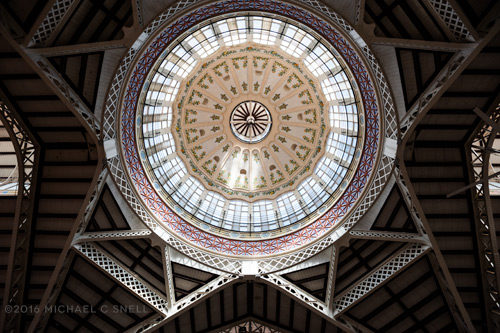
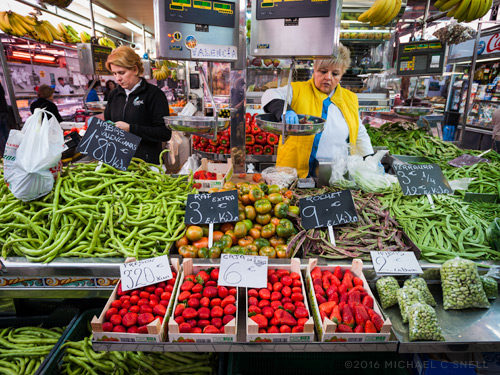
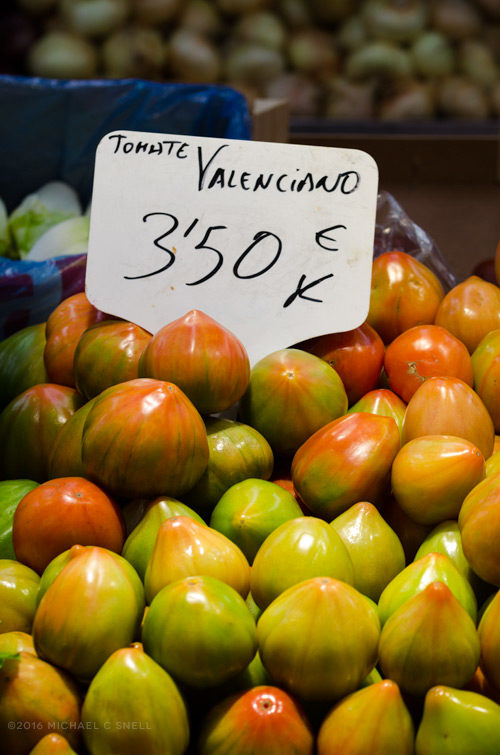
Markets are always among my favorite things to visit and photograph in any location. I love seeing the different produce available and it is always guaranteed to be a colorful display. This market was no different and did not disappoint.

160424val05_sotc

160424val07_sotc

160424val06_sotc

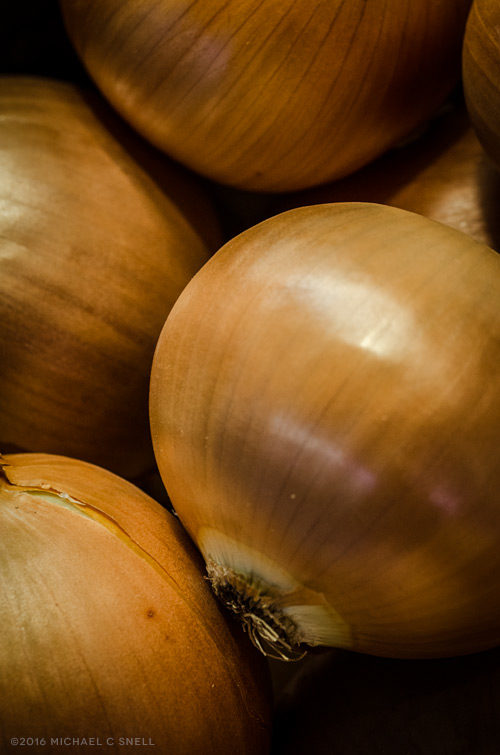
I even had a chance to play around with the new Tamron 90mm macro lens that I had been loaned for this trip. It was a joy to use and gave great results. I may have to look into adding one permanently to my bag:

160424val08_sotc

160424val09_sotc

Next, we would take some of the ingredients we had found at the market and visit a paella school to make our own lunch (although I admit to doing more “photographing” than “helping” when it came to the actual cooking). Next post…

Return to Spain: Valencia

160422val00_sotc

It’s hard to believe that it has been almost two months since I returned to Spain to see the city of Valencia during the early days of the Fallas festival, but it has. That visit ended up being extended with a birding expedition in the west of Spain, and was followed just a week later by a trip to China. I’m back in the office now, sifting through images and prepping files for stock agencies. As I progress, I’ll re-tell the stories of these trips here in this blog.

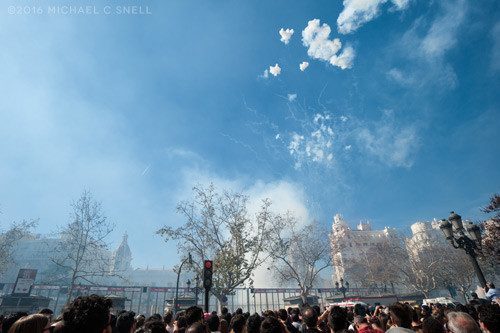
On Day One, I landed in Madrid first thing in the morning and (barely) caught another flight to Valencia, arriving and getting checked into my hotel right around noon. The image above is the fifth frame of the trip, shot from my hotel room window as I was getting my gear re-packed for the afternoon’s adventures. First stop would be my first Mascletà, a daytime fireworks display that occurs every day during Las Fallas, a traditional celebration honoring St. Joseph held every March in Valencia.

160422val02_sotc

Blame it on jet lag, or just my own lack of creativity, but I am still struggling to figure out how best to shoot daytime fireworks. The display is incredible, don’t get me wrong, but it really is more about the sound and the concussive force of the blasts than the visual experience. The other major part of the spectacle is the crowd itself. It seems that every human in the city comes out at 2:00 for the show. And just as quickly as they arrived, they disperse. With the Mascletà over for today, it was time to explore the streets and get my bearings.

160422val01_sotc

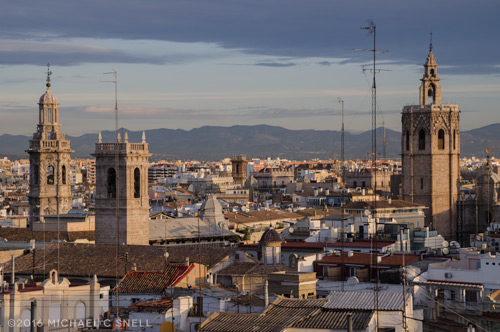
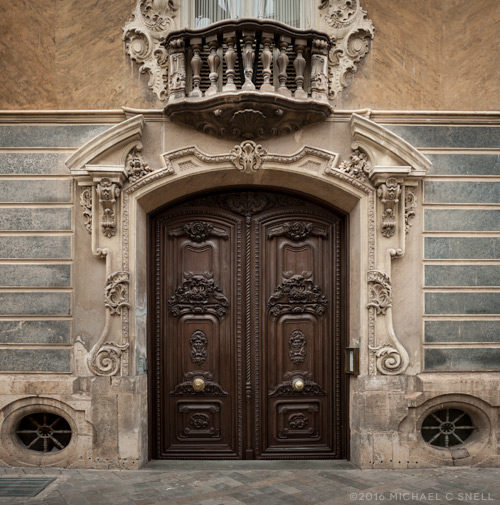
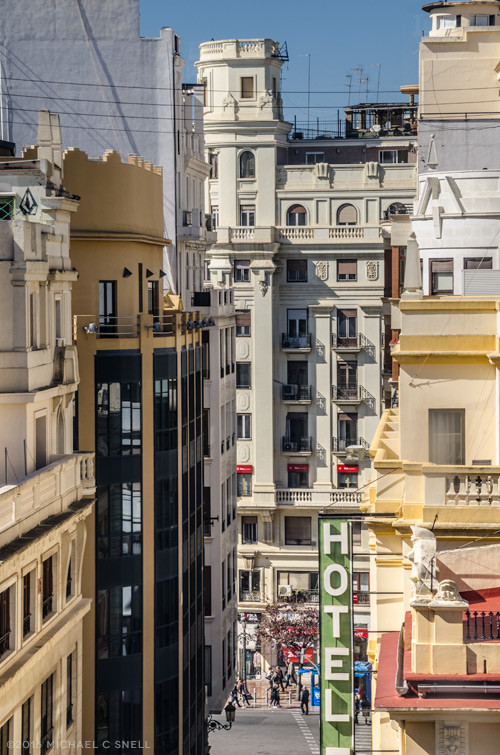
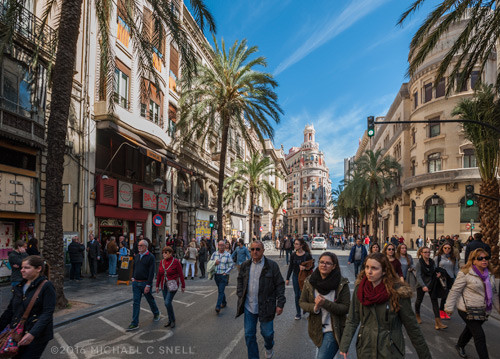
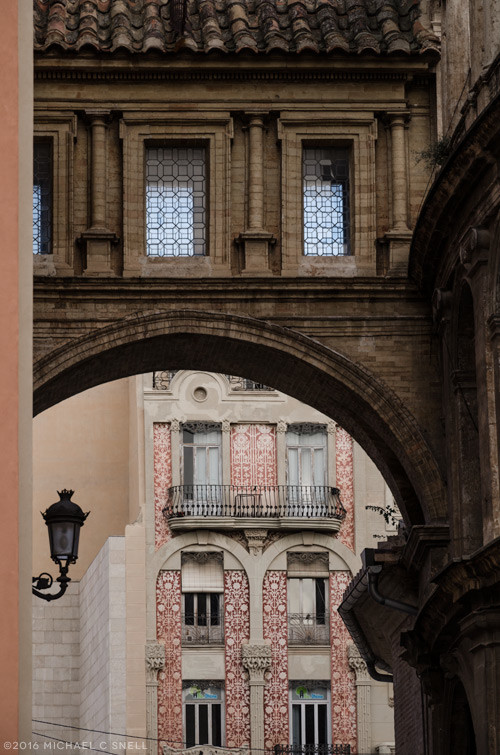
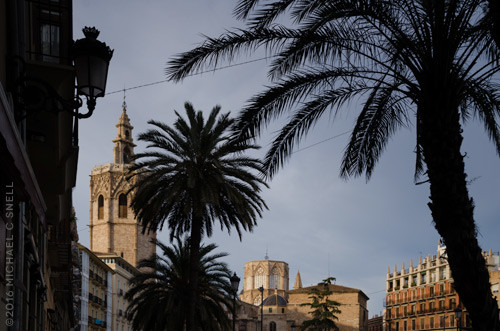
Valencia’s architecture instantly stood out to me. While I suppose there is such a thing as “Spanish architecture,” I have come to the conclusion after having visited 5 times now, that each region and city has it’s own style. Valencia felt very exuberant and the numerous palm trees gave a very tropical feel to this city on the Mediterranean. I was closer to France here than I had been on most of my previous visits and there is perhaps a more European feel to the architecture and layout of the city than in the more Moorish influenced areas of the south.

160422val04_sotc

160422val03_sotc

160422val05_sotc

I typically don’t feel like I accomplish much on my first day in a new location, but it felt as though it would be difficult to take a bad photo in this beautiful city. I still managed, but I had a fairly good success rate given how little sleep I’d had in the last 48 hours. I credit Valencia’s beauty completely.

160422val09_sotc

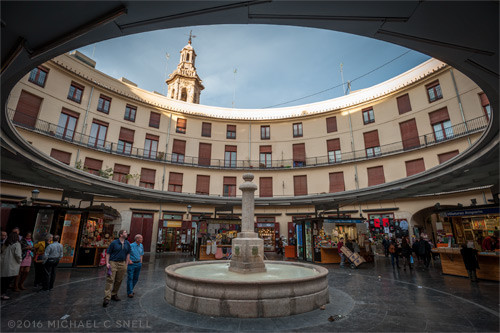
A quick stop for donuts and chocolate near Valencia’s Round Square provided the energy to keep exploring.

160422val07_sotc

160422val08_sotc

I arrived back at the room in time to drop off some gear before heading back out for dinner (for a first-time traveler to Spain, be forewarned that the evening meal starts very late and can finish up well after midnight). I played around by making more photographs from the hotel room window:

160422val10_sotc

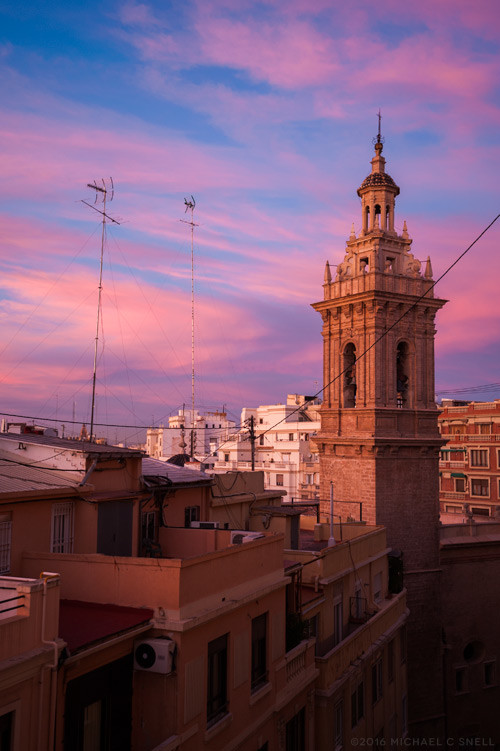
And I was eventually rewarded with a surprisingly brilliant sunset — one I hadn’t really expected given the sky conditions earlier. By leaning out my window (don’t you love hotels that don’t have screens but do have operable windows!) I was able to achieve a nice view of this tower:

160422val11_sotc

I usually try and make a point of not being stuck in the hotel at sunset, but it worked out fairly well for me this time as I don’t think I could have seen this much sky from anywhere street-level in my new neighborhood.

The following day would be a big one with more exploration of the streets, a visit to the enormous city market, a paella-making class, and a bike tour. All coming up in future posts. Stay tuned…

Mount Emei

151022emei01_sotc

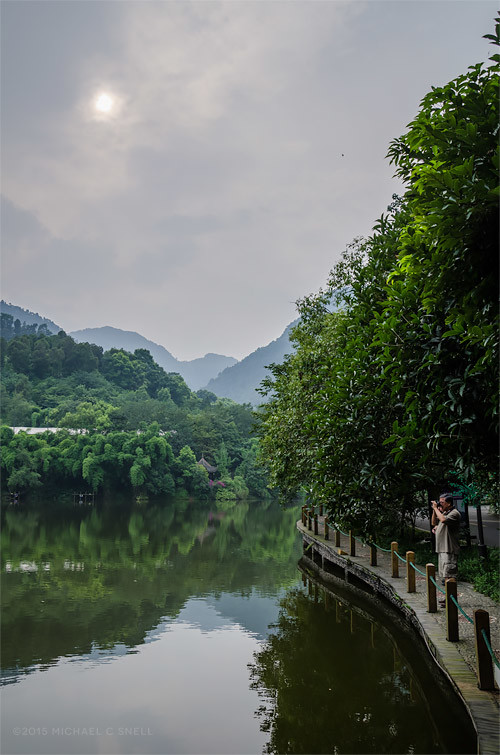
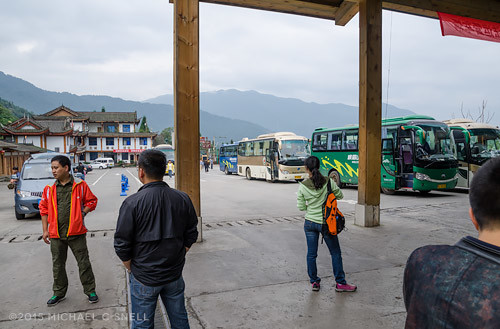
On my last day in China I awoke at the beautiful Emei Shan Hongzhushan Hotel located on this serene pond. After a quick breakfast we boarded a bus for the first leg of our journey up Mount Emei. The bus ride took hours, with two breaks: one presumably to use the restroom (but also to shop) and one to buy tickets for the next leg of the ride up the mountain.

151023emei01_sotc

The ride was extremely winding and steep. A word of warning to those of you who might take this journey as well — they hand out “sick bags” on the bus for a reason. As the bus wound its way up the mountain, I saw several poor souls make use of theirs. Repeatedly. Thankfully I’m pretty resistant to motion sickness but I could certainly see where this ride could cause problems. The destination proved worthy of the suffering, however. (Easy to say when I wasn’t the one suffering!)

151023emei02_sotc

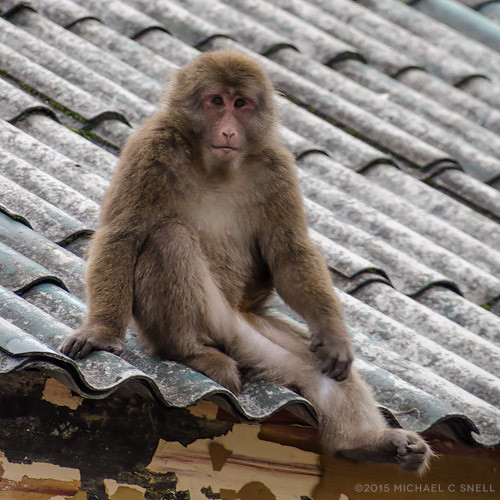
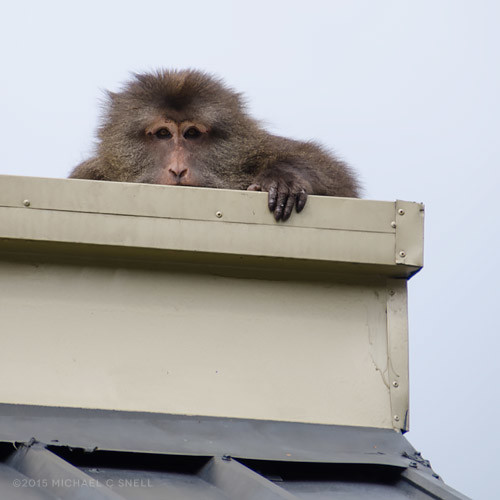
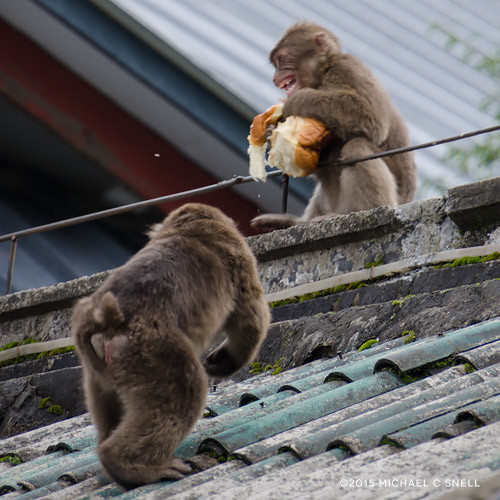
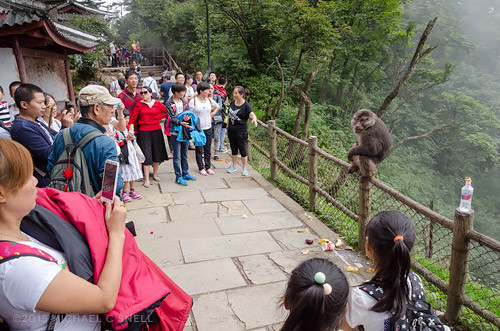
We’d been told the night before not to keep any food on our persons, or to even carry anything that would look like it might have food in it. The reason was the monkeys that frequented the final bus stop. One of the first women I saw get off the bus was carrying a plastic bag and — in no time — I saw it ripped from her hands by a monkey who immediately rummaged through it for a snack and off he went. They were staking out the place pretty good.

151023emei04_sotc

151023emei03_sotc

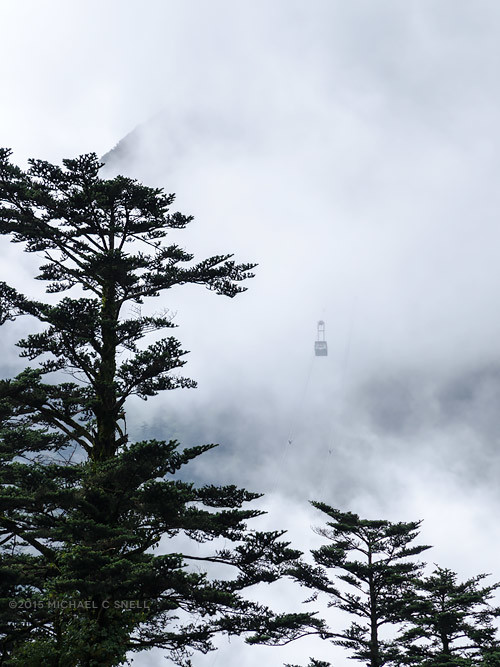
We were walking a steep path now, punctuated by worn, stone steps at irregular intervals. The monkeys gradually grew fewer and we could see our next mode of transportation in the distance through the low-hanging clouds — a small, 4-6 person cable car:

151023emei06_sotc

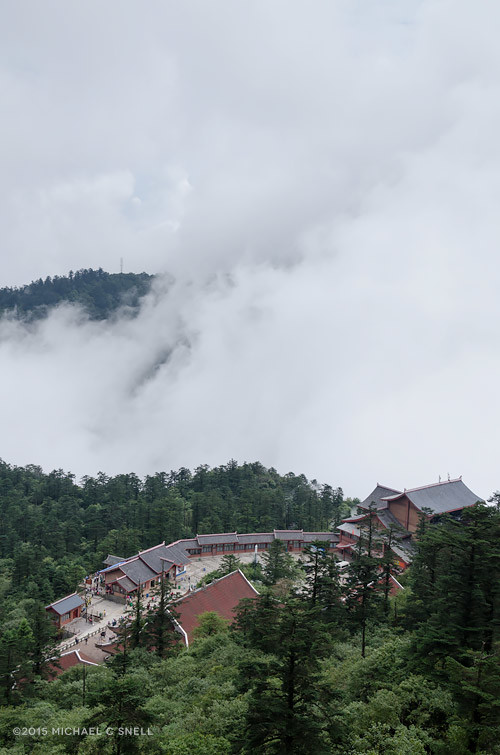
More tickets purchased, we were soon climbing swiftly through the mist in our cable car, looking back at what had been our most recent rest point:

151023emei07_sotc

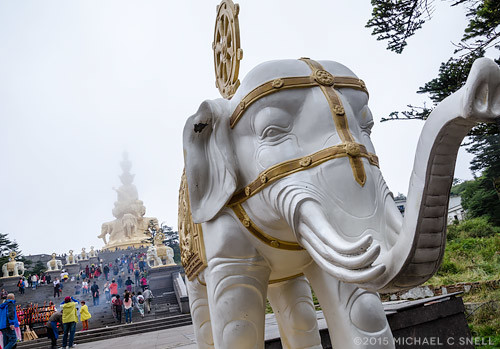
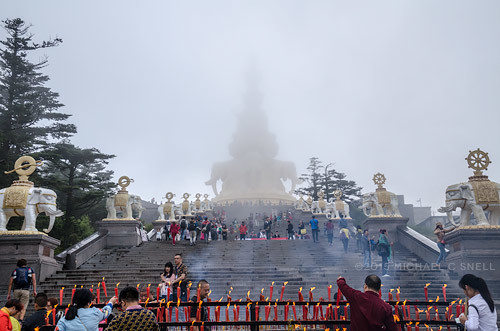
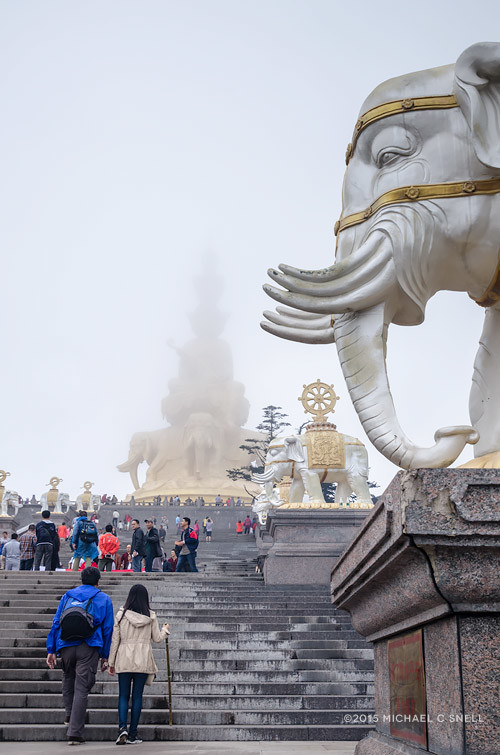
We got off the cable car and started hiking upward again. We passed a few restaurants and souvenir booths and eventually came to the grand staircase flanked by white and gold elephant sculptures.

151023emei08_sotc

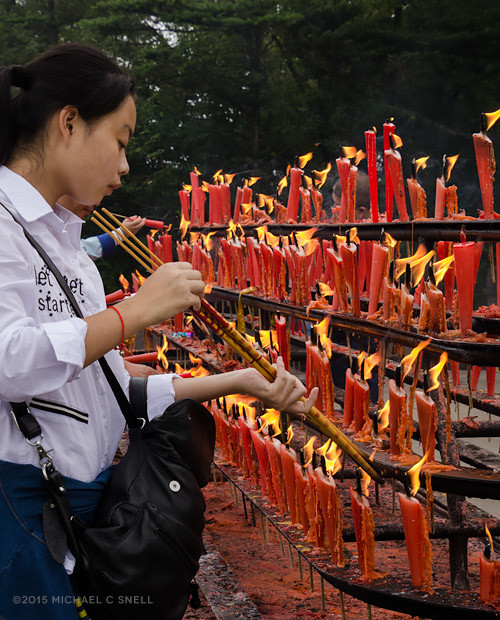
Incense and candles were being lit at various altars as we made our way up the steps in the thin, cool air.

151023emei10_sotc

151023emei09_sotc

151023emei11_sotc

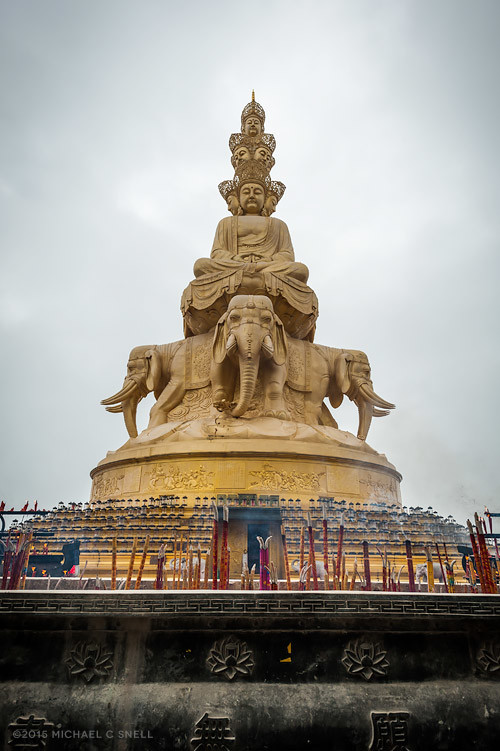
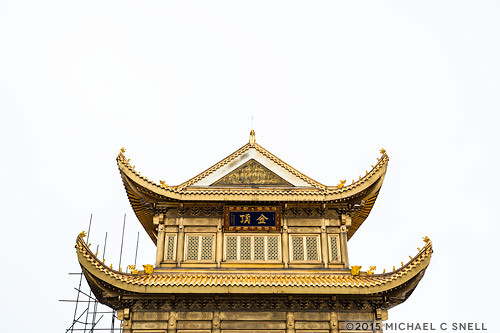
Finally at the top, we could finally make out the enormous, golden, chedi-like statue of Buddha sitting atop several elephants. I don’t know how to describe it better than that, but it was spectacular. Golden temples surrounded it. I wish I could have photographed the interiors but it was not allowed to make images of the Buddhas within.

151023emei15_sotc

151023emei14_sotc

We paused to rest our legs and have some lunch from the snacks we’d picked up the day before in Leshan. I now understood why we needed wrapped and sealed items as they had successfully made it past the monkeys undetected.

Then, it was time to start back down the mountain. It was a shame that the low clouds prevented us from seeing what I’m sure was a stunning view from atop Mount Emei, but it’s one more reason to return some day.

151023emei16_sotc

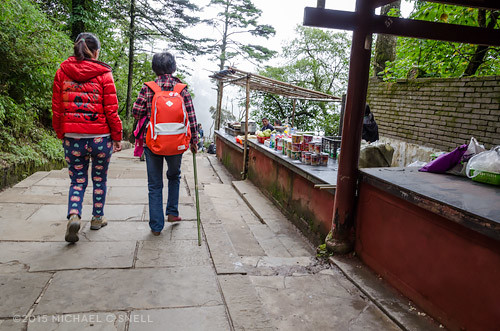
Above: we pass a few of the food stands that exist above the “monkey line” so that they aren’t prone to raids.

151023emei19_sotc

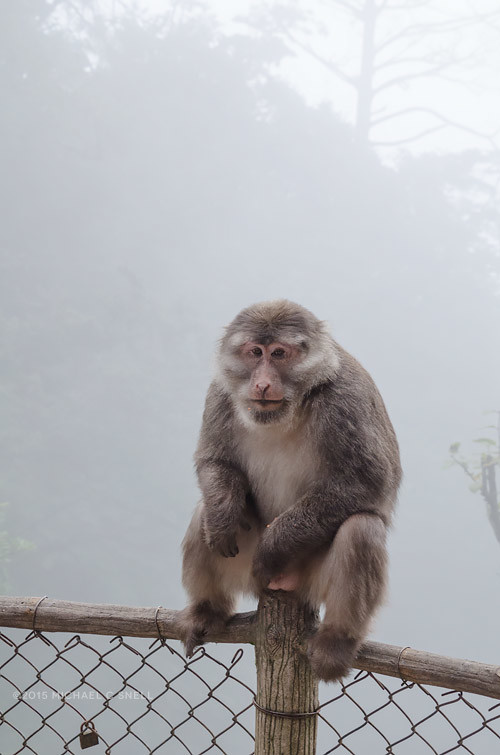
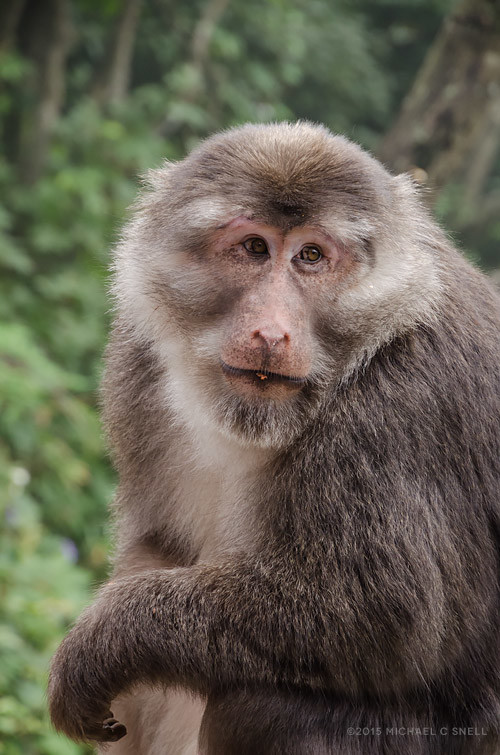
More monkeys awaited as we descended. This one had apparently had quite a good snack, judging by the mess on the ground around him.

151023emei17_sotc

151023emei18_sotc

I bid farewell to the monkey, and the next morning I bid farewell to China. I look forward to the next time we meet.