Gear is a funny thing. You can become obsessed with it — always wanting the newest, the fastest, the most megapixels — but it’s a trap. At least I feel that it can be a distraction from paying attention to the things that really matter: composition, mood, light, message.
I don’t buy new gear all that often and I try and really think through and make purchases that will last. I’ve had a solid stable of bodies and lenses for a while now and have the whole range of focal lengths covered from 17mm to over 400mm (if you consider the 1.5x of my crop-sensor D7000).
So what more could I want or need?
I’ve thought about this a lot lately and have decided that what I’m looking for now are not necessarily the tools that test out as having the “best quality,” but rather tools that have a “unique quality.” It’s a fine distinction, but what I’m looking for are a few lenses, in particular, that have a uniqueness about them. They deliver something special. They may not be the most expensive, rugged or sharpest, but they will bring a capability to my kit that I didn’t have before.
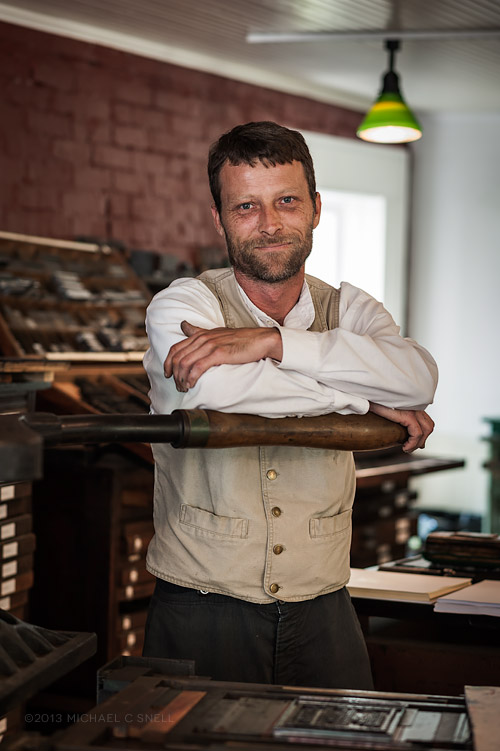
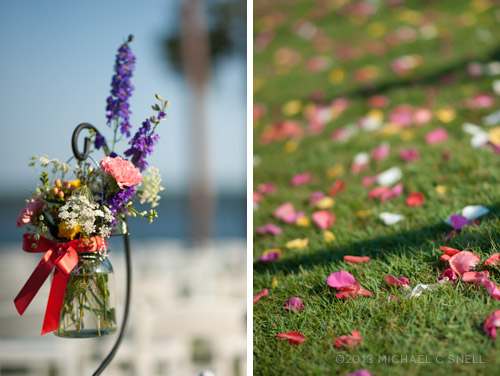
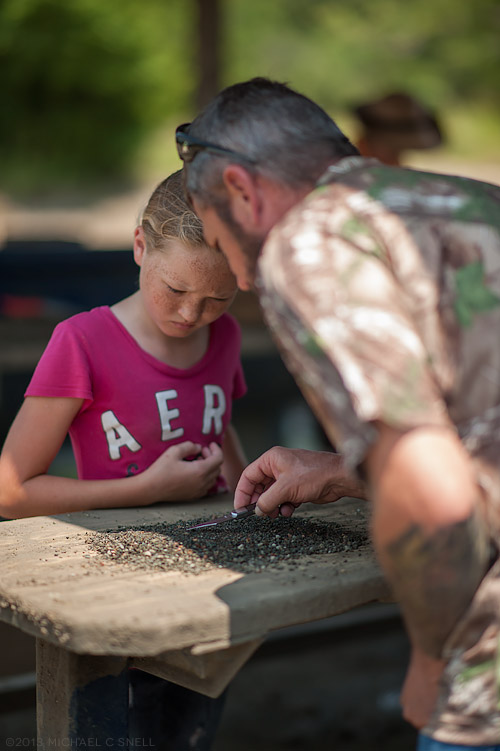
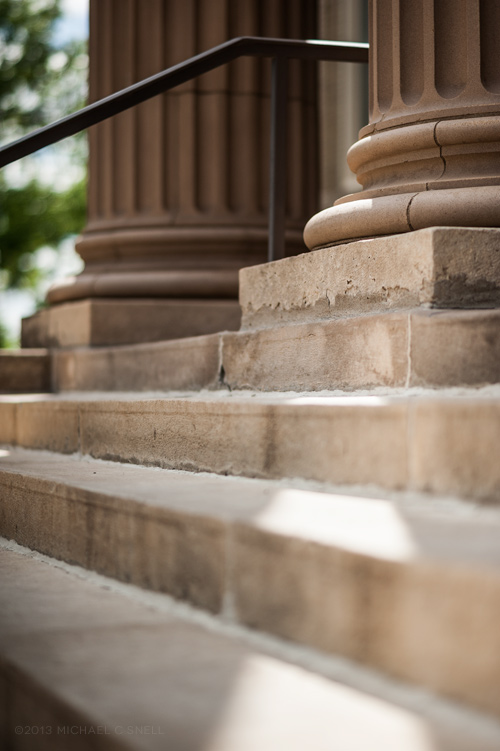
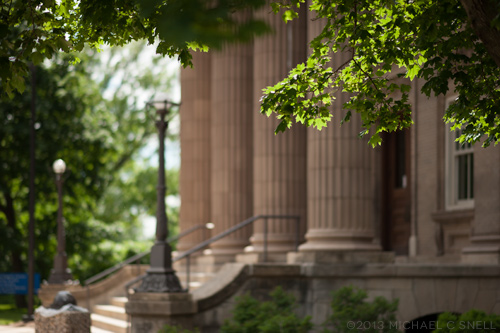
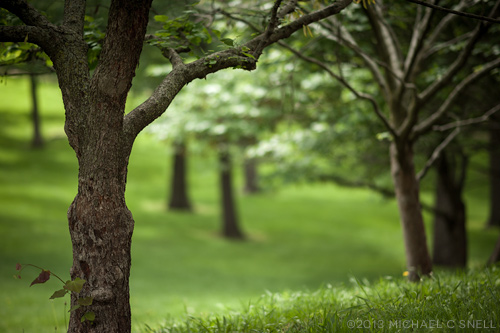
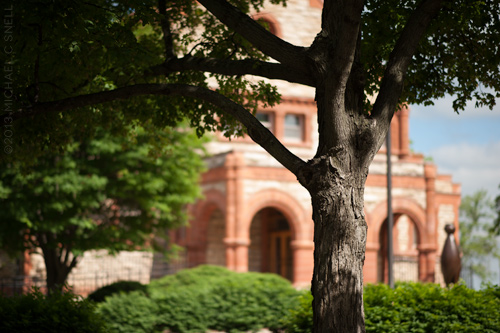
My most recent addition arrived on Saturday: a Rokinon 85mm f/1.4. I took it out for a quick walk around the KU campus yesterday to see what it could do. I was drawn to this lens for the shallow depth of field and creamy bokeh (out of focus areas). It’s manual focus as well, which slows me down and makes me more thoughtful. So far, I’m not disappointed. See what you think of these initial test shots:
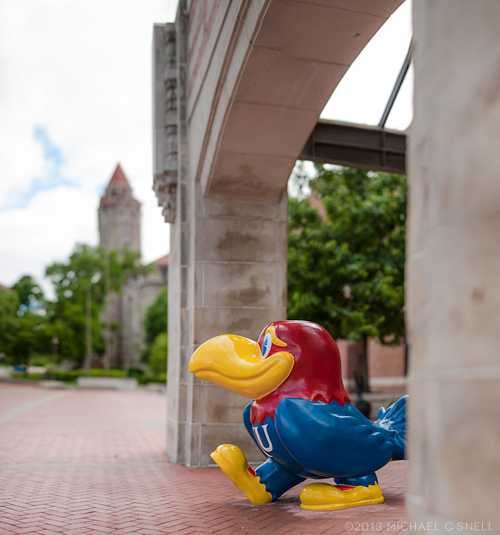
The Jayhawk shot above is actually stitched from 18 images in a pano-grid method I’ve written about before. It lends the shallow depth of field to a wider angle of view.
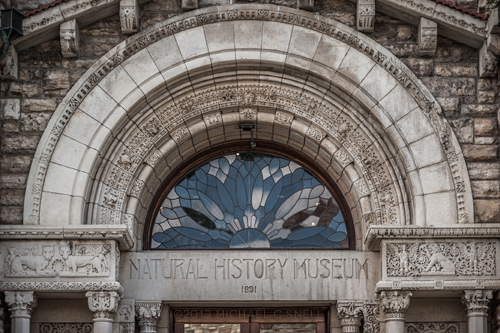
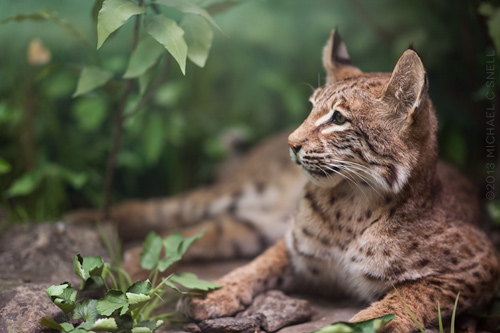
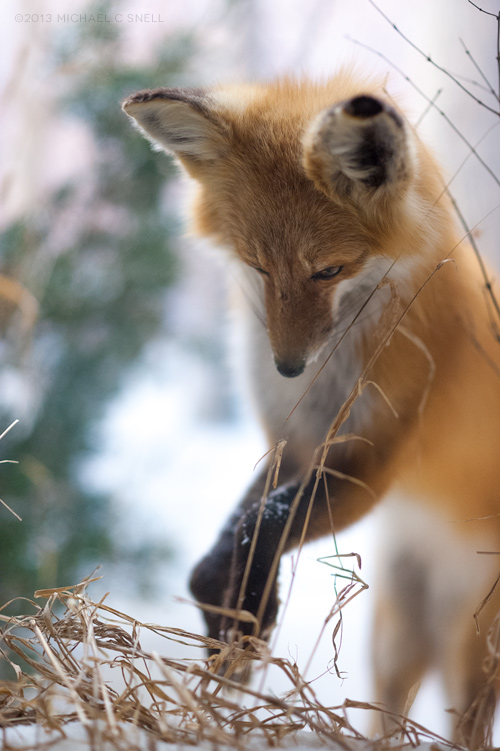
These last two shots are of mounts on display in the Natural History Museum — they’re not wildlife shots. I was just looking for some tighter settings to try the close focus and shallow depth of field:
So far, I’m impressed and happy with my purchase — and anxious to get this lens out in the field for some real travel work.