Category Archives: Louisiana

New Orleans revisited

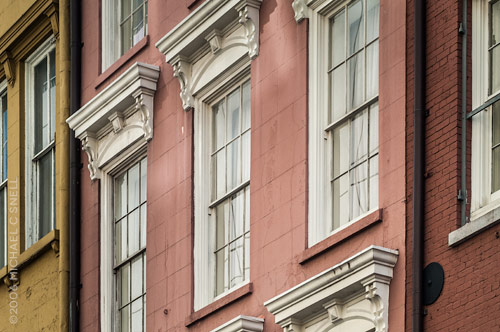
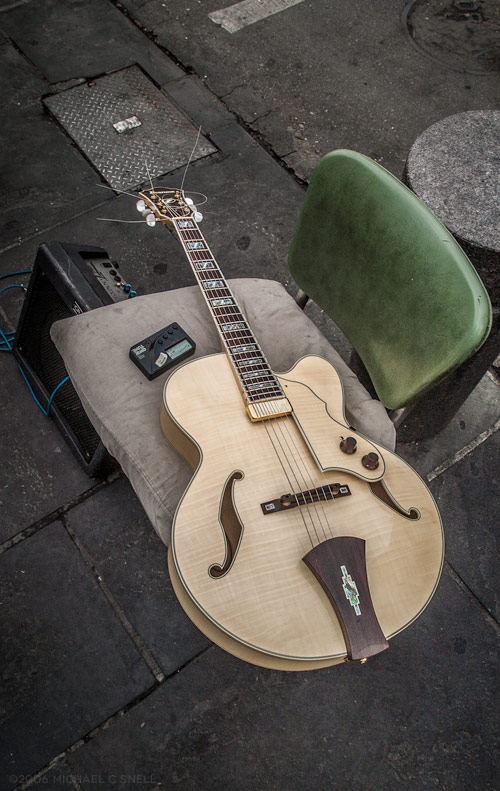
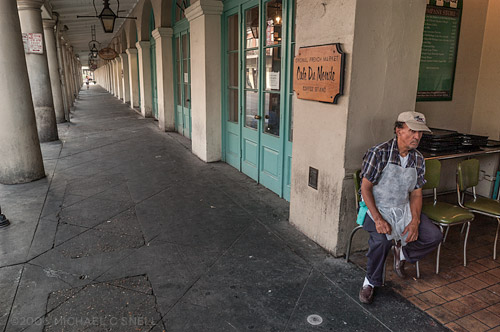
Now that I’m running both Lightroom 4 and Photoshop CS6 (if only in beta), I’m going through old files to see what the new software can do for some images that I never quite felt were finished. Back in the days of the darkroom, it was a good idea to work a print and then set it aside for a time before coming back to it, reassessing, and trying some new ideas. That’s basically the way I treat digital files as well. I process them almost immediately after capturing them, but I like to come back later to take a fresh approach. These files from New Orleans are from 2006, less than a year after Katrina hit. We made the visit with a group of journalists at the invitation of the tourism bureau to help get the word out that the main tourist areas were largely unaffected and open for business. The impact in tourism numbers was very evident, however, in the quiet streets and restaurants.

In reprocessing these images, I tried to focus on that quiet feeling of a nearly abandoned city. The texture of New Orleans also comes through. It’s an old city by American standards and after all that it had been through it seemed to be feeling its age. I look forward to my next trip there, to see what has changed in six years.

Year in Review: 2011

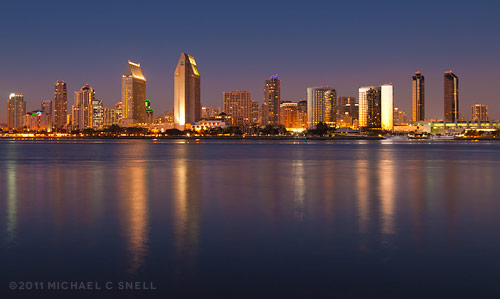
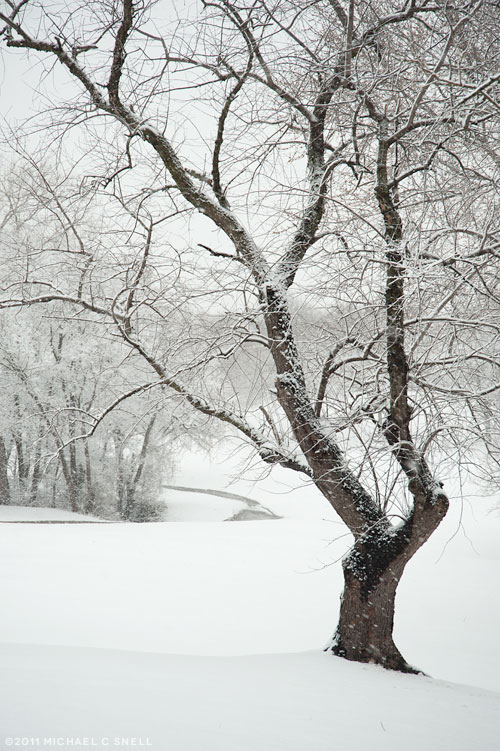
Travel started earlier than usual for me in 2011 with a short trip to San Diego in January. The warm weather was welcome as we were having one of our snowiest years on record back home:
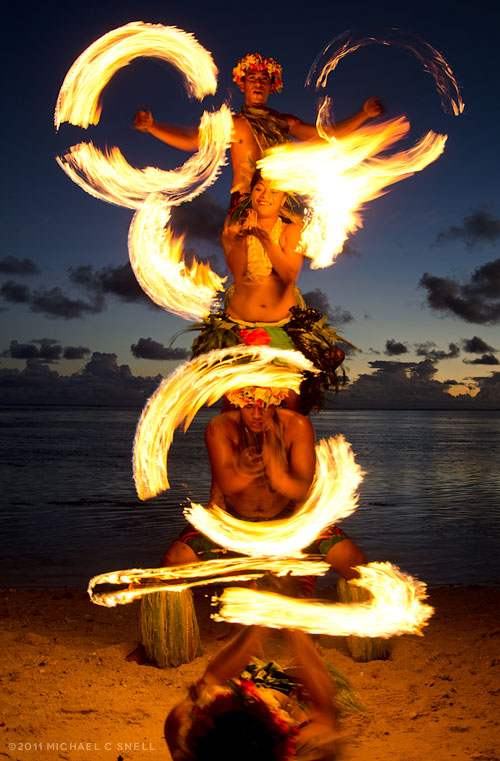
In early April, I escaped the cold once more for a couple of weeks in Fiji. I was there for a Society of American Travel Writers Freelance Council meeting. It was my last year as Chair of the Freelance Council and Fiji would be the last Council meeting under my term. It was a great meeting and a wonderful destination. One of my favorite memories was an evening on the beach with a bunch of fire dancers. There’s not much that’s more fun to shoot than people spinning burning torches on a beach at sunset. If you haven’t tried it, take my word for it.
It was very warm in Fiji — even without the fire. A jet boat trip up the Sigatoka River was the only time I remember actually feeling chilly:
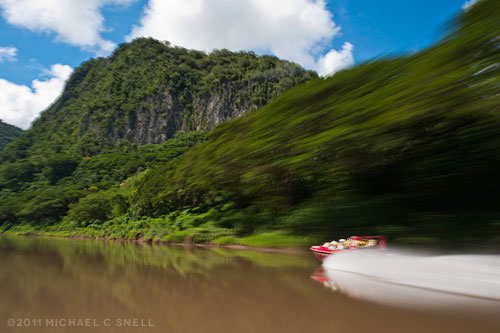
If those cliffs look familiar, I was told that some of the scenery for Avatar was shot in that area.

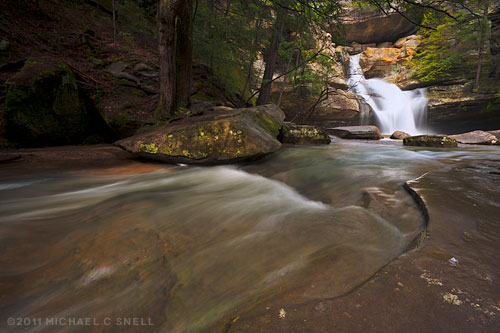
I wasn’t back in the states for more than a week before driving to Ohio for a couple of stories. I made sure to schedule in another trip to Hocking Hills to try and get some waterfall shots. The last time I’d tried, it was an unusually dry season and it was like the tap had been turned off. Much better results this year.
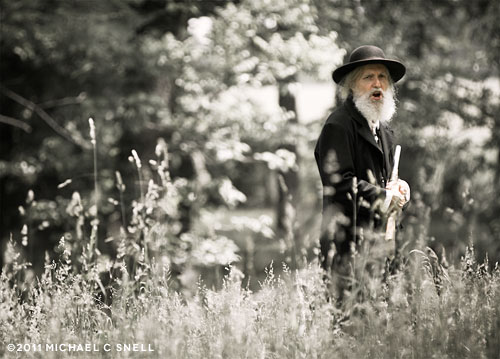
Back home in June, I managed to photograph a few Kansas events that had eluded me for years. One was the Symphony in the Flint Hills (which is just as amazing as it sounds — an orchestra playing out in the middle of acres and acres of tallgrass prairie and rolling hills) and the reenactment of the Battle of Black Jack. Here’s a shot of “John Brown” from that day:
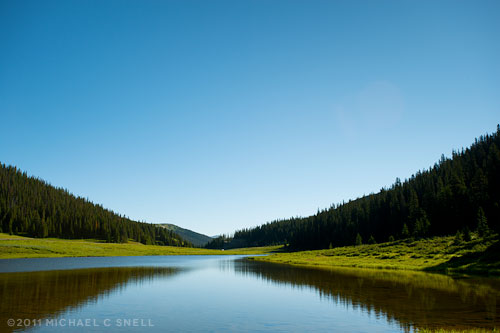
A trip to Colorado and over the Continental Divide followed. Here’s a lake that sits nearly on the Divide at Milner’s Pass, elevation 10,759 feet:
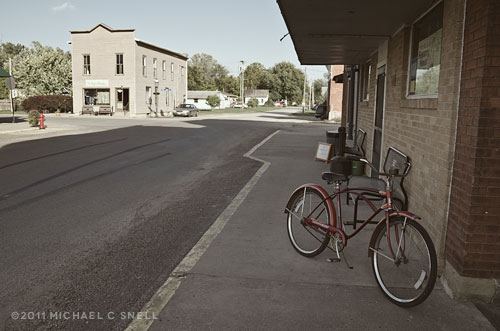
Quite a few regional shoots followed which I’ll share later after the stories have run. In September, we were on the road again making a big loop through southeastern Iowa:
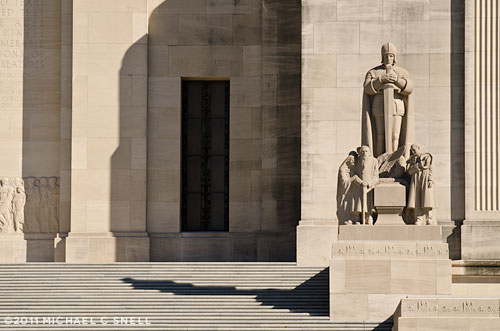
and down the Mississippi to Baton Rouge, Louisiana. Here’s a shot of the Louisiana State Capitol:
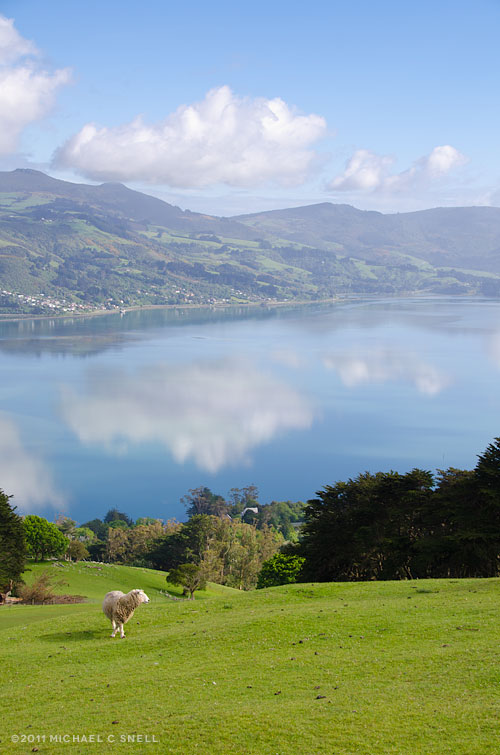
Rounding out the year in November was one more trip over the Pacific, across the equator and the International Dateline to New Zealand. This was SATW’s Annual Convention and I officially ended my term as Chair of the Freelance Council and became the much less encumbered Immediate Past Chair. I truly enjoyed my two years in office and serving on the Society’s Board of Directors but it will also be good to step away for a bit and re-focus on my photography business. The New Zealand Convention was great and I especially loved the four days I spent afterward exploring the Southland from Dunedin down to Stewart Island. Here’s one from the Otago Peninsula near Dunedin:
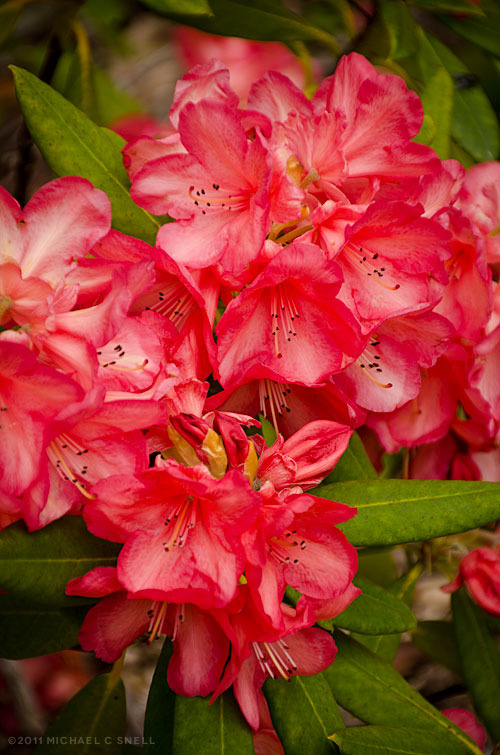
And I’ll leave you with flowers that were blooming in Queens Park in Invercargill, NZ. It’s not bad to end a year with a second season of Spring:
Stained glass dome

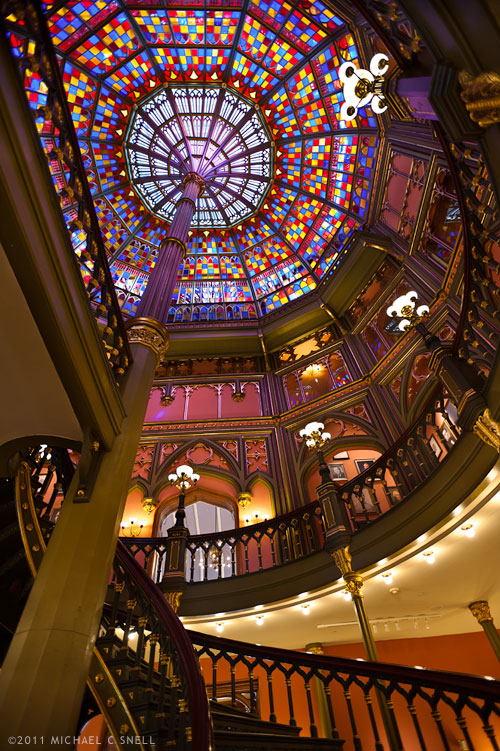
In my last post you saw the current Louisiana State Capitol Building but — just a few blocks away — Louisiana’s Old State Capitol still stands and it is now operated as a museum. Built between 1847 and 1852, the castle-like building was gutted by an accidental fire in 1862. Louisiana had seceded the previous year and the Union was using the building as a prison and garrison at the time of the blaze. The interior was completely rebuilt in 1882 with the addition of this central staircase and stained glass dome. The building remained Louisiana’s Capitol until the new one was built in the 1930s. If you want to know more about its history, pay a visit and be sure to see the “Ghost of the Castleā€ immersive theater presentation. It’s incredibly well done and I don’t think you’ll be disappointed.

Tamron 18-270mm lens

[sponsored post]

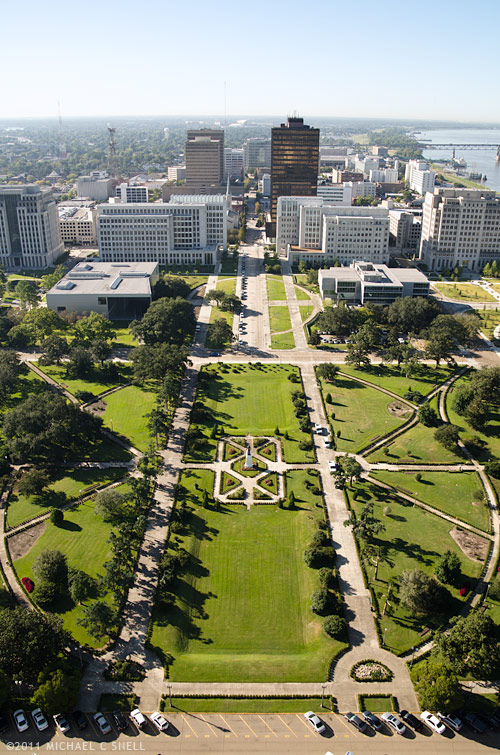
I recently had an opportunity to try out the Tamron 18-270mm zoom lens on a shoot in Louisiana (The full name of this lens is the Tamron 18-270mm f/3.5-6.3 Di II VC PZD). The shot above is of downtown Baton Rouge, taken from the 27th floor observation deck of the State Capitol Building. That’s the wide end of the lens — 18mm. Now check this out:

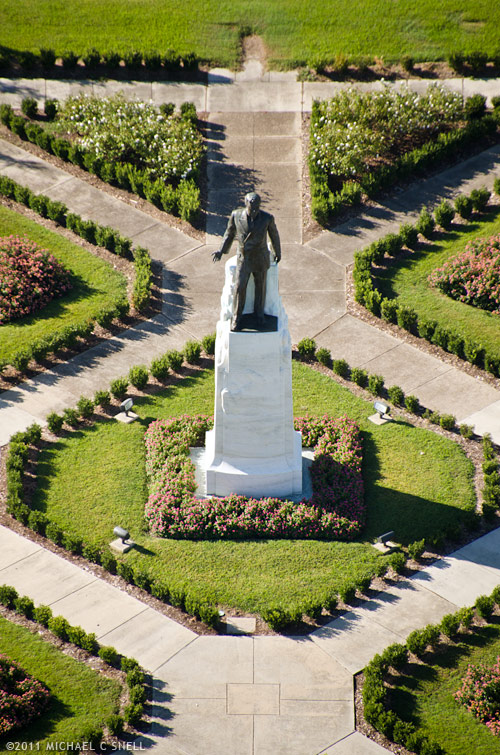
That’s the Huey Long statue on the Capitol grounds shot from the same spot with the lens zoomed all the way to 270mm. These were taken my Nikon D7000 so, given the cropped sensor, the zoom range would be the equivalent of 27mm to a little over 400mm on a full-frame DSLR (Tamron Di II lenses are not built for full-frame sensors, however. Their Di lenses are the full-frame models). That’s pretty significant coverage. And it’s small — less than a pound and it takes 62mm filters.

To a travel photographer, the idea of having one lens that does everything while being lightweight and compact… well… that’s pretty appealing. Of course, you can’t have it all. No one lens can do everything. But this one does a lot.

There are shooting situations that require that you “go light” and not take all your gear. An example might be a day out in a kayak. You don’t have space to take a lot with you and it might be inconvenient — if not dangerous — to try and change lenses while out on the water. That’s where I see a lens like this really shining. It would get you through almost any situation you might encounter from wide shots of your companion kayakers that show the surrounding scenery, to tight telephoto shots of wildlife that might appear with little warning.

To achieve a zoom range like this and to keep the lens light, you need to give up some speed and the Tamron 18-270 is an f/3.5-6.3. Almost everything I carry is f/2.8 or faster so this might seem slow — especially if you’re hand-holding it and shooting telephoto — but the 18-270 does have very capable stabilization and — let’s face it — with today’s DSLRs it’s no longer such a big deal to crank up the ISO a little.

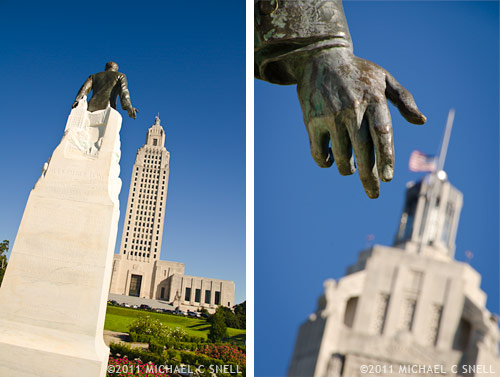
As another example of the Tamron’s range and the creative potential that it brings: here are two shots from the reverse view of those at the top of this post. These are taken from behind the Huey Long statue, looking back up at the Louisiana State Capitol Building (Long was instrumental in its construction, by the way, and was assassinated inside it). I took a few steps in between these two images but they are shot from more or less the same position. The shot on the left at 18mm (27mm equivalent) and the one on the right at 270mm (400+).

I shot a lot with this lens while on my Louisiana road trip and will share more images later. The Tamron 18-270 impressed me enough that it’s earned a place in my bag when I go to New Zealand next month. Then we’ll really see what she can do.