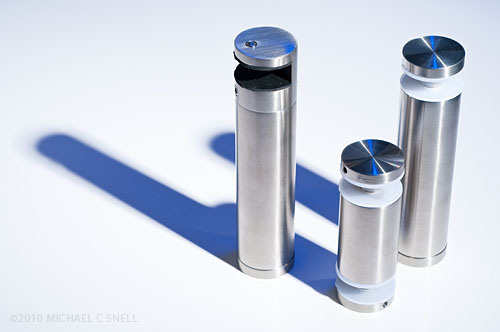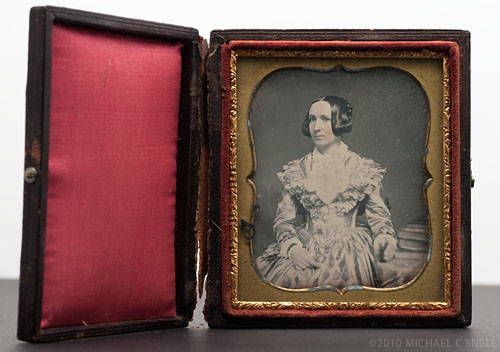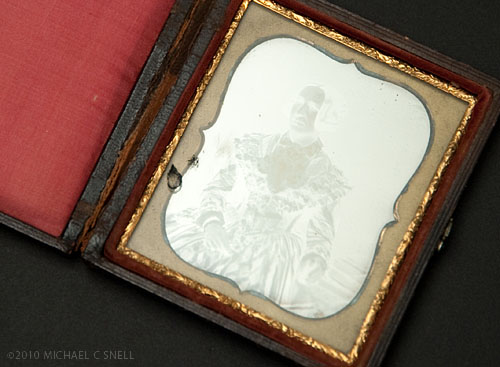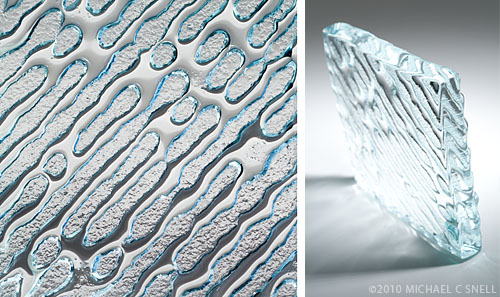
I’ve had fewer hours on the road lately but I’ve still been shooting fairly heavily. Instead of travel images, I’ve been working in the studio on some tabletop product shots. I could never be one of those catalog guys that does this stuff day in, day out, but I enjoy it as a break from field work. It stretches a different part of the brain.
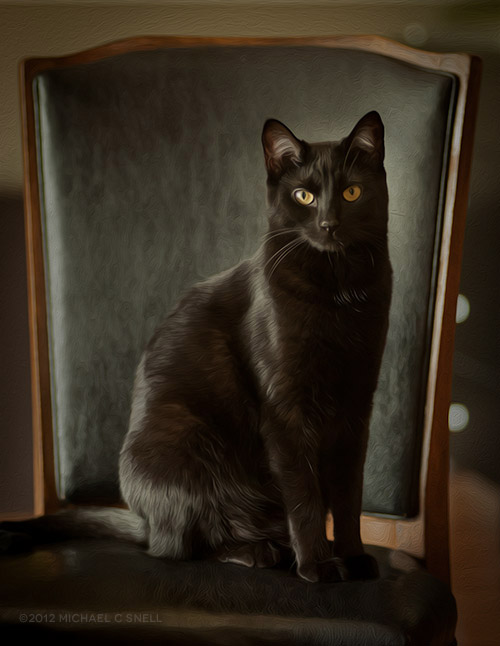
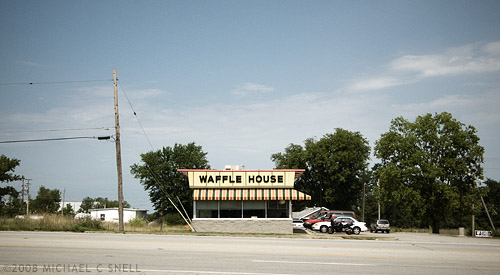
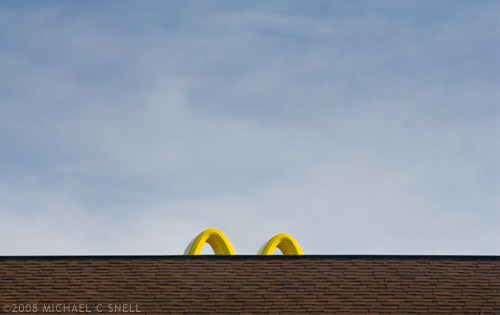
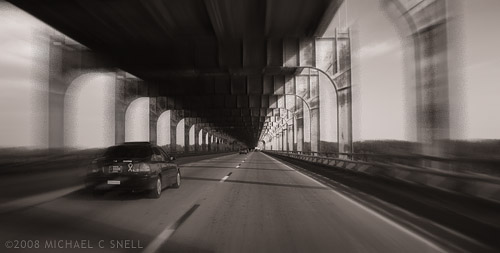
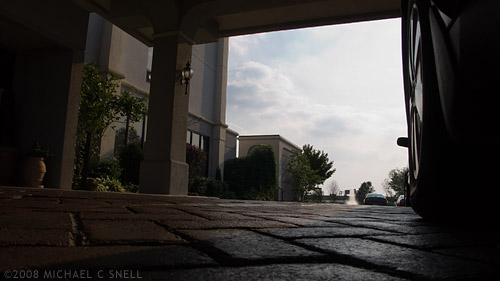
When shooting travel, I work in a more documentary way. I shoot 99% available light and tend to work with what’s there. I don’t do a lot of posing or manipulating of objects in a shot, I look for the best angles given what I encounter. In short, I move myself and the camera rather than the subject for the most part. Given that my subjects are often architecture or landscapes, it’s really necessity that I be the moving element.
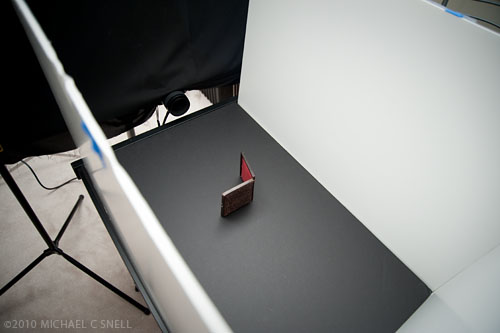
In the studio it’s different. I’m not working with available light, but typically a set of hot lights on stands. I can move them and alter their qualities with diffusers and gels in ways that I can’t affect the light in the field. There are a lot more decisions to be made in the studio due to these extra elements that are within my control. I choose backgrounds, positioning of elements, light, color, etc. Many of the shoots I’ve been doing over the last couple of weeks have involved glass and mirrored products so lighting and reflected light have been a real challenge. I’ve been having a lot of fun experimenting with these products and how different lighting can enhance them and show off their unique qualities.
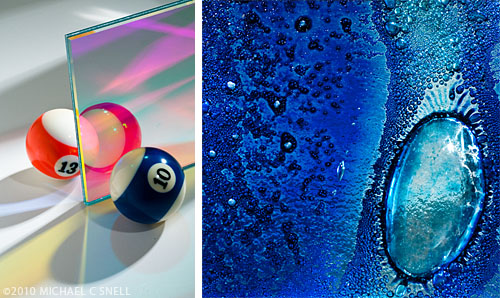
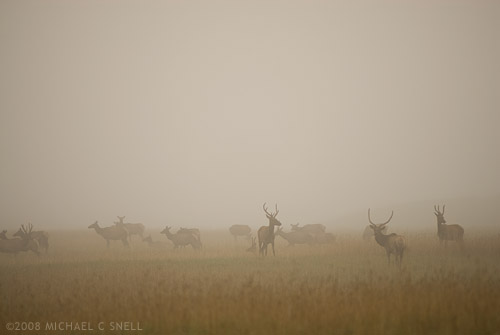
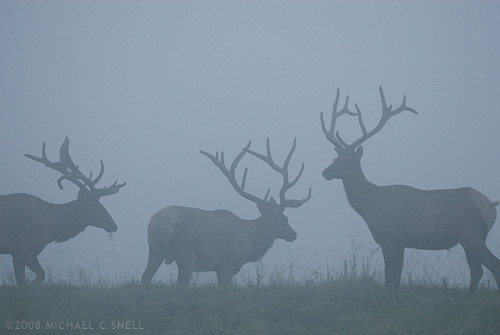
I find the studio work experience useful in my travel work as well. Having control over lighting helps you to understand the qualities of light so that when you’re in the field, you better understand how to make use of the light you’re given. The light that you can’t control. The sun does move, it just doesn’t always go where you want it or as fast (or slow) as you wish. Clouds and haze can act as diffusers. The difference between the studio and the field photography is really how you choose to control the situation. In the studio, you can control it by acting: moving a light, adding another, etc. In the field, with the kind of travel photography I tend to do, it’s more about reacting: change your position due to sun position, wait for a cloud to pass (or move in front of the sun), warm a cloudy scene by adjusting white balance in-camera rather than gelling the light source, etc.
I’ll be back in the field soon enough. I have some local projects that I want to work on for myself and my stock files and travel is always on the horizon. In the meantime, I’ve been enjoying the air conditioning and the lack of need for bug spray.