Stone Sea and Karst Cave, Sichuan, China

150919stonesea02_sotc

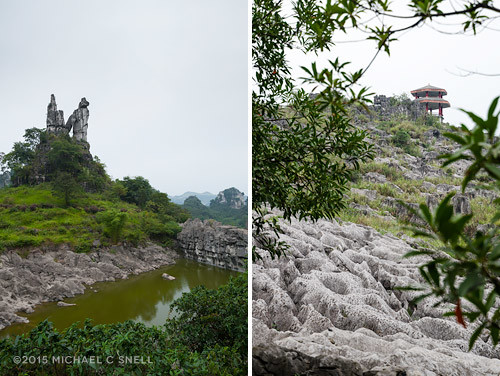
Next stop, the Stone Sea — a strange collection of rock formations, surrounded by a stunning landscape — and a quick visit to a Bo village re-creation in the same park. We must have been running late at this point because the pace of the tour kept increasing until it was mostly “drive-by tourism” from our little open-air shuttles.

150919stonesea01_sotc

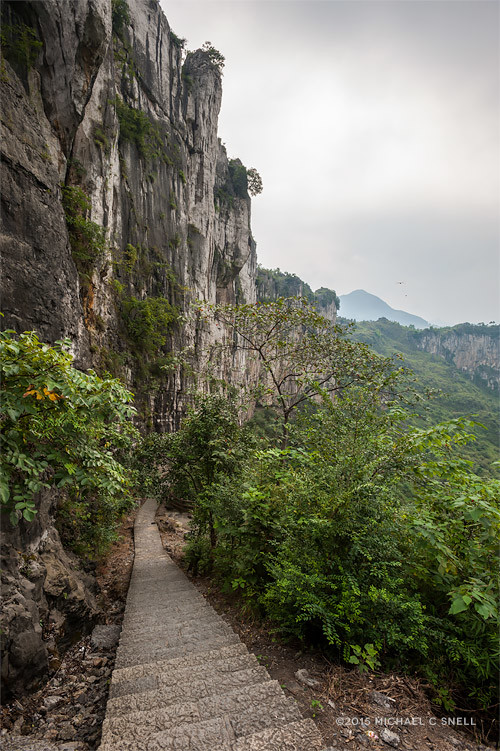
Finally off the shuttles, we took a glass elevator down the side of a cliff to arrive here:

150919stonesea03_sotc

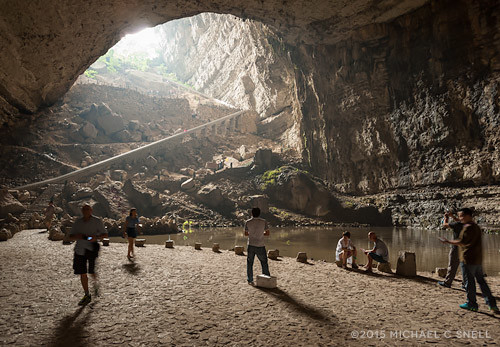
We didn’t take this trail, but instead entered the cliff that we had just come down and found ourselves in one of the larger caves I’ve seen:

150919stonesea04_sotc

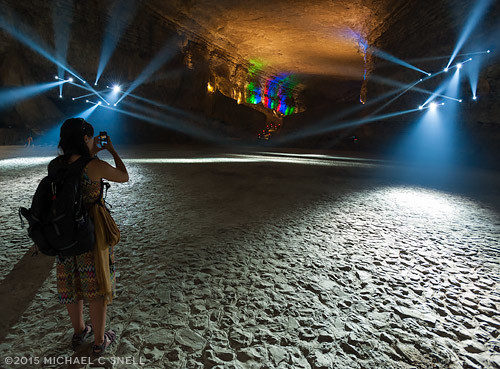
That’s looking back toward the entrance once I had finally arrived to a flat surface again. Not until I was half-way down did I realize that I could have slid down that giant, two-segment ramp that you see in the distance. Visitors were given a rugged wrap to sit on before they were sent zipping down the polished trough to the bottom of the cave. Once there, of course, there were more laser lights:

150919stonesea05_sotc

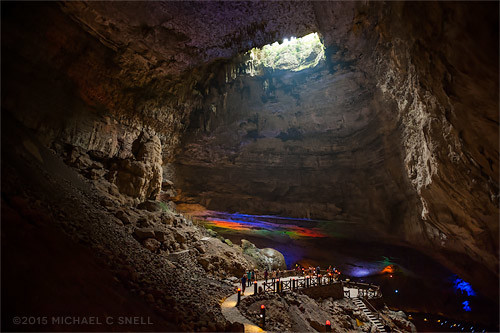
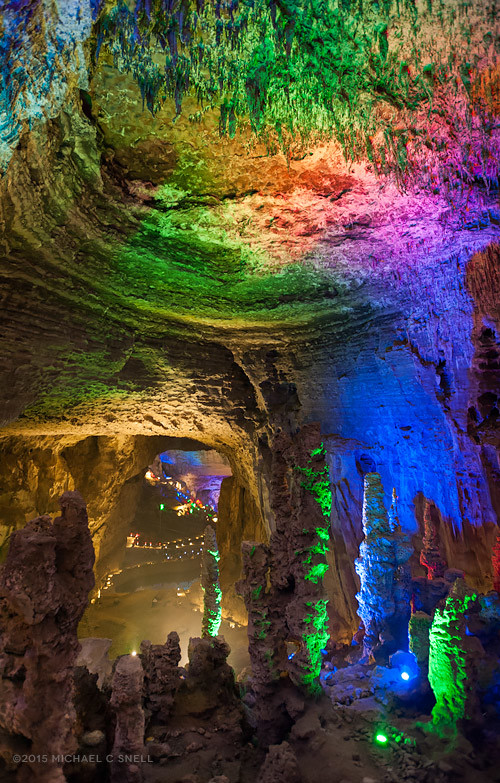
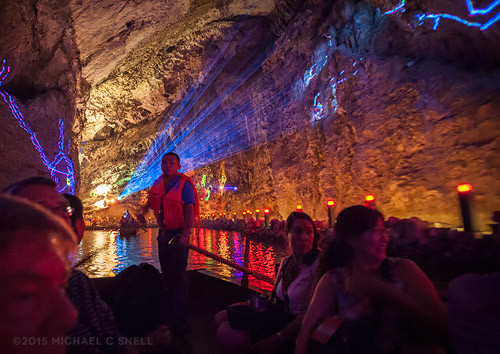
Thankfully, after that long descent, we learned that this would be a one-way, “through-hike” and we wouldn’t be retracing our steps back up the entrance. However, that did not mean that this would be a short trek. This was one large cave:

150919stonesea06_sotc

150919stonesea07_sotc

150919stonesea08_sotc

We eventually boarded small boats to ride the rest of the way to the cave’s exit — which turned out to be the very cave where we had had lunch! We had basically made our way through a mountain to arrive back where we had started.

Back to the buses, and back to Yibin. Time to rest up for another big day tomorrow, when we would visit the bamboo forests used in the filming of Crouching Tiger, Hidden Dragon.

Lunch under ground

150919miao05_sotc

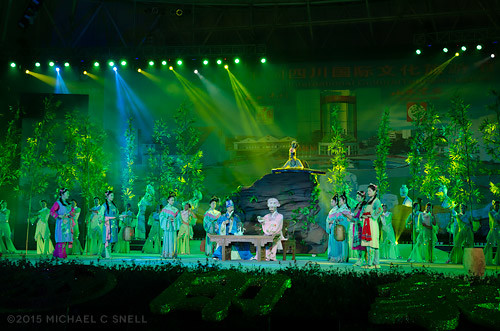
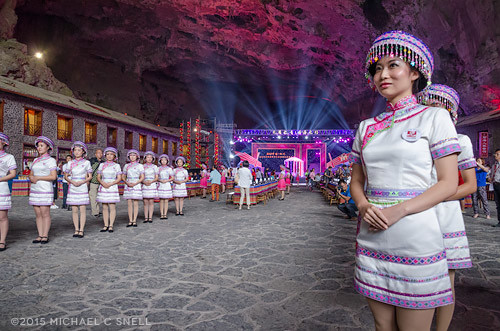
Following our visit to the Miao village that I wrote about in my last post, we boarded the bus and headed to an undisclosed location for lunch. After more winding roads, we eventually arrived at a very large rock shelter — no — cave, as it turns out. This would be where we would have a buffet lunch amidst a stage show, laser lights and a cast of hundreds of costumed staff. Lunch in China is often an adventure.

150919miao07_sotc

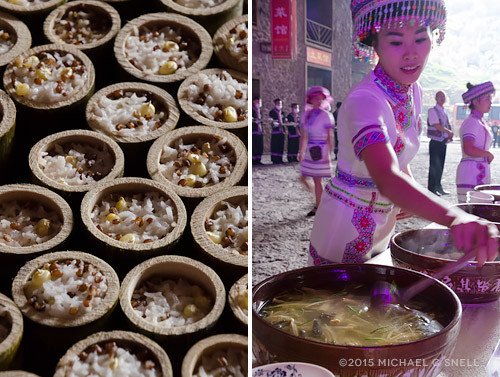
So many dishes, so much to photograph.

150919miao08_sotc

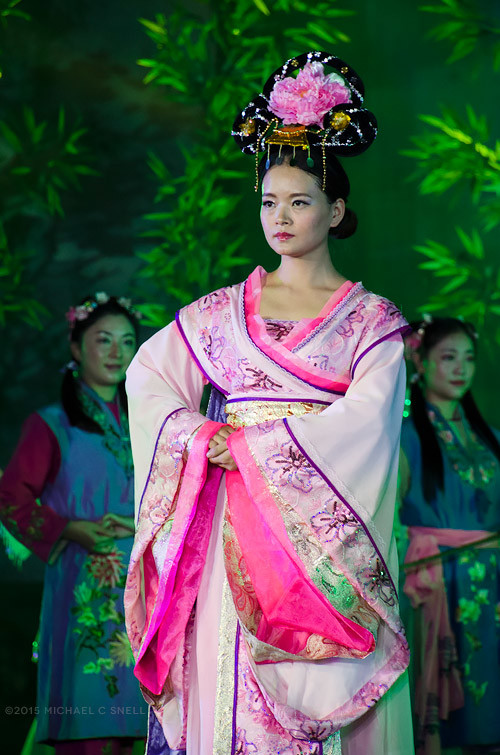
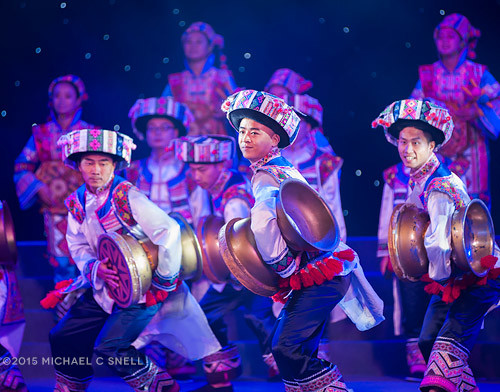
Yet another stage show. Incredible, as usual.

150919miao09_sotc

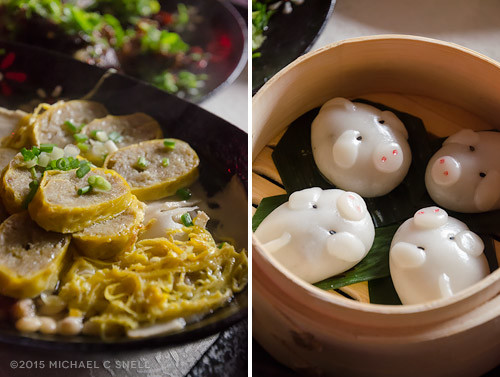
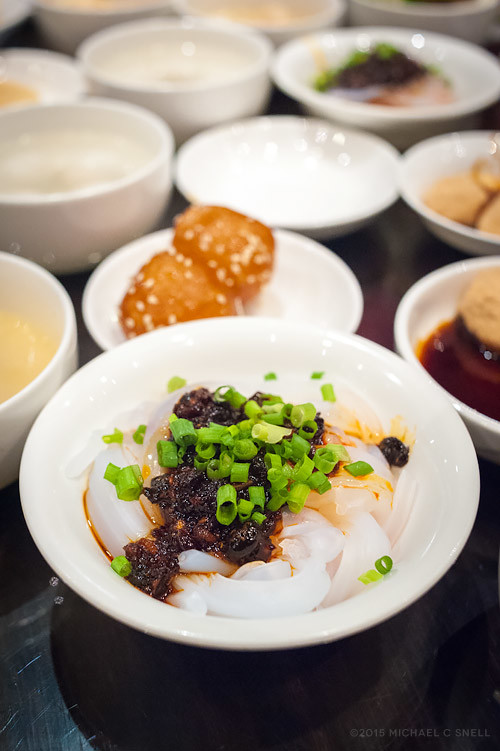
“Pig-shaped pastries” and other dishes including Black Bone Chicken, Nanxi Goose Breast, Bamboo Soup, Jiangtuan Fish, Braised Beef, Stewed Tofu with Chopped Pork and Quick-Fried Pumpkin Sprouts. Good thing we’d be walking this off with a visit to the Stone Sea in the afternoon.

150919miao06_sotc

Miao Village in China’s Sichuan Province

150919miao03_sotc

My third day in China started with another lengthy bus ride. I’d become fairly accustomed to the fact that I would never know too much about my destination. Board the bus, enjoy the ride, and be pleasantly surprised by whatever was waiting at the end. That pretty much sums up my approach to each day.

On this day, the first stop was listed on the itinerary as “Xingwen Miao Impression Town.” When we arrived, our destination revealed itself as a large (and growing) new tourist development built in an historic architectural style to promote the Miao people (a name given to a variety of ethnic groups living in the mountainous regions of southern China).

150919miao02_sotc

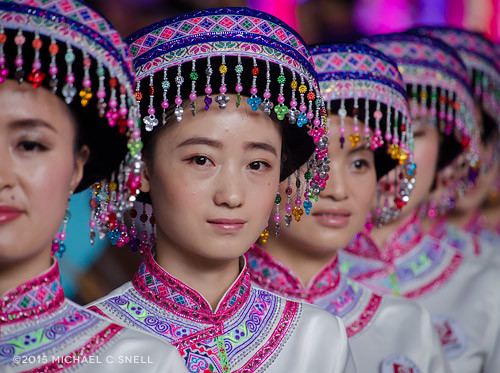
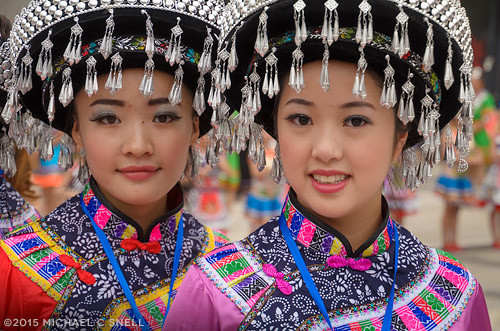
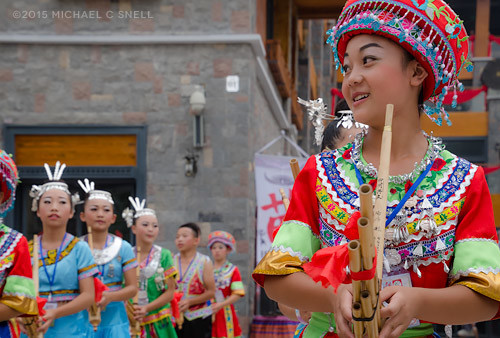
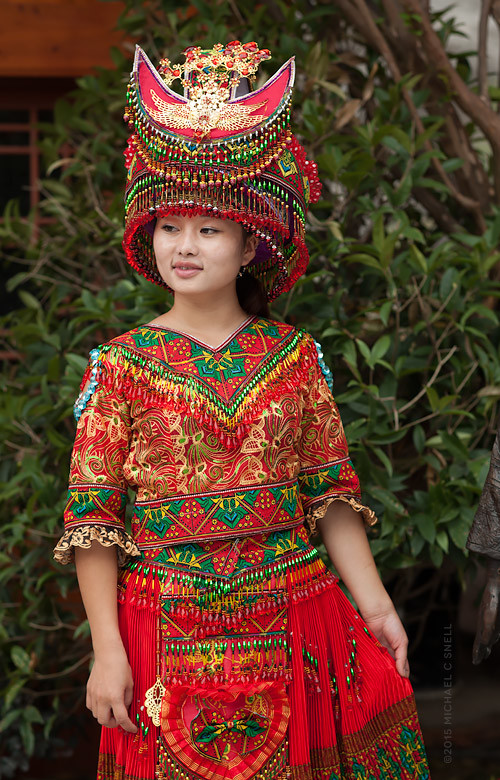
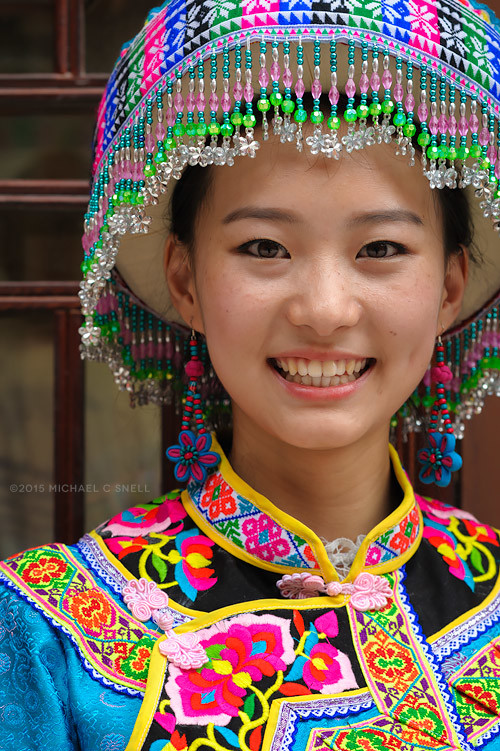
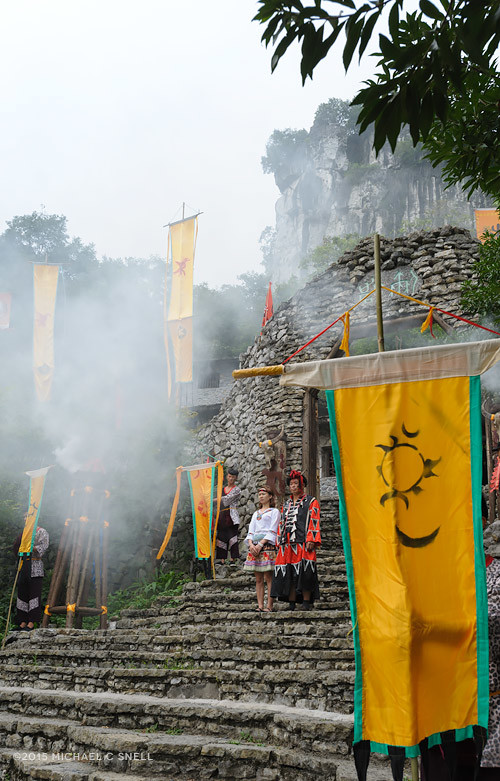
I knew we were getting close to our stop when the crowds along the road became much more populous. We came to a stop at a plaza with a large gathering of drummers, dancers, and other costumed performers. Our several busloads of tour agents and journalists joined the chaotic scene as I did my best to get a few photos of the colorfully-dressed performers. As the group was ushered through to a secondary area with food and arts displays, I switched into “portrait mode” to limit my scope a bit and to avoid having as many — or more — “tourists” in my shots as Miao people. Here are just a couple, before I move on to my next post about our lunch at a mysterious destination…

150919miao04_sotc

150919miao01_sotc

Lizhuang, China

150917lizhuang01_sotc

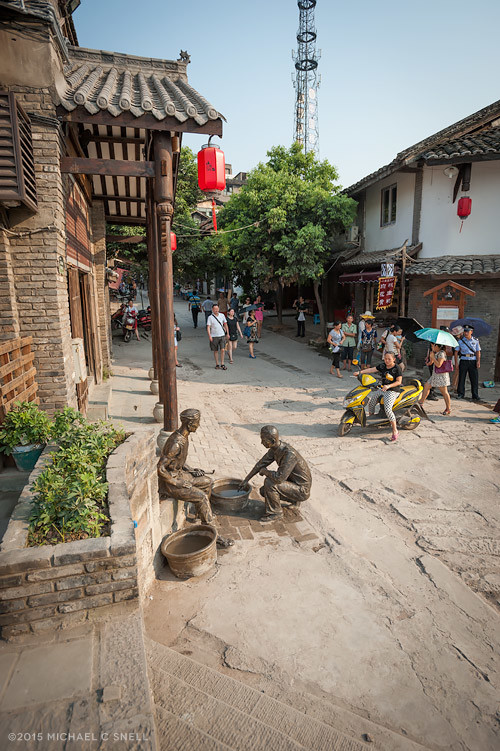
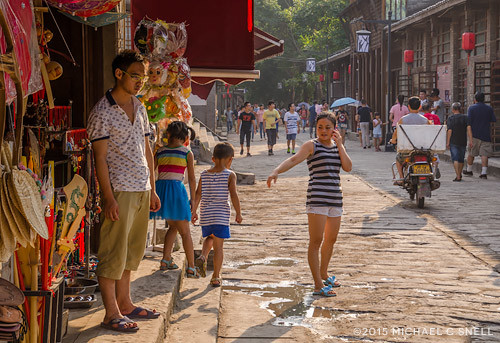
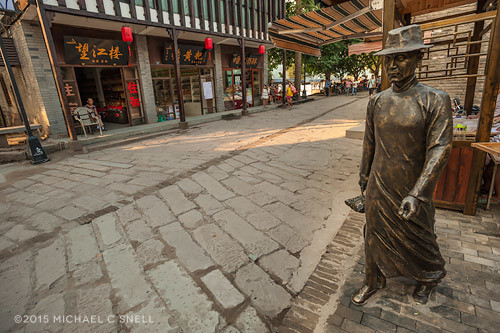
After the crazy distillery tour I wrote about in my last post, we seemingly went back in time by visiting the historic village of Lizhuang, China. The riverfront has apparently had quite a bit of recent investment put into it and the buildings have either been restored or rebuilt in an old style to house a variety of shops and restaurants. Here and there along the streets are bronze, life-sized statues depicting daily life.

150917lizhuang02_sotc

150917lizhuang03_sotc

150917lizhuang04_sotc

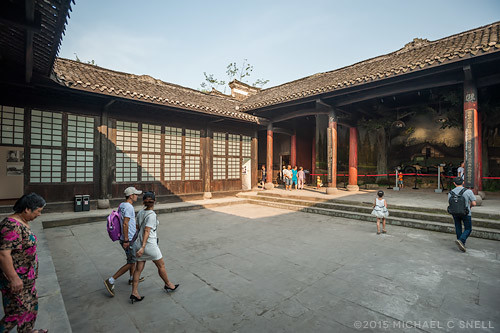
There was an interesting WWII museum in Lizhuang as well. In 1937, when the Japanese invaded China, many academic institutions relocated to towns like Lizhuang to be a safe distance away from the frontline. The museum tells that story through dioramas, artifacts and artwork:

150917lizhuang05_sotc

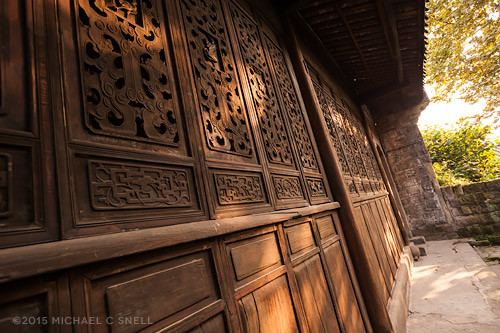
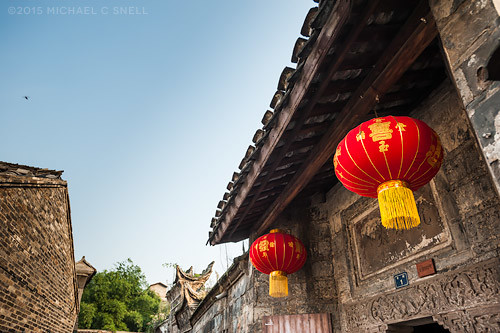
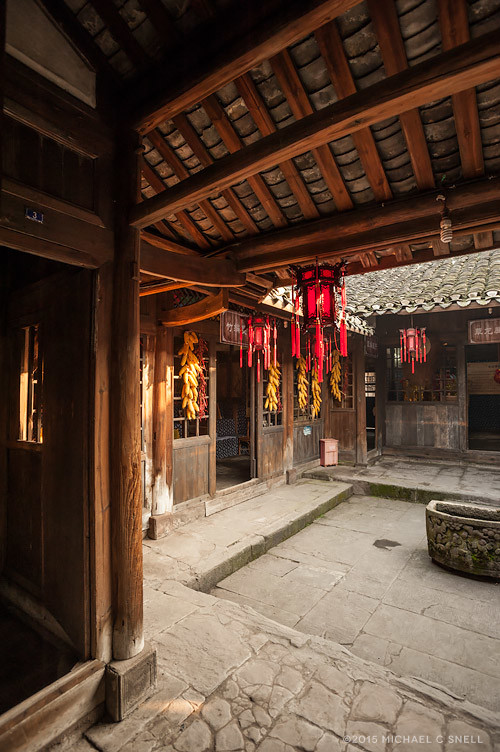
After the museum, we made our way back to the buses through the less-restored sections of the old town which were, in my opinion, more interesting than the more touristic sites along the river:

150917lizhuang06_sotc

150917lizhuang07_sotc

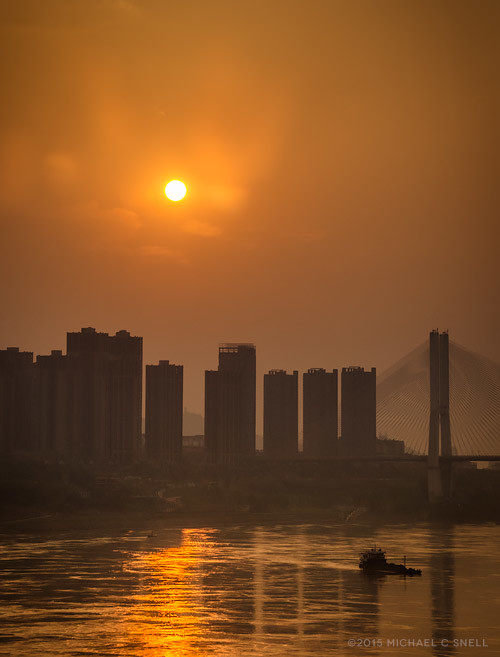
The sun just barely broke through the clouds as we neared Yibin, where two rivers join to create the Yangtze River:

150917yibin01_sotc

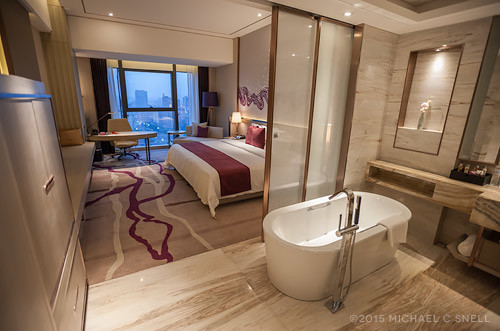
Time to check in to the hotel for the night. As it turned out, a group of us would be among the first guests to ever stay in the Crowne Plaza Yibin, which was having a soft opening (possibly just for this tourism event). I would be quite comfortable, if not spoiled, during my stay:

150917yibin02_sotc

Best. Factory tour. Ever.

150915yibin02_sotc

Sorry! Long post ahead. Day Two of my adventure in China’s Sichuan province started with checking out of my Chengdu hotel and finding my bus assignment for the core of the 2015 Sichuan International Cultural Tourism Festival. Bus 23 would be my home for the next few days.

Literally hundreds of tour operators and travel journalists had been invited to the festival and would all descend on the city of Yibin to learn what the region has to offer to travelers. The scope of the event became apparent as my bus joined a motorcade of buses that never stopped as they made their way toward Yibin. (I eventually saw vehicles numbered as high as 99 but I’m guessing that the total number of vehicles in our motorcade was well over 100 at times. In some places, people were lining the streets to watch it roll by.) Whenever we went through a town, every intersection was controlled by traffic control police so that we could make our way unimpeded. It was surreal to see the manpower that had been brought out and to see the efficiency of the workforce. Quite amazing.
150915yibin01_sotc

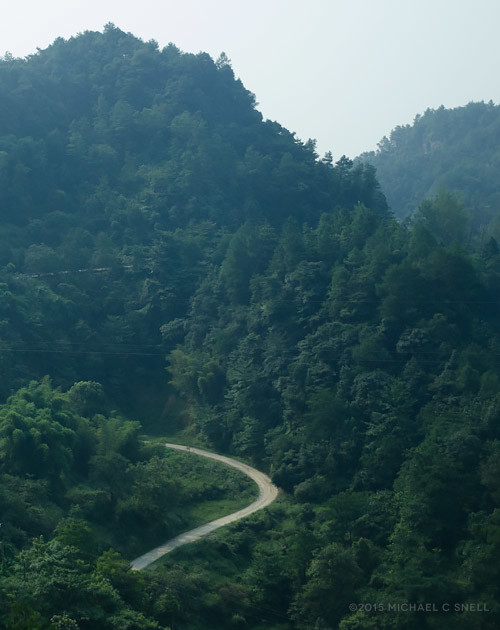
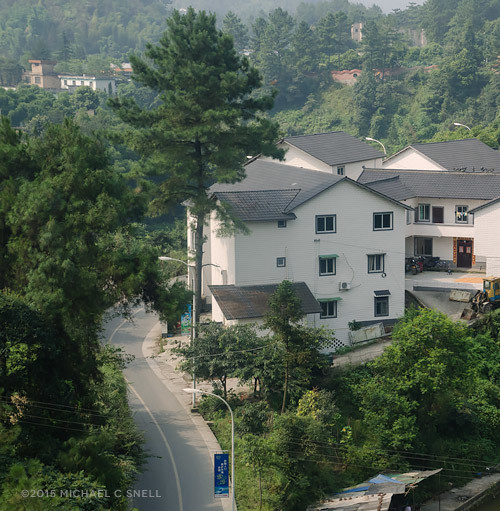
So these first two shots were literally taken through the bus window as we hurtled through the countryside. The landscape was amazing and I saw many areas that I would have loved to have lingered but we were obviously on our way somewhere, and the schedule was out of my hands. The itinerary had been changing frequently and every morning we were verbally given the most recent updates. Today, apparently, we would be stopping for lunch at a distillery.

You’d think I’d have learned by now, but — when in China — always expect something bigger than you would first imagine. Though I hadn’t seen it with my own eyes yet, this is the distillery that we would be visiting: the Wuliangye alcoholic beverage company.
150915yibin15_sotc

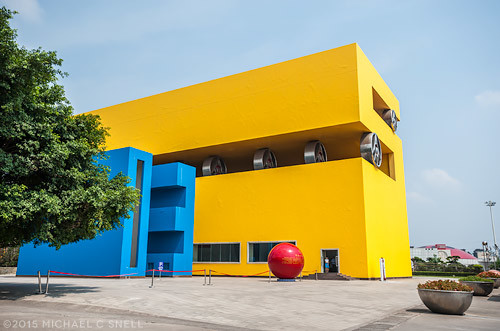
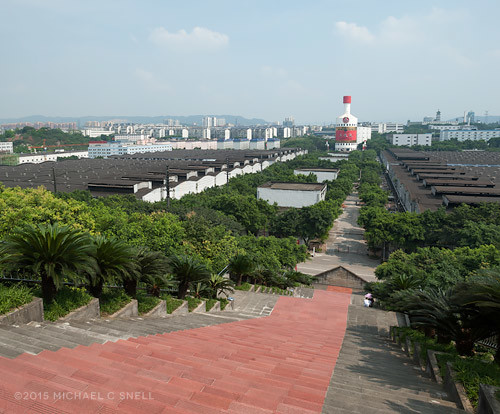
The complex is enormous and — yes — one of the buildings is shaped like a large bottle of alcohol. My head was swimming a bit but I believe I recall them saying that there were over 65,000 employees.

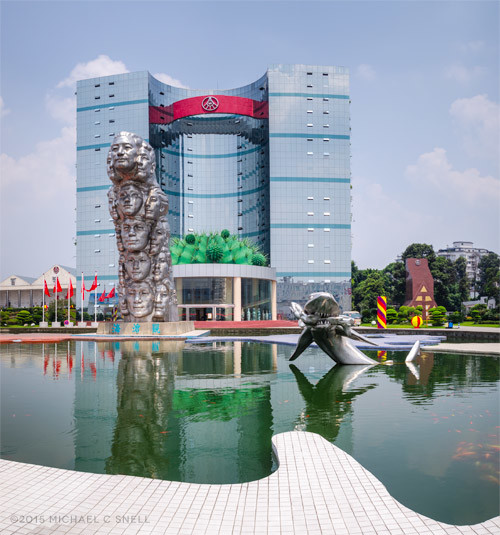
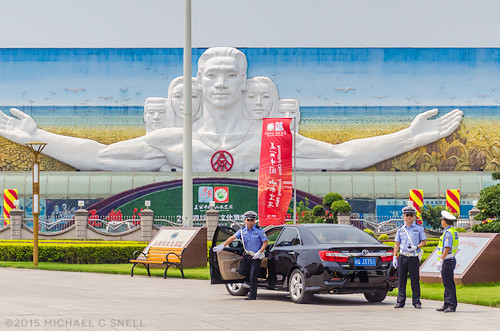
My first sight of the “campus” was actually in what I would assume is the visitor center area as well as the corporate offices. Our parade of buses rolled to a stop and we got out here:
150913yibin03_sotc

I love the architecture.

150915yibin14_sotc

150915yibin04_sotc

The buildings, the landscaping, the sculptures…
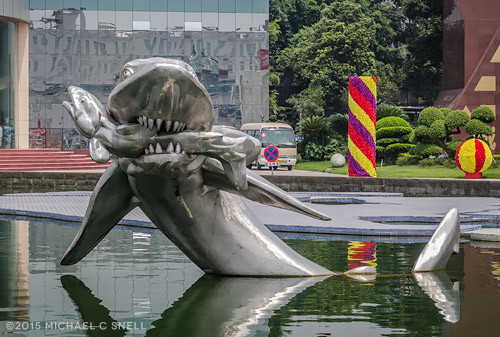
150915yibin05_sotc

I’ve been to a lot of distilleries in my life (don’t judge) but I honestly wasn’t prepared for anything like this. I loved the grandeur and the spectacle of the place.

We had a quick buffet lunch and were then given a tour of several galleries showcasing the products and accomplishments of Wuliangye. There was a “3D” film in an IMAX-style theater that assaulted you with flyovers of the Chinese countryside. There was a presentation on the history of Wuliangye, how it was developed and how it became the incredibly popular and successful product that it is today.

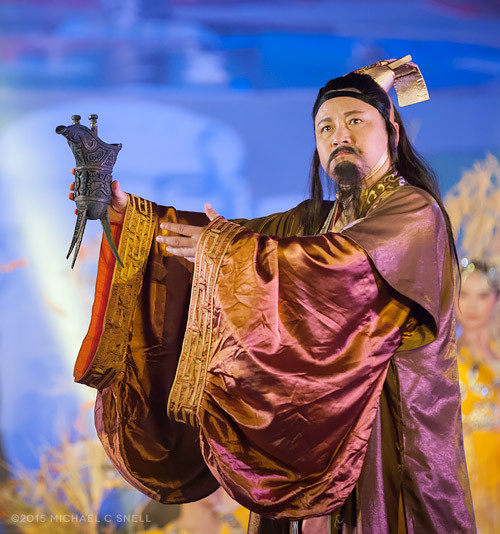
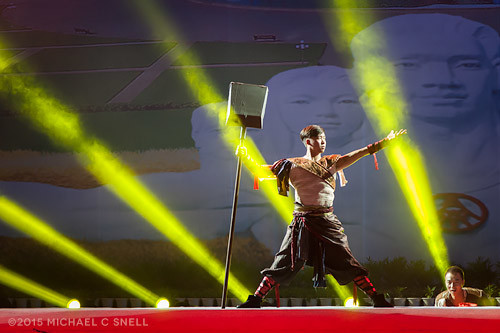
That’s right. A history presentation. Anywhere else in the world, this probably would have been done via a quirky, stiff industrial video. But not here. Not in China. We experienced a live-action history presentation in a giant, domed structure with a cast of colorfully costumed performers.
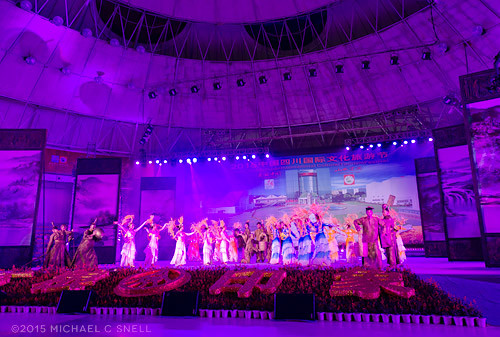
150915yibin06_sotc

I’m tempted to stop here and let you all catch your breath. Maybe save the rest for a “part 2” post but, no, I’ll just keep going so that you can enjoy the full ride just like I did. Enjoy the show:
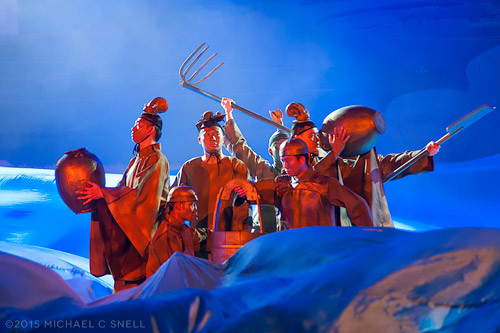
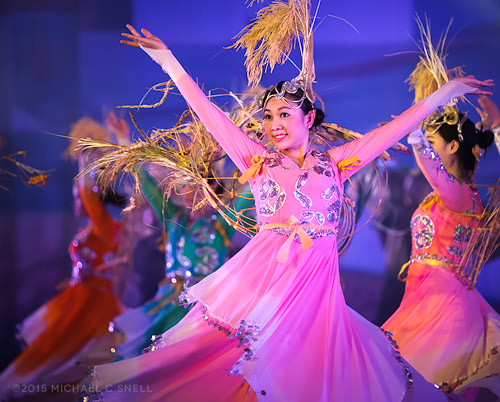
150915yibin07_sotc

150915yibin08_sotc

150915yibin09_sotc

150915yibin10_sotc

150915yibin11_sotc

150915yibin12_sotc

150915yibin13_sotc

After the show, we boarded our buses again, but we weren’t finished at Wuliangye. We made two or three more stops — one with a marching band at a pagoda, one with the big overlook of the entire factory complex I showed before, one with a showroom of many specialty bottles of Wuliangye sporting price tags that were difficult to comprehend.

Back on bus #23, we were told our next stop would be at a historical village. It was clear that we would be continuing our tour of the incredible land of contrasts that is China. More on that, next time…
Day One in Chengdu, Continued…
150913chengdu03_sotc

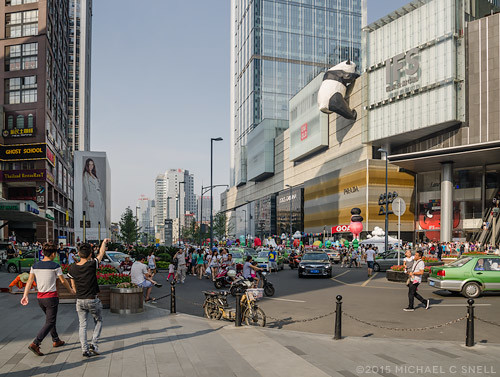
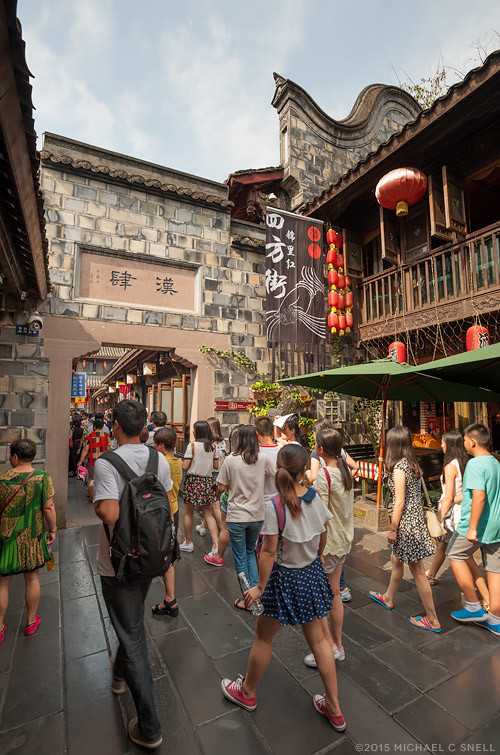
Continuing the report on my first afternoon in Chengdu, China: after visiting the Jinli Ancient Street, it was time to see the modern side of the city. Chunxi Road offers an entirely different shopping experience with high-end brands and the most giant of all giant pandas, scaling one of the buildings:

150913chengdu01_sotc

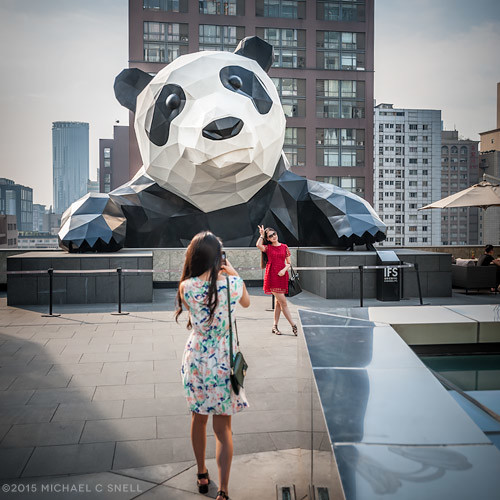
Step into the shopping mall and ride a few escalators up to… maybe the fourth floor (?)… and you find yourself face-to-face with the panda:

150913chengdu02_sotc

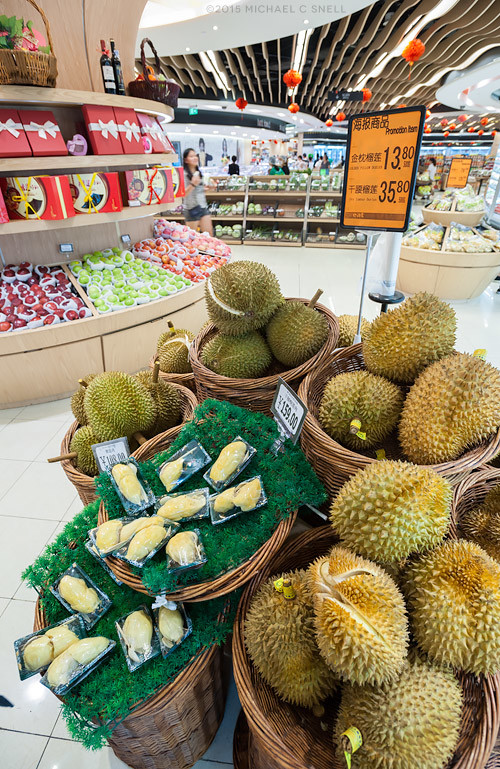
Obviously a popular photo opp. Heading back down through the shopping center, I couldn’t help but check out the grocery store. Always one of my favorite things to see in any country, this one was extremely posh — but not so posh as to be too good to put everyone’s favorite stinky fruit, durian, on display front and center:

150913chengdu04_sotc

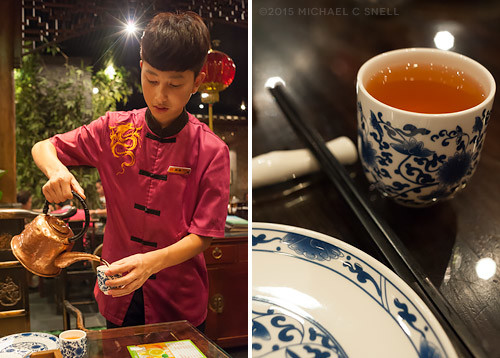
Hungry now, we were off for a “snack” at a local tea house. The “snack” was eventually deemed enough to suffice as dinner and it was time to head back to the hotel to prepare for the actual tourism festival events, which would start with a long bus ride first thing in the morning.

150913chengdu05_sotc

150913chengdu06_sotc

China’s Sichuan Province

150913wuhou_sotc

Last month I was invited to attend the 2015 Sichuan International Cultural Tourism Festival held in Yibin, China. It was my second time in China, but my first in the province of Sichuan. With just enough time to send my passport off for a new 10-year visa, the next thing I knew I was packing up and heading off to explore a region I knew mostly the by the Americanized version of its cuisine.

I arrived on August 22nd after what I believe must have been very nearly 24 hours in the air, separated into three flights: KC to LA, LA to Beijing, and Beijing to Chengdu. It was about noon when I arrived at my hotel and, after a quick 20 minutes to shower and break out a little camera gear, I was back on the streets of Chengdu to do a little exploring.

150913wuhou03_sotc

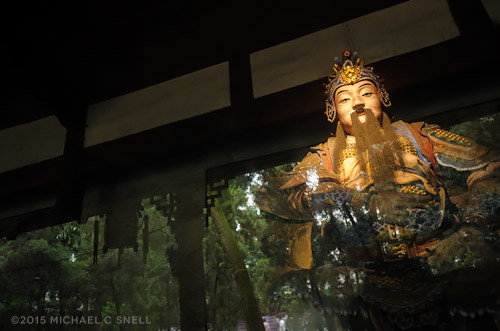
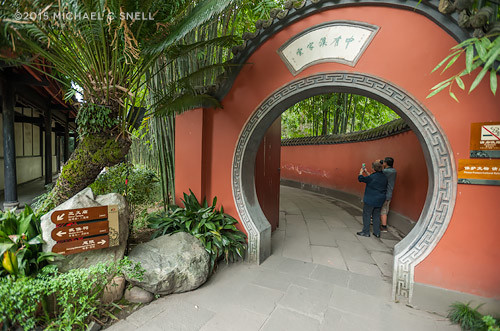
The first stop was Wuhou Temple, the Memorial Temple of Marquis Wu (220 – 280).

150913wuhou02_sotc

150913wuhou04_sotc

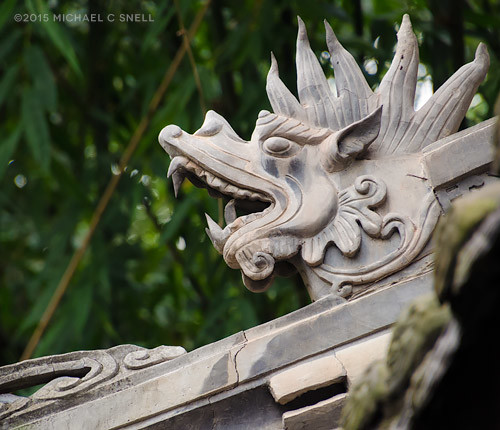
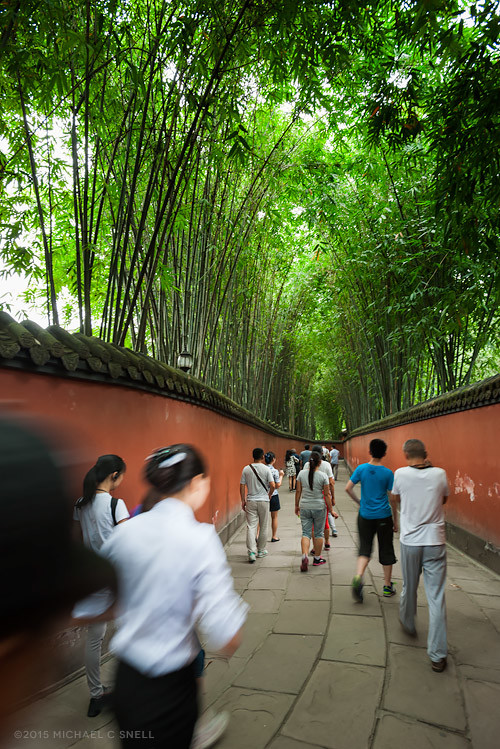
In addition to cultural relics and historical artifacts, the temple complex includes beautiful gardens and a winding avenue through tall stands of bamboo.

150913wuhou05_sotc

150913wuhou06_sotc

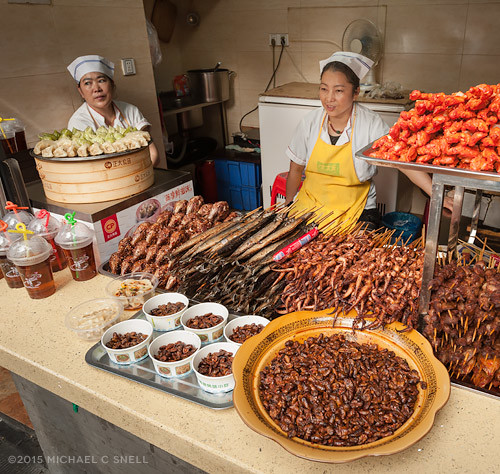
Adjacent to the temple is Jinli Ancient Street, lined with shops, tea houses, restaurants and street food vendors:

150913wuhou09_sotc

150913wuhou08_sotc

150913wuhou07_sotc

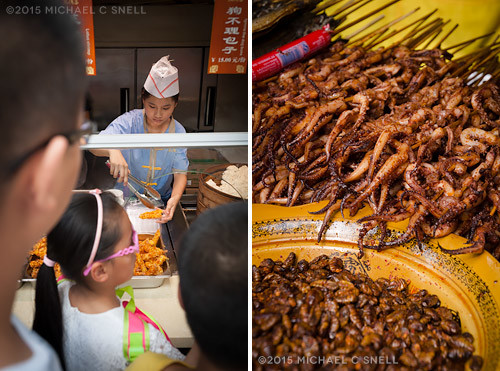
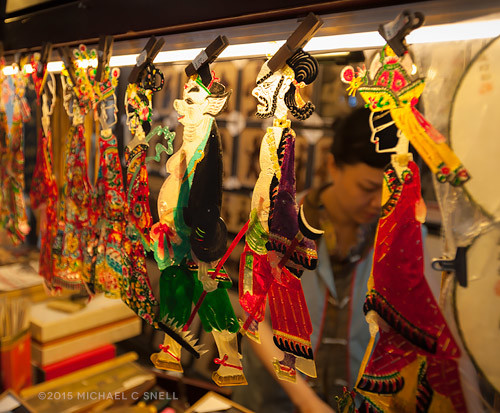
Like a Chinese version of a State Fair, every food imaginable that could be put on a stick was being sold to lines of smiling visitors. Shops sold all kinds of local crafts and souvenirs including one stand specializing in shadow puppets:

150913wuhou10_sotc

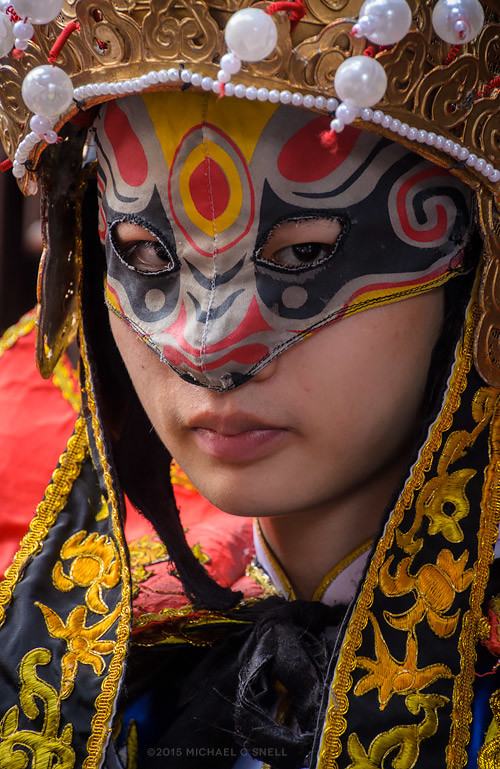
This boy was demonstrating plastic toys that mimicked the famous mask-changing characters of Sichuan opera:

150913wuhou11_sotc

An eye-opening introduction to Chengdu and Sichuan Province, my first afternoon was just getting started. Next I’d check out some of the more modern architecture and high-end shopping options. Then an afternoon “snack” that turned out to be enough to count as dinner at a local tea house. All that, and more, in the posts to follow…

10×5 outtakes: SW Landscapes

150808redhills1_sotc

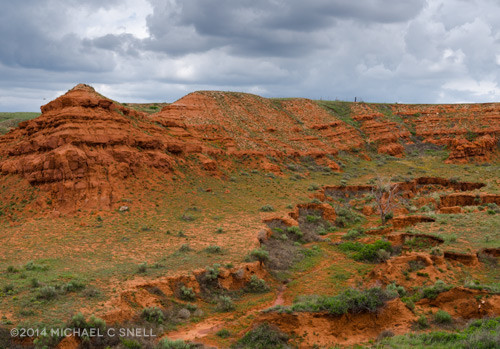
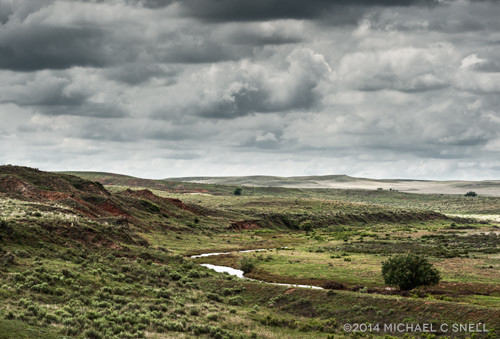
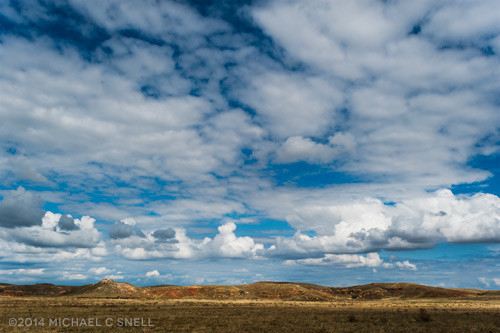
A few more outtakes from the Kansas 10×5 book project — these three landscapes I took within an hour or so of each other in southwestern Kansas near Big Basin. The land changes fairly drastically in a short distance out here. It’s an area I would like to photograph more often.

150808redhills2_sotc

The day started off fairly cloudy, but opened up just as I reached Big Basin, seen below. This is a giant, old sinkhole west of Ashland. The flat foreground is the bottom of the sink, and the “hills” you see in the distance are actually the far rim.

150808redhills3_sotc

10×5 outtakes: Butcher Falls

150804butcherfalls_sotc

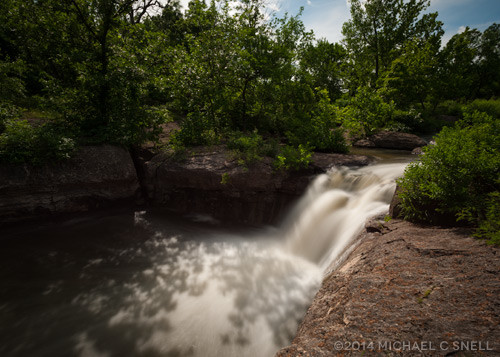
I knew when we started the photography for the Kansas 10×5 book that I wanted to feature some locations that might surprise those with preconceptions of Kansas. Waterfalls are not something we’re known for, but we do have several nice examples. This one is Butcher Falls on Pool Creek in Chautauqua County. It was running pretty strong when I visited on June 7th last year. It was supposed to be my second falls of the day, but I couldn’t make it to the first one I’d planned to photograph in Bourbon County due to roads being flooded out. I shot one other waterfall later in the day in Elk County. That image did make it into the book but this one was eventually cut during the editing process. Still one of my favorite Kansas falls, and one I know I will photograph many, many more times.

Kansas 10×5 book

Kansas_10x5_Cover_Snell

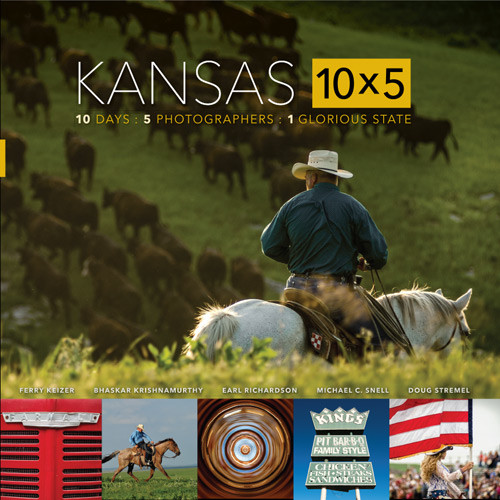
For the past few years, an idea had been brewing. That idea is now a book called “Kansas 10×5” and it’s available from my Blurb bookstore.

I’ve always loved hanging out with other photographers and shooting alongside them. There is something fascinating about how we each see the same things so differently. For years there has been a fluctuating group of local photographers I know that have taken day-trips or long weekends together, just to make photos and have fun. Some of us are professional, others just enthusiasts, but we’re all just shooting for the enjoyment of it and to see how we each approach the same subjects. In the past we’ve had blogs where we would share images or we would just email them around to the group. We talked about doing more —  other projects — but we’re a bunch of busy people and it’s hard to make the time for an extensive project and have it fit everyone’s schedules.

When my friend Bhaskar Krishnamurthy moved to Kansas City, he and I also began talking about ways we could work together and ways that he could meet other local photographers. Everything began to come together and the idea of this book evolved.

Initially we wanted to have photographers from all over the country descend on Kansas for 10 days to shoot a book. Our attempts to find funding were less than spectacularly successful so we eventually pulled back to the idea of using more local photographers. Doug Stremel and Ferry Keizer had already been on board from the local photographer’s group I mentioned, and Doug suggested adding Earl Richardson to replace a couple of out-of-state photographers that couldn’t make it. I’d known Earl only by his work but when I met him one morning with Doug for breakfast, it was easy to see that he was a great fit.

So we settled on the five of us and 10 days. The ratio of 10×5 made sense (2-1), as it is basically the same proportion as the state itself, which measures 400 miles by 200 miles. So the 10×5 name explained the 10 days + 5 photographers, the shape of the state, and even led to the development of the grid for the layout of the book. It’s a 12″ square hard-cover so, when opened, it is 24″ x 12″ — the same 2-1 ratio as the state.

But to get to the point, we ended up with what I think is a really fun book. Five guys’ impressions of a state that they either grew up in or found later in life and now call home. Each made their own path for the most part, but we all met on one night to photograph the Symphony in the Flint Hills event together.

I want to thank Bhaskar, Ferry, Doug and Earl for their participation and cooperation on this book. It was a project that was great fun for me, and I hope you check out the preview on Blurb and enjoy it as well. Over the coming days, I’ll post a some out-takes of mine from the book, and maybe a few behind the scenes stories. Stay tuned…