Category Archives: landscape

The River

130111riverblu_sotc

I evidently hibernate in winter (my last post being nearly a month old now), but my friend and fellow photographer, Doug Stremel, and I ventured out early Wednesday morning for a day filled with finding images in the winter Kansas landscape. It’s a season that I don’t shoot enough but am striving to photograph more often. Winter was the favorite season for my college painting instructor, Robert Sudlow. I remember him once telling me that he had difficulty painting Kansas landscapes in summer because it was just “too green”. He found more subtlety and variation on those grey, overcast days when the snow was melting away. I’m understanding the beauty of that subtlety more and more myself as I continue to update my Kansas image files.

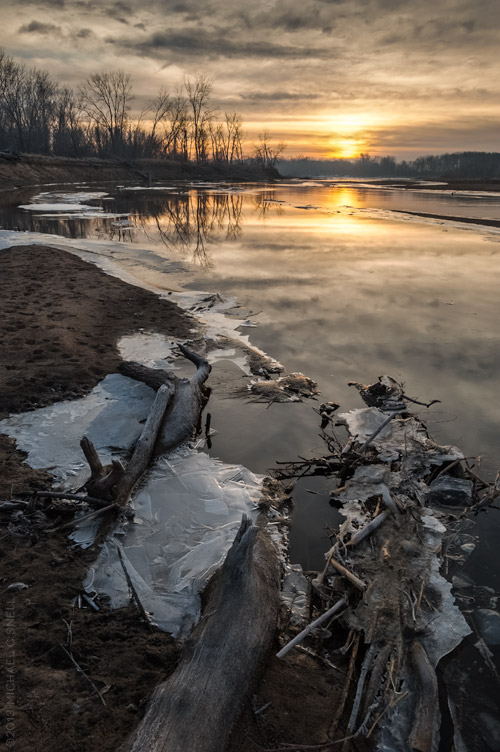
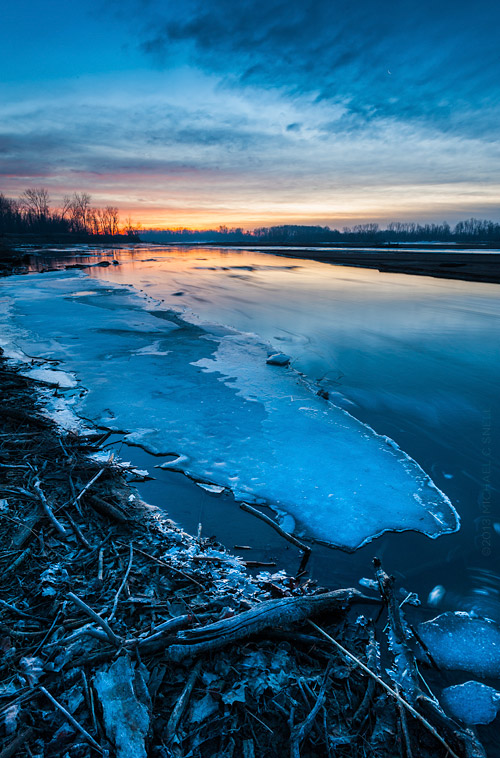
A different destination drew Doug and I out on Wednesday (more on that in the next post) but it wasn’t in a place that would work well at sunrise so we looked for another, nearby spot to take advantage of first light. Since water effectively doubles your sunrise impact by reflecting the colors, we headed for the Kansas River. Hiking down to the water’s edge in near total darkness provided its own challenge, but it was worth it when the light came up to reveal the melting ice flows. We heard them before we could see them, crashing into one another as they drifted downstream.

The shot at the top of this post is, I believe, the second frame I’ve shot in 2013.

130111sunrise_sotc

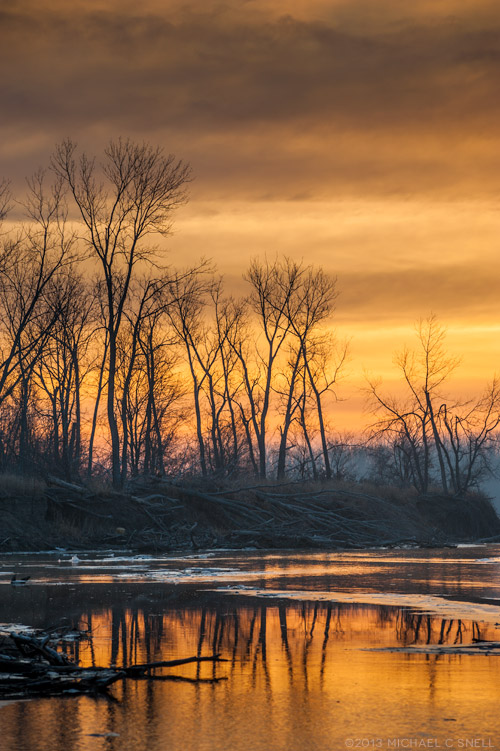
As the sun rose, the colors shifted dramatically and offered a fantastic range of photo options. The following photo was taken about 35 minutes after the first and both are fairly true to the actual colors we were seeing.

130111rivergold_sotc

This is also an HDR shot (High Dynamic Range) assembled from three separate bracketed captures spanning six stops. The process allowed me to get a much wider range of contrast into one image, something that was more and more necessary as the sun rose higher — getting brighter — while the foreground shadows remained very dark. I don’t like to push HDR as far as some do to get that other-wordly effect that so many relate to the process but, instead, I like to use it to get closer to what the scene actually looked like to my eye at the time of capture.

130111ice_sotc

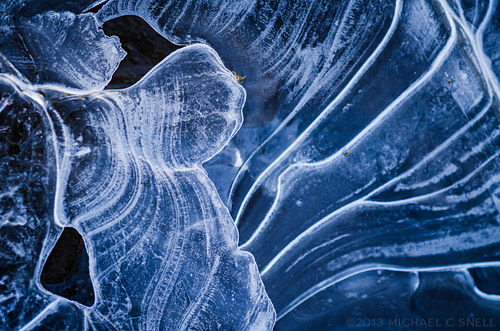
There were also plenty of options for detail shots of the melting ice along the river bank. All-in-all, a good start to the day, and a great start to 2013. I’ll continue with more of Wednesday’s locations in the following post.


Shooting stars

In yesterday’s post I promised to provide some insights into last Wednesday’s night shoot at Monument Rocks in Western Kansas. It’s a different animal, shooting in near total darkness, and takes some getting used to. I learned a lot last week and I look forward to my next opportunity to improve my process.

None of the images in this post have had huge adjustments made in post-processing. White balance was probably the biggest challenge — especially when getting into mixed light sources — but I’ve decided not to get into localized color changes and instead go with how the camera recorded the images.

But first things first: if you’re not familiar with Monument Rocks, it’s an area of the high plains of Western Kansas that used to be the bottom of a vast ocean millions of years ago. Eons of erosion have left behind spires of chalk that stand up to 70 feet above the mostly flat surrounding landscape. According to Wikipedia, this was the first region to be designated a National Natural Landmark by the US Department of the Interior.

But why try to describe it when you have photos? Here’s what it looked like just after sunset last Wednesday:
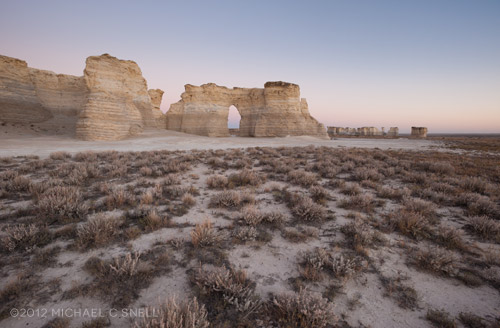
The rocks are also remote enough that there wasn’t a lot of light noise from nearby towns to cause problems with our attempts at night photography. I think the nearest town is at least 20 miles away. We could see a few lights from surrounding farms and ranches, but they didn’t cause huge problems. The stars where clearly visible in the millions, but I do think that the color shifts that I observed in some of the shots may have come from artificial light bouncing around in dust that was being carried in the slight breeze. It was a far calmer night than I had ever experienced at Monument Rocks, but it has been an extremely dry year and the dust was very fine and easily made airborne.

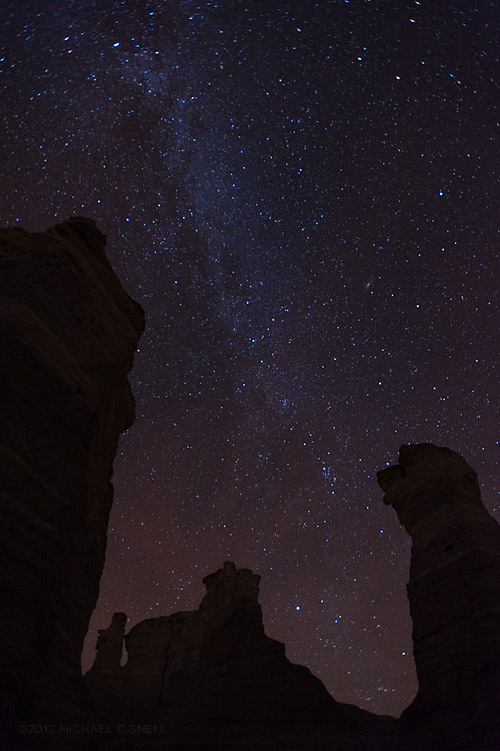
After the sun went down, it didn’t take long for stars to appear and be bright enough to photograph. In this shot, there is still a fair amount of ambient light in the sky and the rocks are still being lit slightly by the dying light of the sunset:
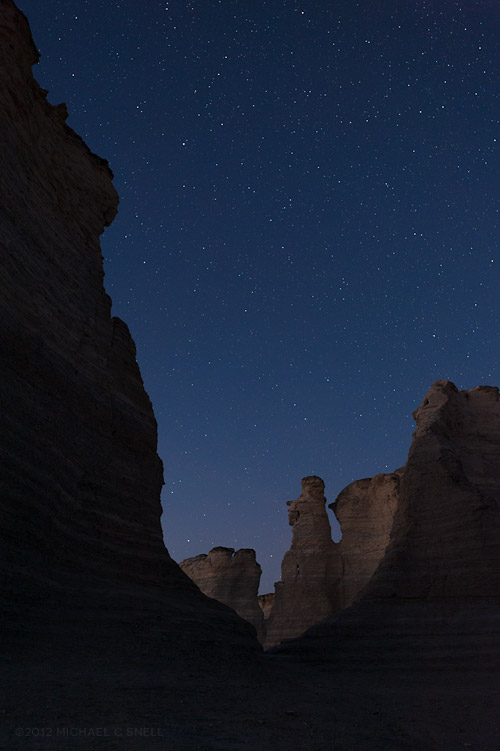
To the eye, it was fairly close to total darkness at this point but the camera could still draw quite a bit of light from the scene. I tried to keep all exposures shorter than 20 seconds, or 30 at the most, in order to keep the stars from streaking due to the earth’s rotation. Focusing was a bit of a trick since many modern auto-focus lenses don’t behave quite like old manual lenses did. On the old lenses, you could often just rack them all the way to infinity and you’d be fine, but with some earlier testing on my 17-35mm Nikkor that I used for these shots, I noticed that I had to pull it back a bit to get things sharp when focussing manually. I’d made a note of where the focus point needed to be on the lens markings and just used that once it was too dark to visually attain focus anymore.

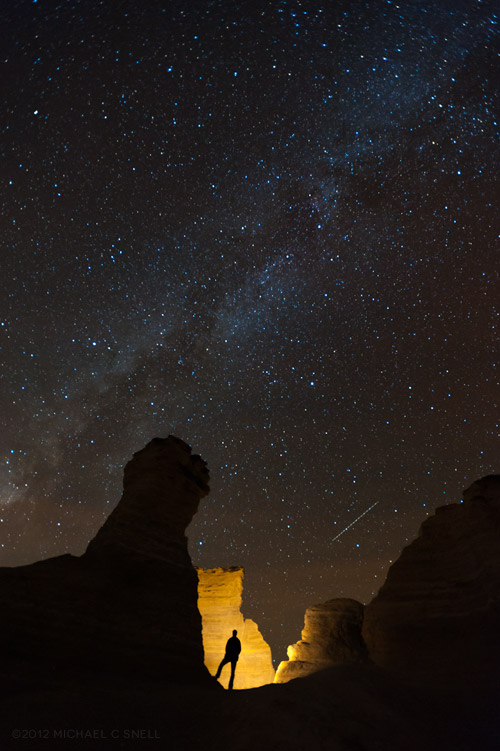
As it got darker still, I started experimenting with adding some light painting. This was done with a variety of sources but the two I found that worked best were 1.) a small, hand-held flood that I picked up at a hardware store for less than $20 and 2.) an even smaller Maglite that I tend to keep in my camera bag to help me locate things in the dark on night shoots such as this. It was this small Maglite that was used in the shot at the top of this post. One of my fellow photographers stood in to give some scale to the scene and also used my Maglite to “paint” the distant rock during the exposure. The hardware store floodlight was used on the following shot:
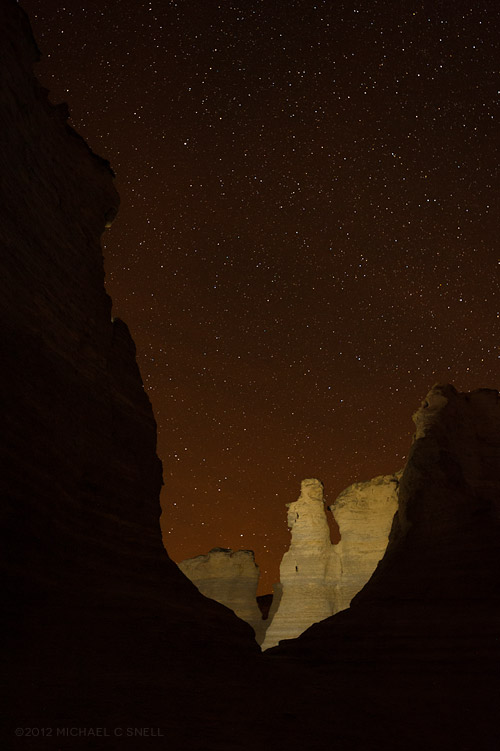
The light was far too bright when pointed directly at the rocks so I used the silhouetted rock in the foreground as a giant bounce card. I walked around the foreground rock and set the floodlight on the ground, propped but by a small rock, so that it pointed away from the rock I wanted lit. The beam hit the back of the rock that you see in silhouette here, and the light bounced back to illuminate the more distant spires. The redness of the sky is what I believe is coming from some light from surrounding towns and farms refracting in some airborne dust. My best guess anyway.

I found that when shooting with a 17mm lens (on a full-frame D700), 20 seconds was indeed about the limit of what an exposure could be before stars began to streak. Twenty seconds or less kept them more or less as pinpoints. To achieve this, I generally shot wide open at 2.8 and used ISOs to control the exposure. By the darkest point in the night I was shooting at ISO 1600. I was surprised to not have to go higher, but relieved that I didn’t need to deal with more noise from even higher ISOs. As it was, these shots required very little noise reduction in Lightroom.

The following night we shot more night skies, including one 15 minute star trail exposure. I’ll share some of those images in later posts.
Billions of stars

I’ve been out shooting in Western Kansas with the Gizmo guys the last few days and we took advantage of a cool, clear night at Monument Rocks to try some night photography of the Milky Way. I’m just getting started on the post-processing and haven’t quite settled on what feels like the right white balance, but I thought I’d go ahead and share this one with you now. It’s amazing how much you can capture digitally in such dim light. I’ll share more later, with details on exposure, some light painting experiments, etc.

Gypsum Hills of Kansas

I spent a couple of days on the road last week with my friends over at Gizmo. They were documenting the Gypsum Hills Scenic Byway and I tagged along to grab some fresh stock photography. I hadn’t been on the backroads in this part of south-central Kansas for a few years so it was fun to reacquaint myself with one of the more unusual scenic regions of the state. I found some of my old favorite spots nearly unchanged and others — like my favorite little reflecting pool — to be entirely missing. The formation above was a new surprise. I’d been down this particular road before but evidently not quite this far because I don’t recall ever seeing that balanced rock before. As much as I’ve traveled this state, it is surprising to continue to run across these little treats. You’d think I’d have found them all by now but that’s the beauty of Kansas. The longer you look, the more you see, and exploration is nearly always rewarded.
On other fronts, this seems to be the season for software issues. As I mentioned previously, it appears that my recent WordPress update has disabled the comments on this site. I’ll continue to try and rectify that situation but I’m also investigating new platforms for some new features that I hope to add to my website yet this year.

I’ve also been working toward upgrading all of my Adobe software to CS6. I’m already running Lightroom 4 and have been using the beta version of CS6 for weeks but as of the end of May, the beta version was discontinued since the final version had been released. My transition was slowed somewhat this time due to a special offer I took advantage of where I was able to upgrade to CS5.5 in early May and a free update to CS6 would be provided by the end of May for me to download. Given the amount of Adobe software that I use, this added up to a substantial discount so I purchased my CS5.5 upgrades and waited for my download link for 6 to arrive. By May 30, I still hadn’t received it. I contacted Adobe and they manually added me back into the system and I finally received my link last thursday. On Saturday, I worked through the update process and it went very smoothly (thankfully). Until Mountain Lion is released, that should be the last of my upgrades for awhile. Good news, since I now need to get up to speed on all of the new features of the entire Adobe Creative Suite. At least I have a head start on Photoshop, having used the beta. All-in-all, it feels good being caught up again and feeling like I can get back to work.

Around the yard…

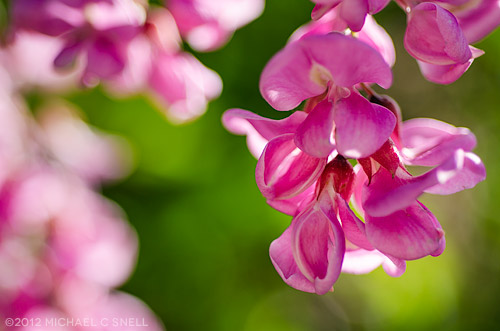
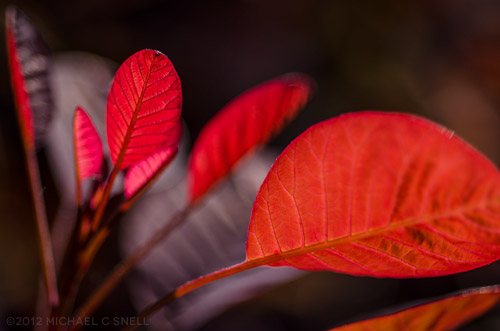
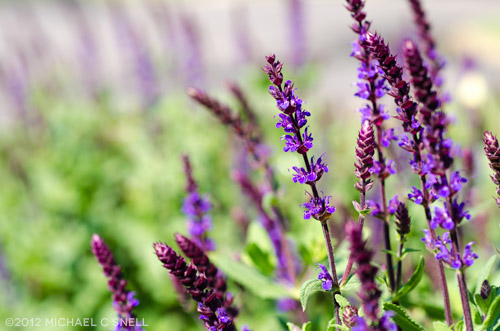
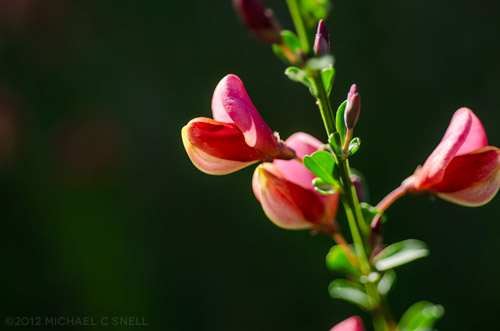
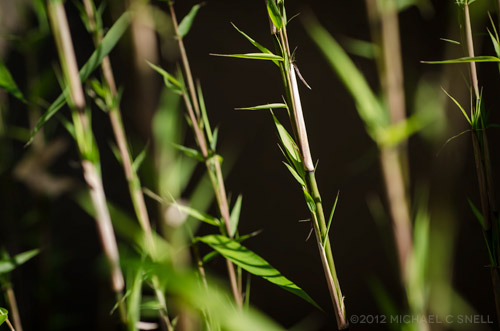
One advantage of being home this Spring is getting to see everything in bloom for once. Due to the early warm weather, the daffodils and tulips are long gone, but there is still plenty going on around the yard. Extra credit to anyone that can identify all the species…

Wind power, part 2

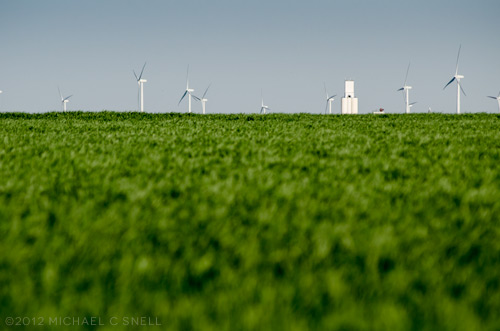
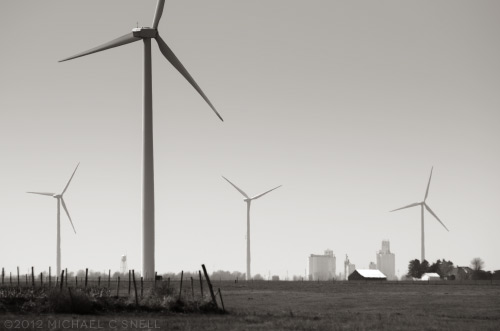
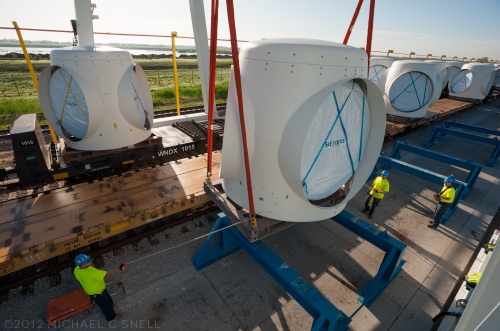
A couple weeks ago, I was out in western Kansas shooting wind farms for a State project promoting economic development and employment opportunities in rural areas. I got my start shooting out in this part of the world. Throughout high school and college I had jobs that had me prowling the backroads of this under-appreciated state and I came to know it in detail. I’ve roamed all 105 counties and it’s a rare dirt road that I haven’t been down at least once.

Over the past few years, my attention has largely been elsewhere. My photography began to take me farther afield and international travel has been a bigger priority. I never stopped shooting around my home state, but it has taken a bit of a back seat for a while. This year I decided to refocus on Kansas a bit and to freshen up those stock files. That decision led partly to my taking this ongoing assignment of documenting rural areas for the State. It has several aspects, but the common element is that it’s getting me back into the countryside and I’m having a blast rediscovering this place that I’ve known so well, but — in some ways — has changed so much over the past few years.

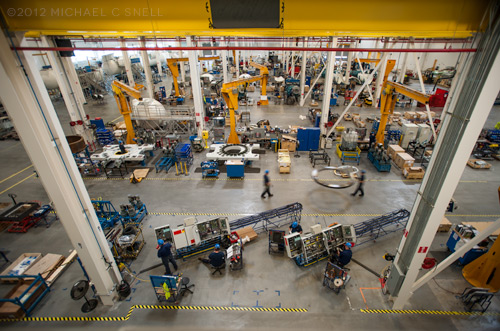
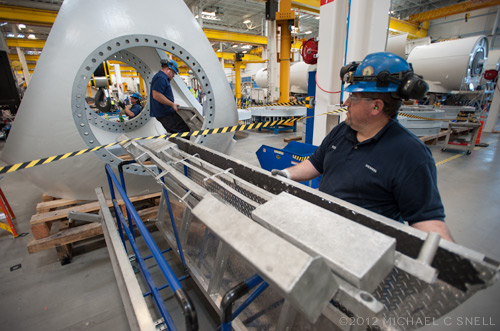
It was appropriate that this first segment would focus on wind farms, as they may represent the biggest visual change to the Kansas landscape in decades. Even crossing the state on I-70, you can’t help but be awed by a large and growing group of these behemoths in the Smoky Hills near Ellsworth. I shot one of the state’s first wind farms near Montezuma for Kansas! magazine years ago and in the time since, they’ve been sprouting up everywhere. On that first shoot, I only visited a finished wind farm but on this assignment, I would also visit factories, assembly areas and holding yards where the giant components are stored until needed.

What I saw on this assignment is that wind power is changing the Kansas landscape in more ways that you see by driving down the interstate. This is a new, booming industry. It’s not uncommon now to see turbine blades being shipped by rail or passing you on a flatbed trailer as you drive down the highway. In a lot of ways, Kansas hasn’t changed much since I was exploring it 10 and 20 years ago but it has not been standing still. Every time an assignment takes me out into the field, I’m discovering something new about this place.

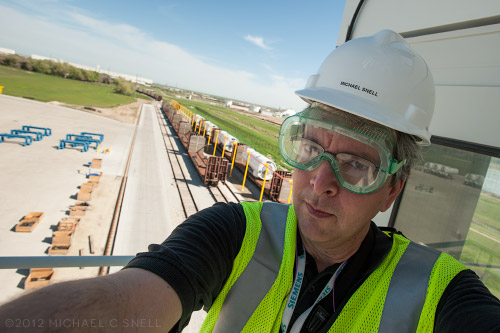
And I couldn’t resist a quick self portrait while shooting from atop the crane that’s used to load components on rail cars — complete with all my required safety gear:

Wind power

It seems like so much that I shoot lately can’t be posted to this blog right away because I need to wait until the images have appeared in the magazines that assigned me. I have lots of fun stuff to show — it will just have to wait. Some should be opening up soon, however, so hold tight.

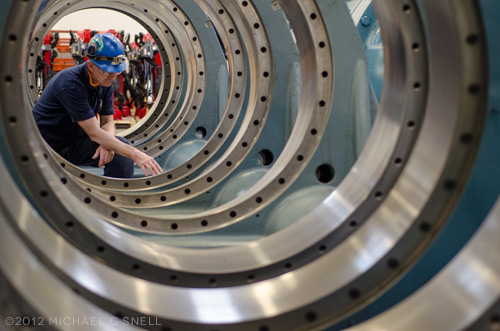
Last week was a fun assignment that wasn’t for a publication so I can talk a little about it. I spent three days shooting wind farms, turbine plants and holding yards for the Kansas Department of Commerce. These are the kinds of assignments that make me love my job. Being a photographer opens up worlds that you’d never know about otherwise. Seeing how these giant windmills are built, transported and erected was fascinating. The sheer size is hard to comprehend — even when seeing the finished turbine in a field. It’s when you walk around the various parts and components as they wait to be assembled that you realize just how massive they really are.

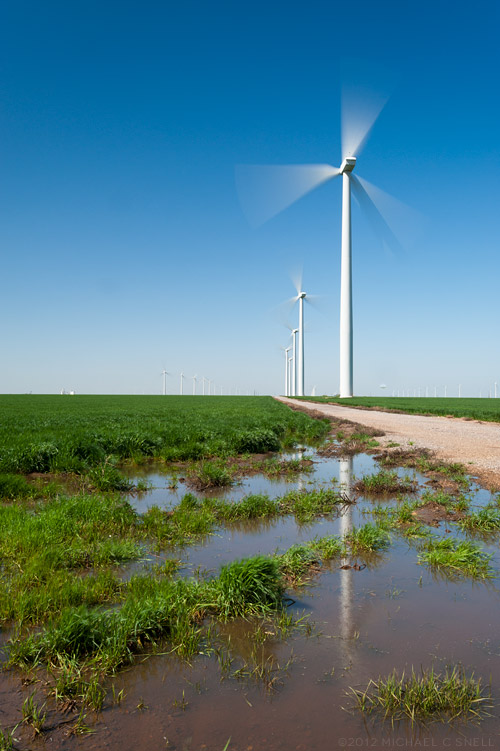
The shot above was taken at a new wind farm being built near Spearville, Kansas. The sky was deep enough blue that I thought I might be able to get a little blur on the blades by using my ND filter. At faster shutter speeds, the blades are crisp and you can’t tell whether they are turning or not. A little blur seemed important for showing the turbines in action and in speaking to the energy that they create. In the end, I stacked both my ND filter and my polarizer on my 17-35 in order to cut out enough light to lower the shutter speed down to 0.4 seconds. Just enough to do the trick.

I’ll have more from this shoot in the coming days.

Photoshop CS6 public beta

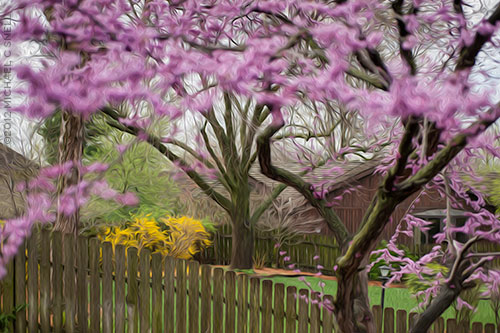
Just to further distract me (and yes, I’m sure that it is all about me), Adobe has released a public beta version of the new Photoshop CS6. How could I not download it and how could I not wasted endless hours checking it out? Happily I had some real work that I could use it for… which I did… and then I started playing around with the fun stuff. Lo and behold, who knew there was a new Oil Paint filter? I had to give that a go and the result is what you see above — a stylized and slightly Tim Burton-esque view of the redbud tree blooming in my backyard. It’s probably a little hard to make out all of the paint effects at this size but, trust me, there’s some cool stuff going on in there. This warrants further investigation.

So far I’m less impressed with the new Content-Aware Move Tool, but I also found an additional set of controls for it that may make me change my mind. Chalk today up to one, big productivity loss… I mean… professional development opportunity.

Year in Review: 2011

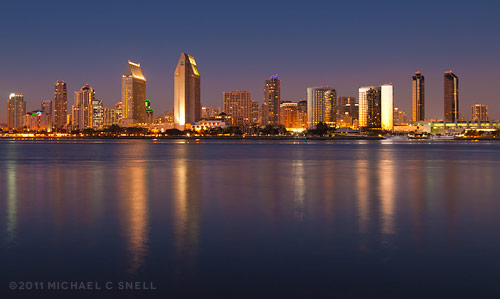
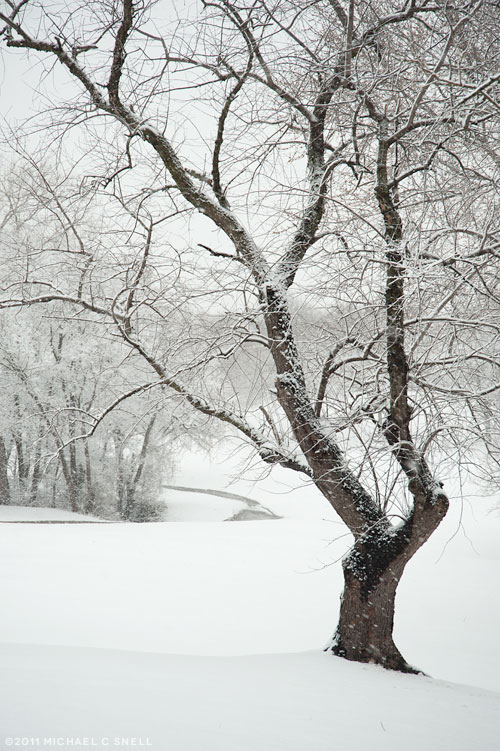
Travel started earlier than usual for me in 2011 with a short trip to San Diego in January. The warm weather was welcome as we were having one of our snowiest years on record back home:

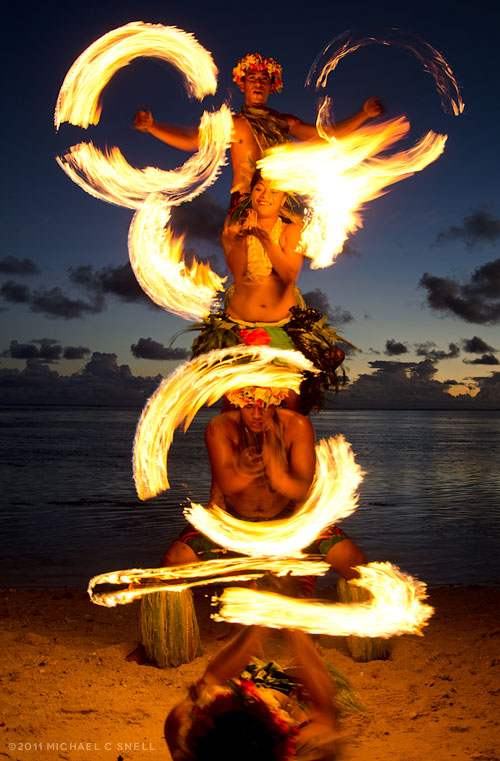
In early April, I escaped the cold once more for a couple of weeks in Fiji. I was there for a Society of American Travel Writers Freelance Council meeting. It was my last year as Chair of the Freelance Council and Fiji would be the last Council meeting under my term. It was a great meeting and a wonderful destination. One of my favorite memories was an evening on the beach with a bunch of fire dancers. There’s not much that’s more fun to shoot than people spinning burning torches on a beach at sunset. If you haven’t tried it, take my word for it.

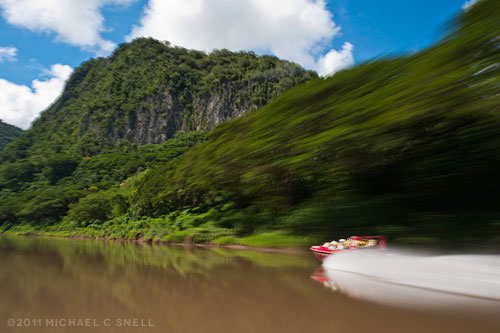
It was very warm in Fiji — even without the fire. A jet boat trip up the Sigatoka River was the only time I remember actually feeling chilly:

If those cliffs look familiar, I was told that some of the scenery for Avatar was shot in that area.

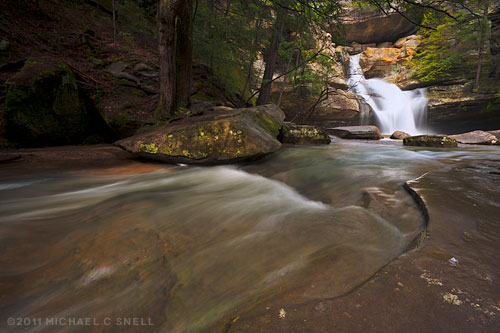
I wasn’t back in the states for more than a week before driving to Ohio for a couple of stories. I made sure to schedule in another trip to Hocking Hills to try and get some waterfall shots. The last time I’d tried, it was an unusually dry season and it was like the tap had been turned off. Much better results this year.

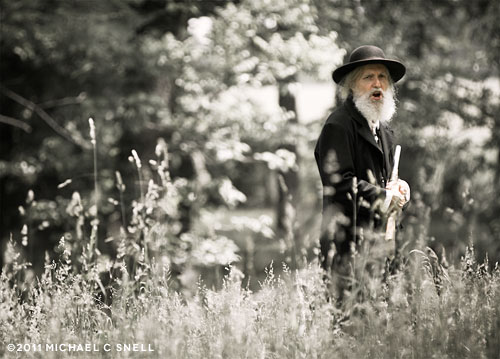
Back home in June, I managed to photograph a few Kansas events that had eluded me for years. One was the Symphony in the Flint Hills (which is just as amazing as it sounds — an orchestra playing out in the middle of acres and acres of tallgrass prairie and rolling hills) and the reenactment of the Battle of Black Jack. Here’s a shot of “John Brown” from that day:

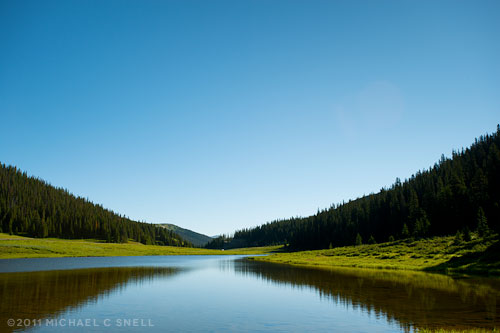
A trip to Colorado and over the Continental Divide followed. Here’s a lake that sits nearly on the Divide at Milner’s Pass, elevation 10,759 feet:

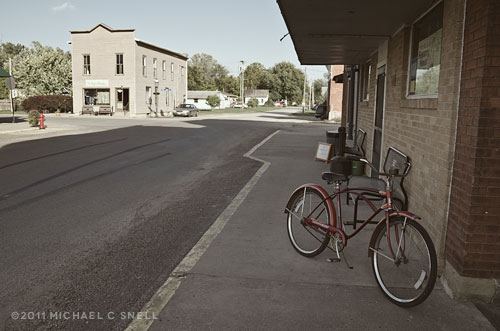
Quite a few regional shoots followed which I’ll share later after the stories have run. In September, we were on the road again making a big loop through southeastern Iowa:

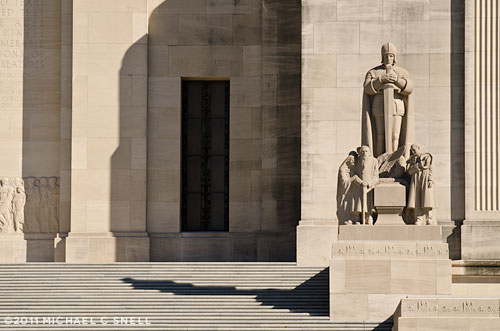
and down the Mississippi to Baton Rouge, Louisiana. Here’s a shot of the Louisiana State Capitol:

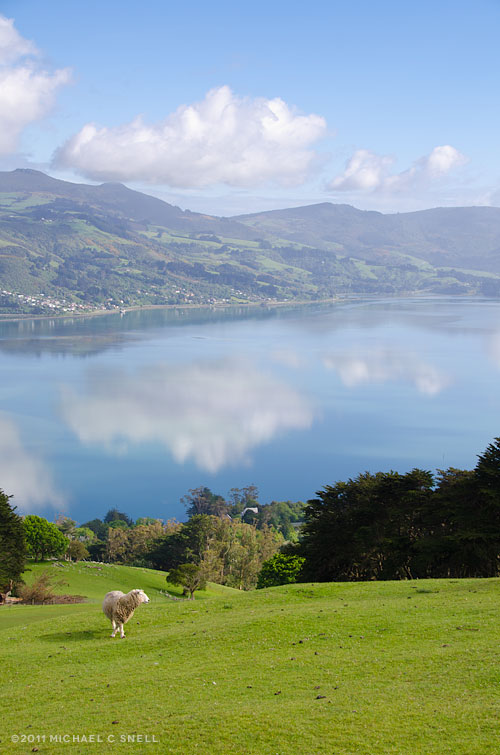
Rounding out the year in November was one more trip over the Pacific, across the equator and the International Dateline to New Zealand. This was SATW’s Annual Convention and I officially ended my term as Chair of the Freelance Council and became the much less encumbered Immediate Past Chair. I truly enjoyed my two years in office and serving on the Society’s Board of Directors but it will also be good to step away for a bit and re-focus on my photography business. The New Zealand Convention was great and I especially loved the four days I spent afterward exploring the Southland from Dunedin down to Stewart Island. Here’s one from the Otago Peninsula near Dunedin:

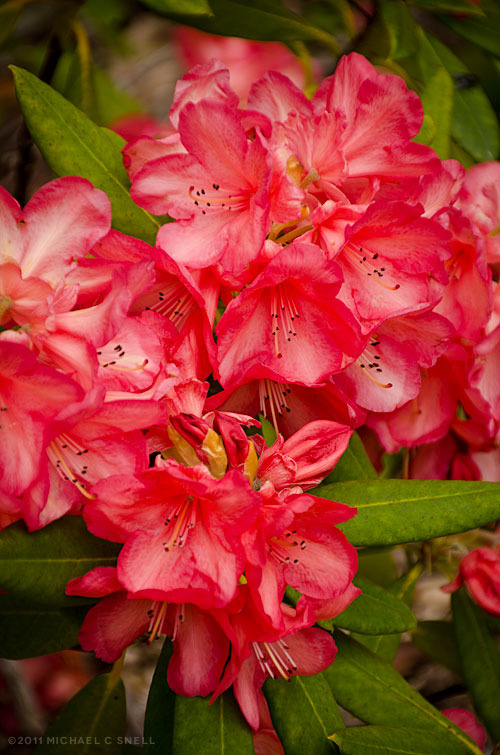
And I’ll leave you with flowers that were blooming in Queens Park in Invercargill, NZ. It’s not bad to end a year with a second season of Spring: