Category Archives: China

Day One in Chengdu, Continued…

150913chengdu03_sotc

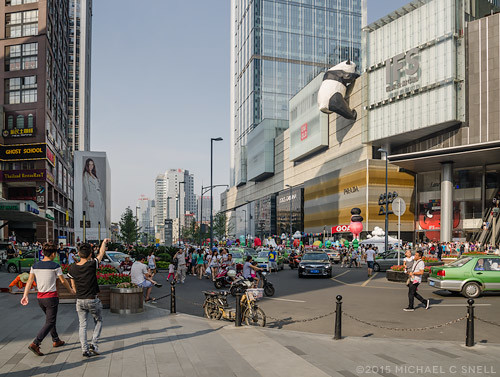
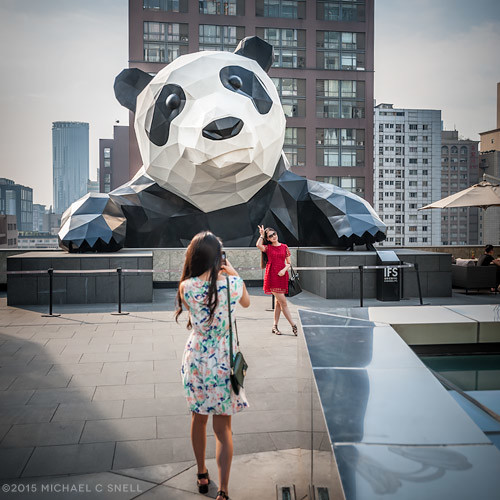
Continuing the report on my first afternoon in Chengdu, China: after visiting the Jinli Ancient Street, it was time to see the modern side of the city. Chunxi Road offers an entirely different shopping experience with high-end brands and the most giant of all giant pandas, scaling one of the buildings:

150913chengdu01_sotc

Step into the shopping mall and ride a few escalators up to… maybe the fourth floor (?)… and you find yourself face-to-face with the panda:

150913chengdu02_sotc

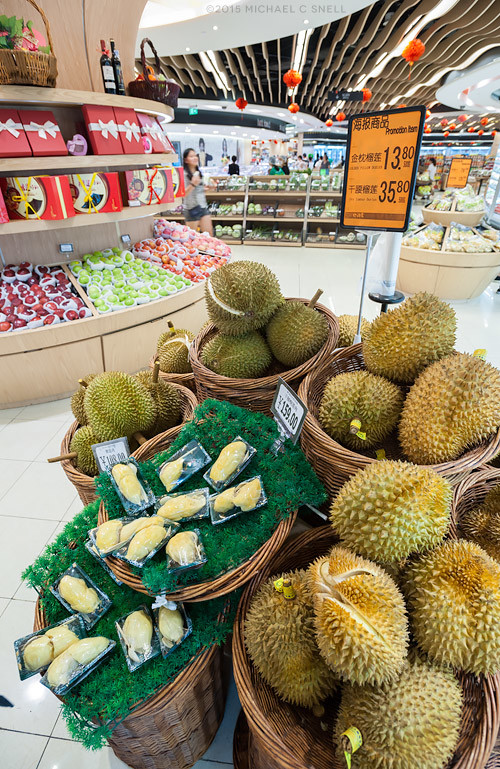
Obviously a popular photo opp. Heading back down through the shopping center, I couldn’t help but check out the grocery store. Always one of my favorite things to see in any country, this one was extremely posh — but not so posh as to be too good to put everyone’s favorite stinky fruit, durian, on display front and center:

150913chengdu04_sotc

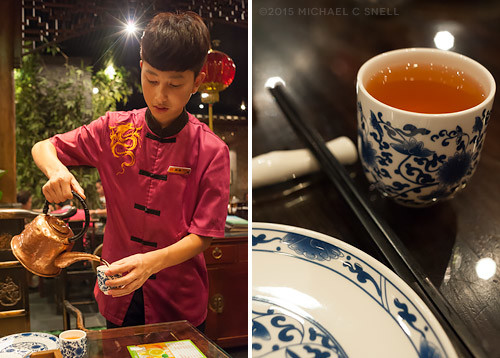
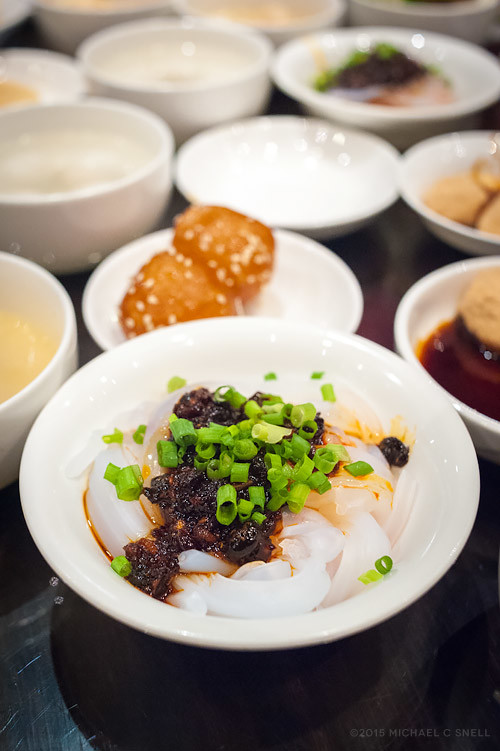
Hungry now, we were off for a “snack” at a local tea house. The “snack” was eventually deemed enough to suffice as dinner and it was time to head back to the hotel to prepare for the actual tourism festival events, which would start with a long bus ride first thing in the morning.

150913chengdu05_sotc

150913chengdu06_sotc

China’s Sichuan Province

150913wuhou_sotc

Last month I was invited to attend the 2015 Sichuan International Cultural Tourism Festival held in Yibin, China. It was my second time in China, but my first in the province of Sichuan. With just enough time to send my passport off for a new 10-year visa, the next thing I knew I was packing up and heading off to explore a region I knew mostly the by the Americanized version of its cuisine.

I arrived on August 22nd after what I believe must have been very nearly 24 hours in the air, separated into three flights: KC to LA, LA to Beijing, and Beijing to Chengdu. It was about noon when I arrived at my hotel and, after a quick 20 minutes to shower and break out a little camera gear, I was back on the streets of Chengdu to do a little exploring.

150913wuhou03_sotc

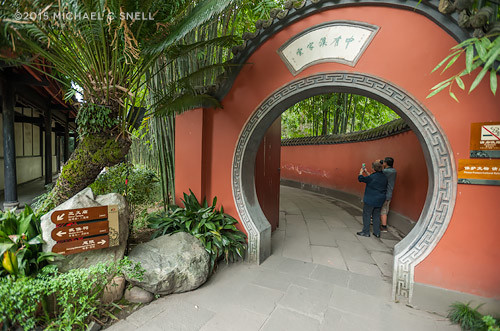
The first stop was Wuhou Temple, the Memorial Temple of Marquis Wu (220 – 280).

150913wuhou02_sotc

150913wuhou04_sotc

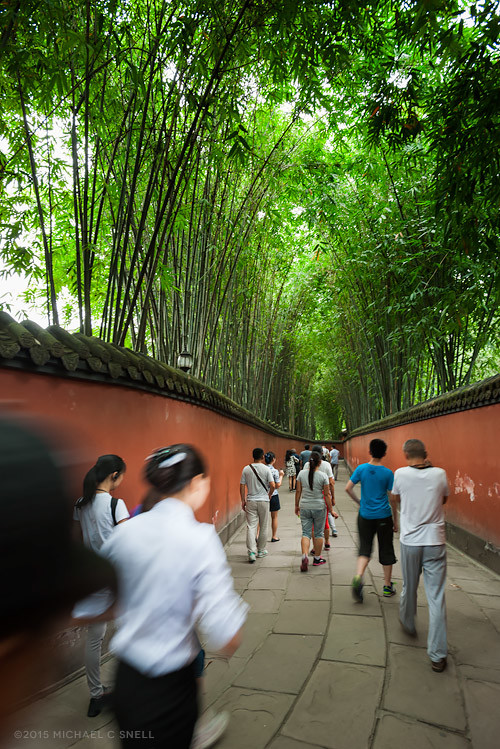
In addition to cultural relics and historical artifacts, the temple complex includes beautiful gardens and a winding avenue through tall stands of bamboo.

150913wuhou05_sotc

150913wuhou06_sotc

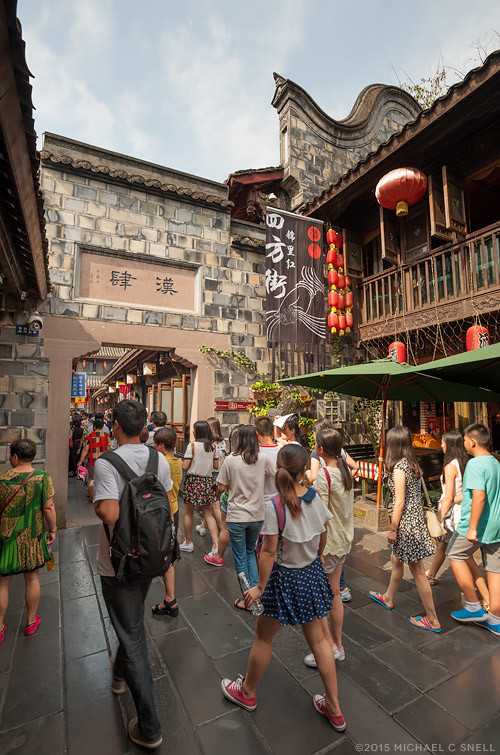
Adjacent to the temple is Jinli Ancient Street, lined with shops, tea houses, restaurants and street food vendors:

150913wuhou09_sotc

150913wuhou08_sotc

150913wuhou07_sotc

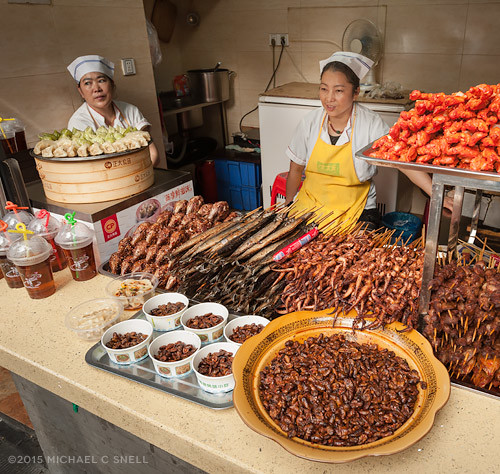
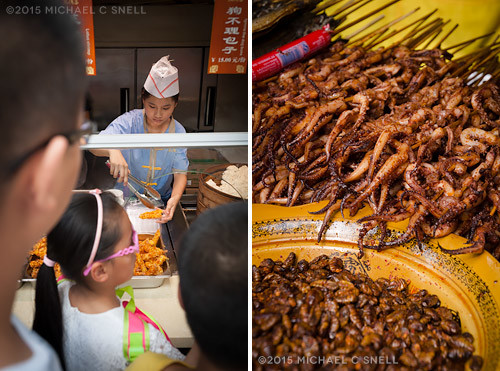
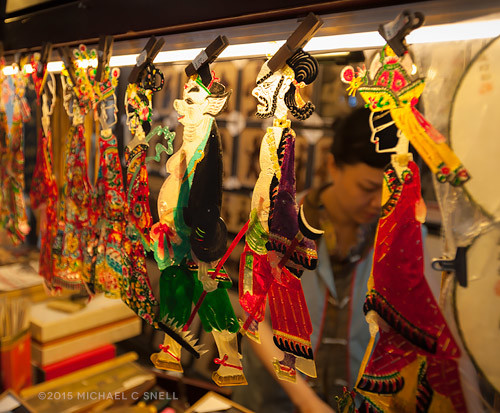
Like a Chinese version of a State Fair, every food imaginable that could be put on a stick was being sold to lines of smiling visitors. Shops sold all kinds of local crafts and souvenirs including one stand specializing in shadow puppets:

150913wuhou10_sotc

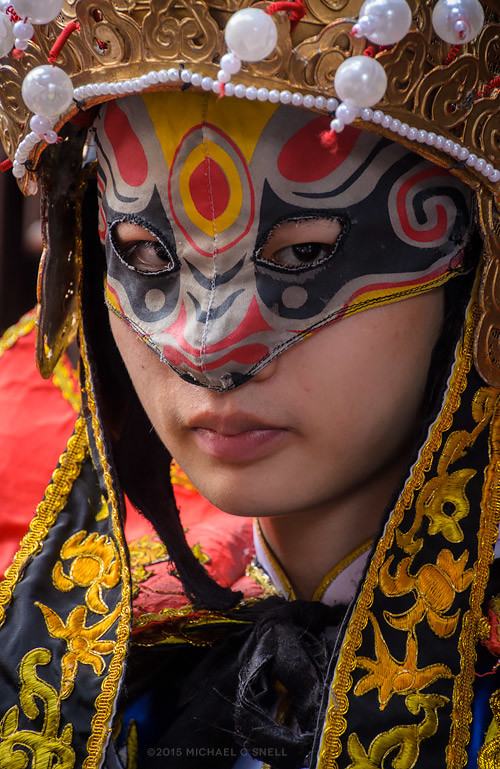
This boy was demonstrating plastic toys that mimicked the famous mask-changing characters of Sichuan opera:

150913wuhou11_sotc

An eye-opening introduction to Chengdu and Sichuan Province, my first afternoon was just getting started. Next I’d check out some of the more modern architecture and high-end shopping options. Then an afternoon “snack” that turned out to be enough to count as dinner at a local tea house. All that, and more, in the posts to follow…

New book: China

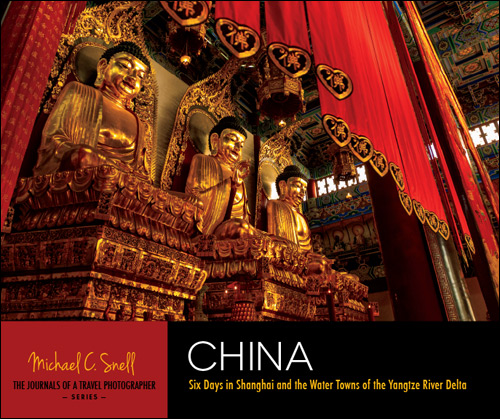
book_china_cover

I’m very happy to announce that my new book, “China: Six Days in Shanghai and the Water Towns of the Yangtze River Delta,” is now available through my Blurb.com bookstore.
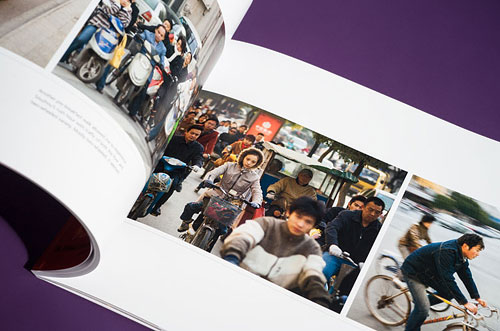
book_china_int01

This is the first book in a series I’m calling “The Journals of a Travel Photographer.” There are several more planned in this series and a few of them are already well into production, so they should be joining this one in the bookstore soon. Each title in the series will document a particular photo gathering trip that I’ve taken and this first book covers a 6-day press tour to China that I joined in 2008. The photos appear more-or-less chronologically as they were taken throughout the trip. The images do not provide a complete, in-depth study of the region but, rather, document that particular trip and the things I experienced during that week. As the books will illustrate, there wasn’t always time to wait for the perfect weather or perfect light on most of these trips, but many magical moments still managed to occur and — hopefully — I captured a few of them.
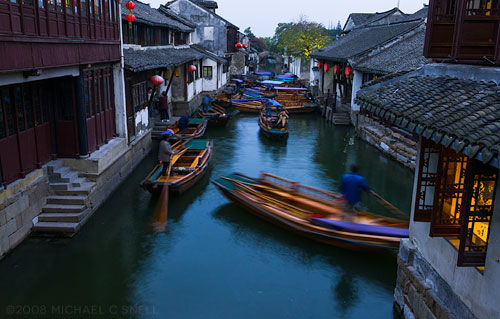
book_china_02_sotc

This self-published series is something I’ve wanted to do for a long time. The books will allow me to share images that otherwise may not ever appear in print. They will also allow me to show a broader collection of images from one destination than would typically be possible in a short magazine story or an individual stock placement. Having been on the design side of magazine and book production in the past, I understand that photo editors have their reasons for choosing to use one image over another for their specific purpose. The shot that I like most, might not be the shot that tells the story they need told, or that fits their particular layout. Here, I get to choose the images that are used and I get to tell my own story.

I’m using quite a few images, too. There are over 100 photos in this first 80-page book, and yet several of them are full page or even larger. Text is fairly minimal with a brief introduction about the trip and captions that tell about the location and perhaps a bit about how the photo came about.
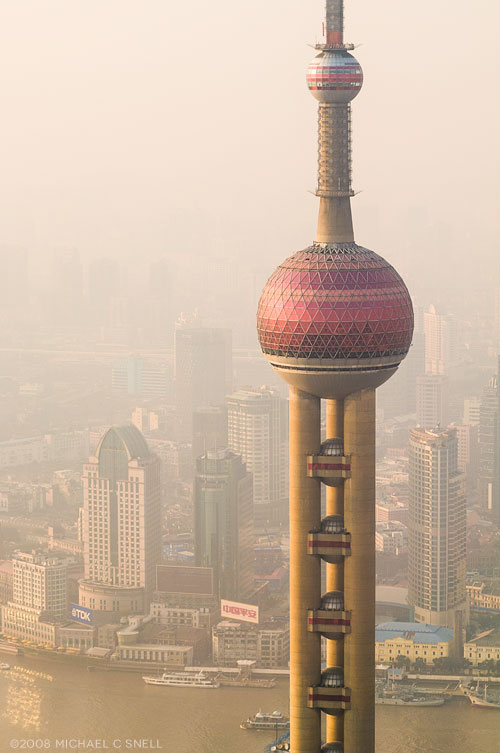
book_china_04_sotc

I also see this series of books as being a way for me to say “thank you” to all of the people that have helped give me the opportunity to travel to these amazing places. Some of the trips covered in these books were press trips and I’ve not always had a way of sharing the images I made with the people who hosted me. If I get a clip or two from a stock image placement or a story that I’ve supplied photos for, I send them along, but I often never receive samples of my images in print. These books will give me a way to share more of my images with those people who helped make them possible.

The books in this series will be available in both softcover and hardcover editions, with slightly better paper used in the hardcover editions as well.

Here are a few sample spreads from the China book. You can find more information on my website or you can “flip through” a partial preview over on the Blurb site.
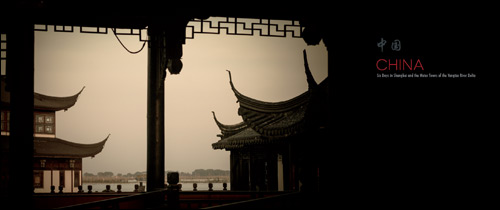
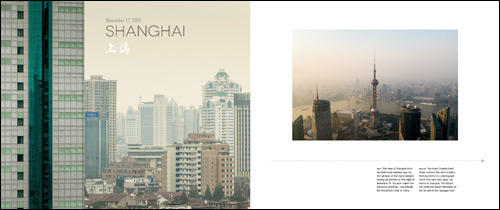
book_china_sp01

book_china_sp02

book_china_sp03

book_china_sp04

book_china_sp05

As I mentioned earlier in this post, this is just book one in a series. Stay tuned for additional titles, coming soon. And thanks for your interest!
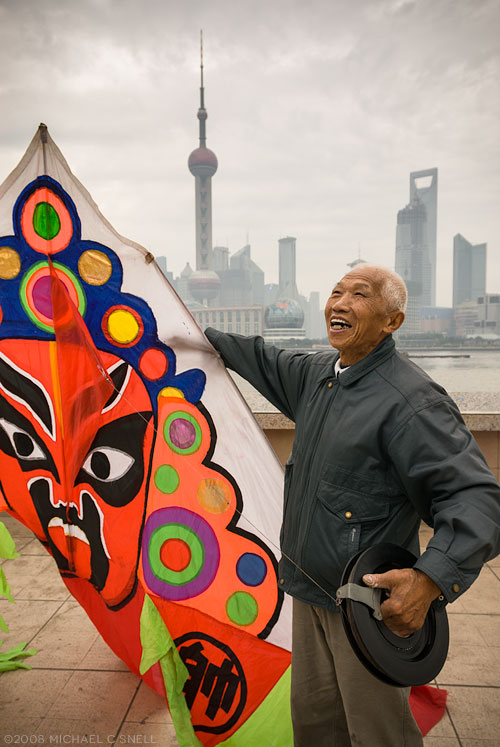
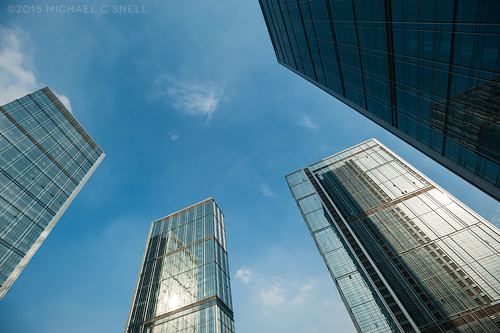
book_china_01_sotc

So long, old friends

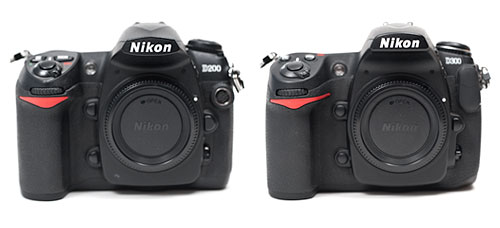
I’m saying goodbye to two fine traveling companions — my Nikon D200 and D300. They’ve served me well and we’ve had a great many adventures together.


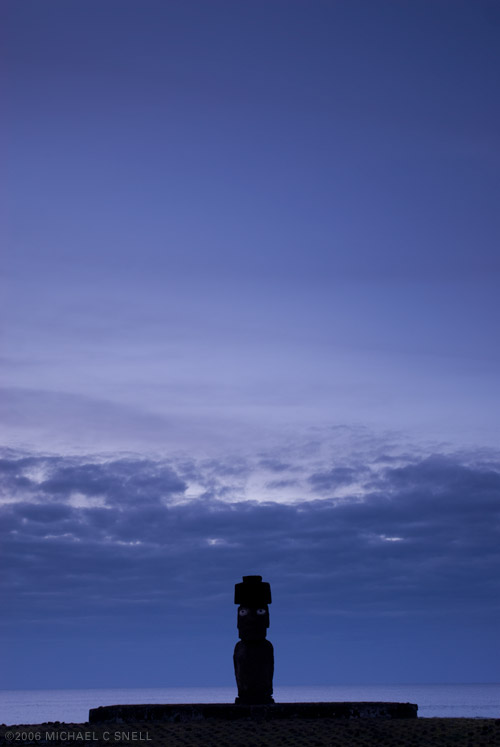
Easter Island, shot with the Nikon D200 in 2006.

I picked up the D200 in 2006 just prior to a trip to Chile and Easter Island. What a way to start. It was almost literally like going to the ends of the earth. The D200 was my main body for a couple of years and never gave me a bit of trouble. In 2008, I borrowed my brother’s D300 for a back-up body when a trip to China suddenly came up. Upon returning home, I bought it from him.


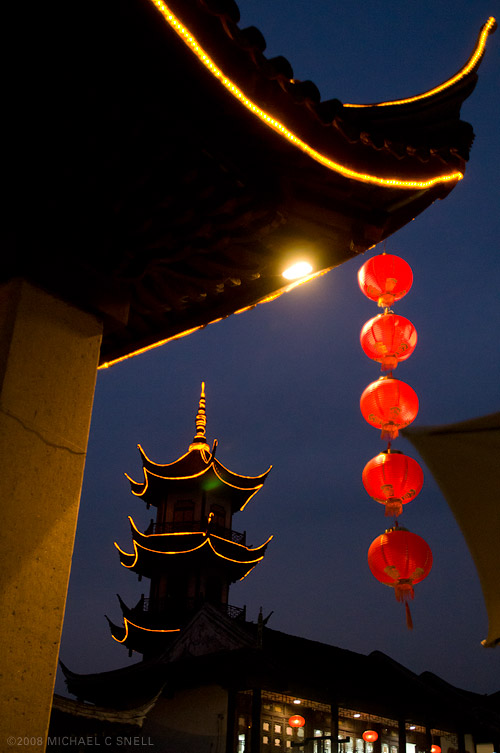
A low-light shot from China, taken with the Nikon D300 in 2008.

The two traveled well together but the D200 was semi-retired in early 2009 when I added a D700 to once again have a full-frame body. I like to carry two bodies both for back-up purposes and to have two lens options quickly available at all times, but carrying three is too much for me. Still, I hung onto the D200, thinking that I might convert it to infrared. It was tempting but I never got around to it — partly because I didn’t know how much use I’d get out of it and I didn’t want to have the extra weight in the bag at all times. If it’s not with you, you won’t use it, right? So… it never happened.

The D300 and D700 have accompanied me to Egypt, Canada, Dubai, Thailand, Jamaica, Germany and other exotic and not-so-exotic places but the time has come to make a change in the lineup again. I’ve been feeling the need to add more video capabilities and the new DSLRs that shoot video would allow me to do that without carrying much extra gear. So, I’ve ordered a Nikon D7000 to become the new traveling companion for my D700. I’ll fill you in more when it arrives.

Decade in review: 2008

100123ice_sotc

Continuing my review of the the past decade…

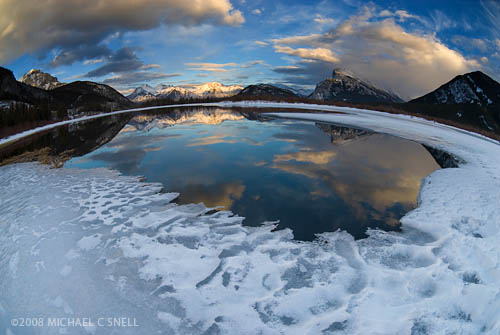
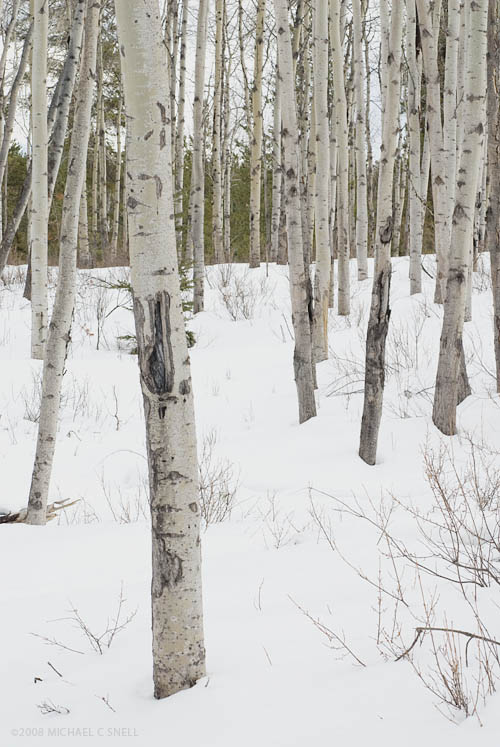
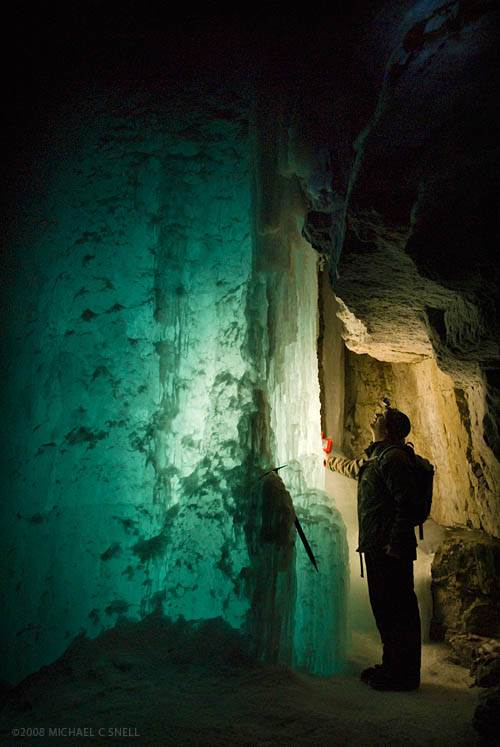
More adventures in Canada in early 2008. This time it was a winter trip to Banff and Jasper in the Canadian Rockies. I had visited this area briefly in 2000 on my way to Vancouver. It had been in the spring of that year and a completely different experience. This is grand country but I think it shows itself best in the winter. Still, I’d like to go back in the summer to see the green waters of Lake Louise.

100123birch_sotc

Snowshoeing, cross-country skiing, hiking on frozen lakes — I added a whole repertoire of ways I’ve traveled to get a shot. Perhaps my favorite part of this trip was a moonlit hike up the Maligne Canyon. You strap some steel spikes onto the soles of your boots and start walking up a frozen river at night while the canyon walls climb around you and stars shine in the narrow streak of sky above. At frozen waterfalls, your guide can shine his powerful flashlight behind the ice to illuminate the intense blue and green colors. Slippery, cold and dark… but a great experience.

100123icefall_sotc

2008 was another extremely busy year in terms of domestic travel. Michigan, Kentucky, Arkansas, Colorado, New Mexico and more. All while buying a new house and moving. It was a crazy year. I remember spending election night in a cabin in the woods in Arkansas and going down the mountain to check email at the nearest wifi hotspot. I had received a last-minute invitation to go to China in less than two weeks. I needed to send my passport in for my visa and luckily I had it with me. The next day was filled with driving back and forth across Arkansas visiting various Post Offices in different towns trying to find where I could get additional passport photos taken and get my package over-nighted to Chicago. No one Post Office seemed to be able to do both of these things but by splitting the chore between two (I believe in Harrison and Fayetteville), it got done. Ten days later, I was in Shanghai.

100123dance_sotc

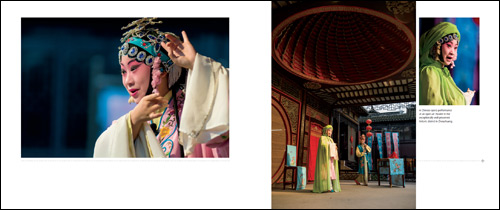
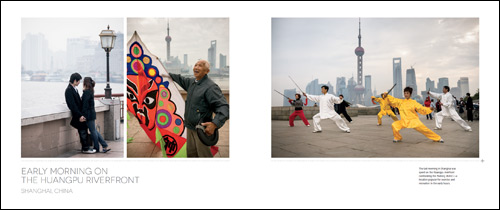
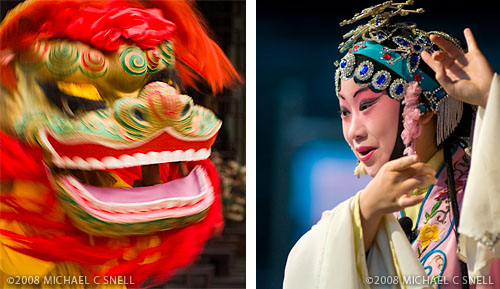
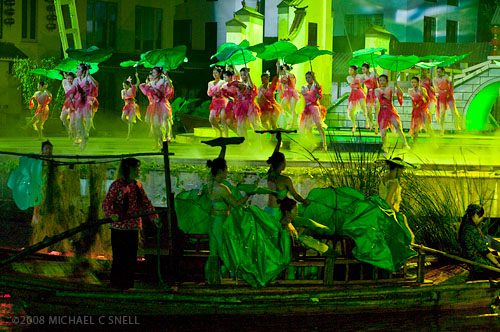
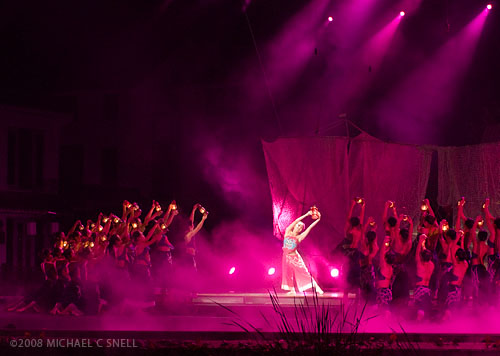
I’ve posted about the China trip on this blog before — you can enter “China” into the search box at top-right to find more. The trip started in Shanghai and then went up the Yangtze to several water towns with historic districts built on canals. The colors were phenomenal.

100123green_sotc
100123pink_sotc

Those last two shots were from an open-air performance in Zhouzhuang. It was spectacular.

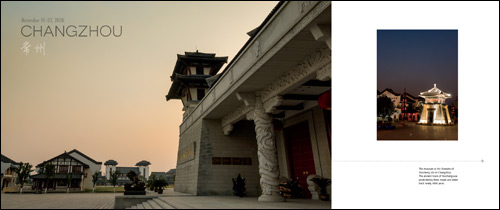
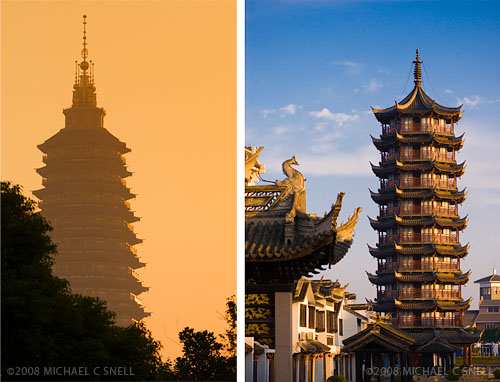
The architecture was also fun to shoot. Pagodas were everywhere, including the world’s tallest in Changzhou that had opened just a year before. Over 500 feet tall, it appears through the glow of the morning sun in this shot on the left:

100123pagoda_sotc

The pagoda on the right is from Zhouzhuang. I hope to return to China again soon. It’s a big country and there are so many more things I want to see. But that’s the way it is with the whole world, isn’t it? So many things to see, so little time. I’ll continue to do my best to see and photograph as much of it as possible, for as long as possible.

Trash

091228trash_sotc

The Blizzard of 2009 pretty much shut things down around here and we were basically house-bound for four days. The good side is that I made an incredible amount of progress on my image files – a DVD full of Mexico sent off to one stock agency, almost 900 shots of Egypt uploaded to Alamy (that alone took most of three days) and another 650 or so images of China prepped for submission.

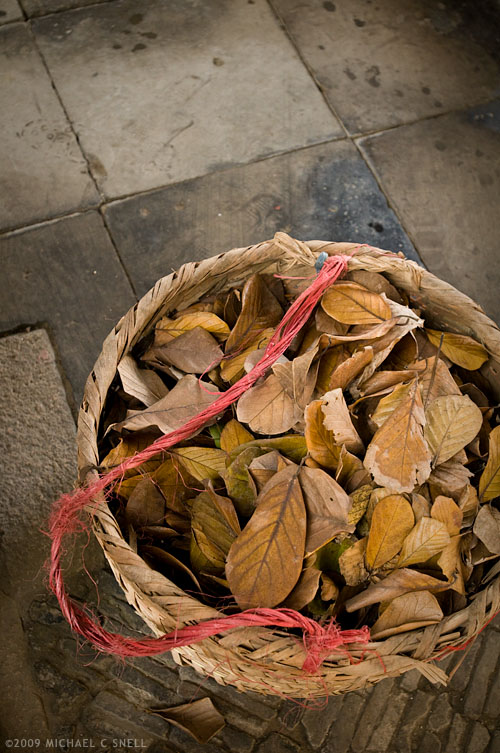
While processing the China shots, I ran across this one that I’ve intended to blog about for awhile now. It’s a basket of trash that had just been swept up at the Master of Nets Garden in Suzhou. What strikes me about this is that I was compelled to photograph someone’s trash. Had I shot this in the US, you’d most likely be looking at a bulging plastic bag sitting on some cracked concrete. But there’s something beautiful about this trash. Sure, it’s just leaves and not discarded paper and junk, but it’s also being kept in an honest basket with a useful but colorful handle. The pavement is rough and stained but it’s real materials and carefully laid. I don’t know. It just says something to me. Makes me wish for less plastic and paper in the world and that all of our trash could be this beautiful.

Tent Rocks National Monument

Tent Rocks

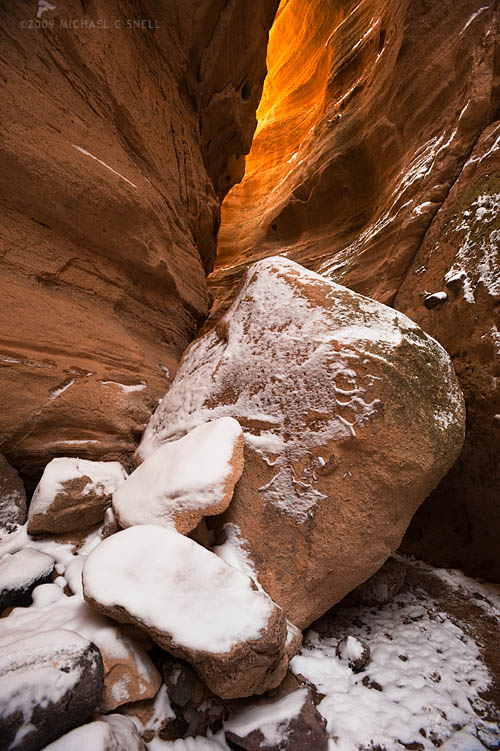
Now that I have some time back in the office, I’m hitting the files hard — trying to get caught up on post-processing. I’m not too far behind but it can get out of hand quickly. The last couple of days I’ve been working on images from my trip to New Mexico earlier this year. The one above was taken during a hike at Kasha-Katuwe Tent Rocks National Monument. I’m using Lightroom for my initial post-processing work now — moving to Photoshop for more detailed work. Even though I know the tools in Lightroom and ACR are pretty much identical, I find that there is a luminous quality to the images I get out of Lightroom. Maybe it’s just psychological due to the darker interface in LR but I like it. This image displays that characteristic in the bounced light coming through the slot canyon at the top.

Dynamic range

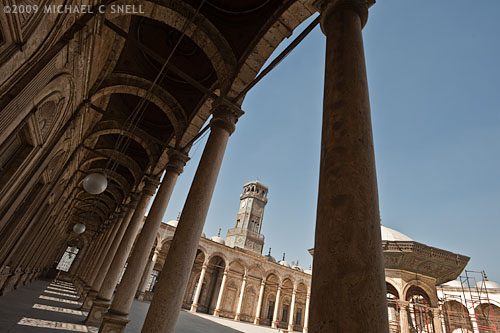
Mosque of Mohamed Ali in Cairo, Egypt

Back in the days of film, I shot only transparency — and in the latter days, primarily Fuji Velvia which was very contrasty and had rich, almost unnaturally saturated color. Transparency film was unforgiving and had very little dynamic range, meaning that it could only record a small portion of the range of lights and darks that you could see with your eyes. While digital still is far from being able to record an image with as wide a contrast range as the eye, it’s closing the gap. As I’m processing my photos from Egypt, I’m seeing that my new Nikon D700 has closed the gap even more.

I would have been hard pressed to get the shot above back in my film days. The sun was blazing and the contrast between the brightly lit stone in the courtyard of the Mosque of Mohamed Ali in Cairo’s Saladin Citadel and the shadows in the upper reaches of the surrounding arcade was huge. Still, with some minor tweaking in Adobe Lightroom 2, there is detail in every nook and cranny (reducing the image for the web has crunched the contrast a bit again but, trust me, the full size image has a ton of detail).

The camera doesn’t make a great photo, the photographer does. But a good camera can enable a photographer to capture scenes that would otherwise have been nearly impossible. I consider it a partnership. Technology is a tool like any other and I’m happy to make use of it.

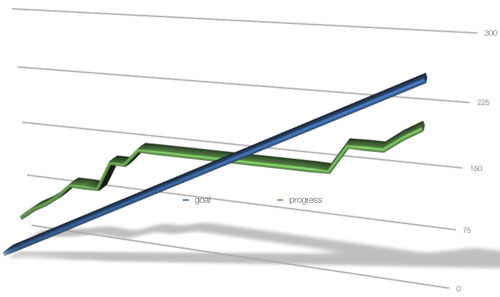
update: I lost momentum on my Alamy goals while in Egypt. You can see by the chart below — the steady line is my goal of 10 images keyworded per day, the green line is my actual progress. I was ahead of schedule before Egypt but the flat section shows my lack of progress while I was out of the country. Time to make up for lost time now.
progress chart

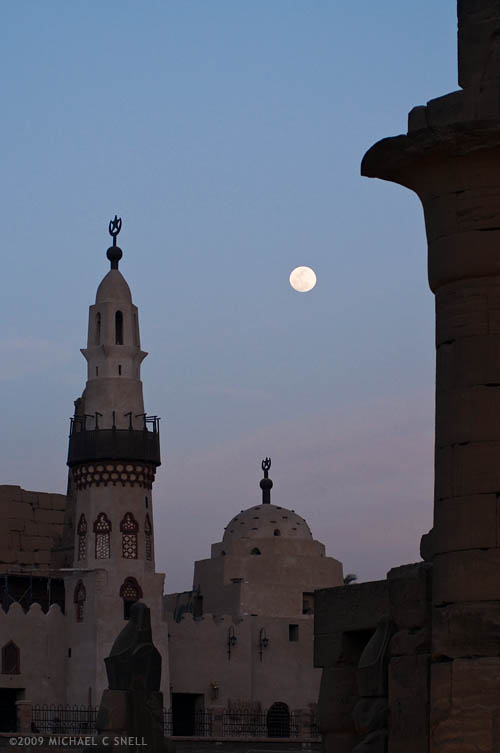
Moon over Luxor

Moon over Luxor, Egypt

It’s day three of my three-day trip home from Egypt. The day before yesterday I flew from Luxor, Egypt to Cairo where I overnighted before continuing on to New York and then Chicago where I stayed last night. One more leg to Kansas City this afternoon and then I’ll be home.

Lots more stories and photos to share. I’ll be fast-tracking these images for my stock agencies so expect to see more as I move through the files. I plan on using Lightroom this time rather than my usual Bridge/ACR workflow so I’ll share any observations I have regarding that as well.

It’s good to be (almost) home.

Adobe Lightroom 2.0 beta

Lightroom Learning Center

Adobe Labs has posted a beta version of Lightroom 2.0 for download. Some good resources are available on NAPP’s Adobe Photoshop Lightroom 2.0 Learning Center.

Lightroom Adventure 2008More related links are available on John Nack’s blog. One that I find particularly interesting as a travel photographer is this link to Adobe Photoshop Lightroom Adventure 2008, Destination: Tasmania. “A dozen top photographers overcome the challenges of nature and technology on the assignment of a lifetime…”

In April, 2008, a group of internationally renowned photographers will travel to the end of the world, literally, to the remote island of Tasmania. Their mission is to road test specialized digital photography software designed by Adobe while capturing images from one of the world’s most mysterious and varied geographic locations.
Using Adobe Photoshop Lightroom, photographers will upload, sort, keyword, adjust, and output their Raw images while still working in the field.

Topeka 2000 logoSounds right up my alley although I’m a little peaved that they are using a logo that’s very similar to one I designed in 1999 for a local redevelopment campaign (left). Oh well, they can make it up to me by offering me an all-expense-paid-plus-full-dayrate position on the next Lightroom Adventure. Seems only fair.