Category Archives: museum

Roman ruins, Merida, Spain

140109merida01_sotc

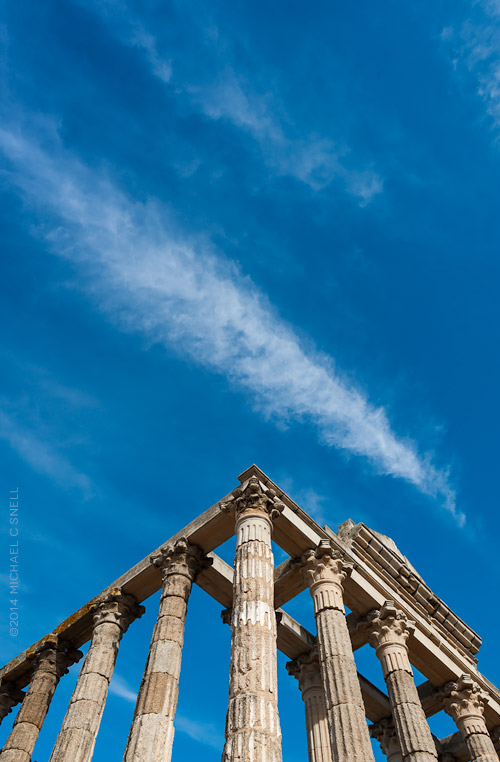
The Temple of Diana, just one of the many Roman ruins scattered about Merida, Spain. Founded in 25 BC as “Emerita Augusta,” this is an old city with layers and layers of history. Here are just a few examples, all in easy walking distance of the city center.

140109merida07_sotc

The Arcade of the Forum.

140109merida02_sotc

140109merida03_sotc

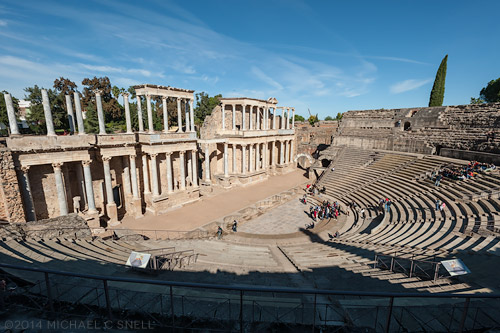
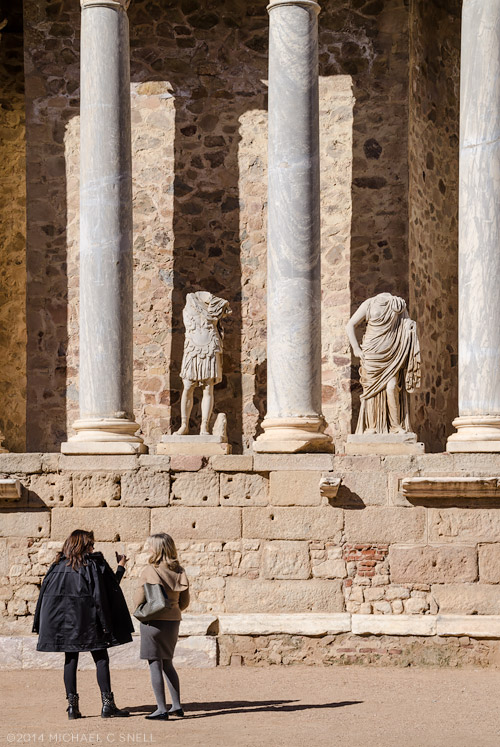
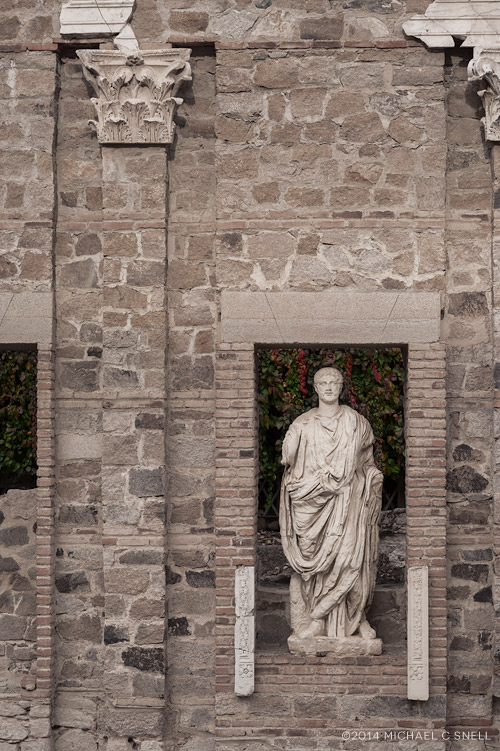
The Roman Theater in Merida. I liked the contrast of the human and marble figures in the second shot.

140109merida04_sotc

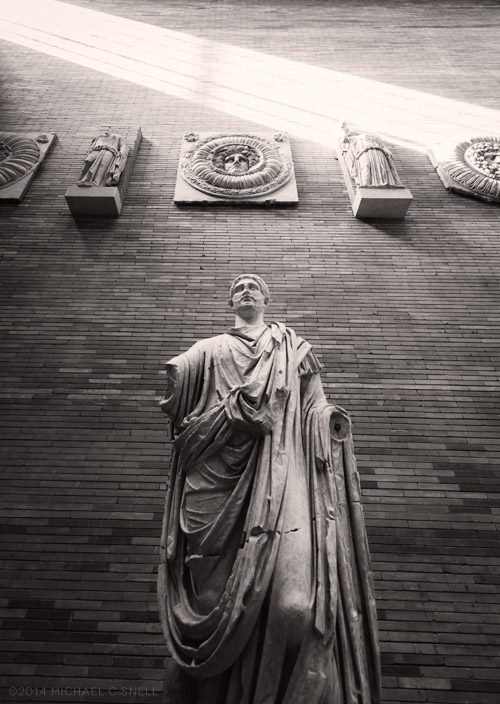
Statuary inside the Museum of Roman Art, just across from the Roman Theater. The architecture of the museum is nearly as interesting as the building’s contents.

140109merida05_sotc

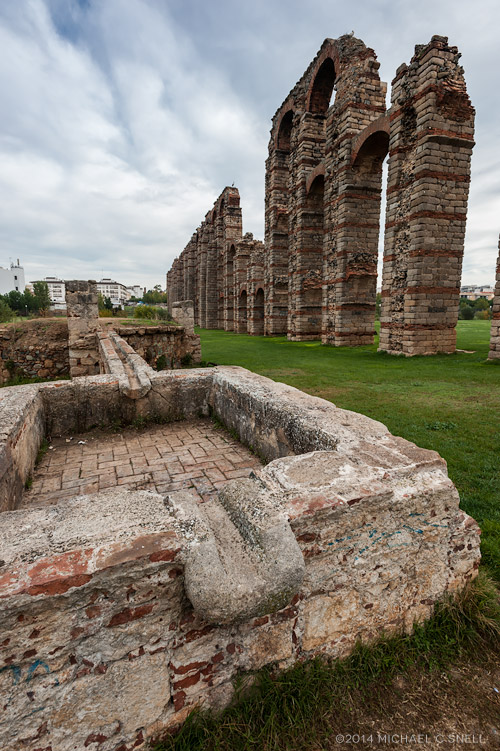
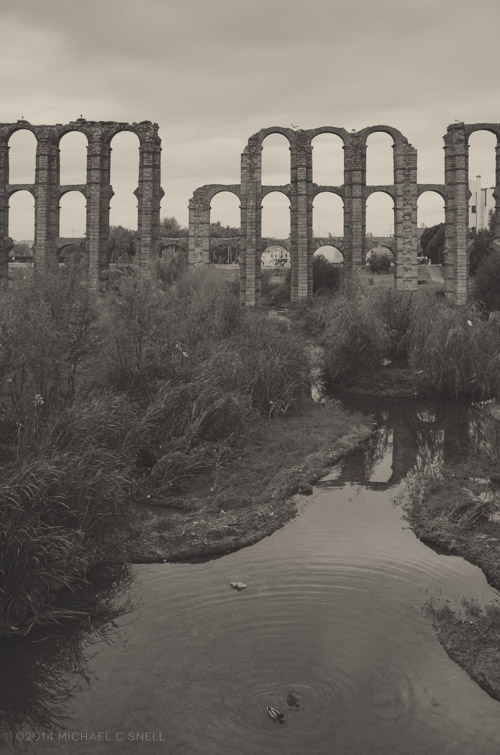
And, finally, two shots of the Miraculous Aqueduct — one of three in Merida. The quantity and scale of the ruins in Merida are stunning. There is plenty else to see in the city (I’ll share more images in my next post), but the Roman sites are easily reason enough for a visit. Learn more here.

140109merida06_sotc

Royal Monastery of Santa Maria de Guadalupe

131226guad14_sotc

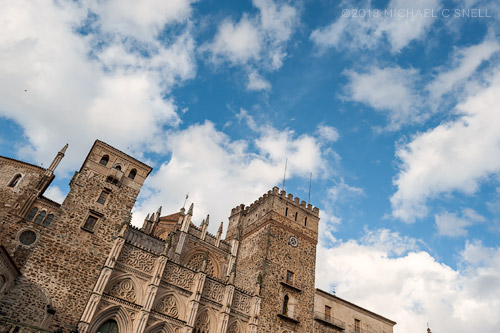
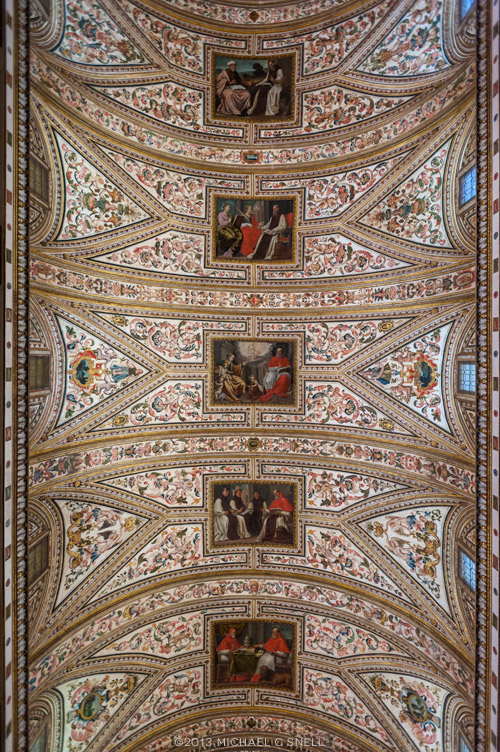
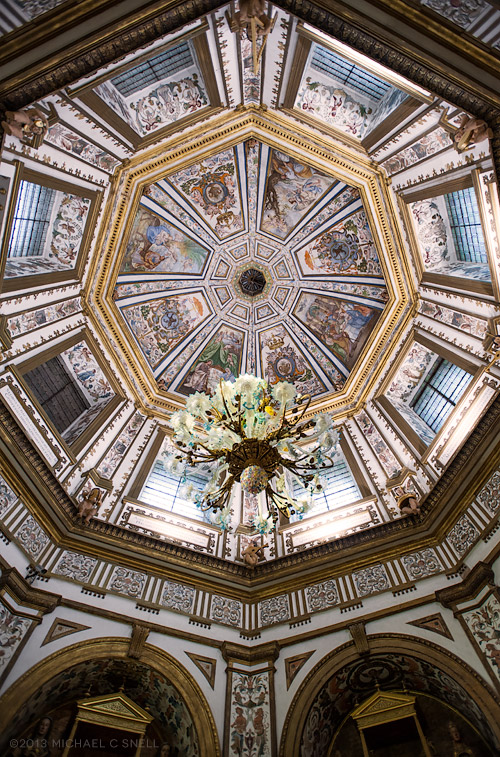
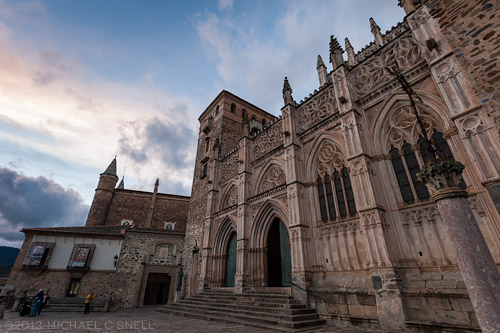
As we continued our circuit through the Extremadura region of Spain, our next stop was Guadalupe. The centerpiece of this town is the Royal Monastery of Santa Maria de Guadalupe, originating in the 13th century and associated with Columbus’ first voyage to the New World in the late 15th century. The monastery’s architecture evolved over that time and on into the 17th and 18th centuries. From the exterior (which you’ll see more of in the next post) the result is a crazy combination of towers and spires in all shapes and sizes. The interior spaces are equally exuberant and even more detailed:

131226guad15_sotc

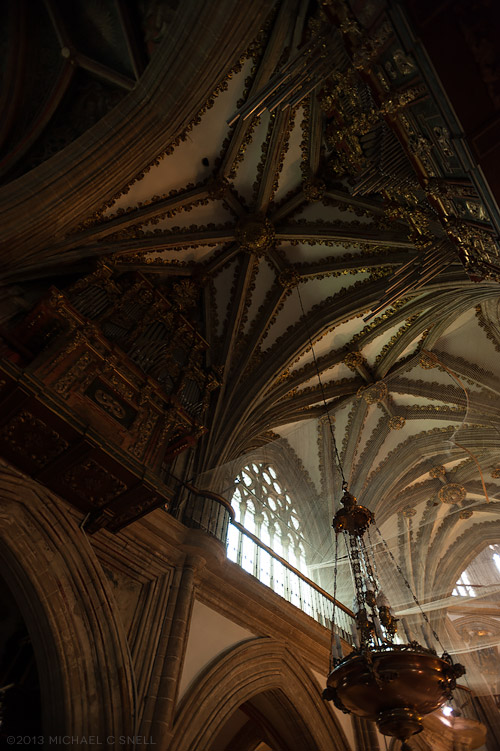
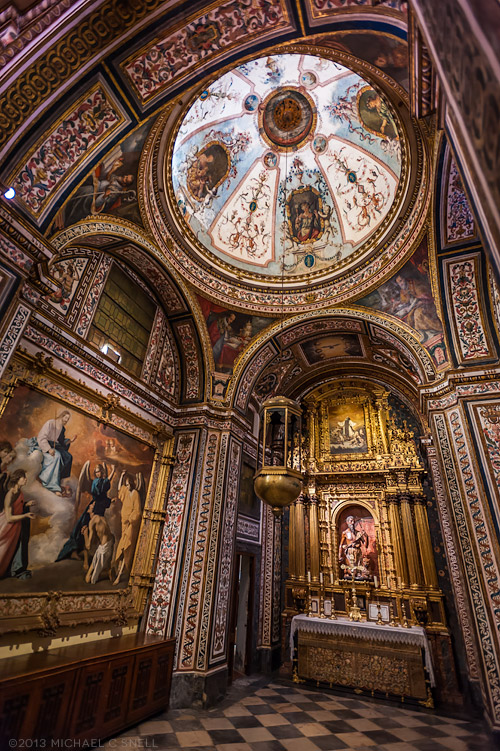
The main church is dark, but exceedingly grand. Exploring further, styles change to brighter and more elaborate decoration:

131226guad17_sotc

131226guad04_sotc

131226guad16_sotc

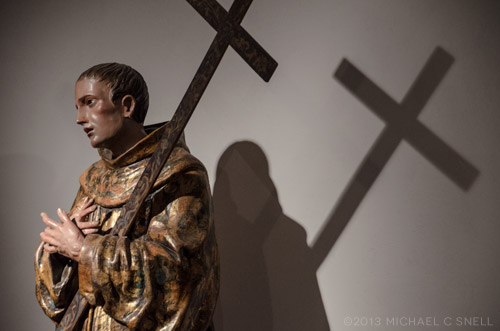
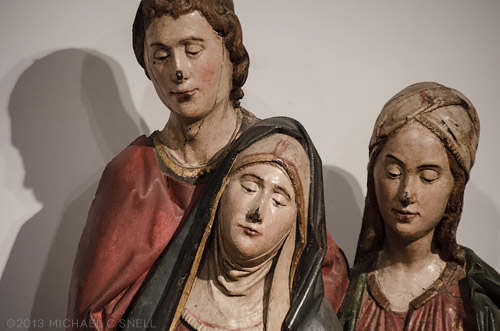
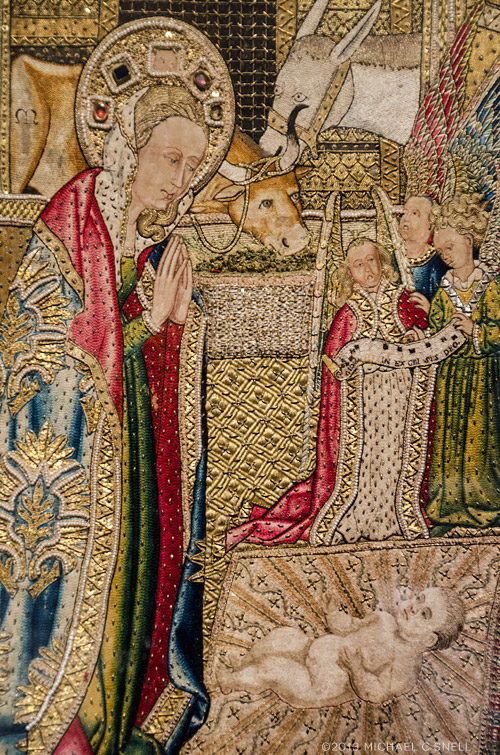
The Monastery buildings also house museums for textiles, paintings, sculpture and more:

131226guad03_sotc

131226guad18_sotc

131226guad02_sotc

We left the Monastery just as the sun was setting and crossed the street to our Paradore. The views of the Monastery from the Paradore were stunning and I spent the rest of the evening, and well into the night, photographing the towers from my balcony. I’ll share some of those images in my next post.

131226guad01_sotc

Simplifying the frame: Clinton birthplace home NHS

130804clinton3_sotc

On a recent visit to the President William Jefferson Clinton Birthplace Home National Historic Site in Hope, Arkansas, I decided to take a different approach to my photography. It’s easy to develop habits and a common one is to see “interior” and immediately think “wide angle.” After all, I carry that wide angle for just that reason — if I’m in a tight space, I can still get it all in the frame — right?

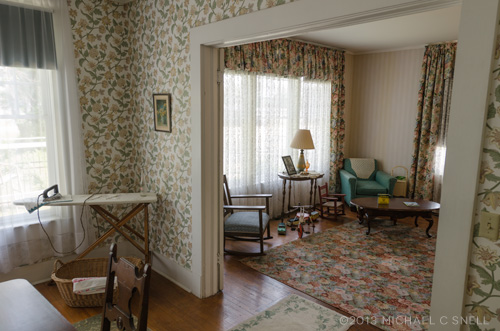
Here’s a typical shot from starting with that mindset:

130804clinton1_sotc

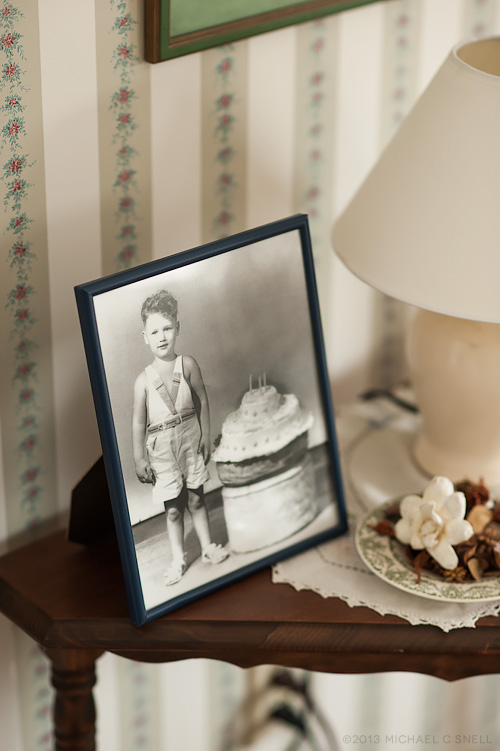
But the more I thought about it in this case, the more I realized that the architecture isn’t the point. The real spirit of the place was in the details: the childhood photos, the everyday items, the memories. After I had all of the wide shots I needed, I popped on my new Rokinon 85mm 1.4 and took a fresh look at things. The image at the top of the post and the three that follow were all made with the 85mm.

That short telephoto view changed how I saw things. It forced me to simplify. What was a chaotic mixture of patterns through the 17mm was now reduced and dreamy — thanks to the shallow depth of field. The images felt more like I felt, when touring the house. I’ve toured a lot of presidential museums and boyhood homes but this one was more personal for me, probably due to the fact that it resembled my own boyhood home so much. It was very nostalgic for me and I think that came through in the images. I’ll definitely not disregard a short telephoto when shooting interiors from now on.

130804clinton4_sotc

130804clinton2_sotc

Testing a new lens

130603lenstest7_sotc

Gear is a funny thing. You can become obsessed with it — always wanting the newest, the fastest, the most megapixels — but it’s a trap. At least I feel that it can be a distraction from paying attention to the things that really matter: composition, mood, light, message.

I don’t buy new gear all that often and I try and really think through and make purchases that will last. I’ve had a solid stable of bodies and lenses for a while now and have the whole range of focal lengths covered from 17mm to over 400mm (if you consider the 1.5x of my crop-sensor D7000).

So what more could I want or need?

I’ve thought about this a lot lately and have decided that what I’m looking for now are not necessarily the tools that test out as having the “best quality,” but rather tools that have a “unique quality.” It’s a fine distinction, but what I’m looking for are a few lenses, in particular, that have a uniqueness about them. They deliver something special. They may not be the most expensive, rugged or sharpest, but they will bring a capability to my kit that I didn’t have before.

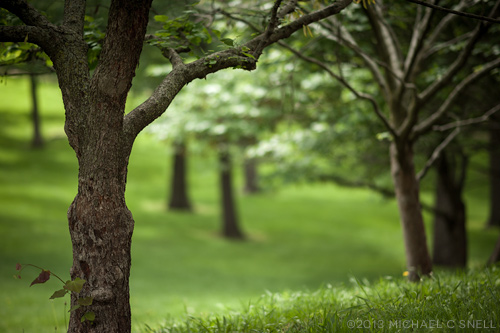
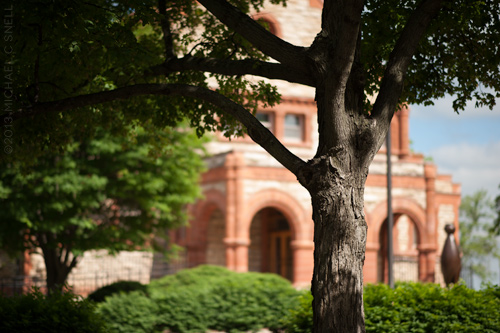
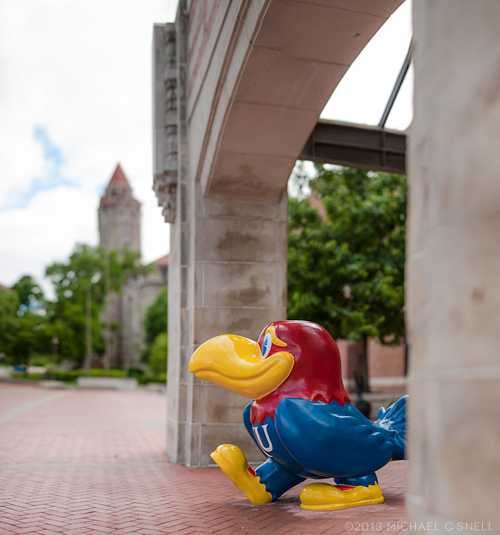
My most recent addition arrived on Saturday: a Rokinon 85mm f/1.4. I took it out for a quick walk around the KU campus yesterday to see what it could do. I was drawn to this lens for the shallow depth of field and creamy bokeh (out of focus areas). It’s manual focus as well, which slows me down and makes me more thoughtful. So far, I’m not disappointed. See what you think of these initial test shots:

130603lenstest6_sotc

130603lenstest1_sotc

130603lenstest5_sotc

130603lenstest4_sotc

The Jayhawk shot above is actually stitched from 18 images in a pano-grid method I’ve written about before. It lends the shallow depth of field to a wider angle of view.

130603lenstest2_sotc

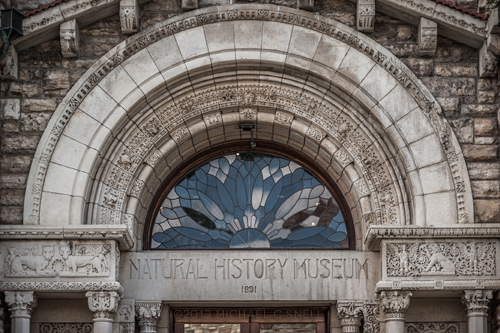
These last two shots are of mounts on display in the Natural History Museum — they’re not wildlife shots. I was just looking for some tighter settings to try the close focus and shallow depth of field:

130603lenstest3_sotc

130603lenstest8_sotc

So far, I’m impressed and happy with my purchase — and anxious to get this lens out in the field for some real travel work.

Greensburg, KS, revisited

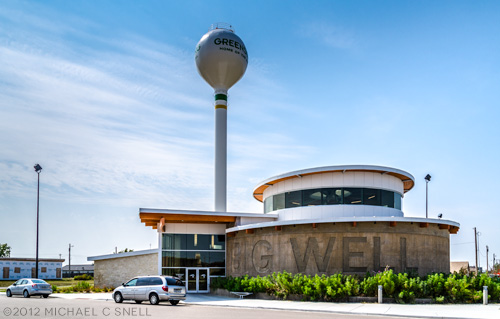
Greensburg, Kansas, was nearly wiped out by a tornado in 2007. Something like 95% of its buildings were destroyed. I used to travel through Greensburg frequently in the 80s and 90s and remember it as a beautiful community with the typical mix of old brick shops downtown and early nineteenth century clapboard houses filling its surrounding neighborhoods. But I remember it most for having what seemed like more than its fair share of shade trees. It was always a truly welcoming place on the prairies of western Kansas. Most people knew it as being home to the World’s Largest Hand Dug Well and, to be honest, most of the images I have in my files from Greensburg are of the staircases leading down to the bottom of that well. I wish now that I would have recorded more of the rest of the town.

It was quite a while after the tornado before I went back to Greensburg and, even then, I just drove through. I didn’t want to just gawk at the destruction and it was a hard thing to come to grips with, seeing a community that you knew for your whole life, now replaced by an open field that you barely recognized.

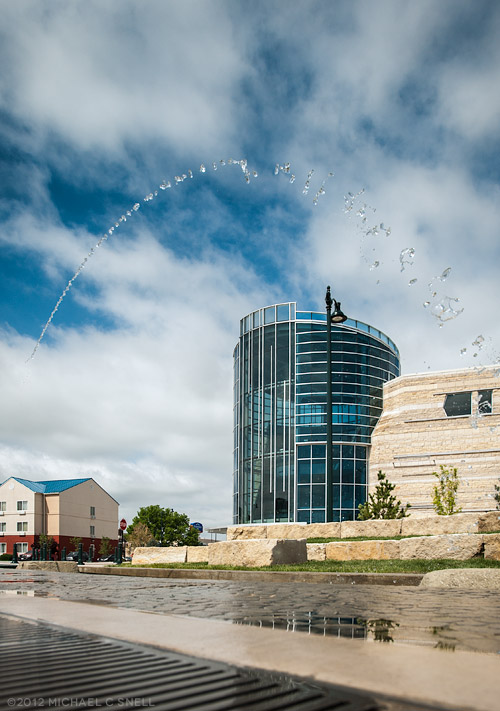
A recent shoot in Dodge City had me driving through Greensburg on the way to my next stop in Wichita. This time I decided to take a little time to see how the community is rebuilding. Of course the first landmark I looked for was the Big Well, which was always easy to find as it was located just beneath the city water tower. The water tower and the museum that sat behind the well (still seen on the Wikipedia page) were both destroyed but a new water tower has replaced the old metal one and a vastly larger and more modern museum has actually been built over the well this time as seen above. As I was running short on time on this visit, I saved the trip down into the well for next time, but I understand the old zig-zagging stairs have been replaced with a circular system that hugs the outer wall of the stone-lined well. If you’re having trouble imagining a well with room for a staircase, we’re talking about a hole 32 feet in diameter and over 100 feet deep.
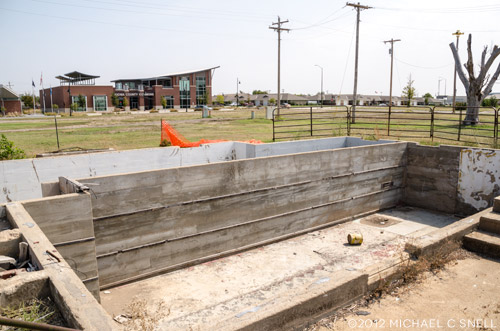
There are still a few damaged trees standing and plenty of sidewalks leading to nowhere, foundations with no homes. But I have to give a great deal of credit to the people of Greensburg and their philosophy about rebuilding. They took a disaster and found an opportunity within it. The townspeople have decided to rebuild better than before, and greener than before. You notice the wind turbines long before you even get to town, then the solar panels. Greensburg now boasts more LEED certified buildings per capita than any city in the world. They have become a testing ground for all kinds of energy-conserving and alternative energy technologies.
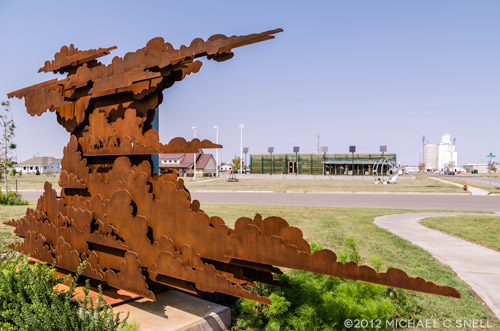
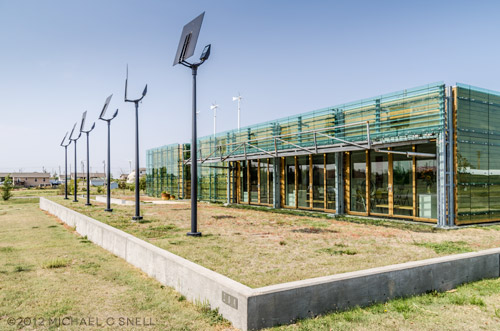
It’s nice to see public art being among the first things to return to Greensburg as well. This glass-skinned building is the 5.4.7 Arts Center, the first building in Kansas to receive a LEED Platinum rating.
For me, it’s still a bit painful to walk the streets of Greensburg. In my mind’s eye I’m still seeing what was. But that’s not fair to the efforts of the people who have put such energy into bringing this community back. They have made great strides and I look forward to many future visits to see how they are progressing. The hopes and dreams of these folks are now plainly visible in the new buildings and the new trees and gardens being planted.
Flint Hills Discovery Center

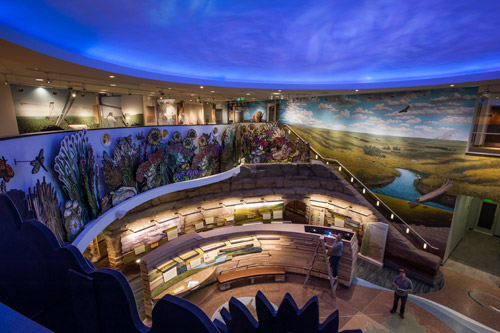
As members of the media, we were given a sneak peak of the new Flint Hills Discovery Center in Manhattan, Kansas on Thursday morning. The area’s tallgrass prairies are often taken for granted so this is a welcome addition to the scenic byway, Tallgrass Prairie National Preserve and scenic overlooks that have brought more understanding of this vast natural resource over the past few years. The Flint Hills have long been a favorite region of mine and many other Kansans, and now it’s great to have a place to point people to where they can learn more about what makes them so unique and special.


Above: Techs fine-tuning the ceiling projectors in the lobby of the new Flint Hills Discovery Center.

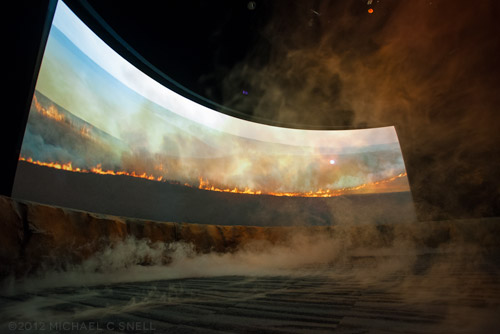
The opening of the Flint Hills Discovery Center is set for April 14th. While you’re there, be sure to check out the film in triple-wide high definition. The addition of breezes and fog put you right in the hills during the Spring burning scenes:

Stained glass dome

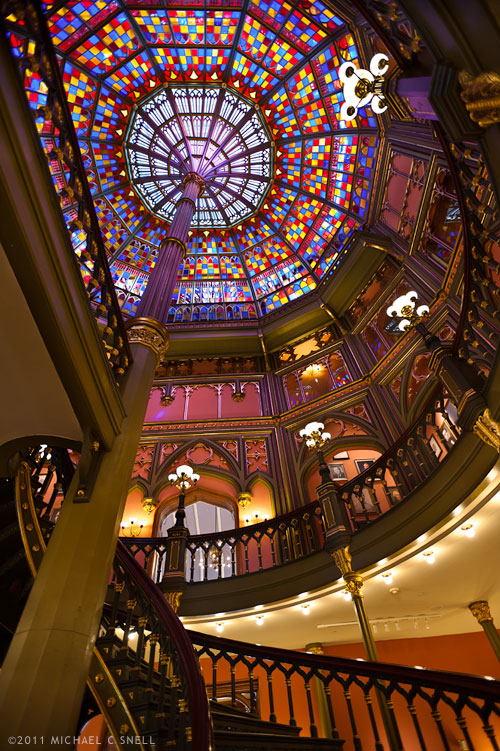
In my last post you saw the current Louisiana State Capitol Building but — just a few blocks away — Louisiana’s Old State Capitol still stands and it is now operated as a museum. Built between 1847 and 1852, the castle-like building was gutted by an accidental fire in 1862. Louisiana had seceded the previous year and the Union was using the building as a prison and garrison at the time of the blaze. The interior was completely rebuilt in 1882 with the addition of this central staircase and stained glass dome. The building remained Louisiana’s Capitol until the new one was built in the 1930s. If you want to know more about its history, pay a visit and be sure to see the “Ghost of the Castle” immersive theater presentation. It’s incredibly well done and I don’t think you’ll be disappointed.
Rainy day options

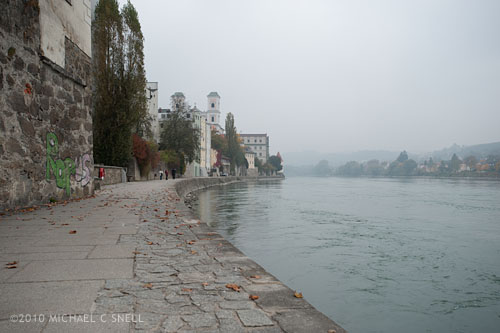
I talked a little bit yesterday about how to best handle less than ideal weather situations. My day in Passau was white-skied and a tad dreary. I actually like that kind of weather and think some great shots can be made when there’s a little more “atmosphere” than usual. Unfortunately, from a business sense, my likes are trumped by what sells. I’ll still shoot for myself and make the shots available to publishers, but they’ll typically take those dramatic sunsets or clear blue skies over this:

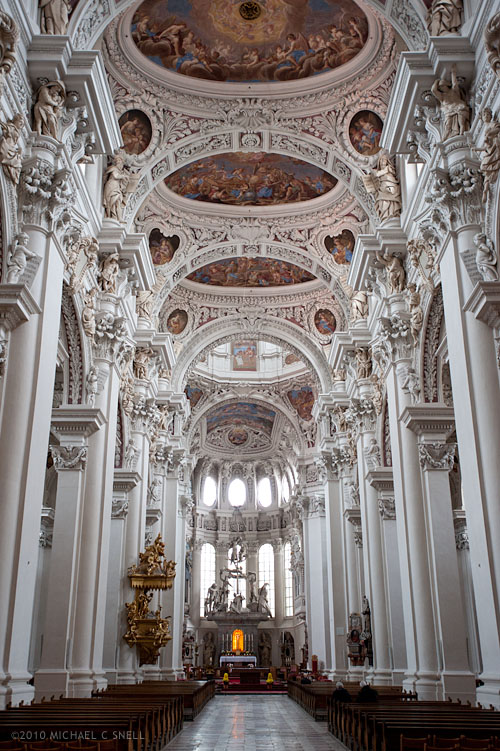
That’s the Passau I saw last month. Beautiful city, actually. And I had a great time wandering its streets finding incredible vantage point after more incredible vantage point. But… reality sets in and you need to make some photos that will sell, too. Heading inside is one option as seen by the church interior at the top of this post. The softened light from the overcast skies didn’t give those dramatic shafts of light that you might sometimes see streaming through the windows but — with an interior as bright and white as this one — you don’t really need them. The soft light did a great job of modeling all of the ornate features and did so with lower contrast than direct sun would have.

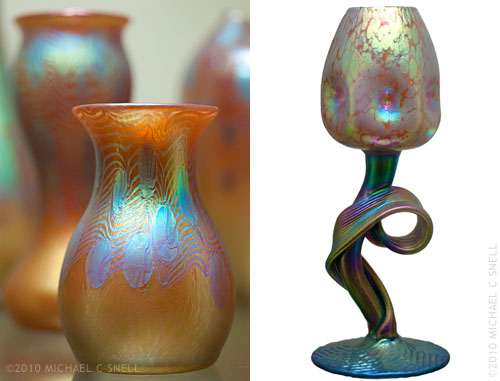
Passau also has a great glass museum. We’re talking about a rambling, multi-story maze of room after room of extraordinary glass. You can seriously get lost in there, but you won’t mind much because there’s good stuff around every corner. The lighting doesn’t look too sympathetic to photography at first. There are all different color temperatures from pink to blue to green. Happily, the auto white balance on my Nikon was able to clean that right up without a second thought from me. I just popped on the 60mm Micro lens and went crazy. Most of the glass was behind glass, but limiting depth of field and blocking the background with my own body allowed me to deal with most reflections. Some of these shots will make nice cutouts (like the one on the right) for those guidebooks that want a little detail shot to break up a long block of copy.

All in all, not bad for a rainy day’s work.

Special access

When I get special permission to shoot in museums, I take advantage of it. I’ve been in some situations — even on press trips specifically arranged for journalists — where photography was not allowed and note-taking was even banned. As a photographer, that kind of tour is of no use to me. I could enjoy myself as a tourist but as a business person, if I’m not walking out with images on my card, there was no point in my being there. I can tell when the point has really been lost when the museum’s PR person tells me that images are available for free from their office. That’s fine if I’m writing a story on their museum — at least I’d have some way to illustrate it — but I’m a photographer. I make my living by licensing my own images. Knowing that they have images available for free doesn’t really help me. Actually, it doesn’t really help them either as more major publications won’t want to use free images from a PR department because they want something unique and not the same photos that are appearing in every other magazine.

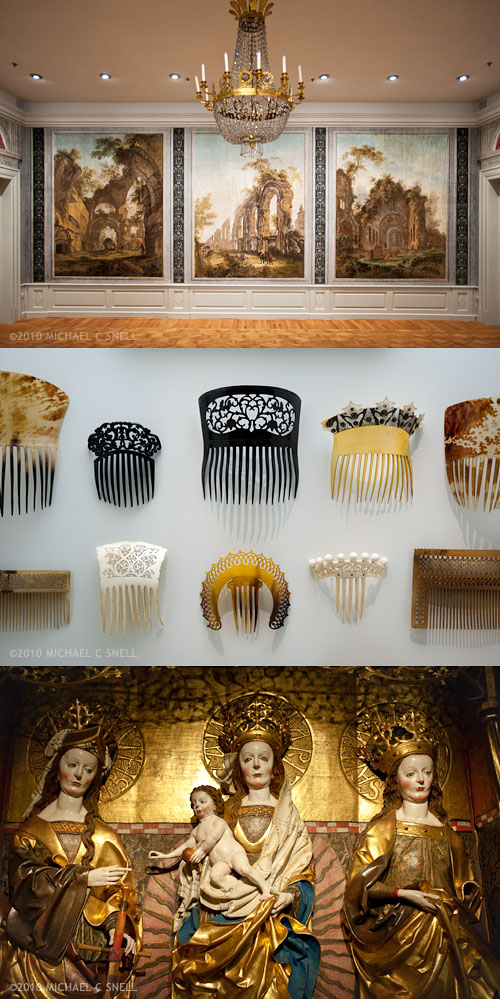
The three photos above came from the Grassi Museum in Leipzig where I was allowed to shoot by special permission. No flash, but that’s fine. I can understand them wanting to limit damage to the artifacts. Thank you, Grassi Museum, for understanding why I was there and seeing the benefit of having more images of your collection available to publishers. I hope that every image I get published sends people through your doors.

Ballooning in Luxor, Egypt

balloons in luxor, egypt

When I heard that there would be 23 of us riding in the same balloon basket for a sunrise shoot on the west bank of Luxor, I hesitated. That’s a lot of folks and I knew everyone would want to be on the edge for photos but I was assured that the basket would be large so I woke up pre-dawn on my Nile cruise boat, took a bus to another dock where a small open boat ferried us across the river to another bus, which took us past the Colossi of Memnon to our launch site just over the ridge from the Valley of the Kings.
The basket was just large enough. We were shoulder to shoulder but it worked. The only worry came when changing lenses as you pretty much had to do that over the side but I returned to the earth with all the lenses and caps that I had left with.
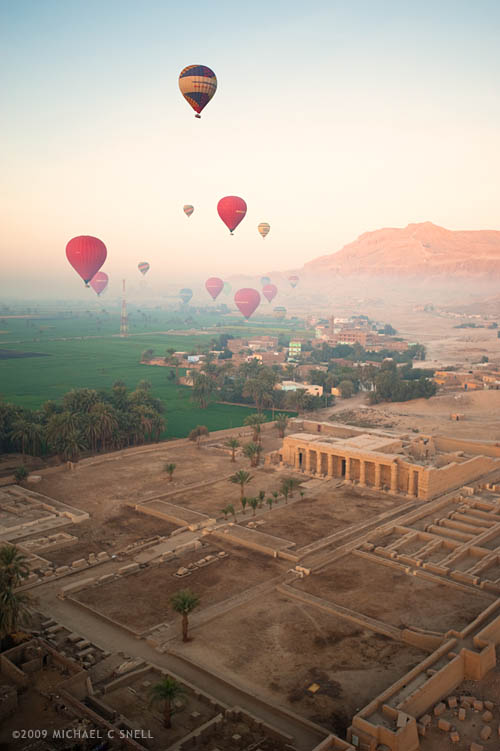
And the views erased any doubt over whether I should have gone. The pre-dawn lift-off, sunrise over the nile, the other 20 or so balloons in the air, temples and village life. Possibly my most productive hour of the trip.