Category Archives: tourism

Misc. Michigan

130904woodland_sotc

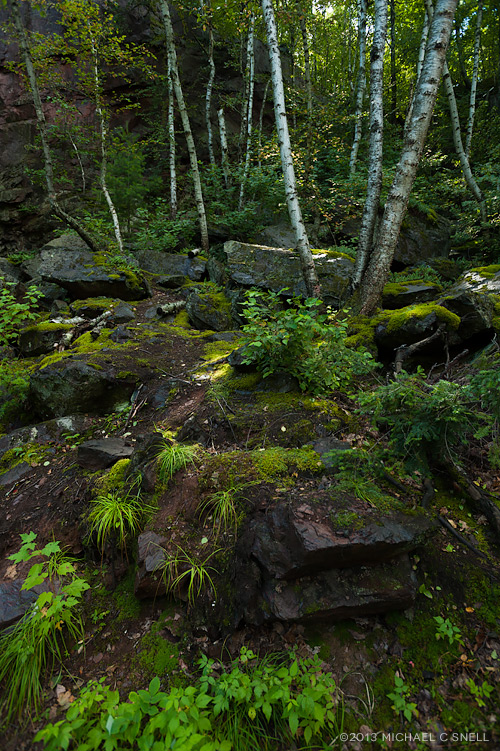
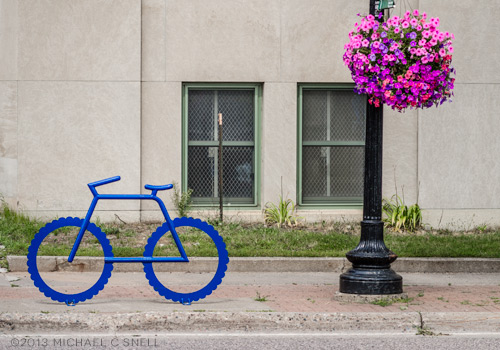
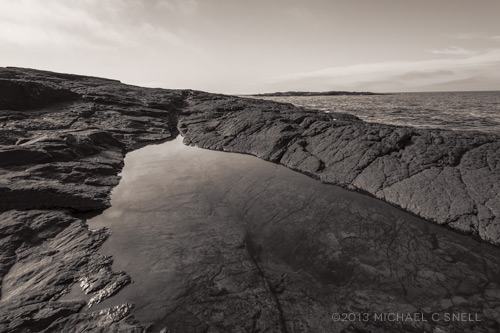
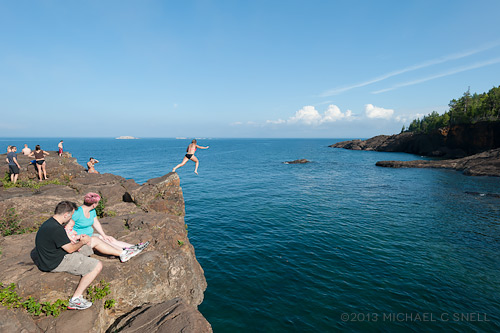
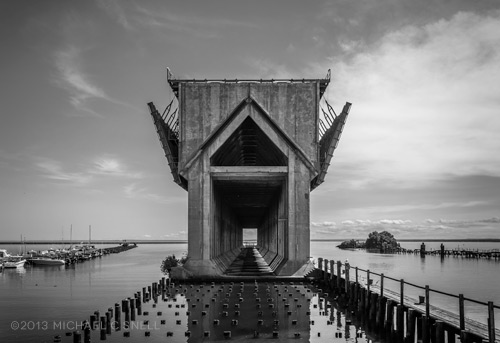
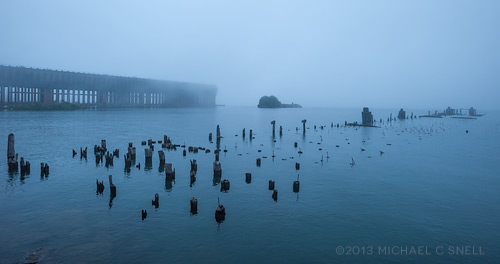
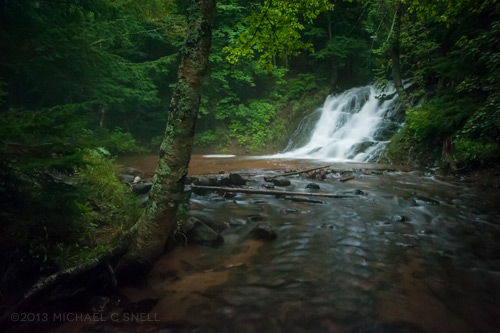
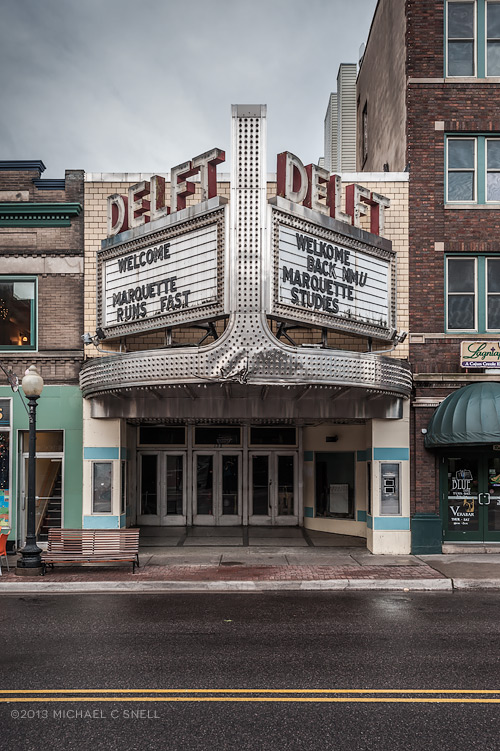
I spent a few amazing days shooting in Michigan’s upper peninsula last week. The city of Marquette and the surrounding area offer all kinds of opportunities and I enjoyed shooting beautiful natural areas and architecture alike. Rather than try and categorize these images in some thematic or otherwise thoughtful way, I’ll just throw ’em out there and let you see a few of the places I saw.

130904bike_sotc

130904blackrocks_sotc

130904jump_sotc

130904oredock_sotc

130904fog_sotc

130904falls_sotc

130904theater_sotc

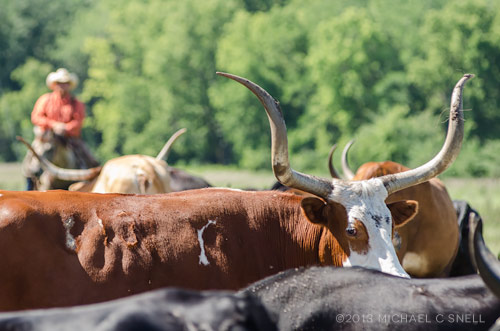
Flint Hills cattle drive

130822flinthills_sotc

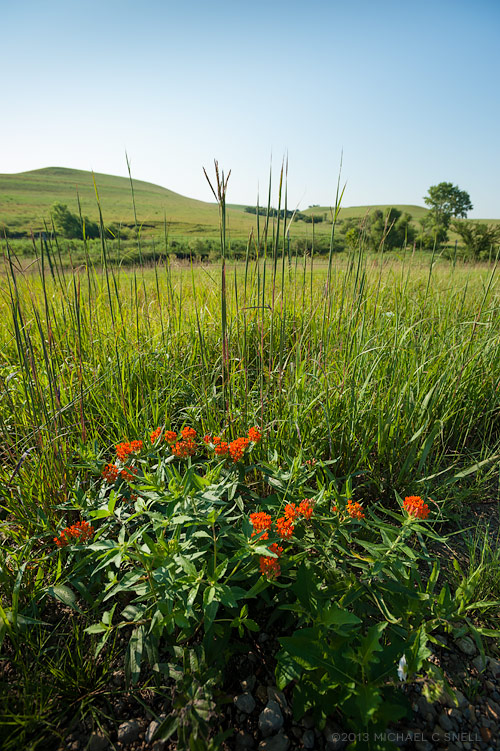
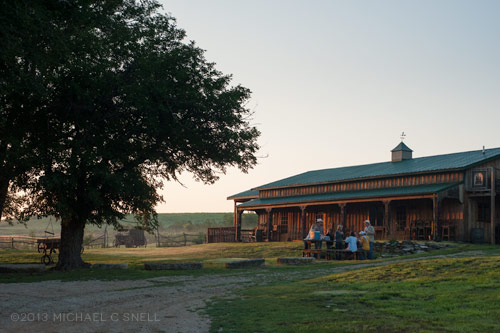
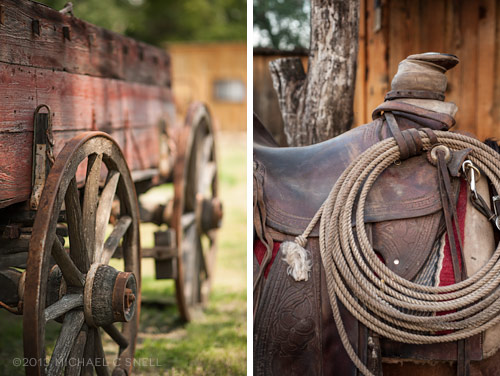
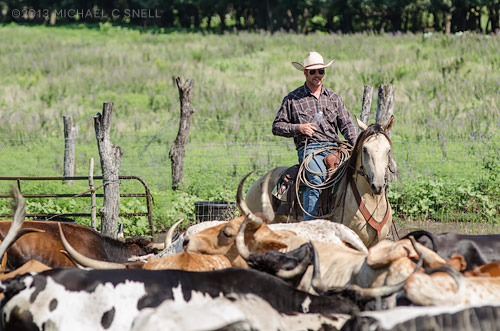
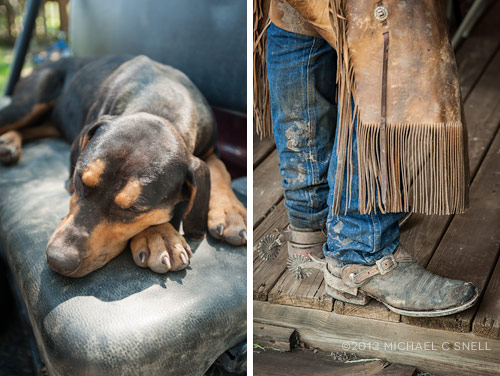
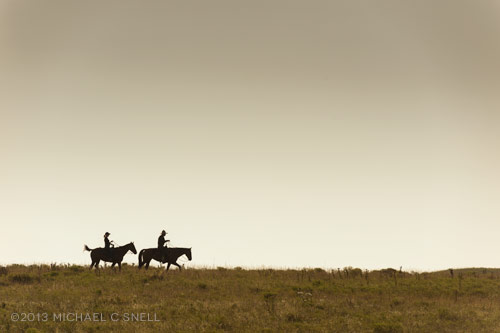
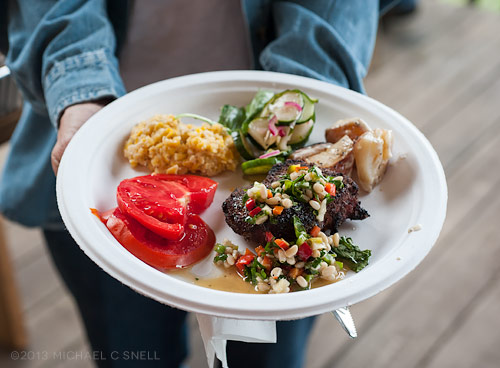
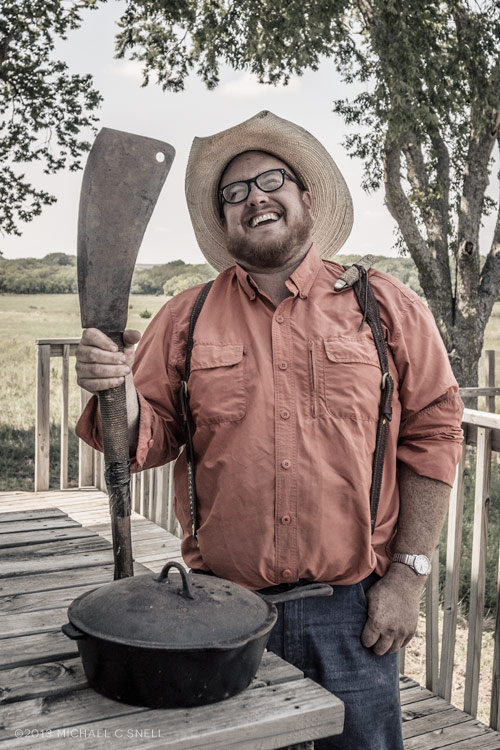
It was a near-perfect weekend for shooting a Kansas cattle drive and sampling the cooking of Josh Hoy. Josh and Gwen Hoy operate the Flying W Ranch near Clements in the Kansas Flint Hills and have opened some of the working cattle drives to guests. Josh’s cooking may be more of the draw than the cattle, in my opinion, but the whole package was amazing. For a real Kansas experience, this is tough to beat. I’ll just let the photos do the talking:

130822breakfast_sotc

130822details_sotc

130822cowboy_sotc

130822cattle_sotc

130822dogboots_sotc

130822pair_sotc

130822steak_sotc

130821josh_sotc

Simplifying the frame: Clinton birthplace home NHS

130804clinton3_sotc

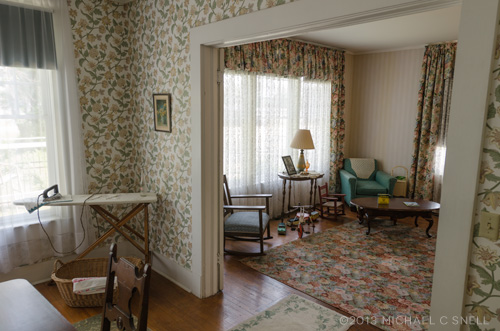
On a recent visit to the President William Jefferson Clinton Birthplace Home National Historic Site in Hope, Arkansas, I decided to take a different approach to my photography. It’s easy to develop habits and a common one is to see “interior” and immediately think “wide angle.” After all, I carry that wide angle for just that reason — if I’m in a tight space, I can still get it all in the frame — right?

Here’s a typical shot from starting with that mindset:
130804clinton1_sotc

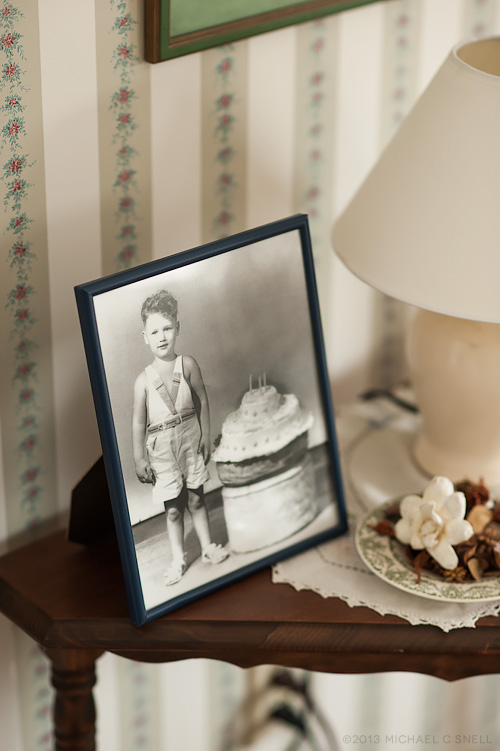
But the more I thought about it in this case, the more I realized that the architecture isn’t the point. The real spirit of the place was in the details: the childhood photos, the everyday items, the memories. After I had all of the wide shots I needed, I popped on my new Rokinon 85mm 1.4 and took a fresh look at things. The image at the top of the post and the three that follow were all made with the 85mm.

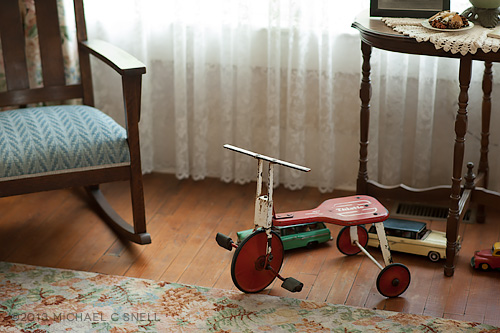
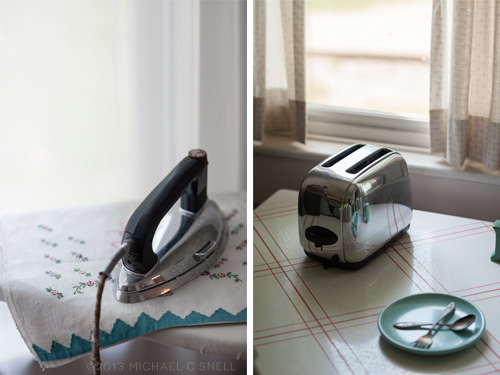
That short telephoto view changed how I saw things. It forced me to simplify. What was a chaotic mixture of patterns through the 17mm was now reduced and dreamy — thanks to the shallow depth of field. The images felt more like I felt, when touring the house. I’ve toured a lot of presidential museums and boyhood homes but this one was more personal for me, probably due to the fact that it resembled my own boyhood home so much. It was very nostalgic for me and I think that came through in the images. I’ll definitely not disregard a short telephoto when shooting interiors from now on.
130804clinton4_sotc

130804clinton2_sotc

Fort Scott Candlelight Tour

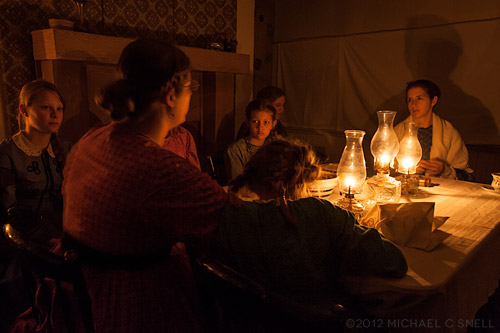
I paid a quick visit to the Fort Scott National Historic Site in Fort Scott, Kansas, last night to photograph their annual candlelight tour. The shot above is something I’ve been playing with lately — creating shallow depth of field images by stitching together multiple frames from a fast normal, to short-telephoto, lens. This one is 13 frames shot on a 50mm lens at f/1.8 and stitched together using Photoshop CS6. It’s an interesting look and reminds me a bit of the old large-format images that might have been made in the late nineteenth century. It seemed appropriate for an evening devoted to recreating the year 1862 on a frontier fort in what had then just become the state of Kansas.

More (single frame) images from last night:

Cirque du Soleil in Quebec

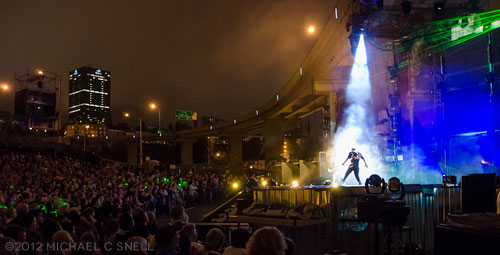
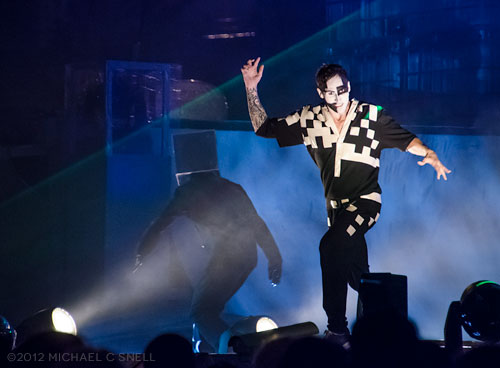
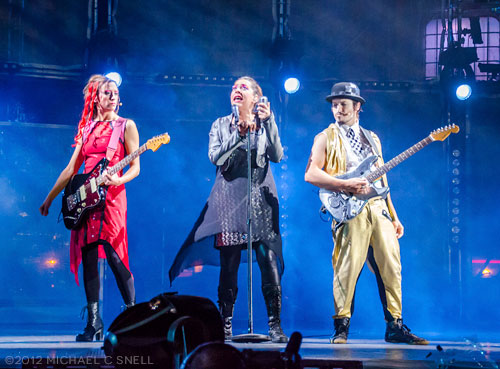
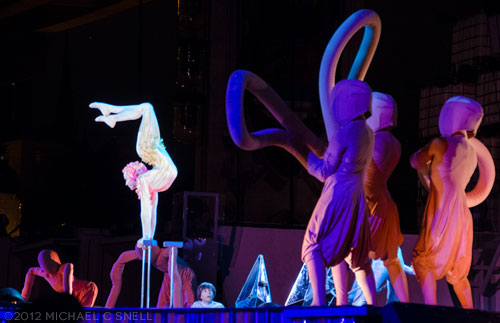
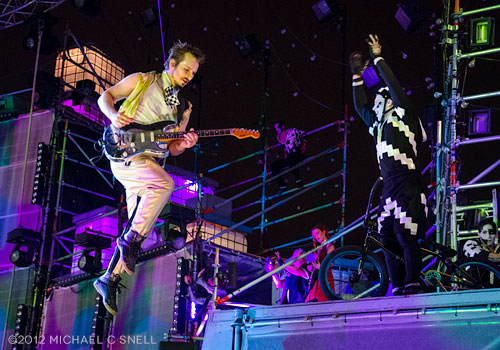
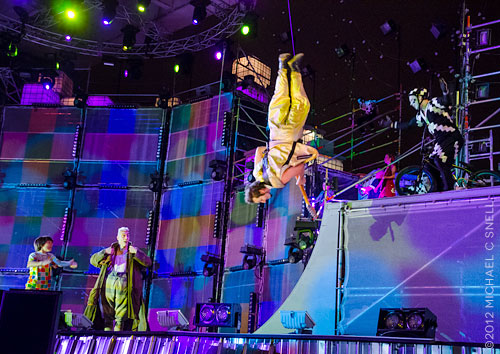
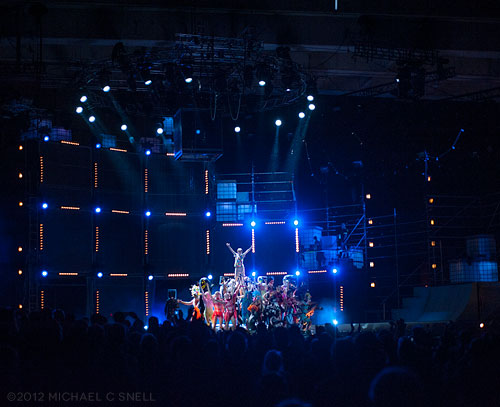
One of the highlights of this month’s trip to Quebec City was an evening spent shooting the Cirque du Soleil show, Les Chemins Invisibles. A couple of things about this show are remarkable (but then… aren’t all Cirque shows remarkable?): one, it’s free and, two, it’s staged under a highway overpass in the Saint-Roch district. The project began as a part of Quebec’s 400th birthday celebration and the show has been kept on for four years now. Let’s hope it continues for many more. If this is not the coolest way to use the space under a highway overpass, I don’t know what is.

Special thanks to my friends at Tourisme Quebec and the folks at Cirque du Soleil for assisting me with access and permissions for this shoot. What a great night!

New Orleans revisited

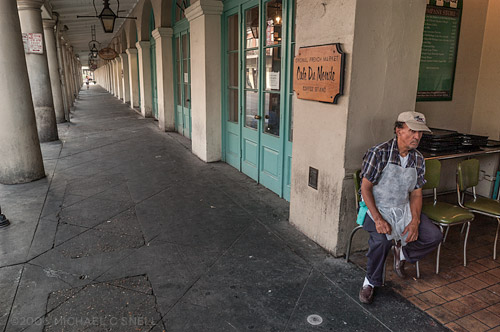
Now that I’m running both Lightroom 4 and Photoshop CS6 (if only in beta), I’m going through old files to see what the new software can do for some images that I never quite felt were finished. Back in the days of the darkroom, it was a good idea to work a print and then set it aside for a time before coming back to it, reassessing, and trying some new ideas. That’s basically the way I treat digital files as well. I process them almost immediately after capturing them, but I like to come back later to take a fresh approach. These files from New Orleans are from 2006, less than a year after Katrina hit. We made the visit with a group of journalists at the invitation of the tourism bureau to help get the word out that the main tourist areas were largely unaffected and open for business. The impact in tourism numbers was very evident, however, in the quiet streets and restaurants.

In reprocessing these images, I tried to focus on that quiet feeling of a nearly abandoned city. The texture of New Orleans also comes through. It’s an old city by American standards and after all that it had been through it seemed to be feeling its age. I look forward to my next trip there, to see what has changed in six years.

Flint Hills Discovery Center

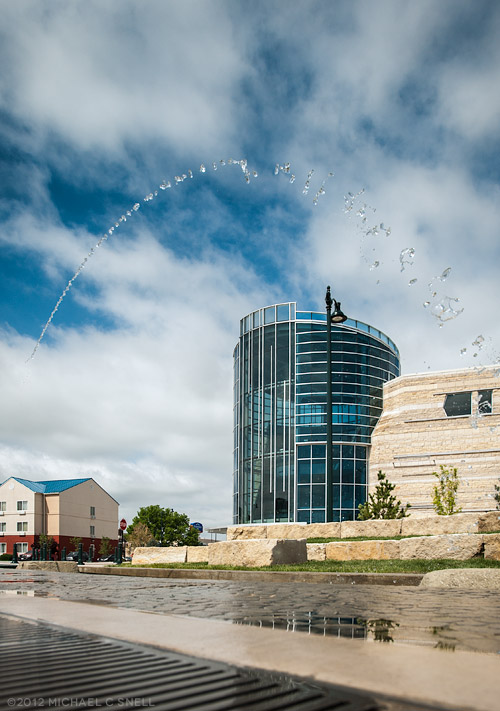
As members of the media, we were given a sneak peak of the new Flint Hills Discovery Center in Manhattan, Kansas on Thursday morning. The area’s tallgrass prairies are often taken for granted so this is a welcome addition to the scenic byway, Tallgrass Prairie National Preserve and scenic overlooks that have brought more understanding of this vast natural resource over the past few years. The Flint Hills have long been a favorite region of mine and many other Kansans, and now it’s great to have a place to point people to where they can learn more about what makes them so unique and special.


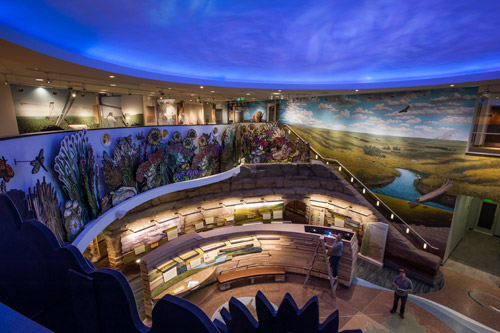
Above: Techs fine-tuning the ceiling projectors in the lobby of the new Flint Hills Discovery Center.

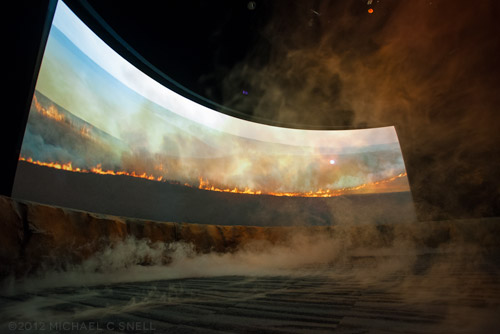
The opening of the Flint Hills Discovery Center is set for April 14th. While you’re there, be sure to check out the film in triple-wide high definition. The addition of breezes and fog put you right in the hills during the Spring burning scenes:
Stained glass dome

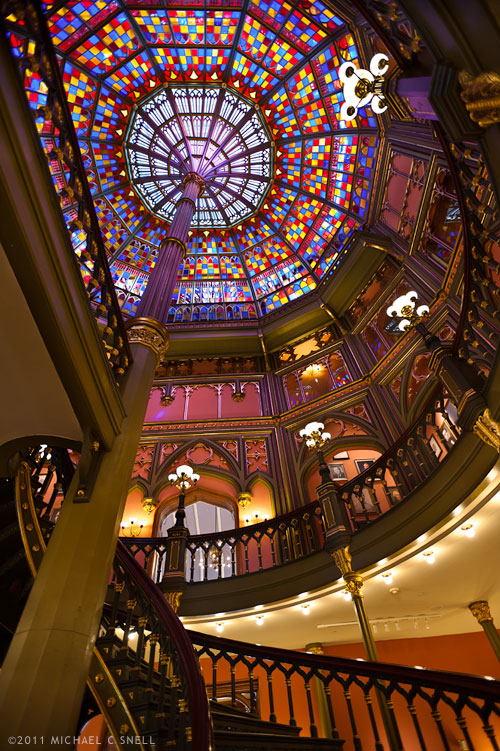
In my last post you saw the current Louisiana State Capitol Building but — just a few blocks away — Louisiana’s Old State Capitol still stands and it is now operated as a museum. Built between 1847 and 1852, the castle-like building was gutted by an accidental fire in 1862. Louisiana had seceded the previous year and the Union was using the building as a prison and garrison at the time of the blaze. The interior was completely rebuilt in 1882 with the addition of this central staircase and stained glass dome. The building remained Louisiana’s Capitol until the new one was built in the 1930s. If you want to know more about its history, pay a visit and be sure to see the “Ghost of the Castle” immersive theater presentation. It’s incredibly well done and I don’t think you’ll be disappointed.
Locals vs. Tourists

4671581511_f522ed2180

While upgrading my computer, I figured it was a good opportunity to start fresh with my browser bookmarks and get rid of the masses of links that I had that no longer went anywhere. Clean house, you know? Of course, there are still bookmarks that I need — things I look at every day or nearly every day — and I’m going through the process of deciding what to re-bookmark, and what to let go of.

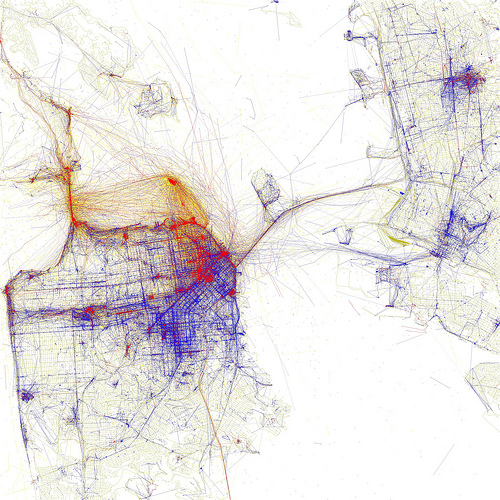
John Nack’s Adobe-centric blog is a keeper and it was on his site that I discovered this post that led to the cool graphic posted above. What is it? It’s one of a series of maps on Eric Fischer’s Flicker page (this one is San Francisco) that shows where, in several cities around the world, locals take photographs (blue points) vs. where tourists take them (red points). The yellow points show where it can’t be determined whether it was a local or a tourist taking the photo. There’s an explanation of how the data was compiled on Eric’s page. It may not be 100% scientifically accurate but it’s a really interesting look at how cities cater to different populations. I could look at these things for hours.

Can this be a useful resource to a travel photographer? Possibly. It might show where there are some landmarks or scenic areas that only the locals seem to know about. On the other hand, a dense blue spot might just indicate where some guy lives that takes 30,000 photos of his cat each day. But, given enough data, you’d think some real trends would emerge that would cancel out the flukes. I just think they’re fun to look at.