Wild Horses of the Salt River

130423horses_sotc

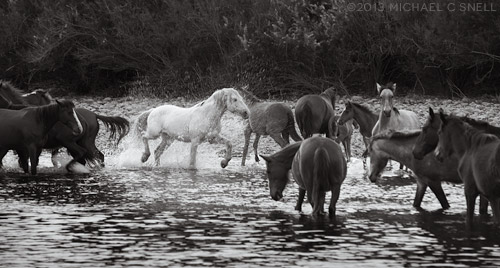
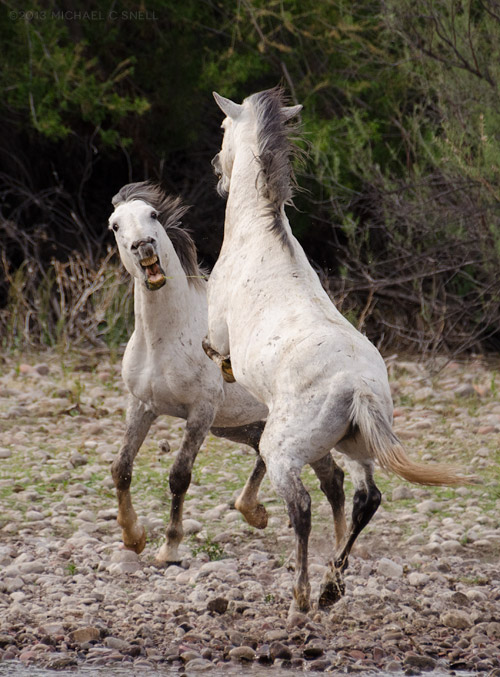
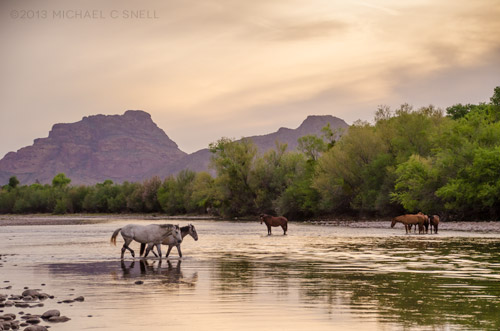
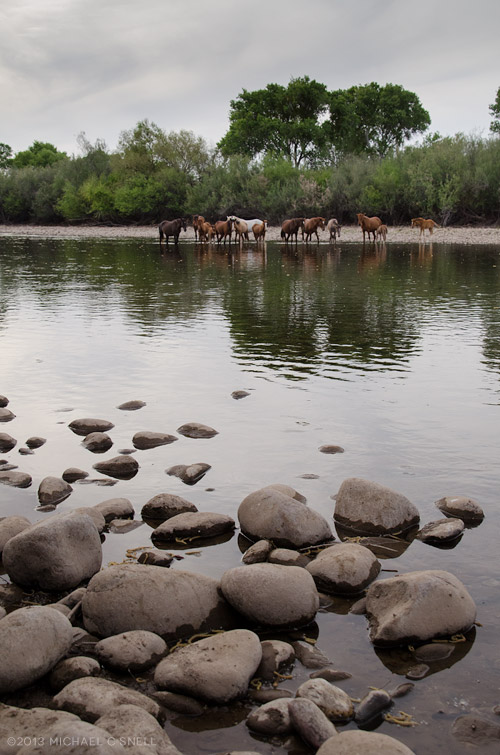
After a short hike to this rocky river bank along the Salt River near Phoenix, we saw nothing. No wild horses. Our guide assured us that they were usually there. “They’ll come,” she said. A few minutes later there was a faint sound from across the river and a hint of movement through the trees.

“I told you they’d come.”

And for the next two hours we were thoroughly entertained and entranced by these amazing wild animals, living freely here not far from one of the largest cities in the United States.

130423bwhorses_sotc

130423wildhorses_sotc

130423horsesriver_sotc

Mexican Rodeo at Rancho Ochoa

130418halo_sotc

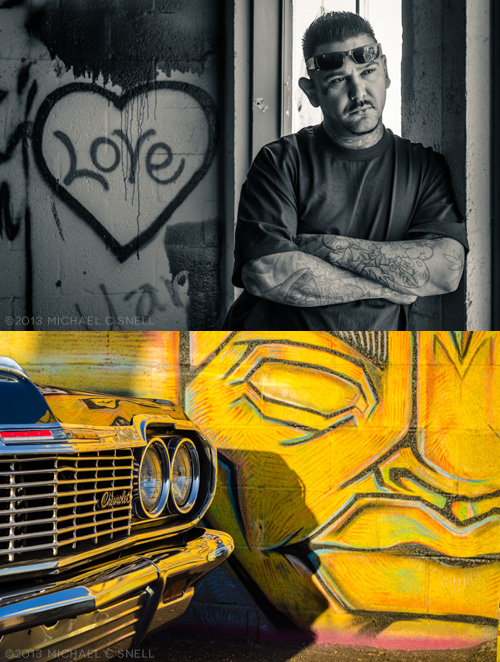
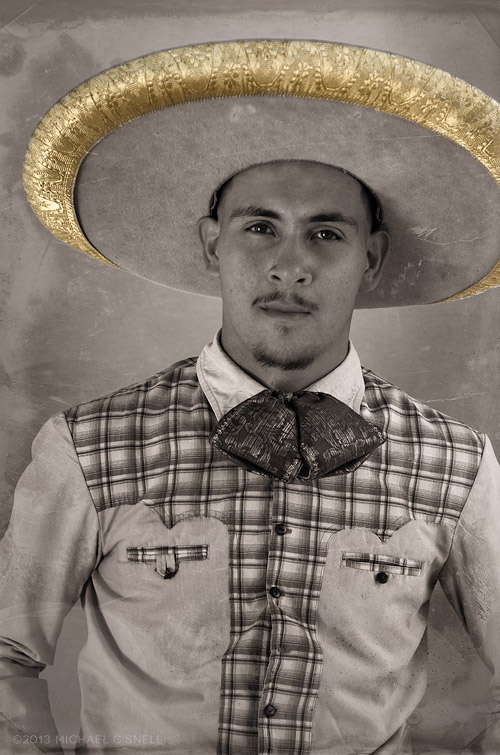
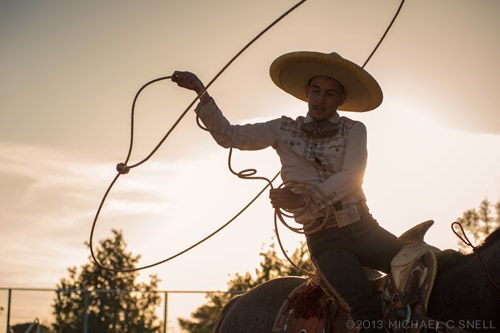
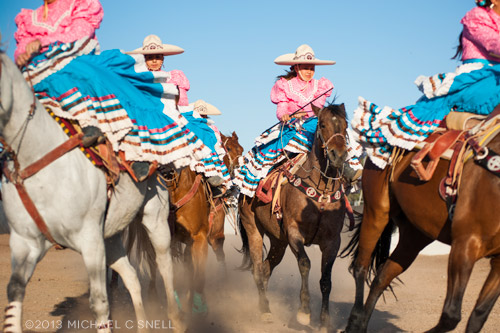
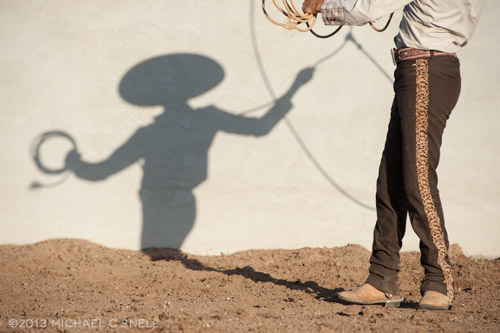
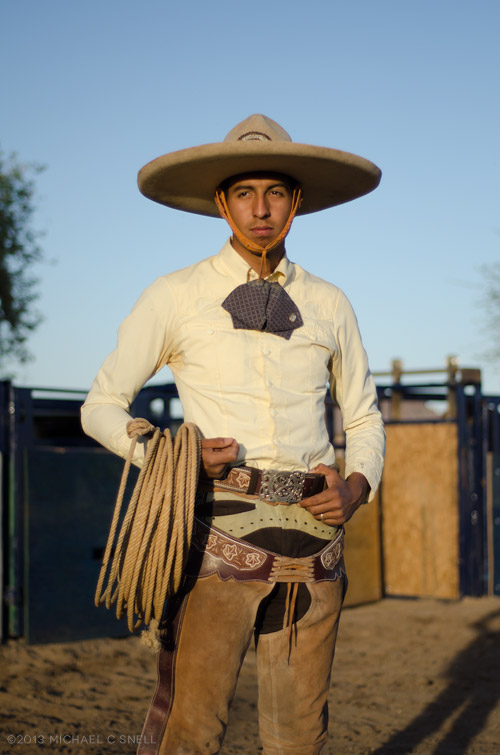
The folks at the family-owned Rancho Ochoa rodeo arena in West Phoenix were kind enough to allow myself and a few others to photograph them as they prepared for their upcoming competitions. Special thanks also to Jill Richards for providing the backdrop and light modifiers that made for some fun, impromptu portrait sessions with the individual charros and charras. I loved the gold rim on the hat in the shot above and decided to try doing a little black and white toning to the rest of the image, finishing it with an aged film texture.

Here are a few others from that evening:

130418roping_sotc

130418riders_sotc

130418shadow_sotc

130418cowboy_sotc

Season Jumping in Phoenix

130417phoenixbird_sotc

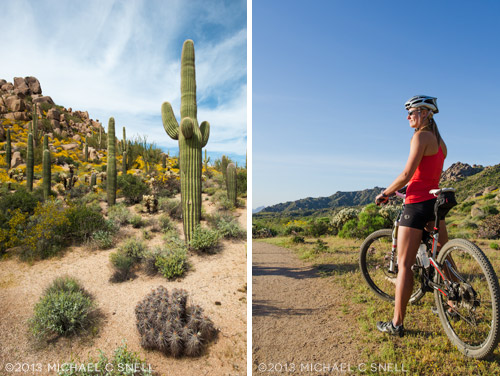
Two weeks ago, I left a cold, pre-Spring Kansas for a few days of Spring-Summer-ish Arizona. While there, I picked up an assignment that would have me hopping back on a plane just a few hours after returning home, and flying to North Dakota for three days. While it was still decidedly wintery in ND, Arizona was a welcome hint of the Spring that will hopefully one day arrive back home in Kansas (it’s a month or more late this year by my reckoning). It’s odd, jumping seasons like this. But I wouldn’t have traded that week in sunny Phoenix. Great temps, great people and fantastic locations to shoot. I’ll share a few more images over the coming week, before I have to hop my next plane.

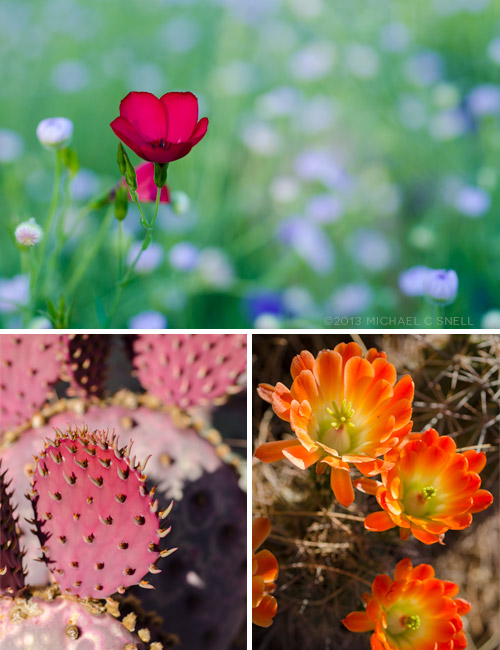
First stop in Phoenix was the Desert Botanical Garden, where the blooms were out and it was almost possible to forget Winter ever existed:1304217phoenixflowers_sotc

While I took plenty of wide shots of the gardens as well, it was the details and textures that caught my eye the most. My 60mm macro lens got a real work out on this particular morning.

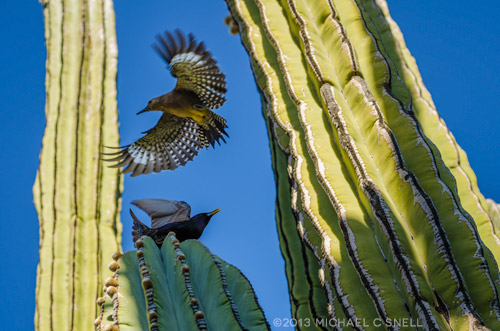
And, at the top of this post, a lucky shot I caught as a Flicker and another bird fought over who would be nesting in this particular cactus. Speculation on my part, but they did seem to be in disagreement over something. I was just happy to grab the photo. Sometimes you just have to be in the right place at the right time.

Odds and ends from Mississippi

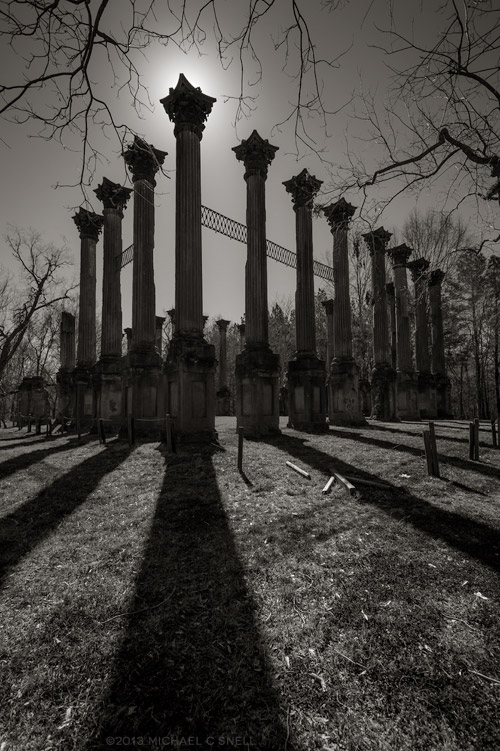
130324windsor_sotc

I thought I’d post a few more shots from my Mississippi trip from late February before I get caught up with some more travel that is quickly approaching on the horizon. This first one (above) is of the Ruins of Windsor, an 1859-61 mansion that survived the Civil War, only to burn down when a guest carelessly left a cigar unattended in 1890. I’m guessing he was never invited back.

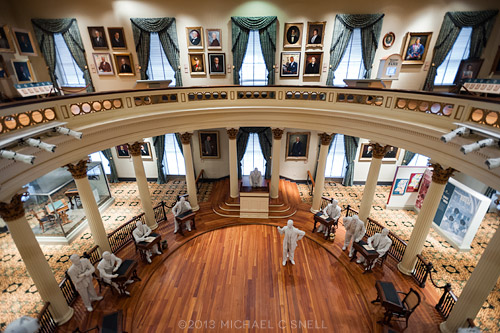
130324jackson1_sotc

Second is the recently restored old State Capitol building in Jackson, Mississippi. I thought this was a great way to interpret the legislative space and the architecture was beautiful.

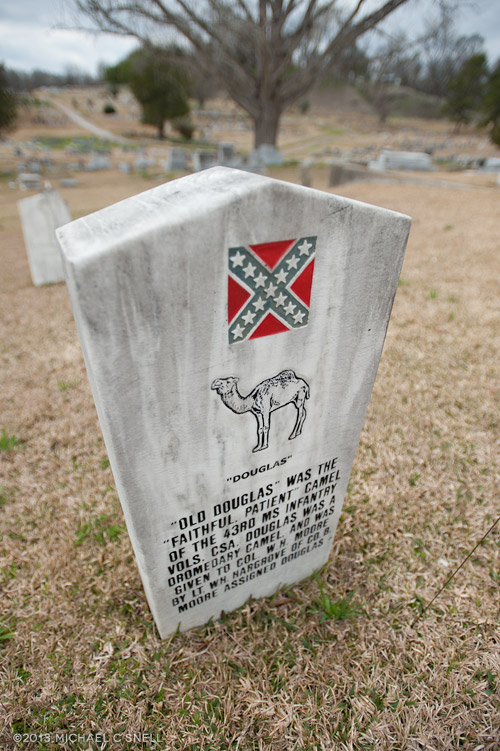
130324camel_sotc

Did you know that camels were used in the American Civil War? Maybe I missed that day in school but it was news to me.

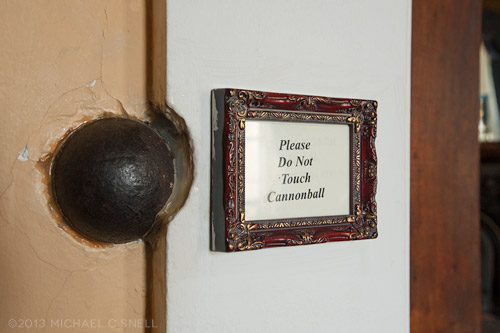
130324cannonball_sotc

And, lastly, I loved this “Please do not touch cannonball” sign (and associated cannonball, of course) in the sitting room of a B&B in Vicksburg, Mississippi.

Shooting tethered

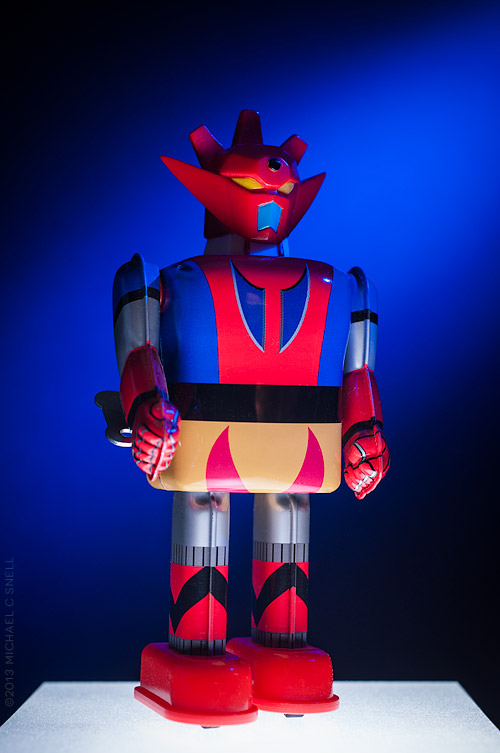
130323robot_sotc

It’s snowing outside so I’m playing indoors today.

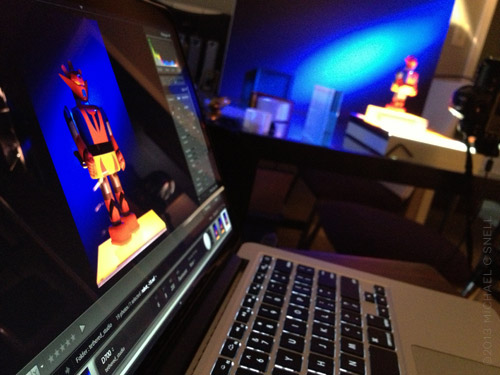
I’ve been setting up my new 13″ Retina MacBook Pro and ran across an article about shooting tethered in Lightroom 4. I thought I’d give it a try, even though I only do a small amount of studio photography compared to field work. For some reason I always thought that tethering would be a lot more involved than it turned out to be. In fact, all I needed was a USB cable to connect my Nikon D700 to my MacBook. Turn on the camera and open Lightroom and, under the “file” menu, you can initiate tethering. Lightroom found the camera automatically and in no time I had a little toolbar added to my Lightroom interface that showed my camera settings: shutter speed, aperture, white balance, etc. Here’s a glimpse of the setup:

130323robot2_sotc


The Lightroom toolbar has a shutter button so you can fire the camera from the laptop. Hit the button and the camera makes an exposure that is immediately transferred to the laptop and opened for review right there in Lightroom.

I know. Lots of photographers have been doing this for years and it’s nothing new, but it was a revelation how easy it was to set for a first-time user like me. I’m reminded of the first time I realized that my Nikon had a built-in intervalometer for shooting time-lapses. More and more often, features that used to be costly added expenses are now built into modern gear, although sometimes they’re not heavily promoted. It pays to noodle around a bit every now and then to see what wonders are hiding in those electronics.

You know, I was thinking that this tethering feature wouldn’t be all that useful in the field but, now that I think about it, it could be extremely handy when doing things like night photography. I know when I was shooting the Milky Way in western Kansas last summer, it would have been nice to have had a way to be able to check exposure and focus during the shoot better than I was able to do on the camera LCD. The USB cable travels with me anyway, so this capability comes at no extra expense, weight, or bulk. Just the kind of thing I like.

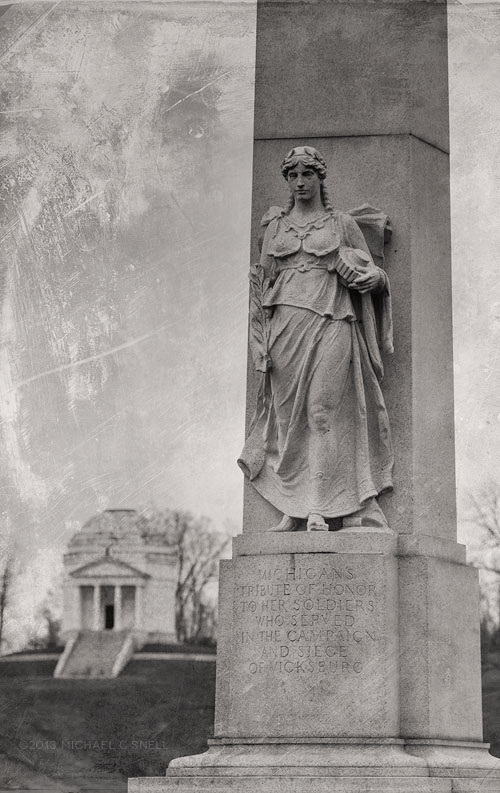
Vicksburg, Mississippi

120305vicksburg_sotc


Just a quick note to say that I’m back from a short jaunt to Mississippi. It may give hope to others that live in my part of the country that Spring is only a day’s drive away. While in Jackson, Vicksburg and Natchez, I saw iris, daffodils and forsythia blooming and the tulip trees were actually already past their prime. Spring is on its way, folks. Take heart.

Oh… and the photo is from the Vicksburg National Military Park. More on that and other stops soon.

New book: China

book_china_cover

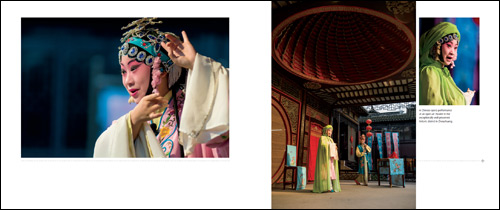
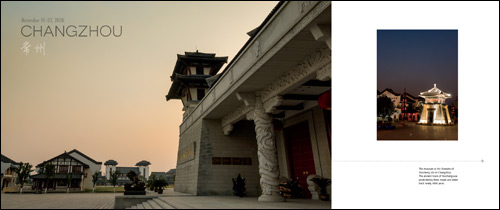
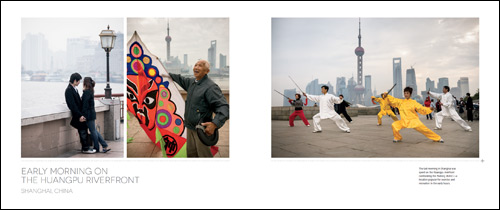
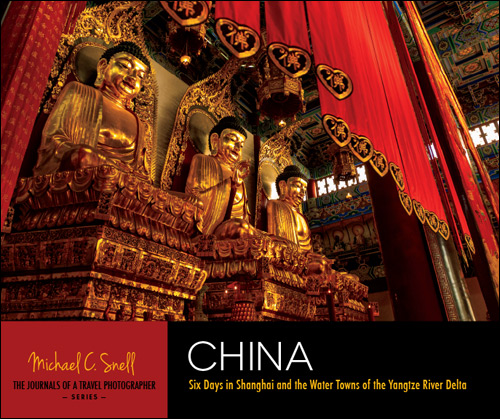
I’m very happy to announce that my new book, “China: Six Days in Shanghai and the Water Towns of the Yangtze River Delta,” is now available through my Blurb.com bookstore.
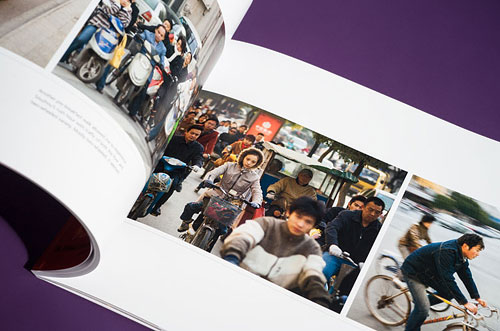
book_china_int01

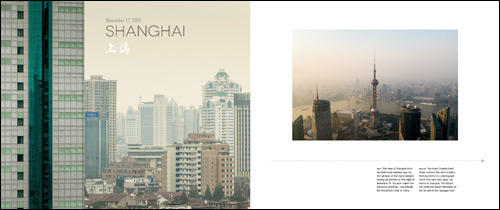
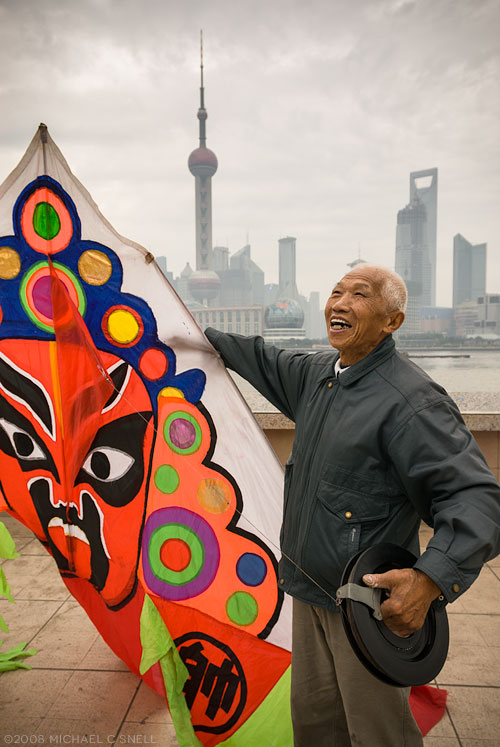
This is the first book in a series I’m calling “The Journals of a Travel Photographer.” There are several more planned in this series and a few of them are already well into production, so they should be joining this one in the bookstore soon. Each title in the series will document a particular photo gathering trip that I’ve taken and this first book covers a 6-day press tour to China that I joined in 2008. The photos appear more-or-less chronologically as they were taken throughout the trip. The images do not provide a complete, in-depth study of the region but, rather, document that particular trip and the things I experienced during that week. As the books will illustrate, there wasn’t always time to wait for the perfect weather or perfect light on most of these trips, but many magical moments still managed to occur and — hopefully — I captured a few of them.
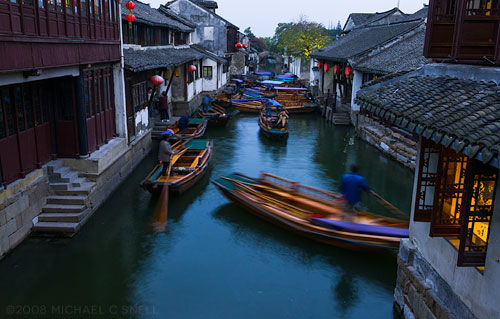
book_china_02_sotc

This self-published series is something I’ve wanted to do for a long time. The books will allow me to share images that otherwise may not ever appear in print. They will also allow me to show a broader collection of images from one destination than would typically be possible in a short magazine story or an individual stock placement. Having been on the design side of magazine and book production in the past, I understand that photo editors have their reasons for choosing to use one image over another for their specific purpose. The shot that I like most, might not be the shot that tells the story they need told, or that fits their particular layout. Here, I get to choose the images that are used and I get to tell my own story.

I’m using quite a few images, too. There are over 100 photos in this first 80-page book, and yet several of them are full page or even larger. Text is fairly minimal with a brief introduction about the trip and captions that tell about the location and perhaps a bit about how the photo came about.
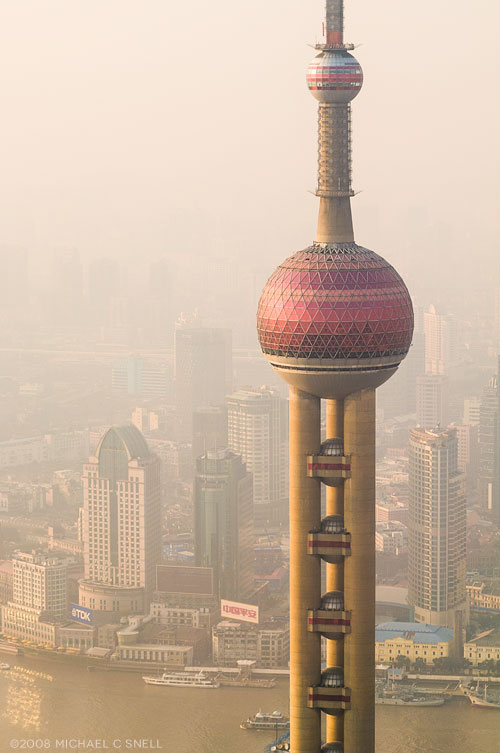
book_china_04_sotc

I also see this series of books as being a way for me to say “thank you” to all of the people that have helped give me the opportunity to travel to these amazing places. Some of the trips covered in these books were press trips and I’ve not always had a way of sharing the images I made with the people who hosted me. If I get a clip or two from a stock image placement or a story that I’ve supplied photos for, I send them along, but I often never receive samples of my images in print. These books will give me a way to share more of my images with those people who helped make them possible.

The books in this series will be available in both softcover and hardcover editions, with slightly better paper used in the hardcover editions as well.

Here are a few sample spreads from the China book. You can find more information on my website or you can “flip through” a partial preview over on the Blurb site.
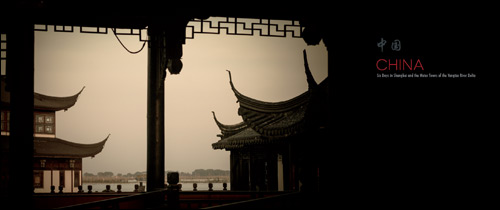
book_china_sp01

book_china_sp02

book_china_sp03

book_china_sp04

book_china_sp05

As I mentioned earlier in this post, this is just book one in a series. Stay tuned for additional titles, coming soon. And thanks for your interest!
book_china_01_sotc

Glacial erratics

130112glacial1_sotc

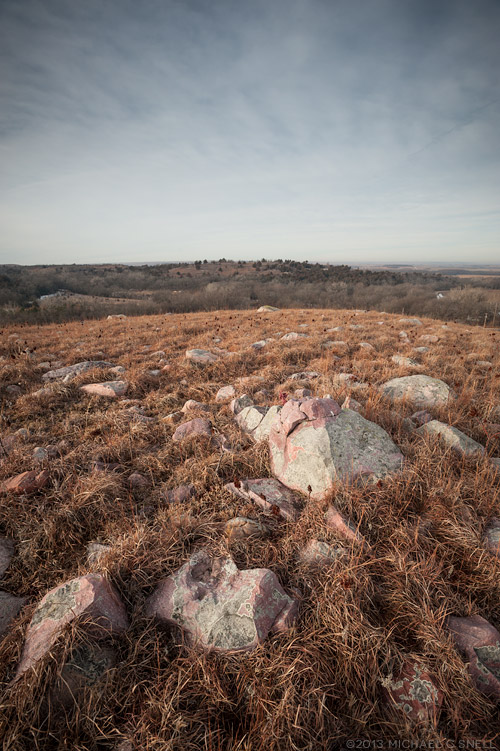
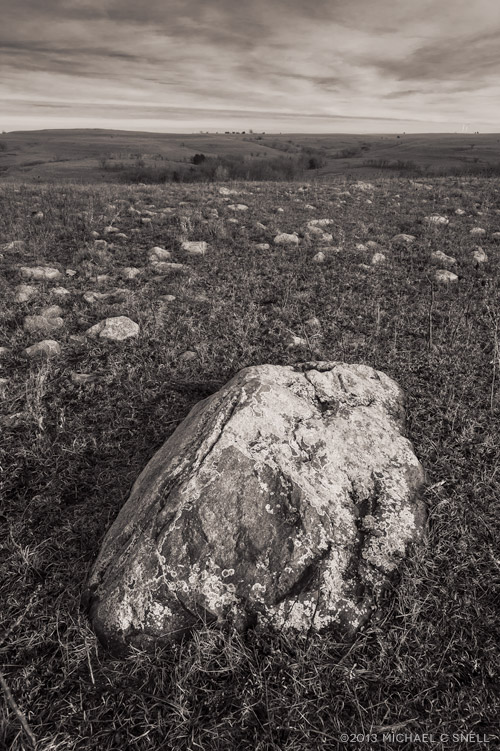
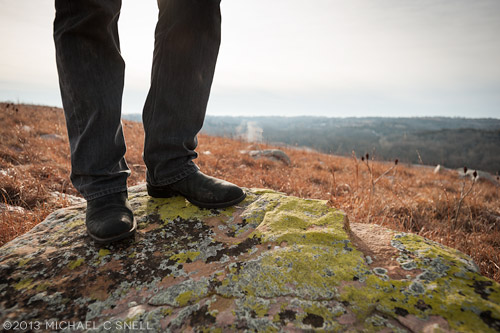
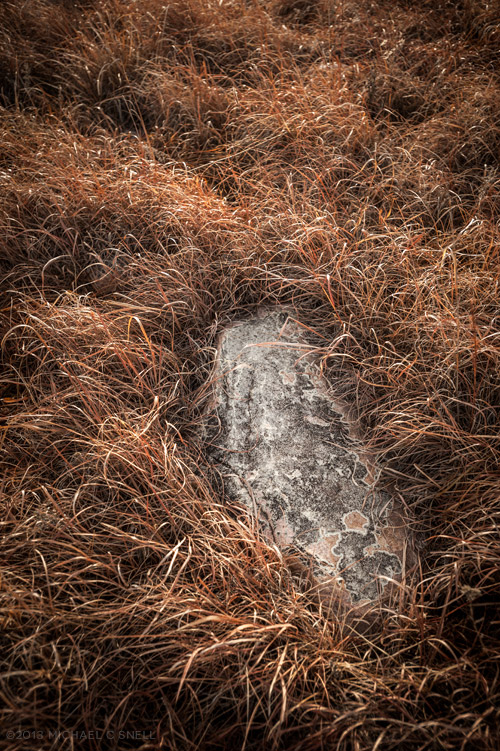
I had long heard about a mound in the Kansas Flint Hills that was littered with glacial erratics. These lichen-covered pink and purple boulders stand out among the region’s pale yellow limestone and in the northeastern part of the state you’ll occasionally see one, either in a rancher’s field or propped up in a city park with a plaque on it (There’s one right here in Lawrence in Robinson Park). The ancient glaciers only ever reached this one corner of Kansas and it’s thought that this erratic-littered hill was right at the very edge of the glaciers furthest advance. Basically, the glacier pushed all of these rocks along its leading edge for hundreds of miles and then left them behind when it retreated.

With the help of some geological books and the ever-handy Google Maps satellite view, I found that hill last week:

130112glacial2_sotc

130112glacial3_sotc

Fellow photographer and road-tripper, Doug Stremel, kindly provided some scale to this shot.

130112glacial4_sotc

The River

130111riverblu_sotc

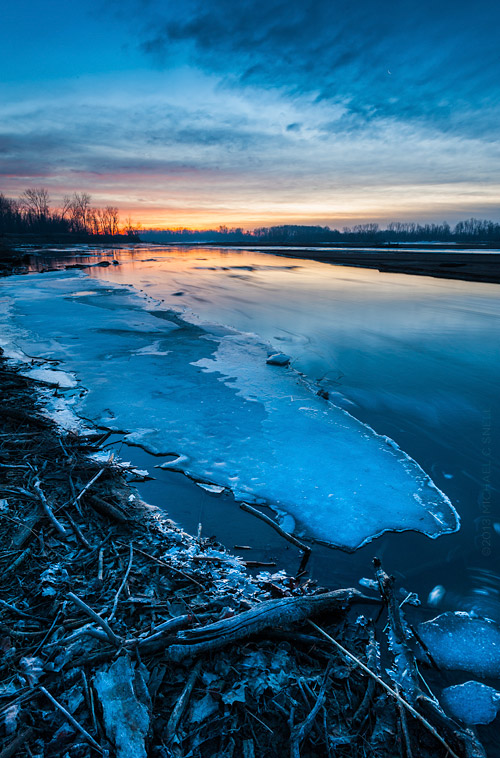
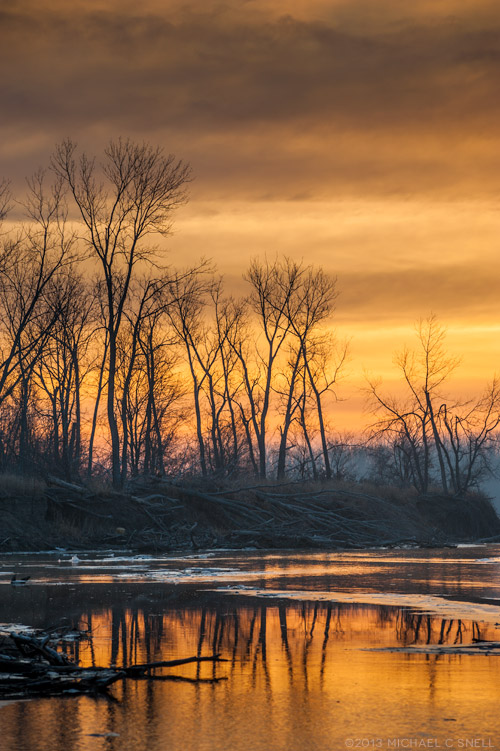
I evidently hibernate in winter (my last post being nearly a month old now), but my friend and fellow photographer, Doug Stremel, and I ventured out early Wednesday morning for a day filled with finding images in the winter Kansas landscape. It’s a season that I don’t shoot enough but am striving to photograph more often. Winter was the favorite season for my college painting instructor, Robert Sudlow. I remember him once telling me that he had difficulty painting Kansas landscapes in summer because it was just “too green”. He found more subtlety and variation on those grey, overcast days when the snow was melting away. I’m understanding the beauty of that subtlety more and more myself as I continue to update my Kansas image files.

A different destination drew Doug and I out on Wednesday (more on that in the next post) but it wasn’t in a place that would work well at sunrise so we looked for another, nearby spot to take advantage of first light. Since water effectively doubles your sunrise impact by reflecting the colors, we headed for the Kansas River. Hiking down to the water’s edge in near total darkness provided its own challenge, but it was worth it when the light came up to reveal the melting ice flows. We heard them before we could see them, crashing into one another as they drifted downstream.

The shot at the top of this post is, I believe, the second frame I’ve shot in 2013.

130111sunrise_sotc

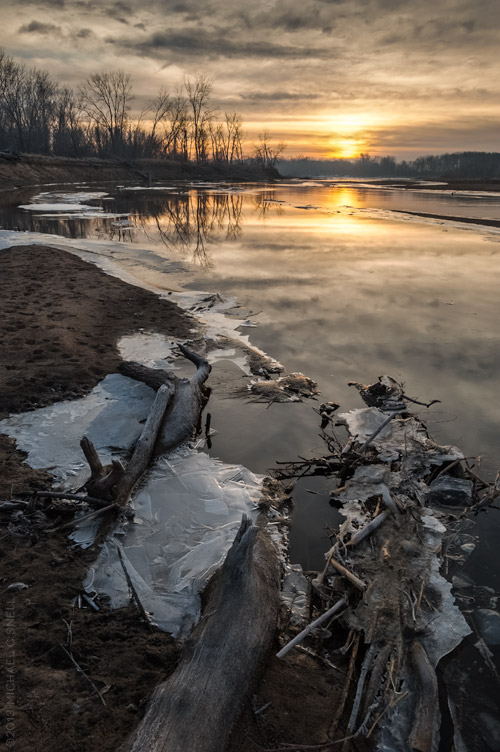
As the sun rose, the colors shifted dramatically and offered a fantastic range of photo options. The following photo was taken about 35 minutes after the first and both are fairly true to the actual colors we were seeing.

130111rivergold_sotc

This is also an HDR shot (High Dynamic Range) assembled from three separate bracketed captures spanning six stops. The process allowed me to get a much wider range of contrast into one image, something that was more and more necessary as the sun rose higher — getting brighter — while the foreground shadows remained very dark. I don’t like to push HDR as far as some do to get that other-wordly effect that so many relate to the process but, instead, I like to use it to get closer to what the scene actually looked like to my eye at the time of capture.

130111ice_sotc

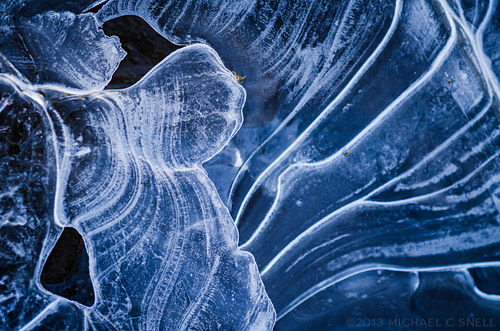
There were also plenty of options for detail shots of the melting ice along the river bank. All-in-all, a good start to the day, and a great start to 2013. I’ll continue with more of Wednesday’s locations in the following post.