[sponsored post]
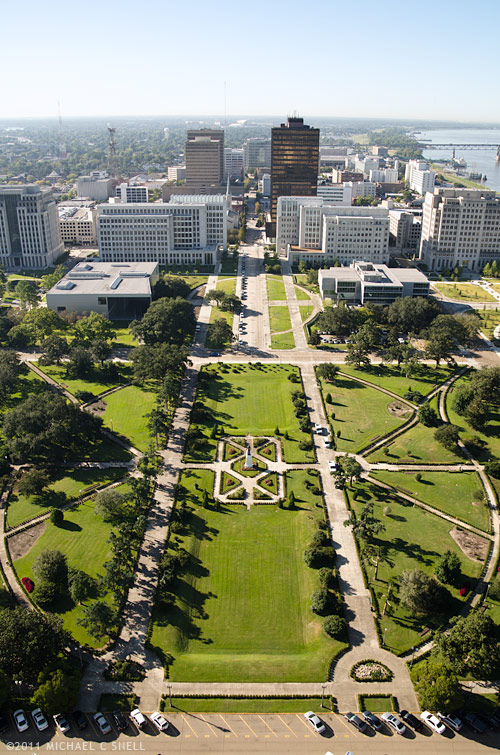
I recently had an opportunity to try out the Tamron 18-270mm zoom lens on a shoot in Louisiana (The full name of this lens is the Tamron 18-270mm f/3.5-6.3 Di II VC PZD). The shot above is of downtown Baton Rouge, taken from the 27th floor observation deck of the State Capitol Building. That’s the wide end of the lens — 18mm. Now check this out:
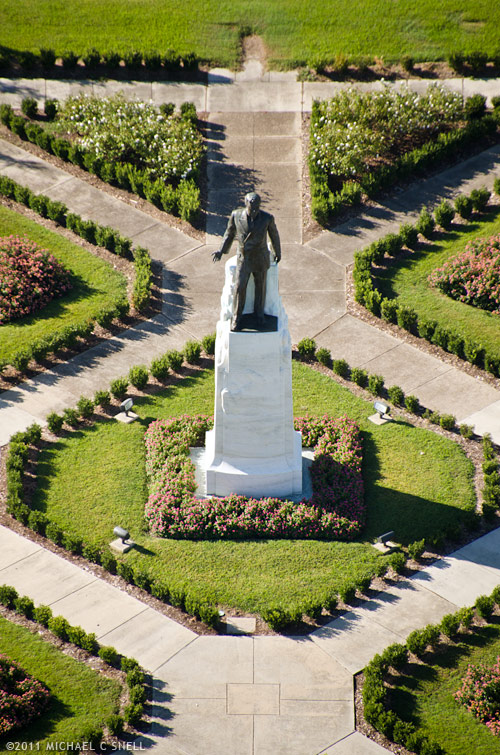
That’s the Huey Long statue on the Capitol grounds shot from the same spot with the lens zoomed all the way to 270mm. These were taken my Nikon D7000 so, given the cropped sensor, the zoom range would be the equivalent of 27mm to a little over 400mm on a full-frame DSLR (Tamron Di II lenses are not built for full-frame sensors, however. Their Di lenses are the full-frame models). That’s pretty significant coverage. And it’s small — less than a pound and it takes 62mm filters.
To a travel photographer, the idea of having one lens that does everything while being lightweight and compact… well… that’s pretty appealing. Of course, you can’t have it all. No one lens can do everything. But this one does a lot.
There are shooting situations that require that you “go light” and not take all your gear. An example might be a day out in a kayak. You don’t have space to take a lot with you and it might be inconvenient — if not dangerous — to try and change lenses while out on the water. That’s where I see a lens like this really shining. It would get you through almost any situation you might encounter from wide shots of your companion kayakers that show the surrounding scenery, to tight telephoto shots of wildlife that might appear with little warning.
To achieve a zoom range like this and to keep the lens light, you need to give up some speed and the Tamron 18-270 is an f/3.5-6.3. Almost everything I carry is f/2.8 or faster so this might seem slow — especially if you’re hand-holding it and shooting telephoto — but the 18-270 does have very capable stabilization and — let’s face it — with today’s DSLRs it’s no longer such a big deal to crank up the ISO a little.
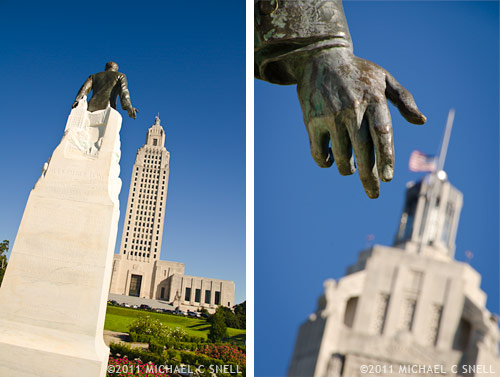
As another example of the Tamron’s range and the creative potential that it brings: here are two shots from the reverse view of those at the top of this post. These are taken from behind the Huey Long statue, looking back up at the Louisiana State Capitol Building (Long was instrumental in its construction, by the way, and was assassinated inside it). I took a few steps in between these two images but they are shot from more or less the same position. The shot on the left at 18mm (27mm equivalent) and the one on the right at 270mm (400+).
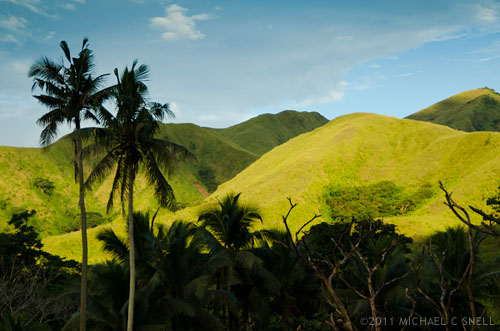
I shot a lot with this lens while on my Louisiana road trip and will share more images later. The Tamron 18-270 impressed me enough that it’s earned a place in my bag when I go to New Zealand next month. Then we’ll really see what she can do.
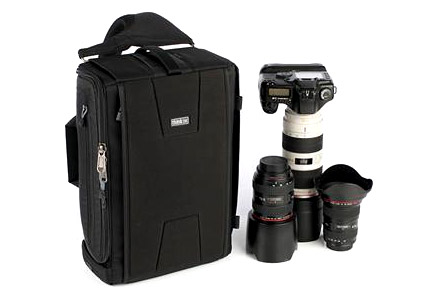

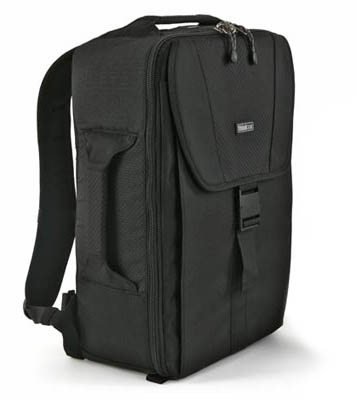 This bag weighs in at just over 2 pounds when empty so it adds very little to the carrying weight which is a major concern of mine, especially when getting through airports. The dimensions look good for the overhead bin and it has a very sleek outer surface that should avoid snagging as it gets stuffed in. I’ll typically still pack a small bag in my checked luggage that I can use on the street. Backpacks are great for getting all of your gear to a location, but they’re not so convenient when you’re trying to get to a lens fast on a busy Shanghai street. So far, I’m very impressed with this as a travel bag and look forward to putting it and all the other new stuff through their paces next month.